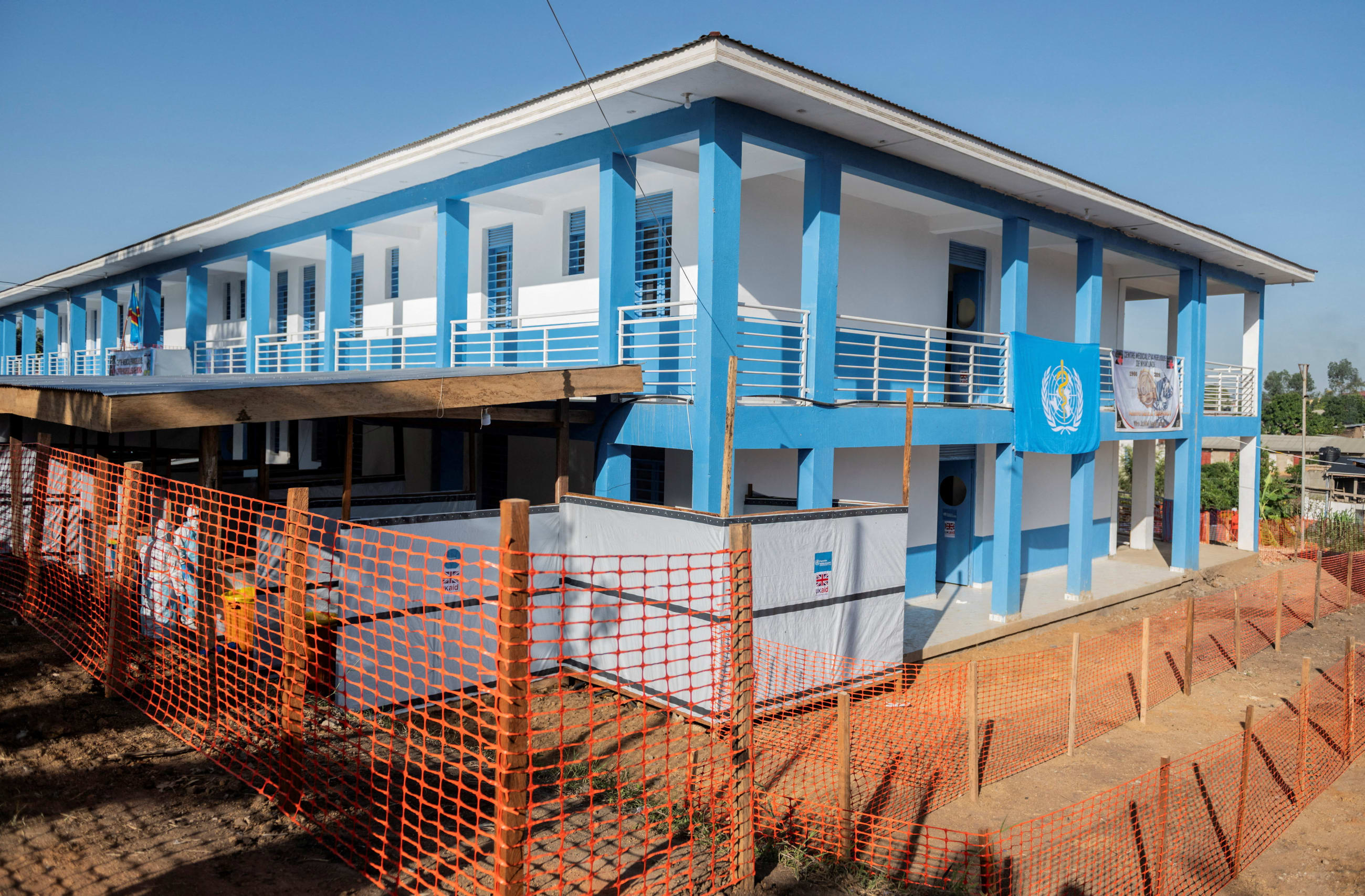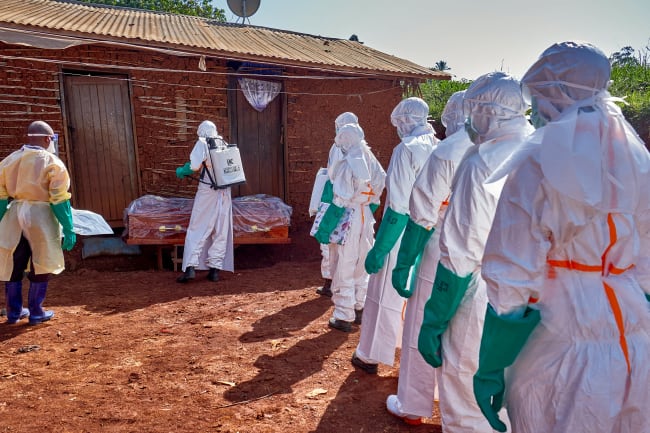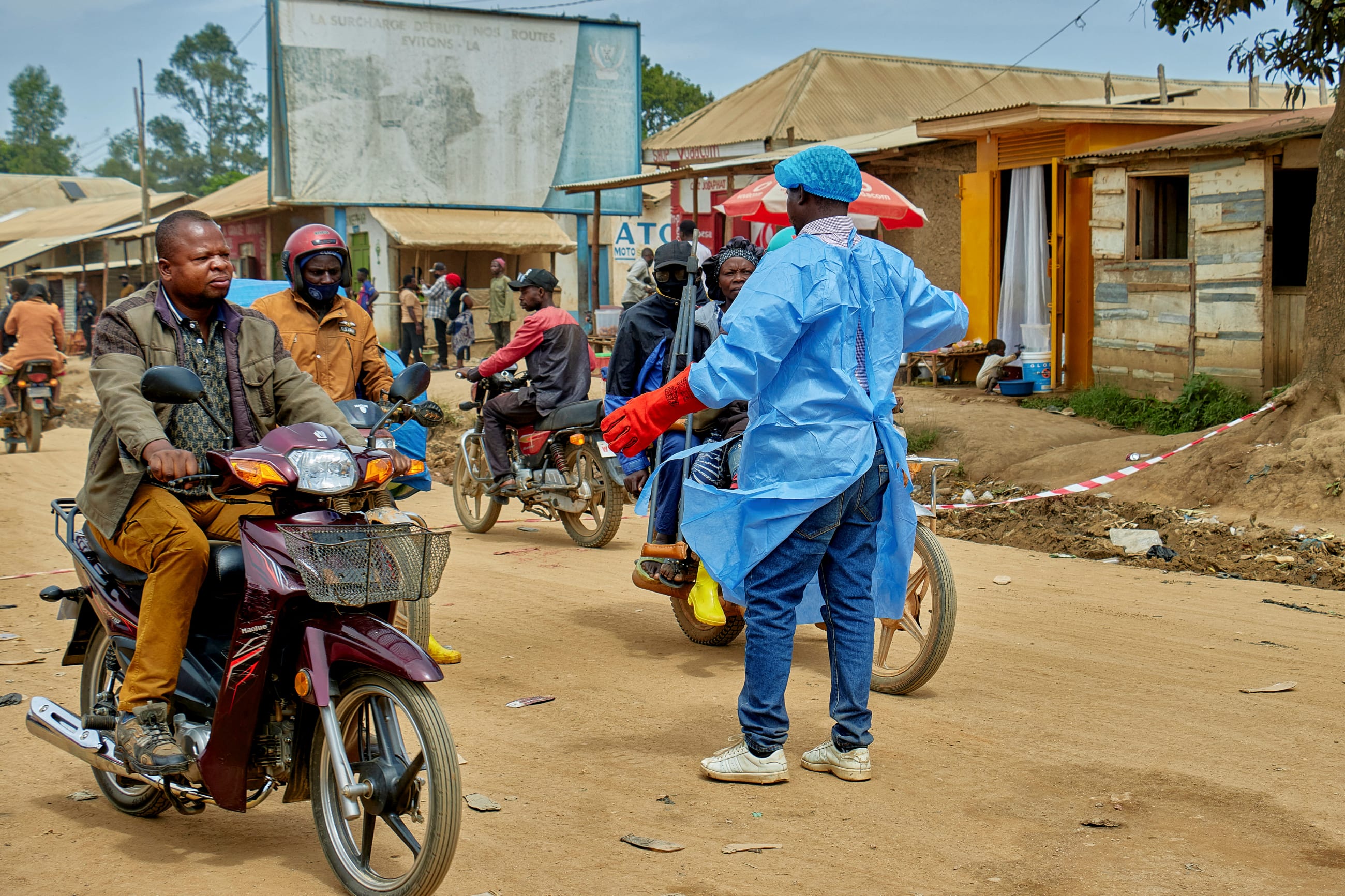
The current outbreak of Ebola virus disease in central Africa, now responsible for more than 4,000 deaths, stresses the importance of early detection and reporting in preventing local disease outbreaks from spiraling out of control.
The global community should support countries that report a potentially dangerous outbreak, yet the reverse is too often true. When countries report disease outbreaks quickly, they can be subjected to severe trade and travel restrictions, which cause economic losses and human hardship that hit particularly hard in low- and middle-income countries. When Botswana and South Africa collaborated to isolate and characterize the omicron variant of SARS-CoV-2 in 2021, other countries imposed travel bans on all of southern Africa, decimating travel and tourism revenue in the region. When transparently reporting a disease outbreak results in economic harm, concealing its severity becomes an economically rational response.
The global community should support countries that report a potentially dangerous outbreak, yet the reverse is too often true
In other circumstances where actions produce public benefit but private loss—including vaccine injury programs, livestock disease compensation, and restitution for aviation accidents—policymakers have established financial systems to support the beneficial behavior. Applying this model to outbreak monitoring, where the stakes are global and the window for action is short, would help create a culture of rapid disease reporting to reorient the currently misaligned economic, social, and political incentives.
Realigning Incentives for Disease Reporting
A key element in creating that culture of reporting is to establish a financial mechanism that counterbalances the economic harms from reporting a potentially dangerous outbreak. Governments, multilateral development banks, and regional organizations should establish a fund or insurance mechanism to rapidly provide funding to countries that report disease outbreaks. Had such a mechanism already been in place, it could have rapidly provided payment to the Democratic Republic of Congo and to Uganda for identifying the Bundibugyo outbreak and reporting it quickly to the World Health Organization.
For simplicity and speed, the trigger for payments from such a mechanism should be the already recognized categories under the International Health Regulations (IHR): the public health emergency of international concern (PHEIC) and the new pandemic emergency designation. Using such a trigger can allow money to flow to affected countries within days of initial disease reports. Payments should be provided under a parametric system, in which amounts disbursed are uniform once triggering conditions are met, instead of relying on a long and complex process of evaluating actual damages. For equity, those amounts should be provided in tiers, increasing in amount for lower-income countries and making high-income states ineligible for payment.

Although realigning economic incentives is one critical element of creating a culture of reporting, it is not the only needed measure. Countries and global organizations should also emphasize the social, political, and economic value of reporting to help ensure that those who report dangerous disease outbreaks early are supported for the contribution they provide to the world. High-functioning systems, such as the aviation industry, encourage and protect reporting even of negative events to improve safety. Rapid disease reporting can also be encouraged through celebration of that reporting at the country, institutional, or even individual level at high-profile events and in the media, as is done in animal health disease surveillance.
Fundamentally, nations should reexamine their processes for making what can be hurried and misinformed decisions to impose trade and travel restrictions during an outbreak: measures that often do little to stop the spread of an epidemic.
Implementing the Economic Model
Some multilateral development banks have already taken encouraging steps to broaden the allowable uses of disaster-related financial instruments to include pandemic preparedness and response. For example, the Asian Development Bank recently published a comprehensive roadmap on ways it can support "more equitable, effective, and agile pandemic preparedness and response." Similarly, the Inter-American Development Bank has broadened the allowable uses of its Contingent Credit Facility to include pandemic preparedness and response.
The climate change field provides another potentially helpful model for implementation. Economic mechanisms such as the Southeast Asia Disaster Risk Insurance Facility and the Caribbean Catastrophic Risk Insurance Facility have been established regionally as partnerships involving governments, financial institutions, private-sector companies, and other stakeholders to mitigate the economic impact of climate-related harms. These kinds of regional models could be a path to follow in implementing a similar financial mechanism for outbreak reporting, which could be adapted from one region to another to meet the unique needs of each.
The next potential pandemic could be coming soon. The global community should act quickly to ensure that economic barriers do not delay sounding the alarm when that pandemic is in its earliest stages and easiest to fight.