In early 2020, international and national health authorities alike in Laos watched with disbelief as hospitals in New York City, a city in one of the world's richest countries, were overwhelmed with patients. During the first three months of the COVID-19 pandemic, 203,000 cases of laboratory-confirmed COVID were reported in New York and a third of people hospitalized died.
Laos, one of Asia's poorest countries, and at high risk of cross-border transmission from Cambodia, China, Myanmar, and Thailand, did not have a health system that could handle large numbers of COVID cases. But, like many countries in East Asia, they had received decades of pandemic-readiness planning—priorities that were heavily supported by U.S. funding.
Yet the success of these programs abroad contrasts sharply with weakening health systems, waning vaccine confidence, and declining coverage at home
Between 2000 and 2020, the United States spent close to $92 million in cooperative health funding in Laos, and a significant portion was allocated to emerging infectious-disease threats. Local authorities quickly enacted preventive strategies, and Laos became the last country in the region to report a case of COVID. Contingency planning and rapid action to boost system gaps were able to limit case numbers, including those that stemmed from new variants. COVID vaccine coverage rates rose from 3% to 70% in one year. This pattern was repeated across Asia. Meanwhile, the systems that the United States built at home faltered.
The incredible health and social benefits brought by vaccinations reflect deliberate U.S. investments in vaccine science, surveillance, and delivery systems; and they have paid dividends far beyond U.S. borders. Yet the success of these programs abroad contrasts sharply with weakening health systems, waning vaccine confidence, and declining coverage at home. When U.S. commitment to public health declines, so does the world's capacity to prevent the next crisis—and the credibility of the nation that once led the charge.
COVID: From Triumph to Tragedy
Operation Warp Speed, the U.S.-driven initiative to develop vaccines for COVID-19, was one of the most effective public-health initiatives in recent memory. Between 2020 and 2022, the Pfizer-BioNTech and Moderna mRNA vaccines were 84 to 86% effective in preventing hospitalization among adults. Both vaccines saved millions of lives and averted hundreds of billions of dollars in direct medical costs. Yet vaccine hesitancy remained high [PDF], and many Americans did not complete their primary vaccine series or booster shots, resulting in an estimated 230,000 preventable American deaths in 2021–22.
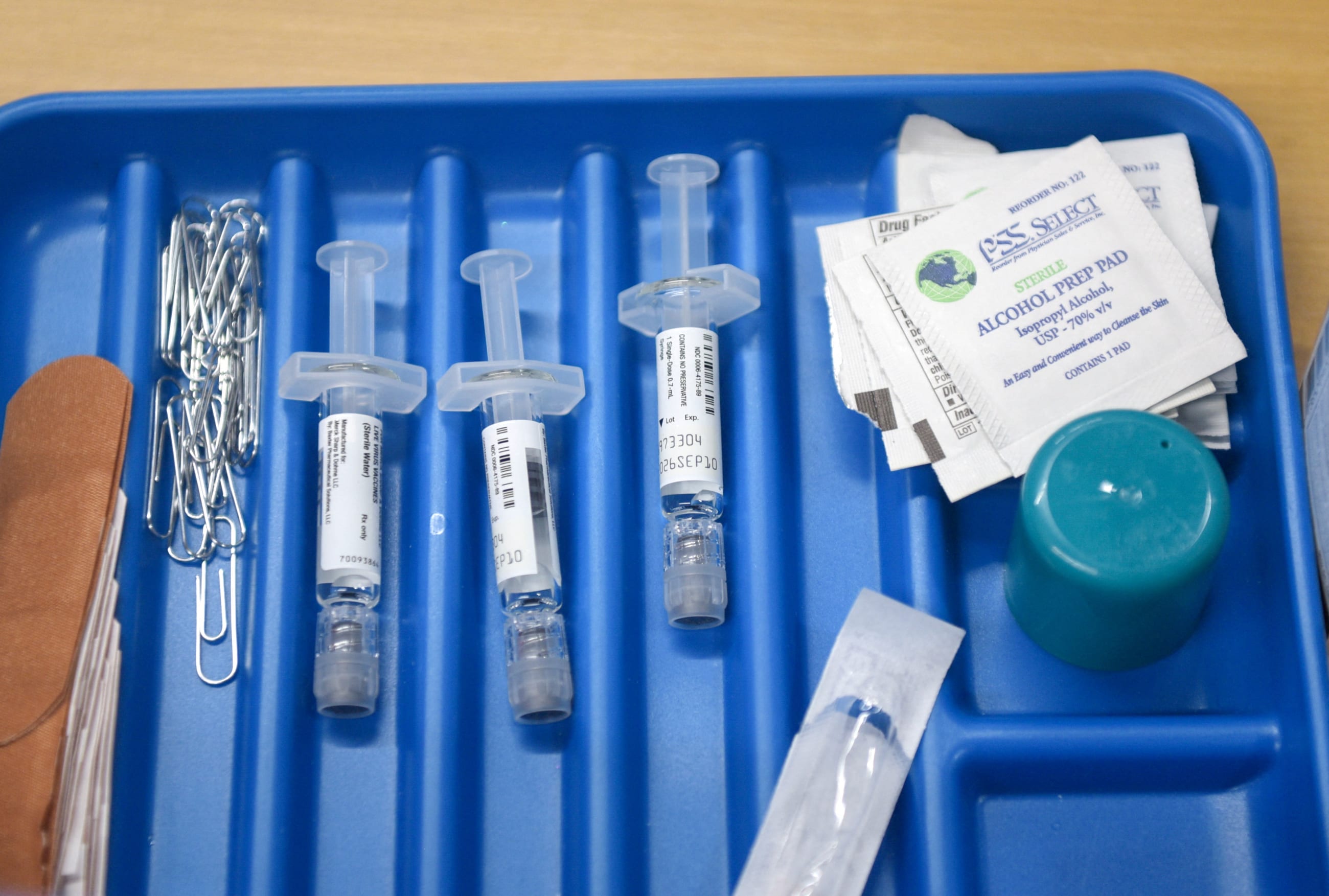
Now, these early signs of public-health decline and diminished social trust have manifested as a retreat from evidence-based medicine by the U.S. government itself. In the last year, the Advisory Committee on Immunization Practices and Department of Health and Human Services have modified the routine childhood vaccine schedule against expert advice, including eliminating the birth dose of the hepatitis B vaccine, removing six previously required vaccines from the routine schedule, and making significant cuts to vaccine programming, allowing misinformation to proliferate. With vaccination rates declining, the United States is now experiencing its largest measles outbreak in three decades, which is likely to lead to the loss of measles-elimination status in 2026.
This trend flies in the face of established data, showing that domestically, routine childhood immunizations given to children born between 1994 and 2023 prevented an estimated 508 million cases of illness, 32 million hospitalizations, and more than 1.1 million deaths, while saving $540 billion in direct medical costs and $2.7 trillion in other societal costs such as parental absenteeism from work.
In August 2025, the U.S. government canceled 500 million dollars in support of mRNA vaccine development, despite having been a major contributor to its development, in record time, in 2020. New mRNA vaccines are expected to have applications for influenza, RSV, HIV, and cancer, potentially generating tens of billions of dollars annually in global sales, and create high-value jobs and tax revenue in the United States. The reason for this retreat appears to be ideological despite considerable evidence that vaccines are safe, effective, and supported strongly by the medical and research community.
Asia Rising
As the United States retreats from mRNA vaccine development, Indonesia, Vietnam, and 13 other countries are energetically working to expand their role in it. For countries in Asia-Pacific, vaccines have the power to create stable and more productive societies. Although the region has seen explosive development in recent years with huge increases in per capita income and a rapidly rising middle class, local leaders still have one foot planted in a vulnerable past, where lack of infrastructure and basic health systems had huge costs. People living on the margins of development in these countries still see the consequences of infectious diseases in their everyday lives. For them, getting vaccinated is not a political question or a choice but a necessity that allows them to work and put food on the table.
As recently as 2003, Manila's San Lazaro Hospital, Philippine's largest infectious-disease hospital, admitted more than 300 children with measles daily because of complications from severe pneumonia, diarrhea, malnutrition, and encephalitis. Three children often shared a bed, with others on mats below. Deaths occurred daily in the hospital and nationwide. The U.S.-supported national Philippines campaign Ligtas Tigdas (Safe from Measles) stopped transmission, saving an estimated 18,000 lives over three years and emptying the hospital within months.
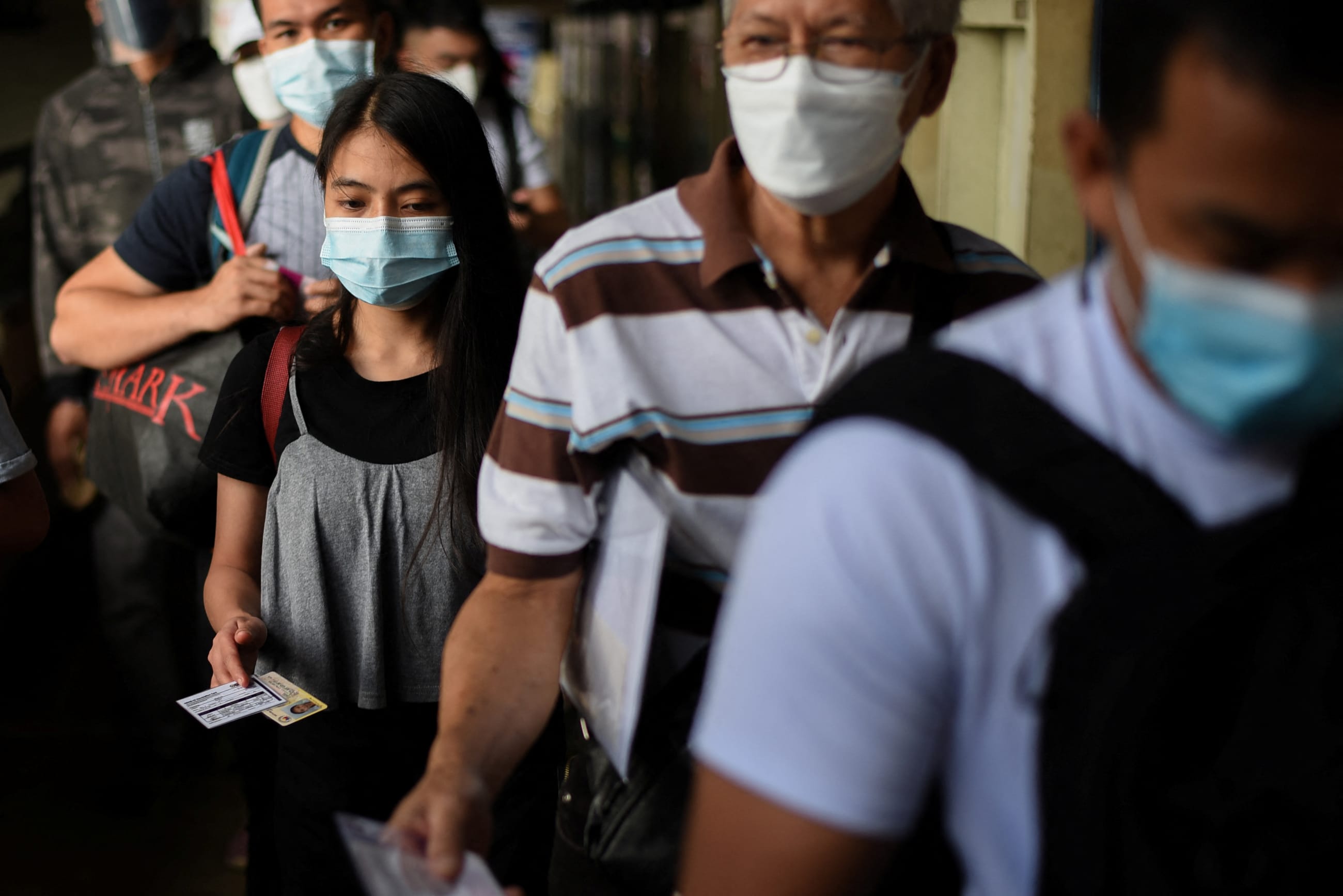
Asia-Pacific also carried 45% of the world's hepatitis B burden. In 2003, more than 7 million adults in Philippines had a chronic hepatitis B infection. Yet prior to 2007, few newborns received a dose within 24 hours of birth, the recommended standard to reduce transmission. The United States was a strong advocate for integration of the hepatitis vaccine birth dose delivery [PDF] into the routine schedule, the same standard that the U.S. Advisory Committee on Immunization Practices ended domestically in 2025. As expected, after national scale-up of the three-dose series and introduction of a timely birth dose, infection prevalence among children in Philippines fell to 0.8%. This generational decline represents hundreds of thousands of chronic infections averted and, in the decades ahead, will translate into marked reductions in cirrhosis and hepatocellular carcinoma.
The trust the United States fostered through these efforts is now at risk. In the last 18 months, the U.S. government has dismantled the U.S. Agency for International Development, removed funding from the World Health Organization, and withheld funding from Gavi, the global alliance that purchases and distributes vaccines in low-income countries.
These changes are happening in the face of increasing pandemic risk, as seen by the rise in measles, mpox, and Zika outbreaks. Cutting key public-health funding directly undermines the ability of fragile countries to contain outbreaks, by limiting surveillance, laboratory capacity, and cold-chain and health-care delivery systems, thereby raising the risk of cross-border spread that can quickly reach U.S. shores. Even more important, a novel agent, the next COVID, could eventually emerge, and, without adequate resources for detection and containment, spread rapidly.
Ultimately, global health-funding cuts destabilize the global markets on which the U.S. economy depends. COVID vaccine inaccessibility in Asian economies triggered factory shutdowns that rippled through U.S. supply chains; the auto sector alone lost an estimated $210 billion in 2021. Aside from pandemics, major vaccine-preventable outbreaks in Asia could cut U.S. exports by up to $41 billion and jeopardize 1.4 million American jobs. Global underimmunization, in short, undermines U.S. health and economic security. Global public health is not a zero-sum game. It requires collaboration and partnership. Pulling back now is a strategic mistake. As the United States prepares to elect new leaders this November, the choice is stark: allow the decline to continue, or stand up to this harmful retreat from science and common sense.