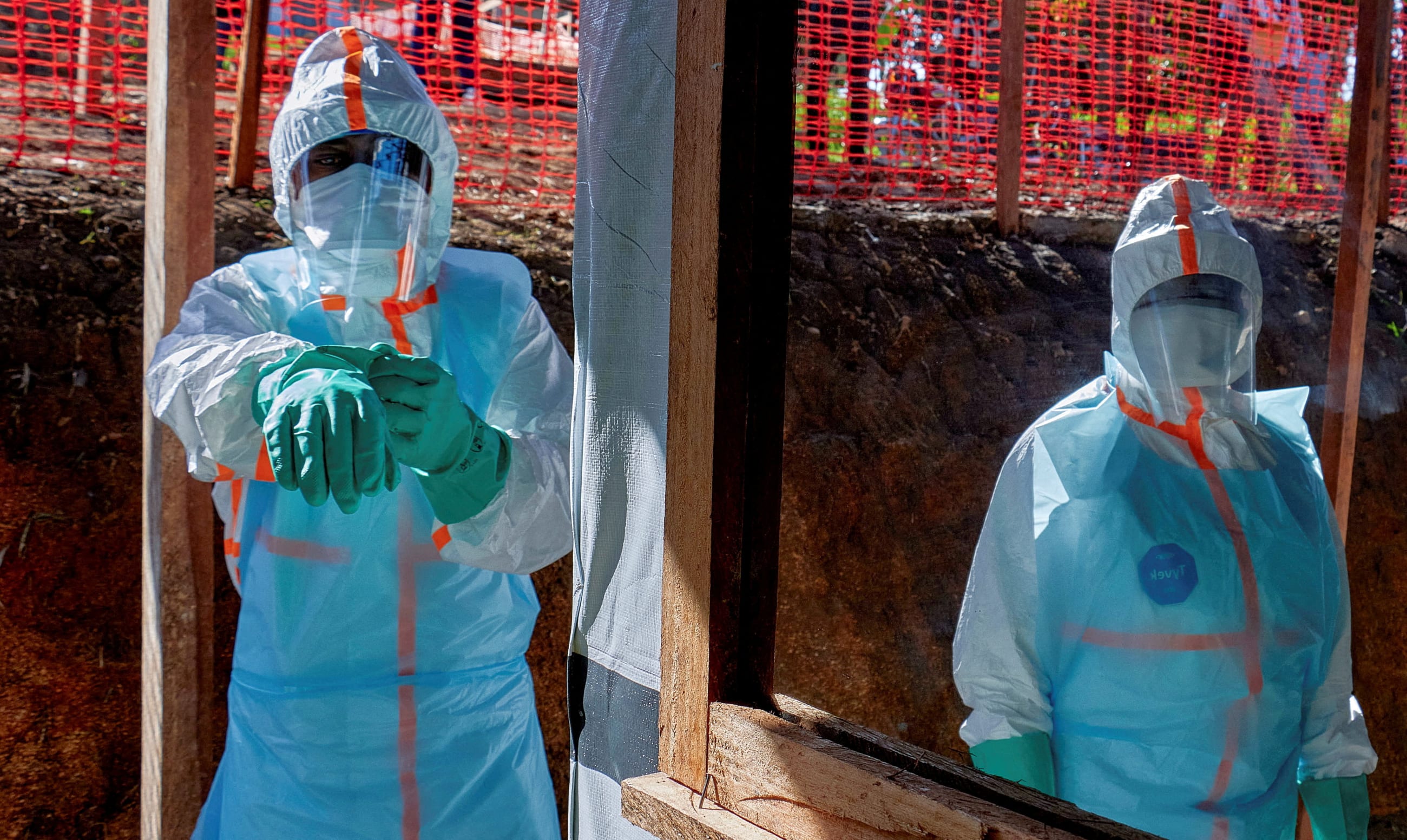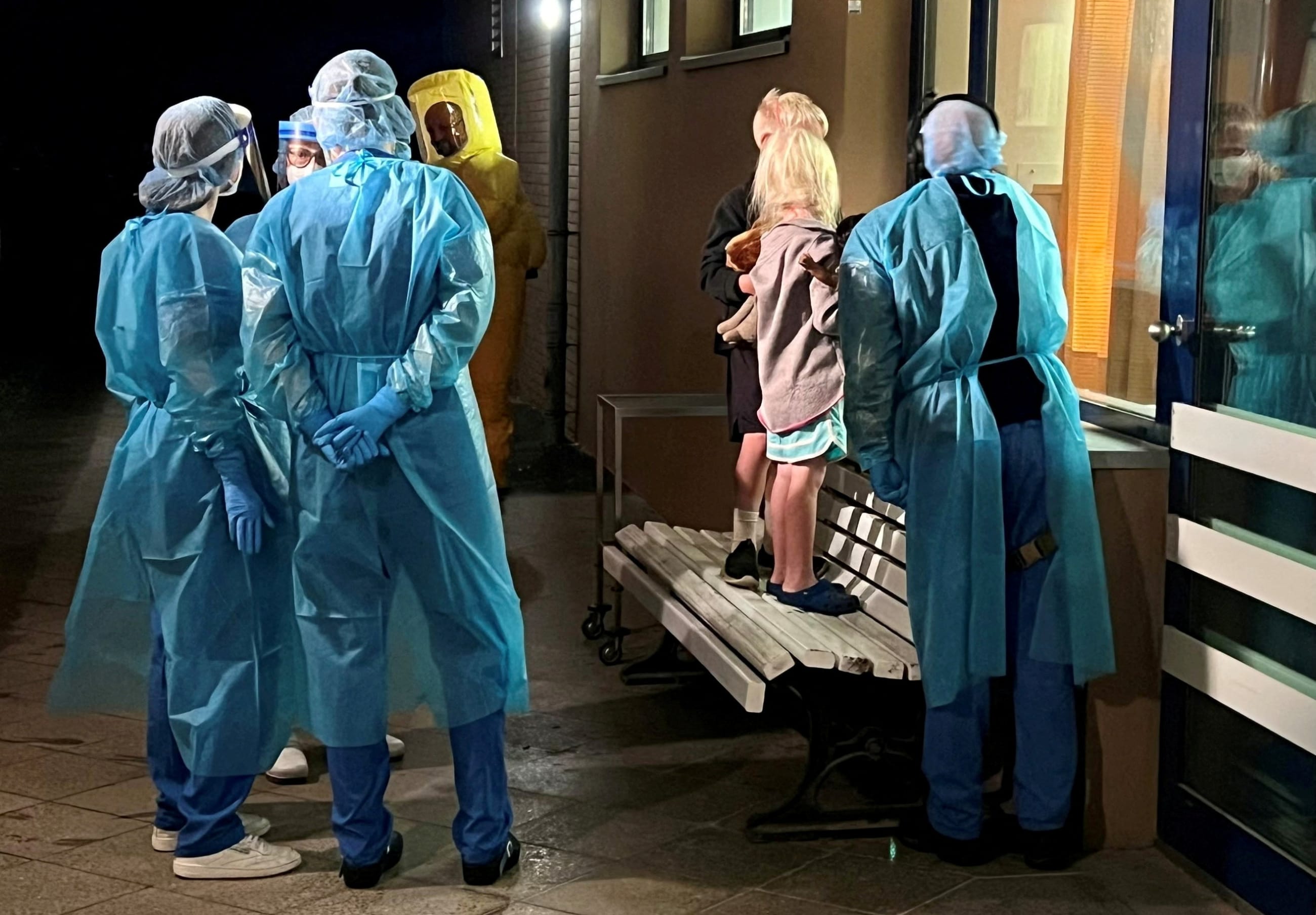
During the third week of May 2026, the World Health Organization (WHO) declared a public health emergency of international concern over an outbreak of Bundibugyo virus, a species of Ebola, in the eastern Democratic Republic of Congo (DRC) and Uganda. It's the first such emergency declared since the United States withdrew from WHO participation in January. As of June 11, the DRC and Uganda had reported 695 confirmed cases and 138 deaths. An American national working in DRC contracted Ebola and was evacuated to Germany, and Uganda closed its border with the DRC against WHO advice.
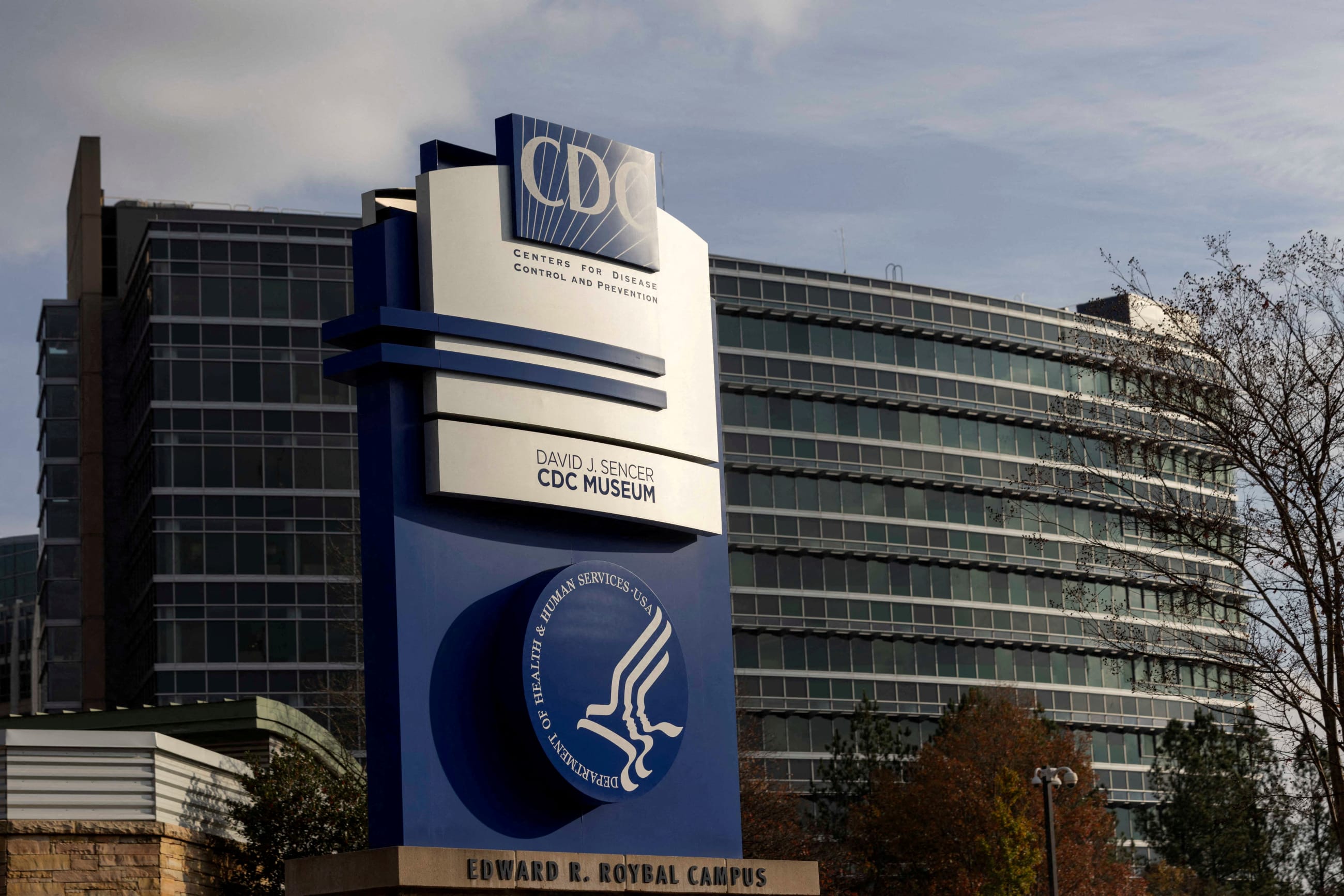
The U.S. response is functioning so far for one reason unrelated to any decision made this year. The U.S. Centers for Disease Control and Prevention (CDC)'s country offices—nearly 30 staff in DRC and close to 100 in Uganda—kept their relationships with both health ministries intact through the dismantling of the U.S. Agency for International Development (USAID) and the American exit from the WHO. When the outbreak was confirmed, those ministries called the CDC, and the State Department named the CDC as the lead agency for the U.S. response. The architecture is holding only because its people built those relationships before the rules changed.
To protect that capability, the United States does not need to dismantle the CDC: It needs instead to build the diplomatic workforce to lead it. Guidance the State Department issued on May 5 [PDF] does the opposite by changing who will be in the room when the next outbreak begins.
An outbreak is first spotted by local clinicians, health ministry disease detectives, and national laboratories; the CDC's staff work alongside them to confirm it and sound the global alarm. The May 5 guidance routes U.S. global health funding through the State Department and recasts the CDC from a directly funded implementing agency into a fee-for-service provider, paid by partner governments one service at a time. The change undercuts the strategy it is meant to serve.
The Right Diagnosis
The administration identified an important problem with U.S. global health. The system was fragmented: the CDC, USAID, the State Department, and others running overlapping programs through parallel channels and, too often, without a single accountable leader at the embassy. Consolidating U.S. engagement under chiefs of mission—the ambassadors who lead each embassy—is a sound and overdue approach to make the system more efficient and accountable to U.S. foreign policy priorities.
PEPFAR was the first major U.S. global health program to place an entire country's response under the ambassador's authority
The U.S. President's Emergency Plan for AIDS Relief (PEPFAR) proved the model: It was the first major U.S. global health program to place an entire country's response under the ambassador's authority, providing a clean line of accountability widely credited as one of the innovations behind its success for nearly 25 years. Moving toward direct government-to-government partnership is a logical next step.
Greater country ownership is not a partisan idea: African leaders have been calling for health sovereignty themselves, most recently through the Accra Reset. The political instinct behind the America First Global Health Strategy, to put a professional diplomat in charge and build toward bilateral partnership, is the right instinct.
The Wrong Demolition
The problem is not the strategy but its machinery. The May 5 guidance and the fee schedule that accompanies it treat diplomatic leadership and technical capability as if they are the same.
Rather than funding the CDC's laboratories, surveillance systems, and workforce directly, the State Department will route program money to partner governments, which then decide whether to buy CDC services from a menu of roughly 30 options. Countries receiving more than $125 million a year must purchase a minimum package of six services plus field epidemiology training. A State Department spokesperson has predicted that under this model CDC funding for direct technical assistance goes up, not down. Eight former CDC directors—spanning every presidential administration from Reagan to Biden—warned the opposite: The May 5 freeze halted funding for 105 CDC cooperative agreements that today support HIV treatment for 8.1 million people.
Three things break under a fee-for-service model. First, health ministries are technical institutions; they partner through technical cooperation, not procurement. A procurement relationship is not a partnership; no invoice captures the country office that takes the 2 a.m. call about an unexplained cluster. The current Ebola outbreak is proof: The CDC was named lead agency because its offices already held the relationships, not because they had been retained.
Second, capability cannot be priced as a service. Surveillance, laboratories, and field epidemiology training detect outbreaks early only with continuous funding, the difference the World Bank calls investing in health security rather than a cycle of panic and neglect. The new fee schedule inverts that logic. The required minimum package runs from roughly $3 million to $10 million a year—a sum that now is required to cover both country and headquarters costs once budgeted separately. Everything beyond it is optional. In a lean year, a government buys the minimum and skips the rest, and the capacity that catches the next outbreak quietly degrades. Capability cannot be bought as needed; it is the standing inventory a response draws on.
Third, the model hands foreign governments the decision over America's own disease-detection presence abroad. The sovereign partners now being asked whether the CDC should stay are the same ones that, in recent weeks, ignored WHO guidance and closed a border, said publicly that they had not been consulted on a U.S. plan to fund treatment clinics, and saw a court block an American quarantine facility. Making the U.S. early-warning network contingent on those decisions does not make America safer.
The Architecture That Works
One approach is to argue against State Department leadership. A better one is to pair that leadership with the capability it depends on. That pairing is bicameral: Foreign Service officers, trained in health diplomacy, lead the negotiation and the bilateral agreements while the CDC, funded through its own appropriations and its own ministry relationships, supplies technical cooperation. The two are complementary, not substitutable.
The durable fix is a Foreign Health Service, a specialized diplomatic track modeled on the Foreign Commercial Service, which Congress created four decades ago to draw on a domestic agency's expertise for work abroad. Standing it up fully would require amending the Foreign Service Act through Congress, which will take time—but interim steps could begin immediately. The State Department could adapt the competency-based training of the CDC's Epidemic Intelligence Service—the fellowship that has trained the nation's disease detectives for more than 70 years—and deliver it through a CDC partnership with the State Department's foreign affairs training arm, to a subset of the next cohort of Foreign Service officers it recruits. The aim is not to make diplomats into epidemiologists, but to give them enough command of outbreak detection and response to lead technical collaborations credibly and to know when, where, and to whom to defer.
Another workforce already sits inside the State Department, which moved to hire several hundred staff—direct hires, locally employed staff, and contractors—for roles open to displaced USAID staff who bring field logistics, partner relationships, and supply-chain experience the new model needs. Pairing their expertise with specialized health and diplomatic training would let each agency work to its strength: State convening and negotiating, the CDC supplying technical depth. Drawing on people already in the building would close the gap now, rather than after the next emergency exposes it.
The United States can respond to the current Ebola outbreak only because of relationships built over decades and trained people positioned to act on them. The State Department guidance now being implemented begins to dismantle exactly that. Secretary of State Marco Rubio wants American diplomacy in the lead. The question is whether anyone will be left to do the work when the next outbreak arrives.