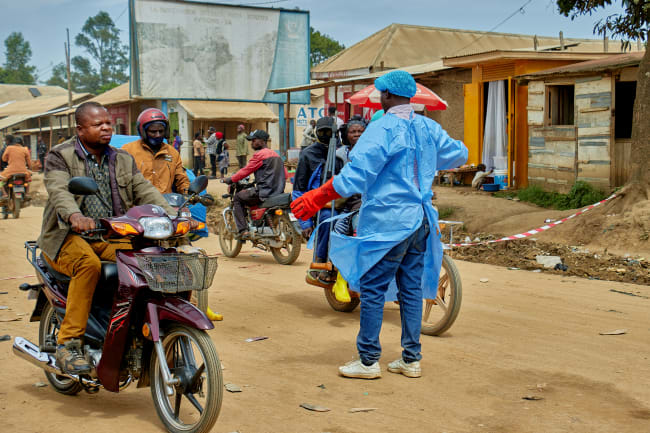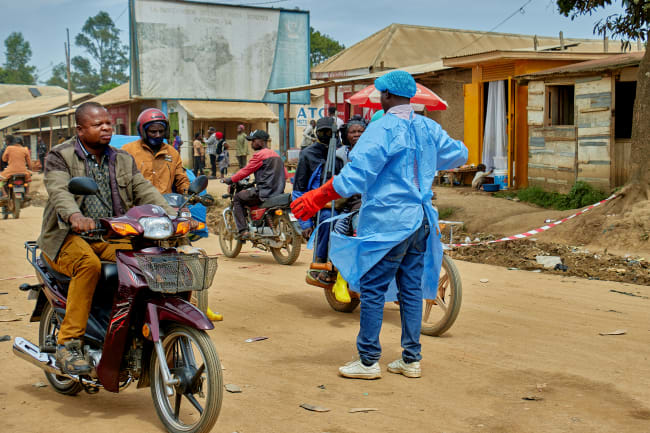
The Ebola outbreak in the Democratic Republic of Congo and Uganda has brought renewed attention to the role of the World Health Organization (WHO) in the international system for health.
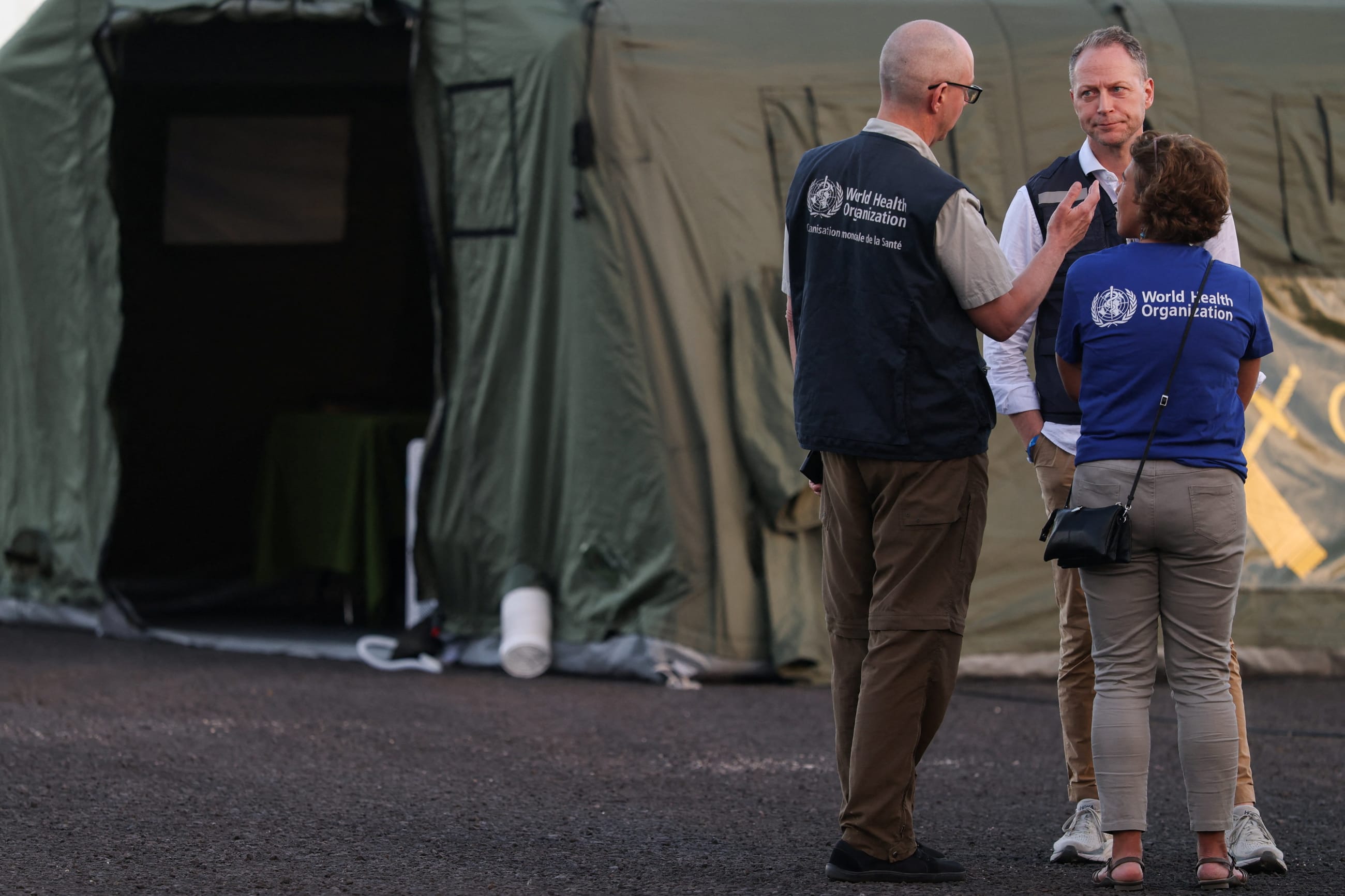
WHO and the Africa Centres for Disease Control and Prevention (Africa CDC) both moved quickly to position themselves as leading the response, issuing statements and announcements within hours of each other. The WHO director general's declaration of a public health emergency of international concern (PHEIC) without first convening the emergency committee was particularly striking, given that the International Health Regulations [PDF] suggest that the director general consider the committee's advice when determining whether an event constitutes a PHEIC. Along with declaring the PHEIC, WHO rapidly announced the delivery of five metric tons of emergency supplies to the affected countries. Since then, Africa CDC has announced similar support.
The race to respond to the outbreak indicates the need for clarity about WHO's role, functions, and comparative advantages. There is only one global intergovernmental specialized agency that has the mandate for health. Recent geopolitical shifts, including the U.S. withdrawal from WHO, put that position at risk.
The race to respond to the outbreak indicates the need for clarity about WHO's role, functions, and comparative advantages
As member states weigh potential candidates for the next director general ahead of the September nomination deadline, the primary focus of their conversations should not be on personalities or geography. Instead, it should center on which WHO functions the world will need over the next decade. WHO needs leadership capable of fundamentally reforming and repositioning the organization, not merely managing it.
The WHO's legitimacy comes from its role as the world's technical and normative authority for health: the institution that governments can trust for standards, evidence, guidance, coordination, and impartiality. It should not become an operational logistics agency competing with others for visibility, emergency supplies, or field leadership. Once WHO drifts too far into operational competition, it risks weakening precisely the role that it alone can play.
In a recent Lancet piece, I argued, together with colleagues, that WHO requires substantive structural reform, not mere adjustment. The organization itself frequently points to its ongoing Transformation Agenda as evidence that reform is already underway. Some progress [PDF] has undoubtedly been made, such as agreement to increase the assessed contributions, but it is far from sufficient.
What is affecting people's health has already changed. Noncommunicable diseases now dominate the global burden, artificial intelligence (AI) makes radically different access to knowledge and possibilities of developing new solutions radically different, and the geopolitical landscape is much more complex.
The current international system for health in which WHO operates is fragmented, inefficient, and politically contested. Institutions compete for mandates, visibility, funding, and authority. Yet discussions about reform often remain abstract, avoiding the so-called elephants in the room and being honest about the harder questions of governance, power asymmetries, accountability, and institutional redesign.
But there are opportunities not to be lost. This month, the Accra Reset High-Level Panel meets in Dakar, and member states will submit nominations for the WHO Task Force. Both Gavi and the Global Fund have referred to the need for reforms at their recent board meetings.
However, the present discussions about global health reform avoid the critical issue of reforms of WHO itself. To remain relevant in a changing landscape, WHO needs to be modernized and embark on institutional and structural reforms.
First, WHO needs to focus on its normative and technical work. Trust in the organization has weakened partly because WHO has spread itself too thin across too many functions and priorities. At the same time, other organizations increasingly compete for technical authority and normative leadership.
WHO can only reclaim trust by becoming unquestionably excellent at what it is uniquely positioned to do. That requires major changes in the use of AI and human resource policies, performance management, and organizational culture. WHO remains burdened by rigid administrative systems and outdated management structures. It struggles to attract younger talent and often rewards institutional caution over innovation and excellence. Modernization must therefore begin internally.
Second, the director general should serve only one term. A single nonrenewable term of five or seven years would strengthen the independence and integrity of the office. No director general should need to spend years balancing political interests and diplomatic bargains partly shaped by reelection considerations. The same principle should apply to regional directors.
This leads to another and particularly sensitive third issue: WHO's regional structure. Formally, WHO is one organization. In practice, it often operates as seven semi-independent entities. The six regional offices exercise substantial autonomy, while regional directors are effectively selected through political processes dominated by member states in each region. This creates duplication, inefficiency, and fragmented leadership.
Regional engagement remains essential, but the current governance structure should be fundamentally reconsidered. Regional committees should remain forums for political dialogue and member state engagement, but without the current level of formal political power. Regional directors should instead be appointed by the director general through open international recruitment processes using applications and selection panels, thereby contributing to political neutrality, attracting top-quality candidates, and building credibility from the outset. A global organization requires coherent global leadership.
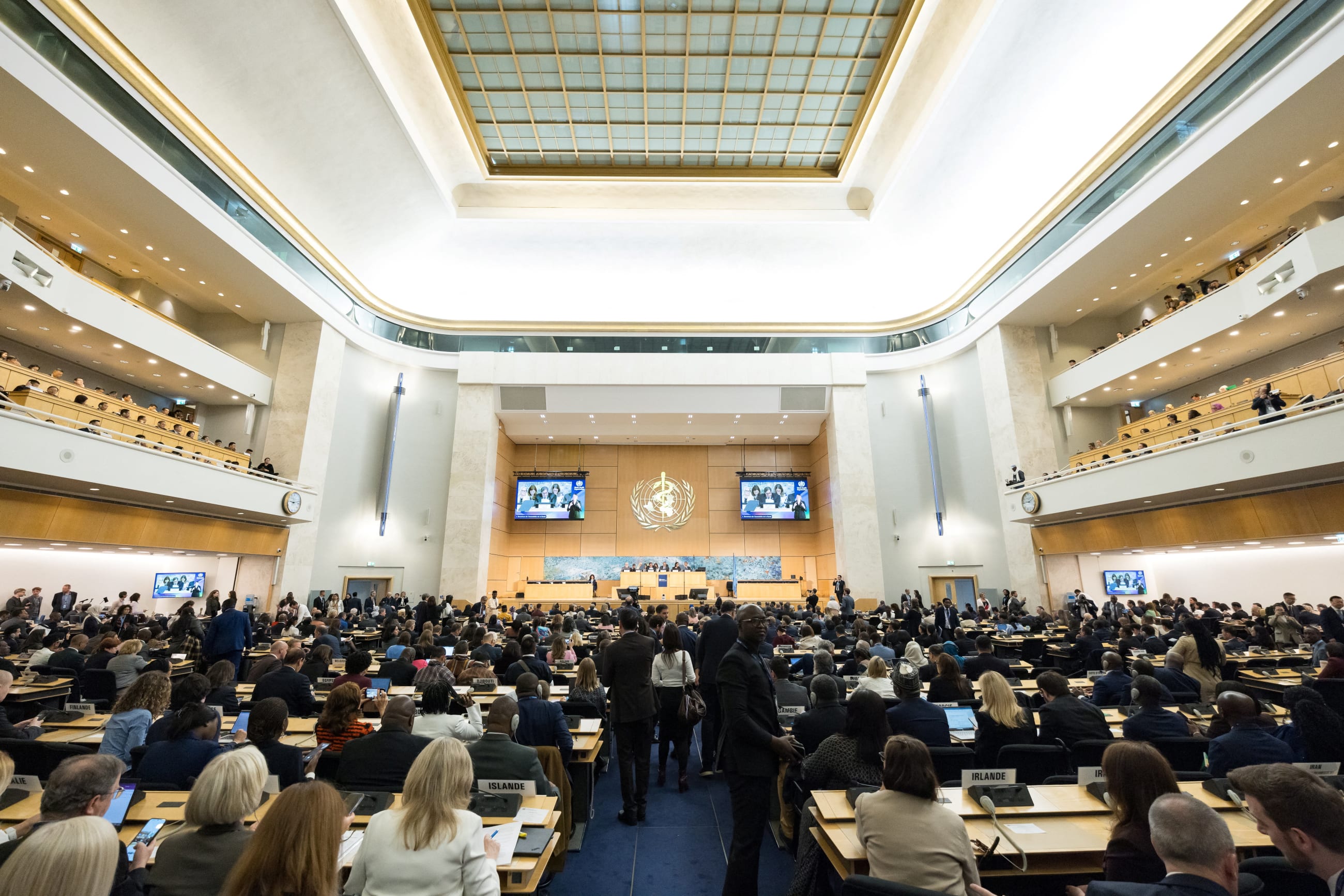
Fourth, WHO's governance requires substantial change. Over time, the executive board has gradually ceased functioning as a true executive body. Instead, it has become a smaller version of the World Health Assembly. Board meetings are crowded. Member states that are not formally on the board routinely intervene. Representatives often read prepared political statements instead of exercising genuine fiduciary or strategic responsibility for the organization. That is not effective governance.
An executive board should function as a board of trustees: small enough to deliberate seriously, empowered to make decisions, accountable for performance, and trusted by the governing body that elected it.
The World Health Assembly should therefore delegate clearer authority to the executive board while holding it accountable through transparent oversight and periodic elections. Governance should focus less on political theater and more on institutional stewardship, strategic direction, organizational performance, and accountability. At present, WHO's governance arrangements diffuse responsibility instead of clarifying it.
Fifth, alongside those shifts, WHO's financing model should fundamentally change. No institution can remain fully independent when most of its funding is earmarked by donors having specific priorities. Today, financial flows shape WHO's agenda more than its governing bodies do. That undermines institutional integrity.
WHO should be financed primarily, and ideally entirely, through assessed contributions from its member states. As an interim model, additional voluntary contributions could continue, but only if those resources are fully flexible and aligned with collectively agreed-upon priorities instead of donor preferences.
WHO's governing bodies should negotiate and agree on priorities and financing together, not separately. The World Bank's replenishment processes provide a useful comparison. There, member states negotiate both strategic priorities and financial commitments simultaneously.
The world now needs a different WHO: more focused, more technically authoritative, more independent, more modern, and more strategically disciplined. WHO should understand that global health is no longer primarily about aid but about collective benefits and security, economic resilience, and political trust. WHO's role, functions, and mandates must not be left out in the ongoing reform discussions.
The organization still matters enormously to the global health ecosystem. But short of deep and real reform, WHO risks gradually losing the role the world still needs it to play.