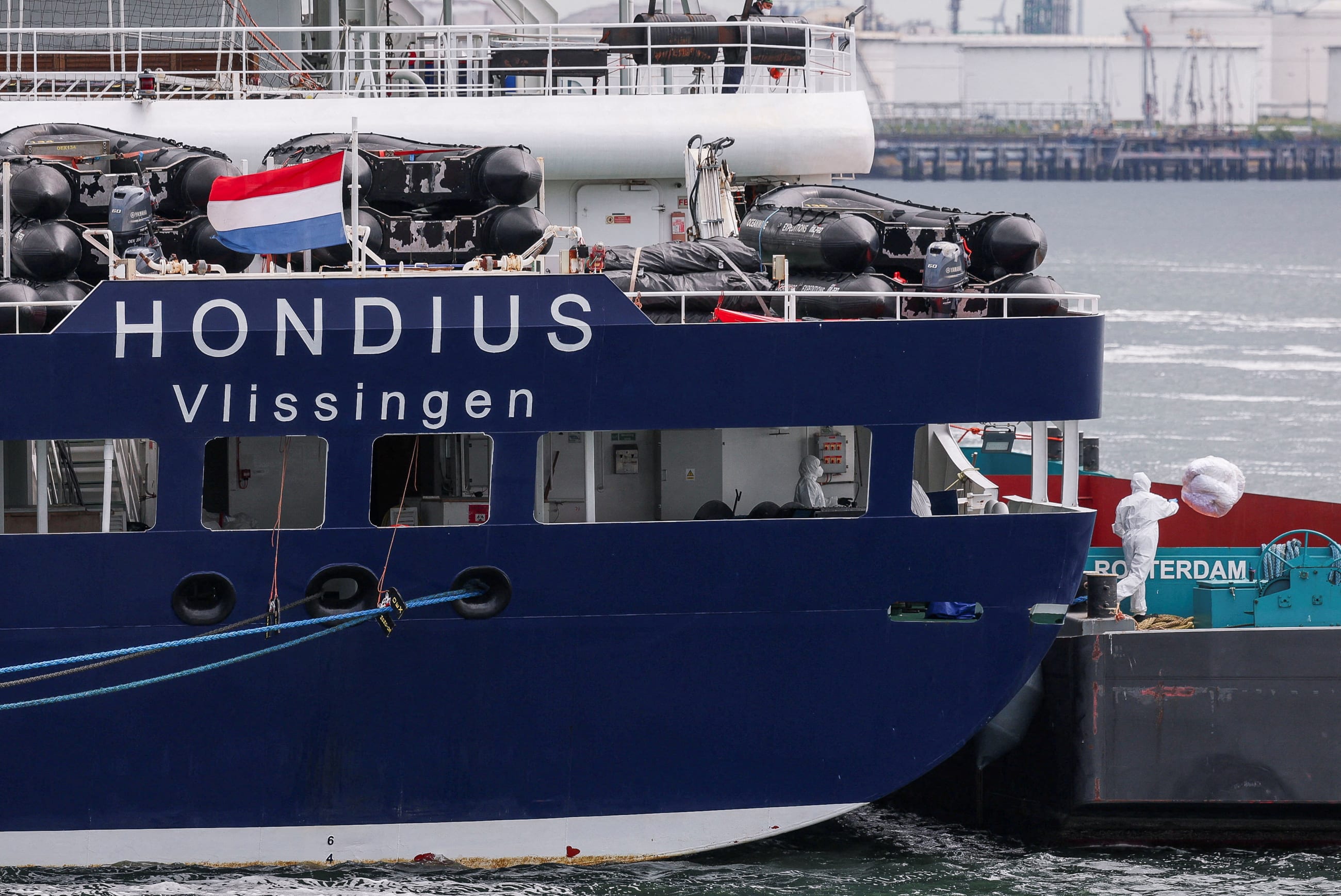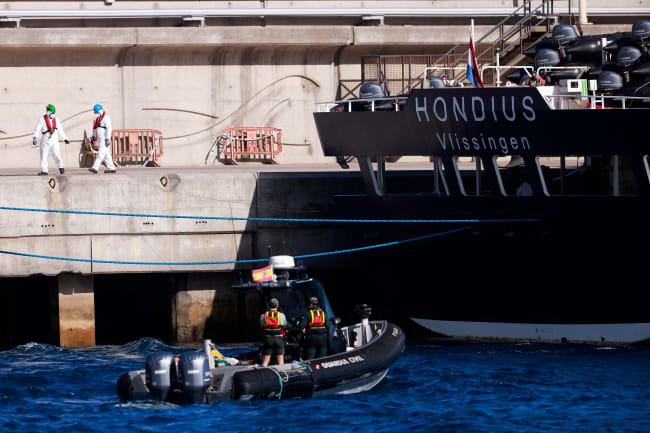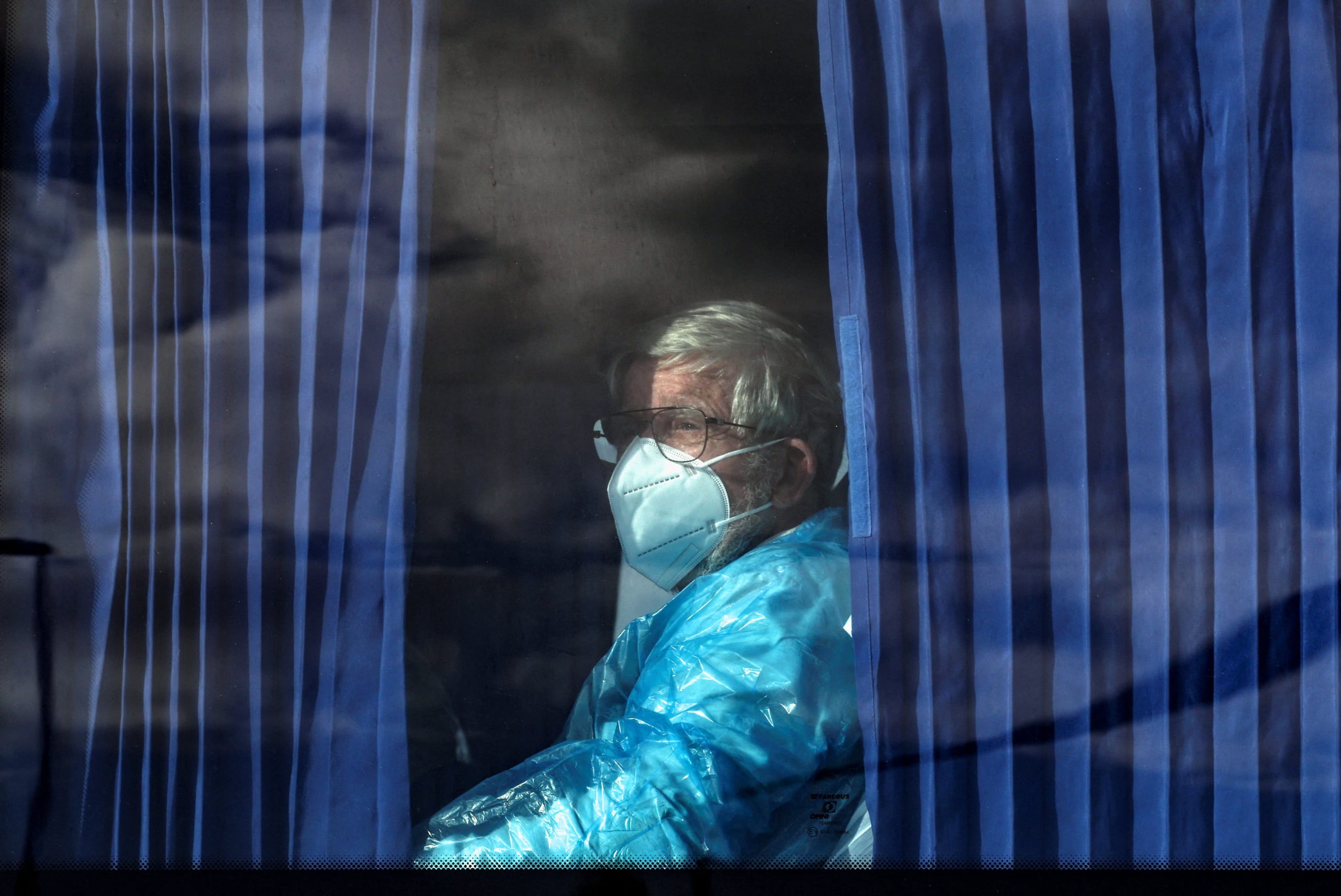
In early July, the World Health Organization (WHO) declared the cruise ship hantavirus outbreak over, three months after the affected vessel, the MV Hondius, set sail from Argentina.
The outbreak on the Hondius—which killed three people and infected 13—should have been the easy case: a rare pathogen, a single named vessel, a finite passenger list, and laboratories in South Africa and Switzerland that typed the virus within days. Instead, investigators detected the cluster of hantavirus cases 10 days after passengers had begun to disembark, allowing it to scatter across continents.
The bottleneck in this outbreak was not detection or biology; it was the institutional handoff between the commercial actors holding the data and the public authorities needing it. The response exposed the need to redesign current disease-surveillance systems before the next pandemic. An "outbreak escrow" database held by a third party would respect passenger privacy while preparing cruise lines to respond to future threats.
Private Firms at the Frontline
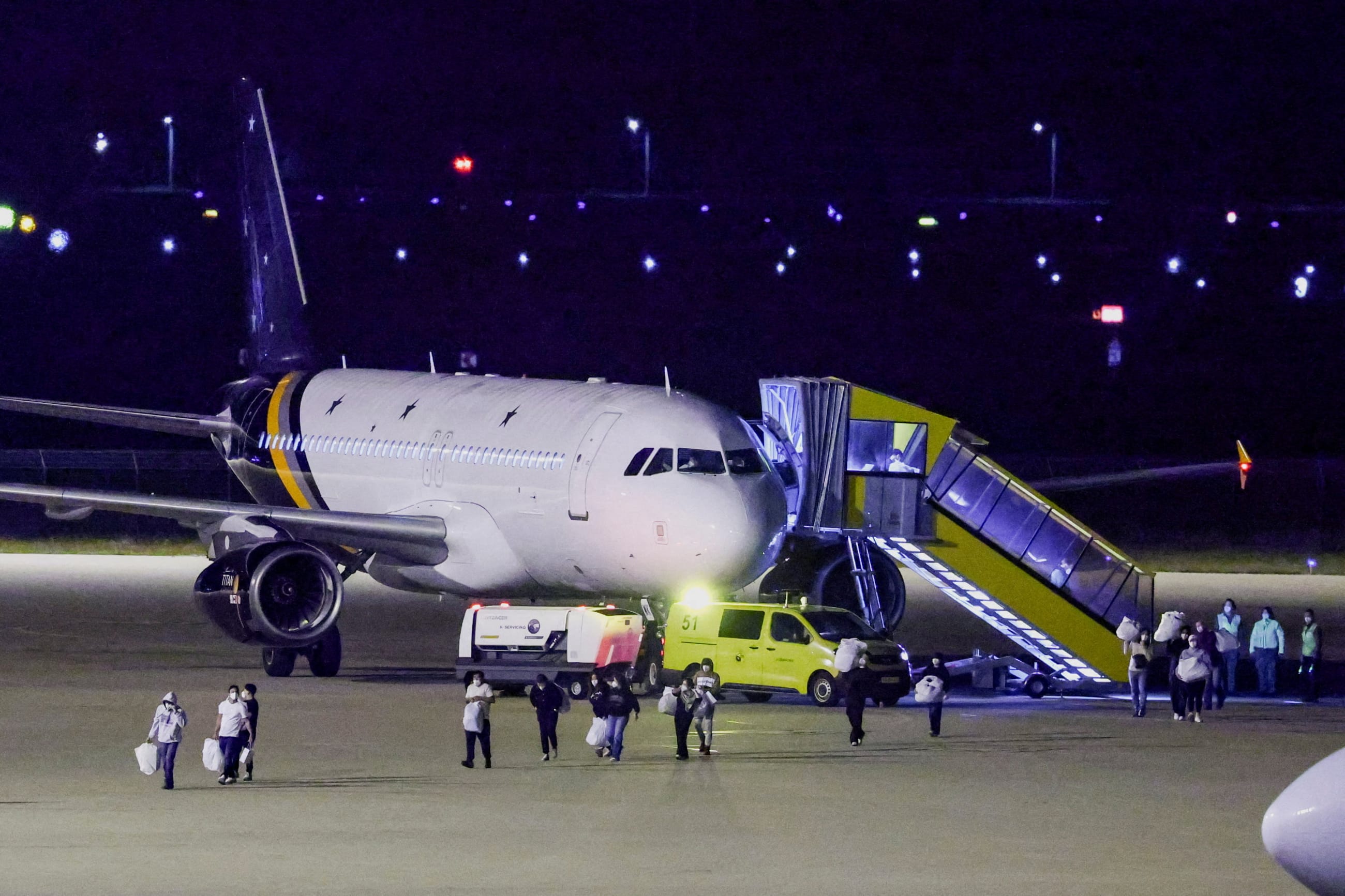
Even with every condition in its favor, the episode revealed how quickly global health coordination frays when agencies, cruise operators, airlines, ports, laboratories, and clinicians move on separate clocks. Approximately 29 passengers left the ship on April 24 before the cluster was confirmed, leaving authorities in the United States, Argentina, Germany, the Netherlands, South Africa, Switzerland, and the United Kingdom to reconstruct itineraries. If a single ship can reach this many jurisdictions before a coordinated response forms, the system is not calibrated for more transmissible pathogens.
The bottleneck in this outbreak was not detection or biology; it was the institutional handoff between the commercial actors holding the data and the public authorities needing it
Modern outbreak governance is still organized around states and borders. The International Health Regulations route information through country officials; quarantine authorities operate at ports of entry. Yet exposure does not move that way. It travels through itineraries, loyalty programs, expedition bookings, hotel records, and the proprietary databases of travel platforms. By the time a country's official is notified, the relevant epidemiological unit is no longer a country, it is a manifest: the list of passengers on a ship, plane, or bus.
Cruise lines and airlines, in this light, are not merely transportation companies during an outbreak. They are de facto epidemiological institutions. They hold cabin assignments, dining-room seating, shore-excursion groupings, and onward-flight details, the precise variables an investigator needs in the first 72 hours. In the Hondius case, the operator's record of who shared a cabin with the index Dutch couple (the first passengers found to be infected), and who flew on which connecting aircraft, was arguably as consequential as any laboratory result. The U.S. Centers for Disease Control and Prevention (CDC) explicitly flagged exposure aboard aircraft in its risk assessment for American passengers.
Critical outbreak intelligence now sits inside private firms whose default posture is to protect passenger privacy, brand reputation, and legal exposure, rather than populate a public health list of who is sick and who has been exposed.
When the system works, it does so through improvisation, requiring a sympathetic medical director, a well-placed corporate counsel, and an after-hours call to a ministry. The Hondius response leaned heavily on that informal architecture, and Science described the scientists involved as working in "uncharted territory." South Africa's National Institute for Communicable Diseases and Geneva University Hospitals identified the virus within a day of being alerted. Even quarantine was improvised: the United States monitored its repatriated passengers for 21 days; the United Kingdom isolated its returning nationals for 45 days. These were good outcomes produced by good people, but not by a system designed for the task.
The U.S. response illustrated the cost of improvisation in an environment degraded by funding cuts. On May 8, the CDC issued a health alert framing the domestic risk as extremely low while investigations were still underway. Earlier reductions had thinned the agency's overseas footprint: cuts to CDC staffing and contracts, including within its Global Health Center, shrank the network of field epidemiologists and international surveillance partnerships it once used to detect and track outbreaks abroad. Without an early signal of its own, the agency waited on data assembled elsewhere. For a country that once set the tempo of international outbreak response, that reactive posture reflects hollowed-out capacity rather than any lapse by the people still doing the work.
Outbreak Escrow Can Overcome Bottlenecks
The lesson of the Hondius is that the data needed to contain a fast-moving outbreak in a globally mobile population already exists. However, that data is in the wrong hands, under the wrong rules, at the wrong speed.
An outbreak escrow system—a database held by a third party to be released only if specific conditions are met—would ease coordination for high-risk travel settings. Cruise operators, expedition companies, airlines, and travel insurers would be required to maintain standardized, privacy-protected outbreak data packets—manifests, cabin or seat assignments, contact details, onward-travel bookings, and shore-excursion groupings—preformatted to public health specifications. These packets would sit in encrypted escrow, untouched, until a predefined trigger occurred: an unexplained death at sea, a suspected high-consequence pathogen, a severe respiratory cluster, or a medical evacuation involving an infectious syndrome.
When a trigger fires, designated public health authorities, including the flag state (the country where the ship is registered), the next port of call, WHO, and any jurisdiction receiving disembarking passengers, would gain time-limited, audited access. Use would be governed by public law, with sunset clauses, independent oversight, and statutory penalties for misuse. Access would not depend on corporate goodwill, litigation-risk calculations, or the personal relationships of a chief medical officer.
Several features distinguish this from existing voluntary frameworks. First, it inverts the default approach: data is pre-positioned, not retrospectively requested. Second, it treats privacy as a design constraint rather than an excuse, by limiting access to triggers and authorities defined in advance. Third, it acknowledges that the relevant "border" in a modern outbreak is the manifest, not the map, and builds governance around that reality.
A fourth feature should be equity. High-income travelers board expedition cruises, but the response burden falls on the ports, laboratories, and health ministries nearest the outbreak, often far from passengers' home countries. An escrow regime should therefore carry financing obligations: operators that profit from remote, border-crossing itineraries should help fund the surge capacity—laboratory throughput, translation, medical-evacuation planning—that those itineraries can suddenly demand.
The instinct after the Hondius will be familiar: better surveillance at ports, more rodent control on ships, sharper guidance for travel-medicine clinicians. These are useful—and largely beside the point. The bottleneck that arose from poor coordination will be worse, not better, when the pathogen is genuinely transmissible.
An outbreak escrow reframes cruise lines and airlines as what they have already become—frontline nodes in global disease surveillance—and asks public law to catch up with that fact. This new system would acknowledge that the state is no longer the natural unit of outbreak response. Pretending otherwise will keep producing avoidable delays.