Genomic medicine has transformed health-care systems in high-income countries, including the United States and the United Kingdom (UK), enabling life-saving advances in cancer care, rare-disease diagnosis, and precision therapeutics. Since the publication of the first draft human-genome sequence in 2001, genomic sequencing has evolved from a research endeavor into a mainstream clinical tool.
Genomic sequencing is the process of determining the complete set of genetic material in an organism, such as its DNA or RNA. Outbreak investigations use genomic sequencing to track a pathogen's evolution, identify variants, and inform public health responses. In May, when a new Ebola outbreak was announced in the eastern Democratic Republic of Congo (DRC) and spread to Uganda, genomic sequencing of the virus was carried out within 36 hours by the Institut National de la Recherche Biomédicale in Kinshasa, DRC, and the Central Public Health Laboratory in Uganda, marking how sequencing capacity has increased to respond to emerging threats.
Africa built this capability during the COVID-19 pandemic, as the emergency motivated the rapid expansion of pathogen genomic sequencing capacity across the continent. At the beginning of the pandemic, Africa contributed only a small fraction of the global sequencing data for the SARS-CoV-2 virus, and only 5,245 SARS-CoV-2 genomes from Africa were publicly available. Yet by March 2022, as capacity grew, nearly 100,000 of the total 307,565 COVID genomes shared globally were from Africa. The Institut Pasteur de Dakar (IPD) in Senegal has been one of the leading institutions driving this capacity. The response to COVID-19 marked a shift away from reliance on external nations for sequencing support and toward African laboratories performing the local generation and sharing of genomic data.
Extending pathogen genomic sequencing platforms could help African populations respond more effectively to pressing health challenges
However, as time ticks further from the COVID-19 emergency, demand for and use of pathogen genomics is decreasing across Africa. Whether this infrastructure remains a transient response to crisis or becomes a catalyst for long-term transformation depends on country health-system leaders and global agencies making strategic decisions now.
Extending pathogen genomic sequencing platforms could help African populations respond more effectively to pressing health challenges, including noncommunicable diseases (NCDs). Developing human genomic medicines offers a pathway to advance health equity, strengthen pandemic preparedness, and ensure that African populations are no longer peripheral to the future of precision medicine. IPD's early experience integrating genomic sequencing into its research demonstrates that the approach is both feasible and strategically valuable.
With deliberate workforce development, unified technological platforms, robust data systems, and equitable international collaboration, the infrastructure built for pandemic response can become the foundation for precision medicine across the continent. In doing so, continuing to develop Africa's capacity for genomic sequencing can address both pandemic preparedness and the growing burden of NCDs through an approach that is sustainable, both economically and politically.
The Global Rise of Genomic Medicine and Africa's Data Gap
Over the past decade, large-scale national initiatives, such as the 100,000 Genomes Project in the UK, demonstrated the feasibility of population-scale genomic medicine. These programs developed diagnostic pipelines, clinical governance models, reference datasets, and workforce structures that now underpin routine genomic care across Europe, North America, and parts of Asia. Current flagship programs include the Generation Study, which aims to offer whole-genome sequencing (WGS) to all newborns in England.
The influence on patient care has been profound. In rare-disease diagnostics, whole-genome sequencing can increase the proportion of cases diagnosed by up to 30% in certain cohorts. In epilepsy, genetic diagnosis can directly alter therapeutic strategies by identifying medications that may provoke adverse outcomes and guiding optimal dosing of new "groundbreaking" therapies. For cancer care, sequencing could enable scientists to test a patient's tumor to look for specific genetic mutations or molecular signatures that indicate which targeted therapy the cancer is likely to respond to.
Despite these advances, genomic sequencing remains strikingly underused in sub-Saharan Africa, particularly given that the greatest proportion of human genetic diversity resides within African populations. Yet individuals of African ancestry contribute less than 2% of global genomic datasets. This discrepancy matters because the absence of large-scale African genomic data limits the understanding of disease susceptibility, treatment response, and variant interpretation worldwide. For example, in testing for breast and ovarian cancer, women of African ancestry are more likely to receive "variant of uncertain significance" results because there is not enough reference genomic data.
COVID-19 and the Expansion of Pathogen Genomic Sequencing in Africa
Since the COVID-19 pandemic, substantial domestic and international investments have strengthened laboratory infrastructure, supply chains, sequencing platforms, bioinformatics capacity, and regional data-sharing networks.
In September 2020, Africa Centers for Disease Control and Prevention (Africa CDC) and the World Health Organization Regional Office for Africa (WHO AFRO) launched a continental pathogen genomics network called the Africa Pathogen Genomics Initiative to accelerate SARS-CoV-2 sequencing and support genomic surveillance for other priority pathogens.
Through this initiative, Africa CDC linked national public health institutes, regional laboratory hubs, and centers of excellence to expand sequencing access, bioinformatics capacity, data-sharing, and genomic epidemiology across African Union member states by providing genomic sequencing, data analysis, and technical support to their host countries, neighboring countries, and wider subregions.
This investment rapidly changed both the scale and the geography of genomic surveillance on the continent. A 2022 meta-analysis further showed that Africa's expanding sequencing capacity allowed scientists to reconstruct major waves of SARS-CoV-2 variants, including alpha, beta, delta, and omicron. The findings demonstrated that local sequencing improved turnaround times of COVID variant identification and supported more regular surveillance.
IPD was among the regional organizations that spearheaded this effort. Senegal stood out within this continental landscape as one of the strongest-performing settings [PDF] relative to its epidemic burden, as the country was able to sequence a higher proportion of COVID-19 cases and develop stronger sequencing capabilities over time.
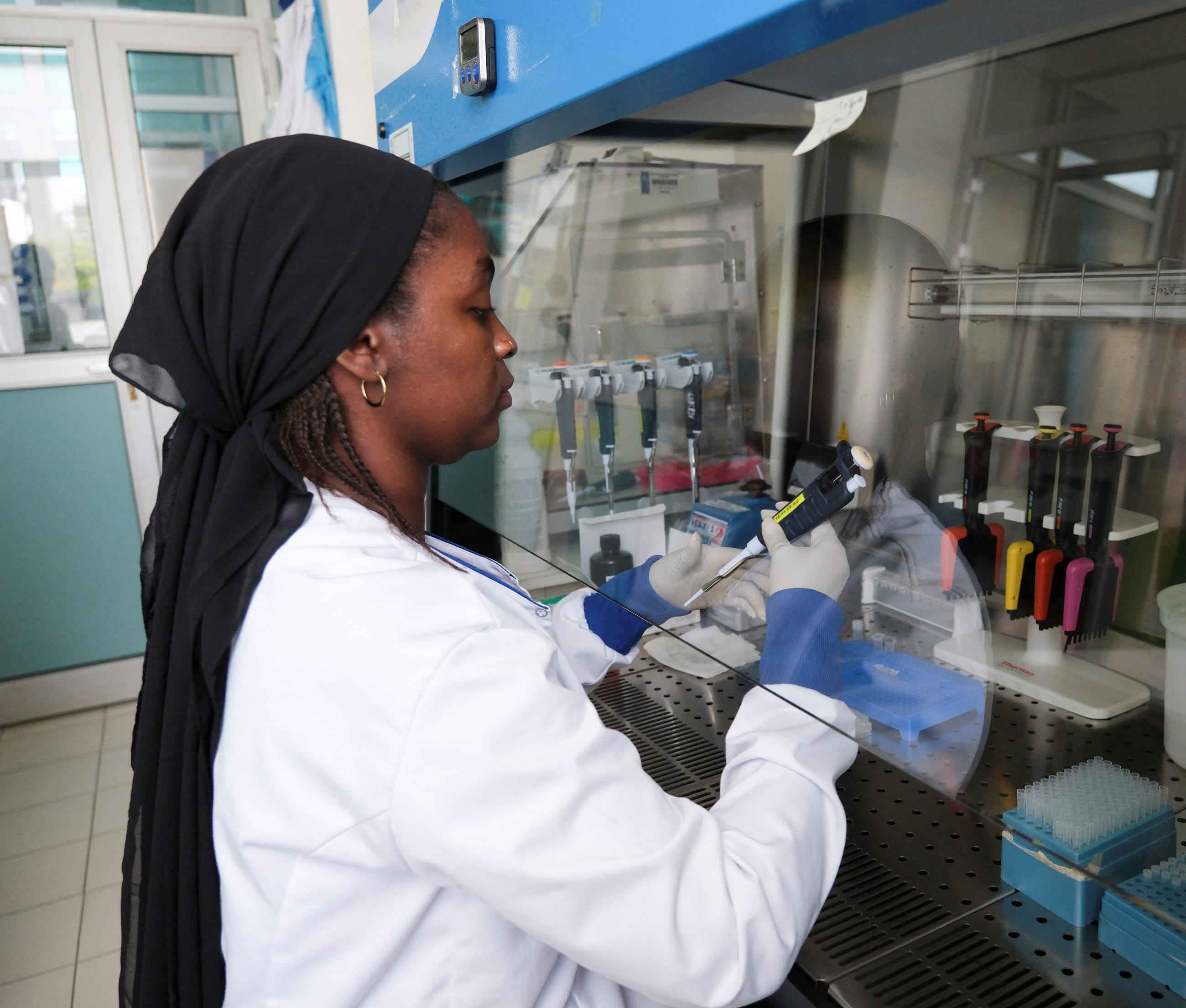
IPD also played a central role in transforming genomic sequencing from an emergency research capacity into an actionable public health surveillance function. Not only did IPD manage SARS-CoV-2 sequencing; it also helped strengthen sequencing capacity beyond Senegal by providing multiple African countries with data analyses, technical assistance, training, and creating a regional knowledge exchange.
IPD was able to facilitate this transformation through a diversified sequencing ecosystem. Rather than relying on a single platform, IPD developed a complementary architecture capable of matching sequencing workflows to different public health needs, from national surveillance and outbreak response to field deployment, metagenomic detection, whole-genome sequencing, bioinformatics, and regional technical assistance.
Using this example, expanding pathogen genomic surveillance infrastructure to support human genomics has several benefits that can cut across sectors. For example, the expansion can strengthen political commitment to sustaining genomic capacity, as senior government leaders and elected representatives can view health innovations for diseases, such as cancer, as opportunities to demonstrate tangible benefits to their populations. This possibility can increase interest in maintaining and investing in genomic infrastructure.
At an economic level, integrating human genomics increases the use of expendable supplies and reagents for sequencing machines. This demand can make smaller country markets more commercially attractive to suppliers, encouraging more consistent supply chains. Maintenance, repair, and operations services for genomics equipment may also become more responsive as sequencing companies find a more compelling reason to engage and further serve these markets.
How to Extend Pathogen Sequencing Capacity to Cancer Genomics
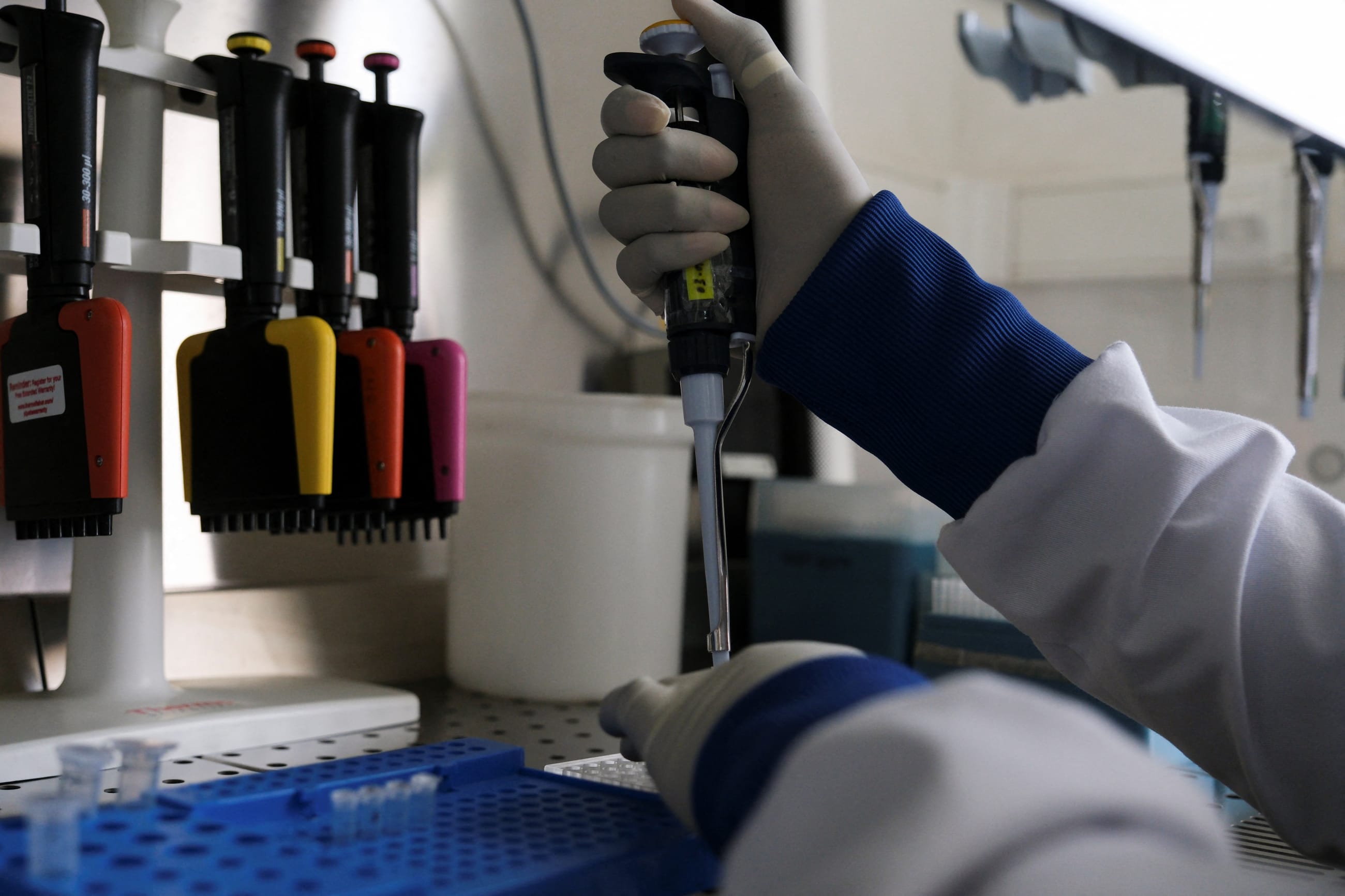
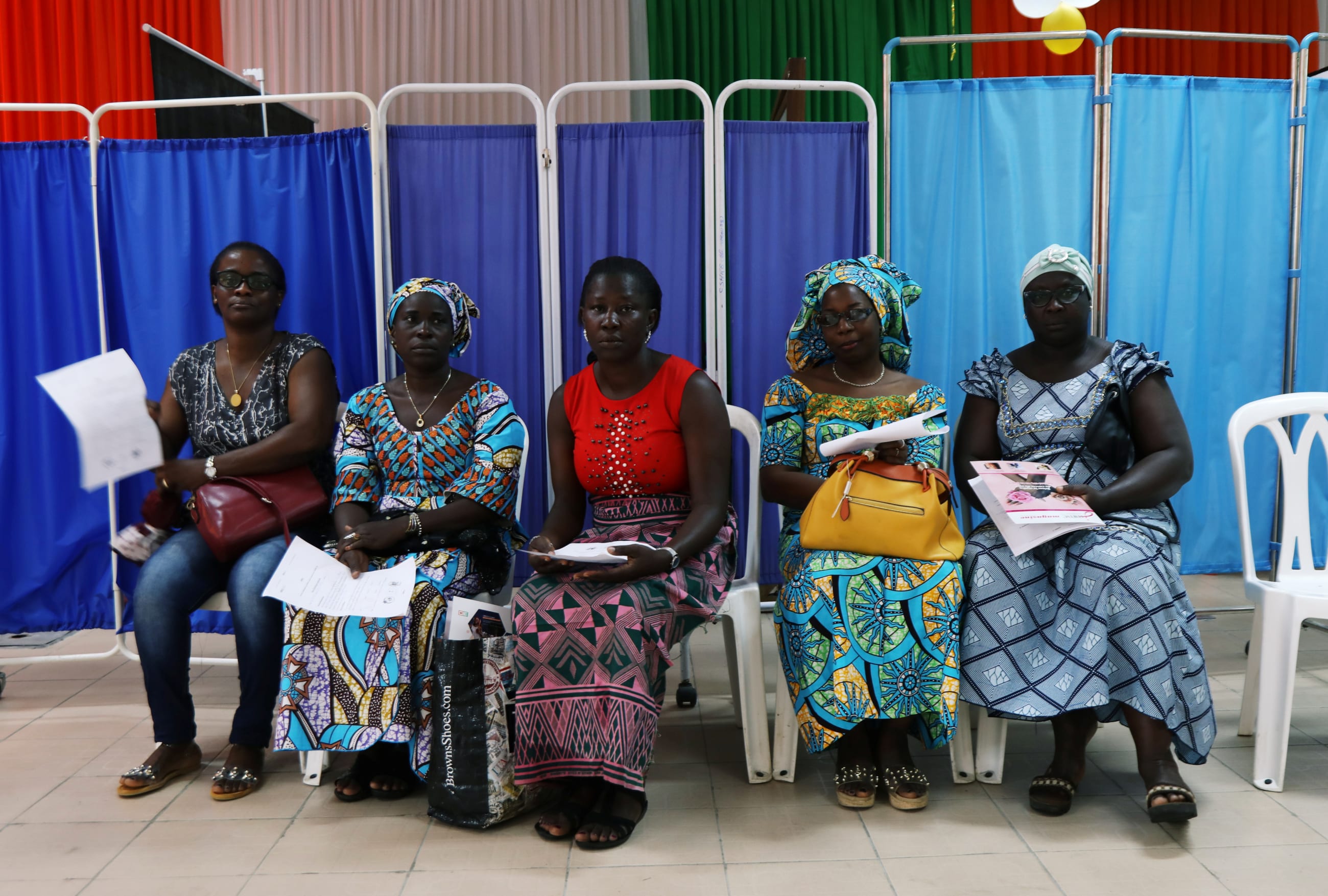
Building on the infrastructure established during the pandemic, IPD has initiated a pilot program focused on whole-genome sequencing of women with early-onset breast cancer in Senegal. IPD chose breast cancer as an initial focus because it is common, clinically actionable, and characterized by differences in age of onset and mortality between African and European populations. Although national data is not complete, breast cancer kills nearly half [PDF] of women diagnosed in Senegal normalized to its incidence, a much higher rate than in high-income countries, reflecting late presentation, limited diagnostic capacity, and restricted access to targeted therapies.
By integrating human whole-genome sequencing into existing laboratory infrastructure, IPD's program seeks to address an urgent clinical need in cancer genomics, discover new potential genetic variants that may be specific to sub-Saharan African populations, and generate foundational genomic data of natural variability.
Achieving this will require targeted investment in five areas: workforce development, a unified sequencing platform, data storage capacity, international collaborations, and focused pilot projects to get things off the ground.
- Developing workforce
Workforce capacity remains the most significant bottleneck in scaling human genomic medicine. Many countries in sub-Saharan Africa lack trained clinical geneticists, genetic counselors, or specialized human-genetic laboratory scientists. However, there are many notable, highly skilled pathogen-genomic laboratory scientists and bioinformaticians whose expertise is transferable with appropriate training and mentorship.
To achieve this, governments should invest in trainings, such as enrollment in master's programs, structured placements in established genomic-medicine centers, and in-country training pathways for clinical genetics. Partnerships with academic institutions and regional hubs can accelerate capacity-building while ensuring long-term sustainability and local leadership.
2. Building from a single whole-genome platform
Pathogen and human-genome sequencing differ substantially in scale and analytical complexity. Viral genomes are orders of magnitude smaller than the human genome and require different sequencing depth, storage capacity, and interpretive frameworks.
To reduce complexity and future-proof infrastructure, IPD has adopted a unified whole-genome sequencing platform. Using a single platform can consolidate technical expertise, streamline quality-control processes, harmonize analytical pipelines, and retain flexibility to support both pathogen and human genomics. This approach reduces fragmentation and allows incremental scaling without duplicating infrastructure.
Some groups of conditions, including hereditary cancer predisposition, are usually detected on whole exome sequencing, sequencing focused only on the coding part of the genome. However, WGS still leads to increases in disease detection. Many of the comparisons between whole exome sequencing and WGS have been performed in white European populations, meaning any conclusion drawn about African populations would lack sufficient evidence. Focusing on a WGS approach enables scientists to understand novel genetic variants as they relate to genomes sequenced from West Africa.
3. Managing data and sample storage requires early planning
As sequencing costs have fallen, other components such as data analysis, variant interpretation, sample storage, clinical integration, secure data storage, and governance have relatively stable costs and constitute an ever-increasing proportion of total program expenditure. Human genomic data requires substantial storage and computational capacity, particularly when using WGS, alongside ethical and regulatory considerations related to data sovereignty.
This security could be achieved through early investment in bioinformatics pipelines, secure cloud or hybrid storage solutions, and multidisciplinary clinical laboratory interfaces. Changing cloud storage to store human-sequencing data requires minimal adaption, aside from increases in fundamental capacity. By building these systems in parallel with sequencing ability, programs can avoid creating analytical bottlenecks that undermine clinical impact.
IPD, and similar institutions, has well-established biobanks for long-term sample storage, which can be developed for routine storage of patient-derived DNA.
4. Accelerating progress through equitable international collaboration
International partnerships are critical in accelerating knowledge transfer and avoiding duplication of effort. Institutions that have established genomic medicine services can provide technical mentorship, training exchanges, and shared learning on governance frameworks and clinical implementation.
However, collaborations should prioritize equity, local leadership, and data sovereignty. Although it is often easier to ship samples for sequencing and analysis, sustainable progress depends on building in-country capability as well as local trust. Partnership should focus on facilitation of growth through training and mentorship and avoid tempting shortcuts to quick results.
5. Bootstrapping through focused pilot projects
Scaling genomic medicine nationally is complex and resource-intensive. Experience at IPD suggests that focused pilot projects addressing high-impact clinical questions provide a pragmatic pathway forward. By concentrating on clearly defined conditions, in our case early-onset breast cancer, programs can build infrastructure incrementally and demonstrate clinical utility to attract further investment. UK-based approaches grew over the course of decades, from the Human Genome Project, to the 1,000 Genomes Project, to the 100,000 Genomes Project.
The lessons from these projects can accelerate development, but leaders should prioritize sustainable growth over rapid deployment that lacks the foundations for lasting development.