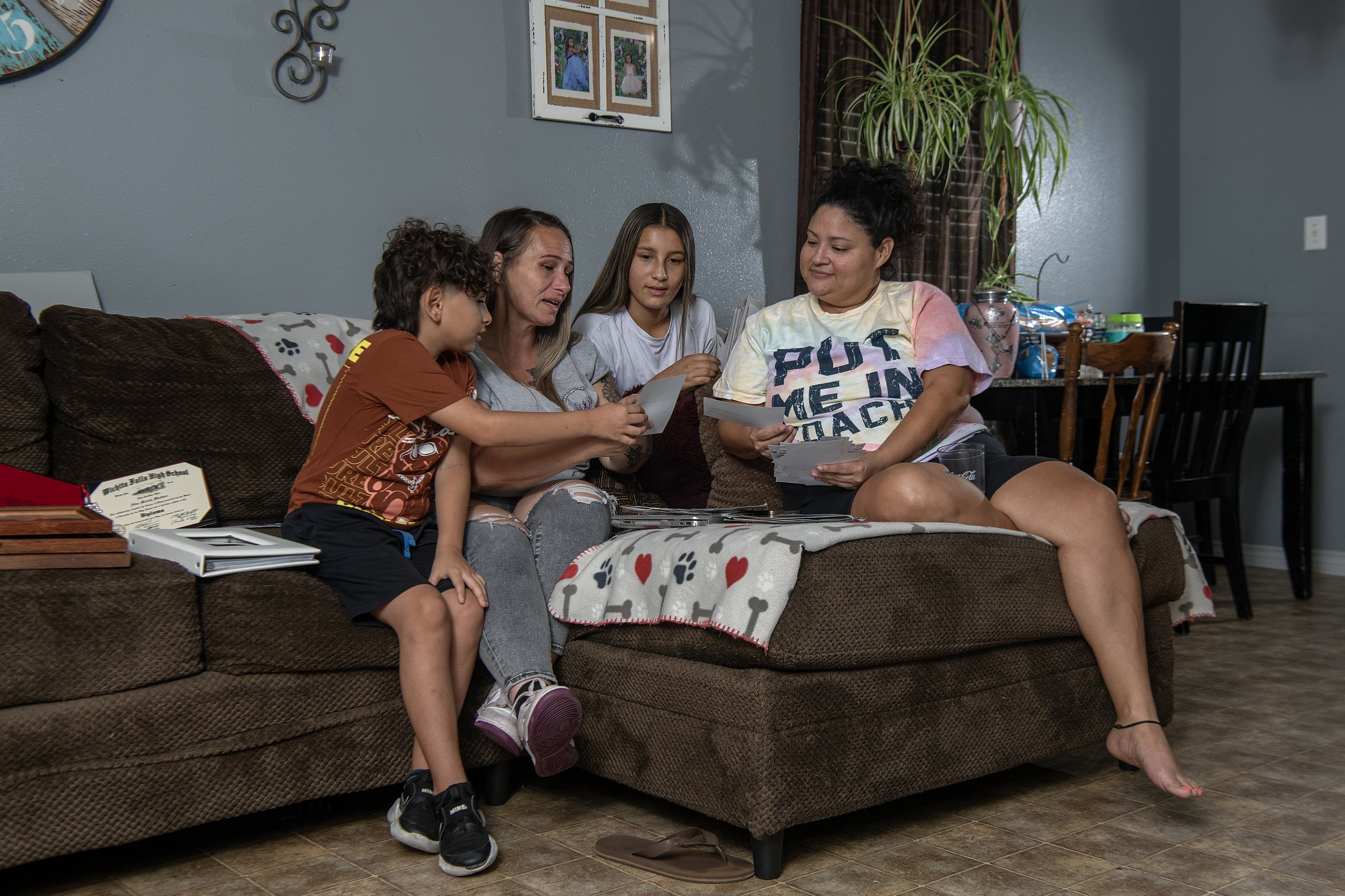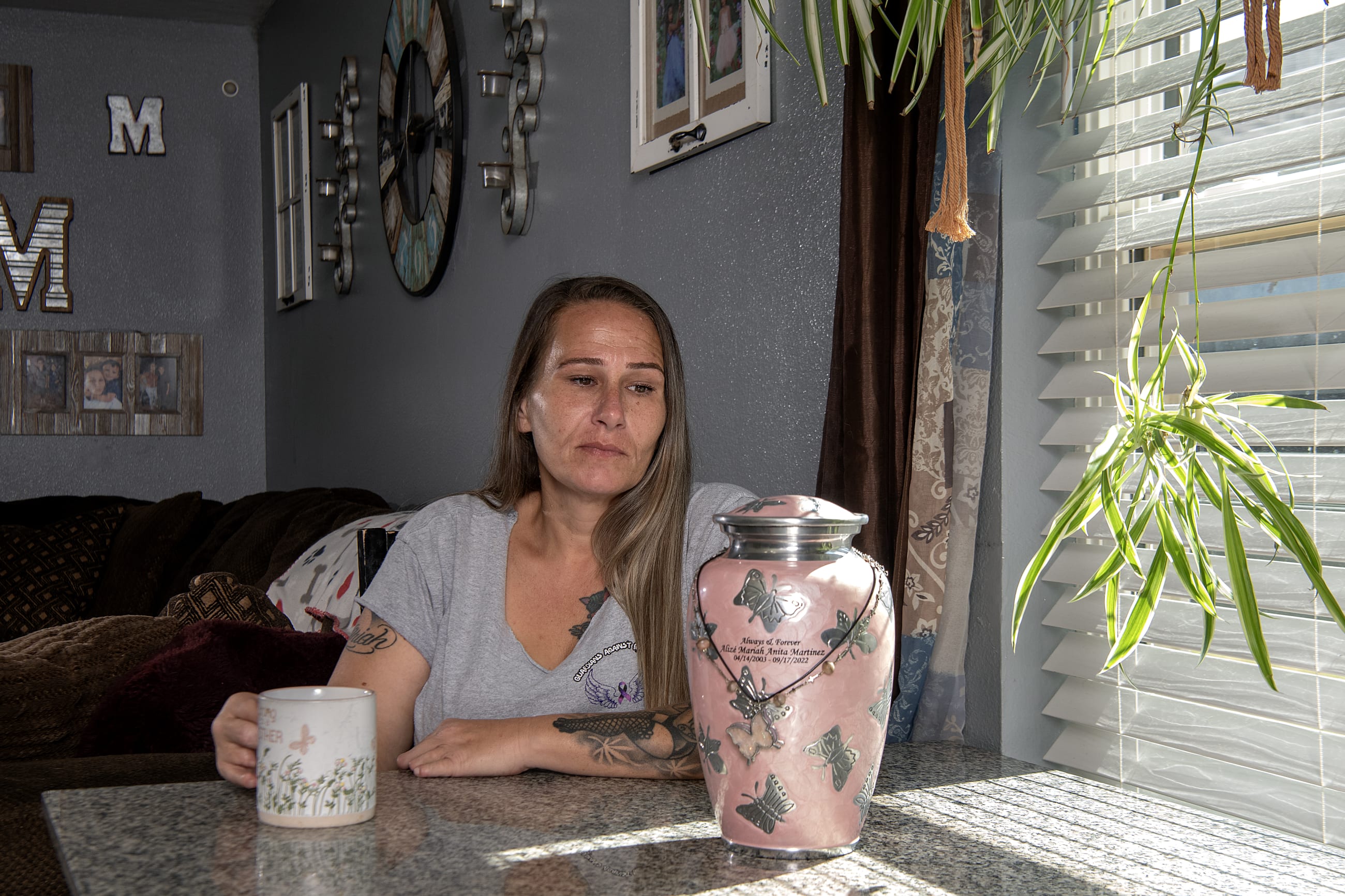
Four months before her daughter's death, in September 2022, Silvia Martinez was searching for anything that could help the 19-year-old stop taking opioids.
Rehab was too expensive, so she improvised. She ordered vitamins after reading online that they eased the detox process. When that failed, Martinez drove with her daughter, Alizé, from Wichita Falls, Texas, to Pueblo West, Colorado, hoping that enough time in a new environment could help her stay sober. Once there, she purchased kratom, an herbal treatment she'd heard could relieve withdrawal. "She was having to take six pills in two different settings, and it was a lot for her," Martinez said. "So that didn't work."
Approved medications for opioid addiction exist. One effective option, known as an agonist, activates the same brain receptors that heroin and morphine do. That function helps prevent cravings and withdrawal symptoms, affording those prescribed a better chance to stop misusing opioids, said Brendan Saloner, a professor of addiction medicine at Brown University. It also lowers their risk of overdose, he added—by as much as half, some data indicates. "We have ample research going back decades that shows that, when patients have this disorder, when they're on medicine, they tend to do better," Saloner said.
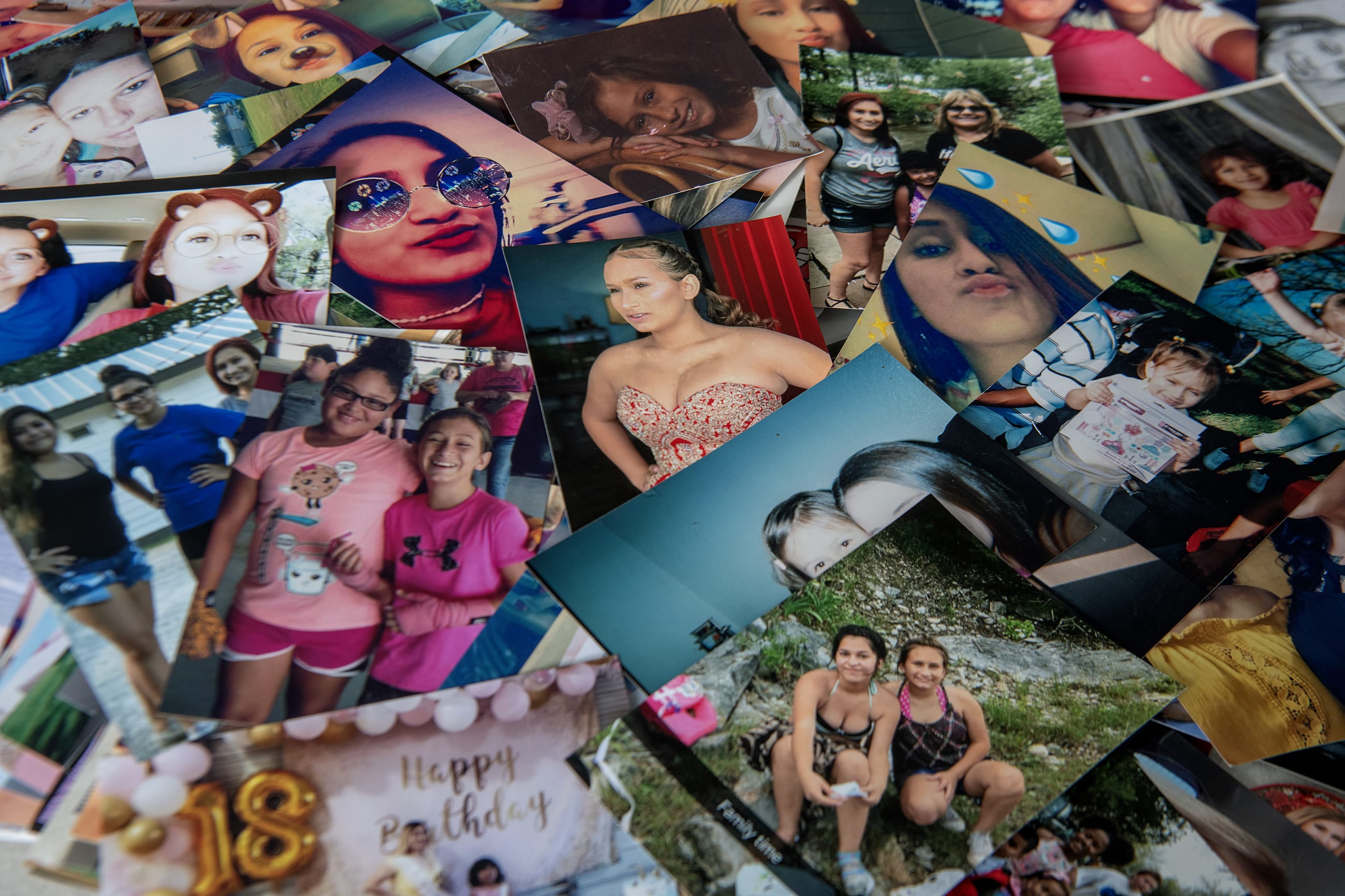
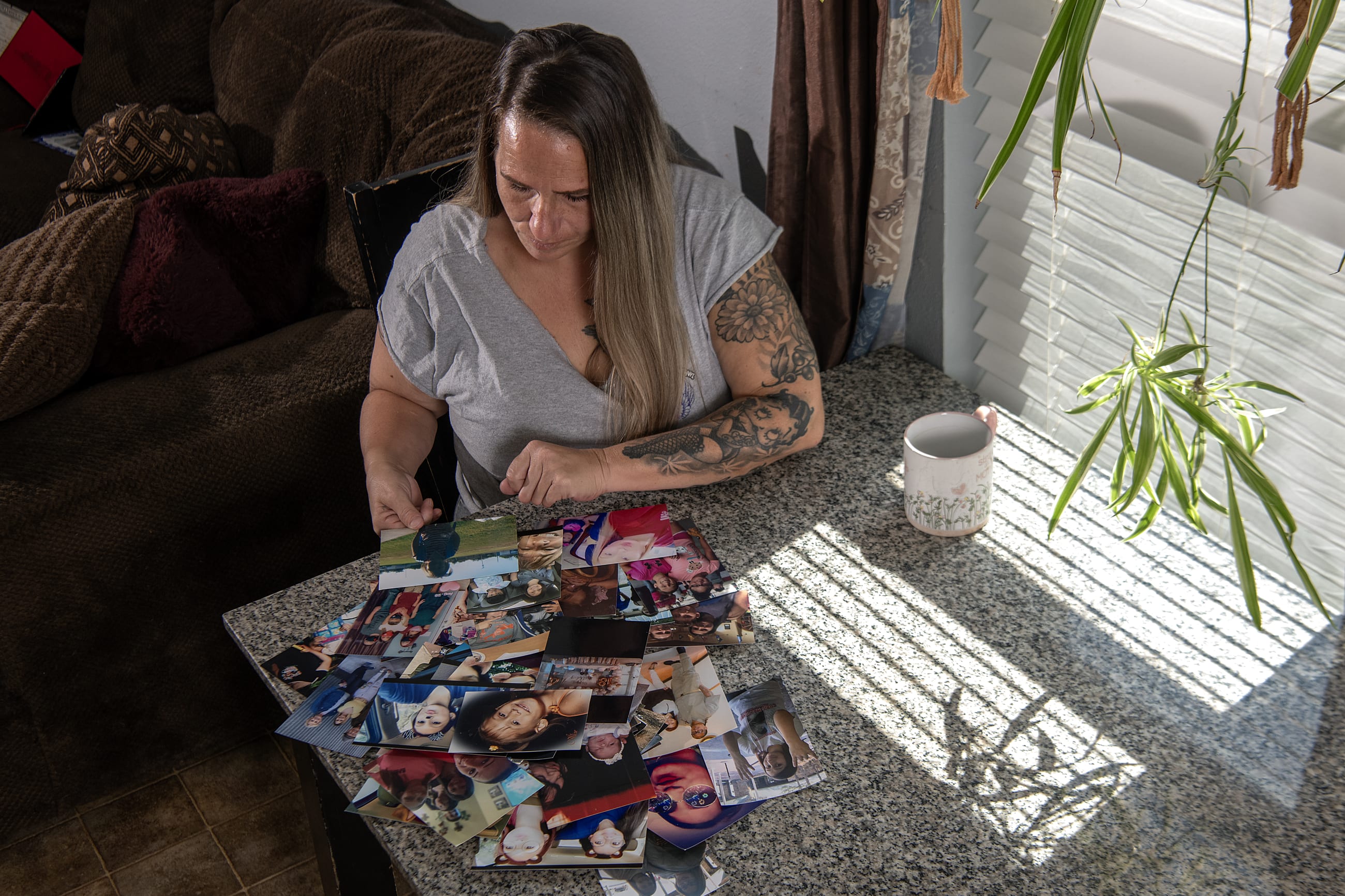
Martinez didn't know opioid agonists existed in 2022. No one told her. When she sought Alizé's long-term pediatrician, thinking some treatment surely should exist, he didn't offer this type of medication. But he could have. Buprenorphine, a partial agonist, is an effective medication that—unlike the stronger, more restricted methadone—can be prescribed by any doctor or nurse practitioner and supplied by a pharmacy. For years, this medication has been recommended as a safe and effective treatment for patients as young as 16 [PDF]. When teenagers and emerging adults take this daily pill, their likelihood of opioid misuse and fatally overdosing drops, studies show. Yet the only medicine offered to Alizé by her pediatrician, who ignored multiple requests for comment, was something intended for nerve pain, Martinez said.
Despite buprenorphine's availability in the United States, doctors are not prescribing it to young people. Around 544,000 people younger than 26 have been clinically diagnosed with opioid use disorder, according to the latest government statistics. But only a fraction are accessing the medication.
Barrier Upon Barrier to Access
Buprenorphine has always been underprescribed, Saloner explained, especially for young people. But data suggests that the number of prescriptions for people younger than 26 has shrunk in the last decade but increased for anyone older than 34 [PDF]. Fewer than 39,000 patients ranging from mid-teens to early adulthood filled buprenorphine prescriptions in 2023—roughly 3,000 fewer than in 2017. Over the same period, fatal overdoses among young people grew by a quarter, peaking during the COVID-19 pandemic, accounting for 1 in 18 of the country's opioid deaths that year.
Fewer than 39,000 patients ranging from mid-teens to early adulthood filled buprenorphine prescriptions in 2023
Overdoses and opioid use disorder rates among young people have since receded. However, exactly what's behind this longer-term decline in buprenorphine prescriptions isn't clear, Saloner said. There's no standardized way this disorder and its treatments are tracked. "I think it's hard, because we don't always have a good denominator to study these questions."
There are theories, however. Marc Fishman [PDF], an addiction psychiatrist and medical director of Maryland Treatment Centers, which operates youth addiction services across the state, argued that the decrease in prescriptions is likely a symptom of continuing systemic barriers specific to young people. Insurance coverage, out-of-pocket costs, and access to transport have been shown to impede access. Another obstacle is a dearth of providers.
As few as 5% of the country's addiction medicine physicians—of which certification numbers suggest [PDF] are around 4,800—work with adolescents, Fishman estimates. "There just aren't enough providers who feel comfortable working with this population," he said. Facilities dedicated to teenagers are also few and far between—most of which don't provide buprenorphine, research suggests. Compounding those factors are doctors and other primary care workers electing to not offer the drug. In 2023, a little more than 53,000 of these providers consistently prescribed the medication, or around 1 in every 14 of the total workforce [PDF] authorized to do so. Among pediatricians, it's suggested around 1 in 16 have recommended buprenorphine at least once in their career. "There aren't as many specialists," Fishman said. "There aren't as many people going to do this work."
Although buprenorphine has a low risk of harm, some health workers worry it might do just that, Fishman said. Others may have misunderstandings about its effectiveness. One survey of 403 primary care providers in Ohio found that around half didn't know how treatments like buprenorphine worked.
Berkeley Franz, a professor of community-based health at Ohio University in Athens who led this survey, said reluctance likely comes down to knowledge. Research suggests physicians as well as pediatricians are often unfamiliar with addiction medicine, and some are, as a consequence, uncomfortable prescribing certain treatments. The same providers Franz surveyed recalled that, during their education, less than one day was dedicated to substance use disorders.
"I think there just is a lot of bad information about buprenorphine out there," Franz said, adding that any hesitancy to prescribe opioids has only intensified since the overdose crisis. "If they're not going to do it for full-grown adults, they're going to be even less willing to do it for people they perceive to be not fully grown."
Sivabalaji Kaliamurthy, the medical director of the Children's National Hospital's addictions program, in Washington, DC, said most of his patients have never heard of buprenorphine. Of the few that had, the discussion with their doctor was, for some, negative. "A small minority have had stigmatizing conversations about these medications with their other providers," he said.
An Inherent Stigma
Attitudes toward people using drugs and addiction treatments have long been reasons why health workers avoid this field of medicine. Benedict Malinao, a family nurse practitioner in California, doesn't serve patients with opioid addiction at his small primary care clinic, despite previously doing so in Minnesota. The decision stems from safety concerns over these would-be clients, who Malinao said appear to be homeless and potentially dangerous, as well as the potential fatigue associated with delivery of such care. In his experience, buprenorphine and methadone programs require up to five years of consistent monitoring of patients. "It's draining," Malinao said. "I would say there's unfortunately not enough incentive to take on that risk, and the potential hard work involved with this."
This potential length of treatment, which can be indefinite, can also be a deterrent for prospective patients. Joshua Aleksanyan, a sociologist and postdoctoral fellow with New York University's Health Evaluation and Analytics Lab, said that some young people don't want their entire lives to be intertwined with something like buprenorphine. "It's not, in fact, appealing to look at substance use disorder as something that has no cure," Aleksanyan said, who has researched the perceptions young people have toward these medications.
Dan Hogan-Rigg, a clinical social worker in Massachusetts, who until late 2025 worked in public drug treatment, also suspects that younger generations are less interested in this form of care. When Hogan-Rigg began his public treatment career in 2012, around a third of his buprenorphine-prescribed clients, around 60 a year, were in their twenties and late teens. By the end, his annual case load averaged had dwindled, in part because of telehealth, to roughly 10; four, at most, were young people. "I do wonder if some kids, growing up, being aware of buprenorphine—maybe there's some inherent stigma to it," he said.
Others disagree. Peter, a 33-year-old in California's Bay Area who was recently opioid-dependent, said that patients around his age he knows are supportive of buprenorphine. "They'd just be like, 'Yeah my doctor put me Suboxone. It's been really helpful! One year sober as of next week!,'" Peter said; he did not provide his last name out of concerns about being publicly identified as someone who uses drugs.
The New Opioid Landscape
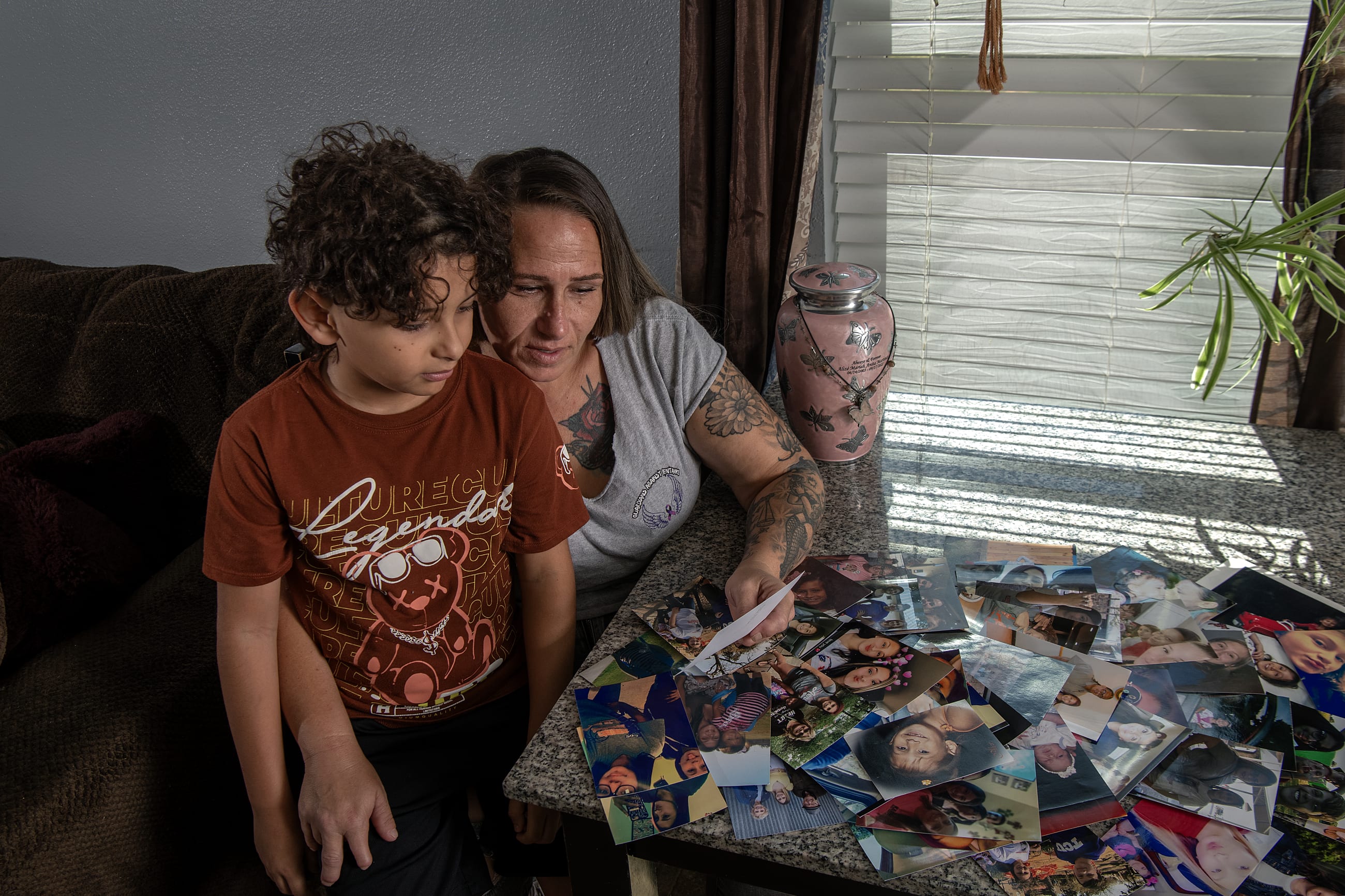
This prescription decline could also be related to a separate issue: the emergence of entirely synthetic, more potent opioids such as fentanyl and nitazenes. Sharon Levy, an addiction medicine specialist and pediatrician at Harvard Medical School, said this new landscape means that young people are developing opioid dependence after sporadic, or even accidental, use. Six months before her death, Alizé had begun taking the pain medication Percocet, first offered to her by friends, Silvia Martinez recollected. She believes the pills were actually counterfeit, secretly containing fentanyl.
These variants are also complicating treatment, Levy said. Twenty-five years ago, young patients always presented the same signs of opioid use disorder. "The diagnosis was really, really easy." Now, patients are often exhibiting just a handful of these typical symptoms. "There is a lot of complexity," Levy said. "I don't think we have a lot of young people walking into the pediatrician's office with the classic picture of opioid use disorder."
It's likely, according to Levy, that these new opioids—combined with young people not being forthright about their drug use and outdated diagnostics—mean that more cases are now going under the radar. "I think, largely, they're just being missed."
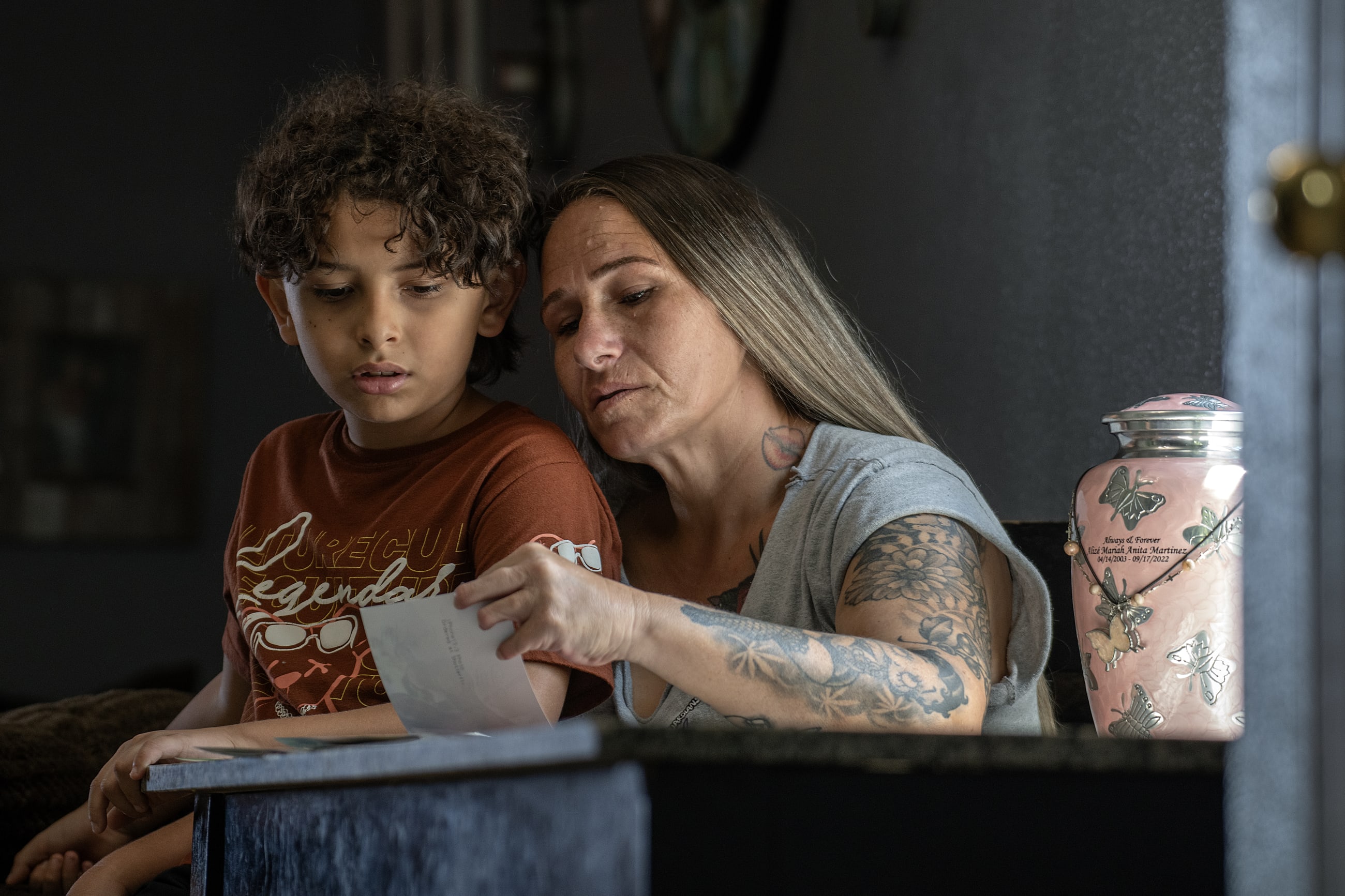
Looking back, Silvia isn't sure why Alizé, weeks away from graduating from cosmetology school, wasn't prescribed something like buprenorphine. But she wonders whether, maybe, her daughter just didn't seem like she needed it.
"I think when Alizé was in that addictive state, nobody realized how bad it was," she said, "except for me."