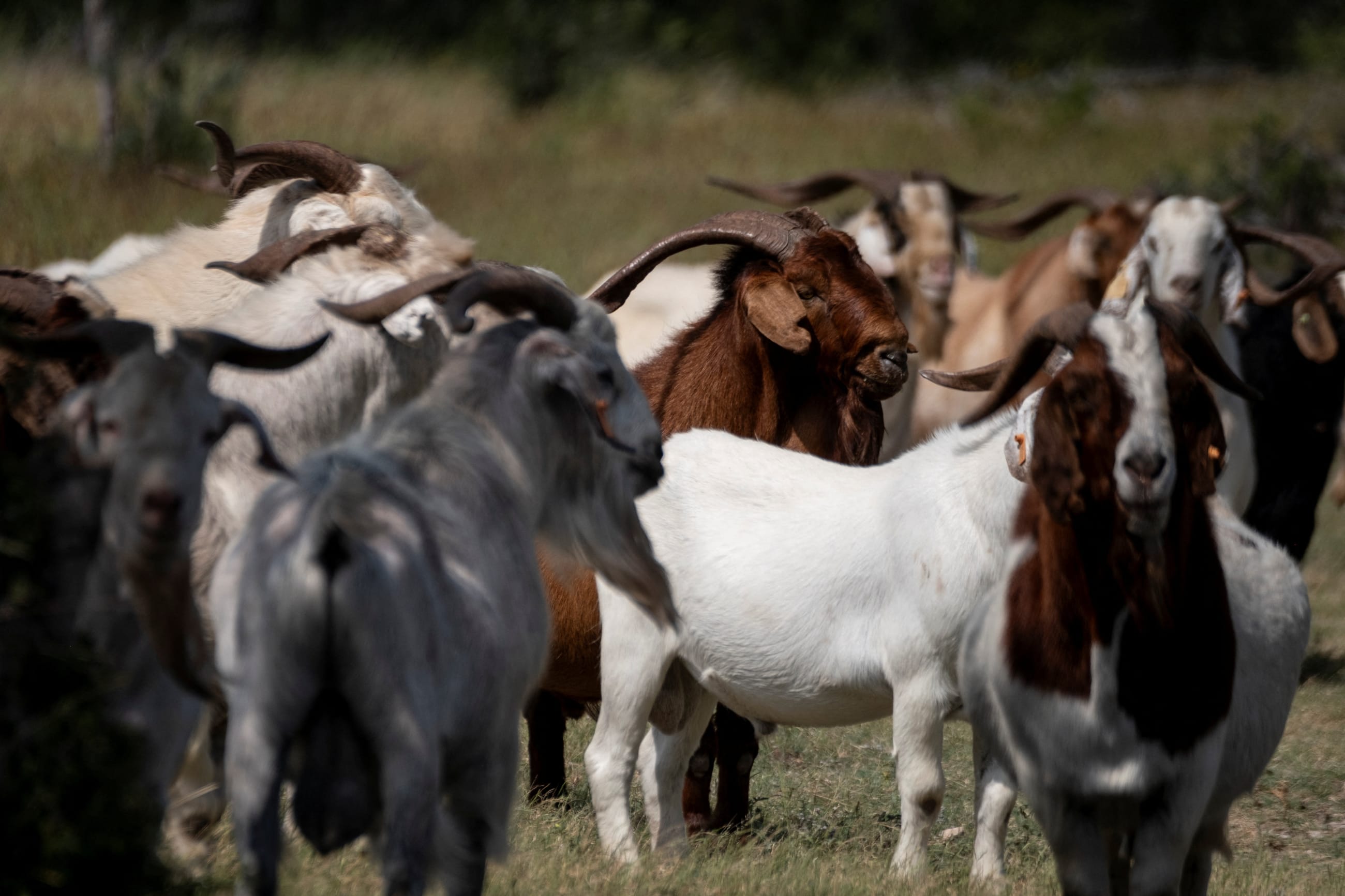
The discovery that New World screwworm has reemerged in the United States has sent government officials into a frenzy, fearful that the flesh-eating parasite could ravage the domestic livestock industry. As of July 2, 31 cases in animals have been reported.
Screwworm's spread, facilitated by the movement of cattle across the southern border, prompted the Trump administration last year to police livestock imports. The administration has also imposed restrictions on people traveling from abroad to prevent importation of other infectious threats. Despite these actions aimed at protecting the homeland, it has left another cross-border disease threat untouched: the wildlife trade. This industry—which exists largely to supply exotic pets—poses a clear and present danger to human health. Each year, it brings tens of millions of live animals straight from the wild into the United States, creating the exact conditions needed for pathogens to spill over from animals to humans. This is one open-border policy that simply cannot continue.
Infectious diseases are increasingly emerging around the world, and the majority are caused by pathogens that are zoonotic, or shared between humans and animals. Most pandemics since 1918 arose from such zoonotic pathogens, including influenza and HIV. Researchers estimate that there are thousands of other yet-to-be-discovered viruses currently circulating in wild birds and mammals that could one day also make the leap into humans. Although policy cannot prevent every spillover, it can certainly reduce their likelihood.
The Global Wildlife Trade
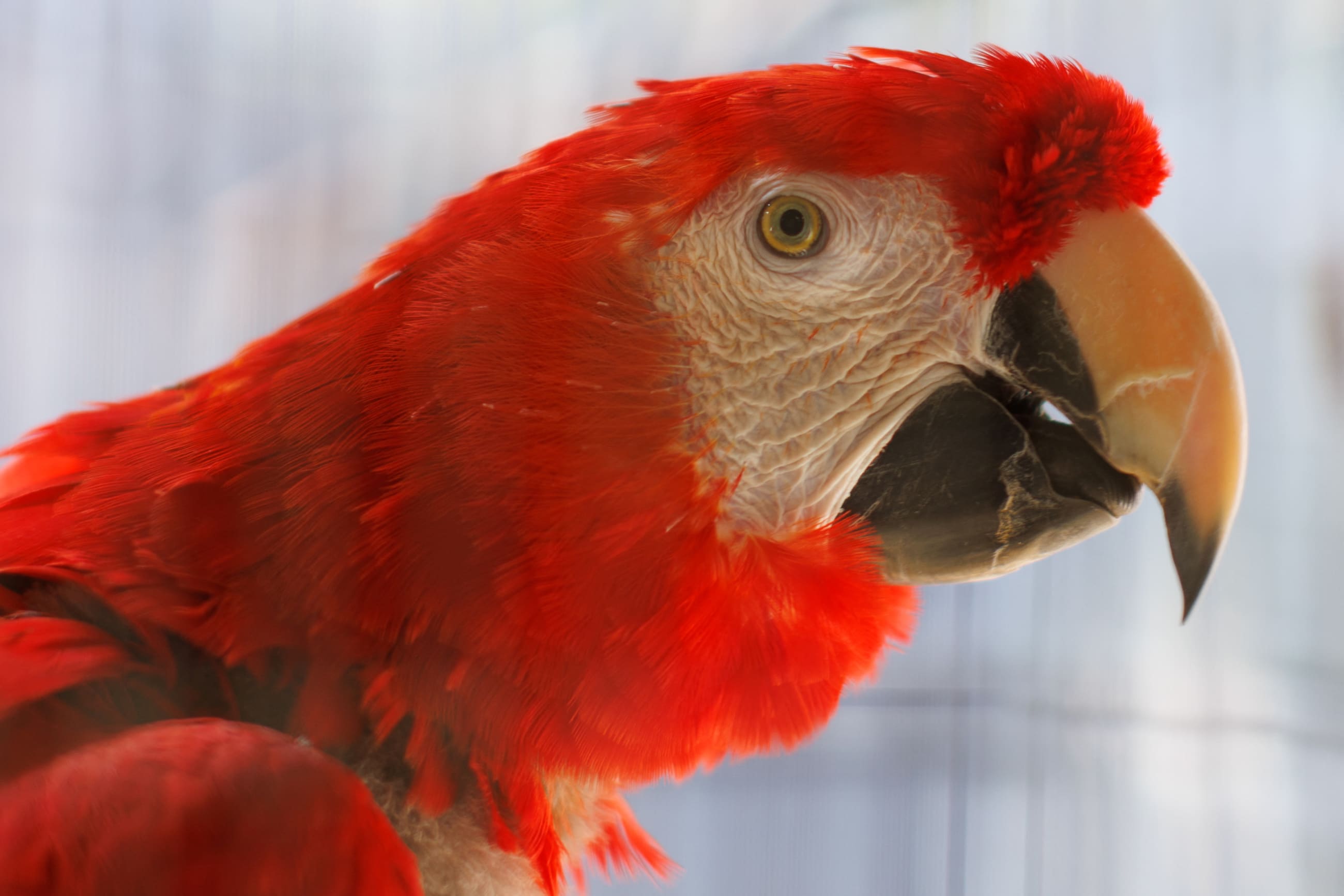
The global wildlife trade is enormous, and the United States is one of the world's largest purchasers of these animals. Over the past two decades, nearly three billion animals representing more than 20,000 species were legally imported into the country. Of all animals in the business, birds and mammals pose the highest risk of harboring pathogens that could spill over. Furthermore, mammals involved in wildlife trade are 50% more likely to share pathogens with humans than those that aren't. Stressful conditions common in the trade—including malnutrition, poor hygiene, overcrowding, and unnatural mixing of species—create an ideal environment for zoonotic threats to emerge.
Mammals involved in wildlife trade are 50% more likely to share pathogens with humans than those that aren't
Although parts of the wildlife trade are legal, that does not mean the industry is safe. Animals within a lawful pipeline are rarely screened for disease; in many instances, exporters and importers can simply attest to their animals' health. Even if screenings were done consistently, the chances of identifying infected animals are low: an animal may not show signs of illness at the precise moment when the screening was done. Furthermore, routine lab testing wouldn't find pathogens unknown to science.
This regulatory vacuum has consequences. In 2003, for example, more than 70 cases of a mysterious smallpox-like illness appeared in the Midwest. Health officials, still rattled by recent anthrax scares, feared bioterrorism. The true cause was super-sized rodents. An exotic-pet importer in Texas procured rats and other critters from Ghana, some of which harbored the virus that causes mpox. When these animals were housed alongside captive prairie dogs, the virus jumped to a new species, and then to humans across six states.
The U.S. government responded by banning the importing of African rodents, but little else has changed over the past two decades. This is fundamentally a bureaucratic failure, with oversight responsibility for zoonotic risk fragmented [PDF] across the federal government. The U.S. Department of Agriculture (USDA) monitors threats to livestock and crops. The Fish and Wildlife Service is concerned with issues around environmental conservation. The Centers for Disease Control and Prevention (CDC) has authority over infectious threats to human health. Customs officials enforce whatever rules those other entities create. Meanwhile, the White House's Office of Pandemic Preparedness and Response Policy has been hollowed out, including its staff and leadership, though the White House now seems to be reversing course. All this means that there is no single federal entity that has the resources or mandate to lead on the cross-sectoral issue of wildlife trade and proactively address its inherent risks. The lack of coordination shows.
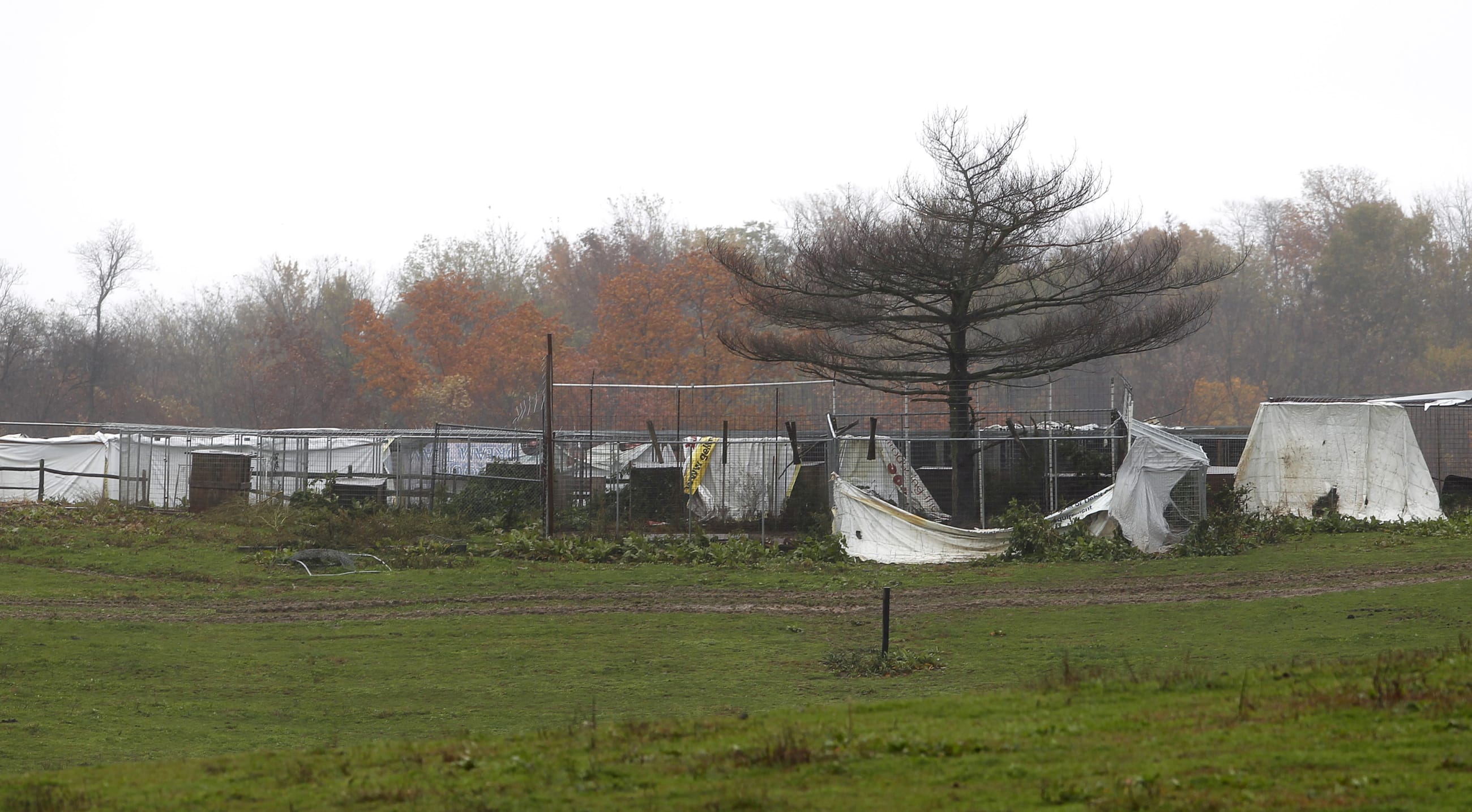
Earlier this year, it was reported that sloths died by the dozens at a roadside attraction in Florida. Necropsies revealed that these unfortunate animals were teeming with pathogens, including a newly identified gammaherpesvirus. When reporters asked officials who was ultimately responsible for addressing zoonotic disease risks in imported wildlife, every relevant agency passed the buck. CDC deferred to Fish and Wildlife, which in turn referred comment back to CDC, USDA, and various state agencies. State officials in Florida all pointed to each other.
Preventing Zoonotic Transmission Long-term
The federal government has taken action in recent years to mitigate risks associated with gain-of-function research that can make pathogens more dangerous or transmissible. However, it has ignored the wildlife trade, which essentially creates dangerous gain-of-function experiments in living rooms and businesses across the country. The United States desperately needs new policy to fix this, which can be done without relying on Congress. Under Title 42 of the U.S. Code, federal health officials have broad power to "prevent the introduction, transmission, or spread of communicable diseases from foreign countries." The CDC also has clear authority to regulate the importation of animals into the country to prevent the spread of diseases.
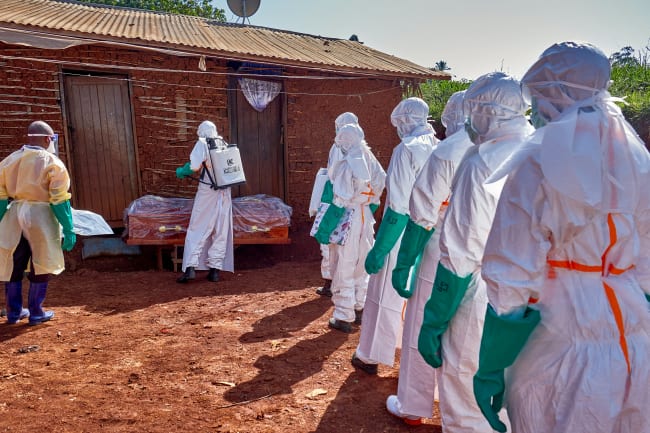
If American officials are willing to invoke such sweeping powers to limit entry of asylum seekers and even U.S. citizens fighting Ebola overseas, they should be equally willing to use them to slow the flow of wild animals across the border that could be carrying dangerous pathogens. Much of the wildlife trade into the United States carries inherent societal risk with little benefit for the public: it is done largely to meet luxury-oriented, status-driven demand, not for any essential need.
The U.S. government, however, can use its existing authority to protect the public's health. The current approach in which restrictions on wildlife importations are only implemented after health incidents have occurred is a dangerous game of pandemic roulette played with American lives. The opposite is needed. An interagency team across the government should develop a discrete list of species, based on a close review of scientific evidence, for which trade would be allowed. Only species that pose minimal risk of harboring pathogens would be included. Every species not listed would be barred from entry except under limited circumstances.
Otherwise, the U.S. population will keep paying the price, not just those involved in the gamble.
EDITOR'S NOTE: The article was lightly updated for clarity.