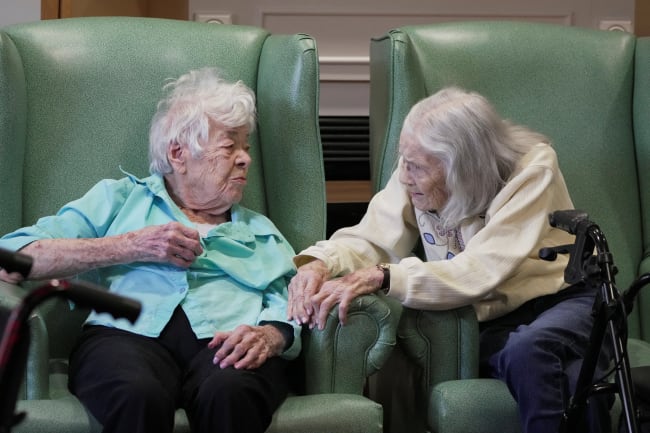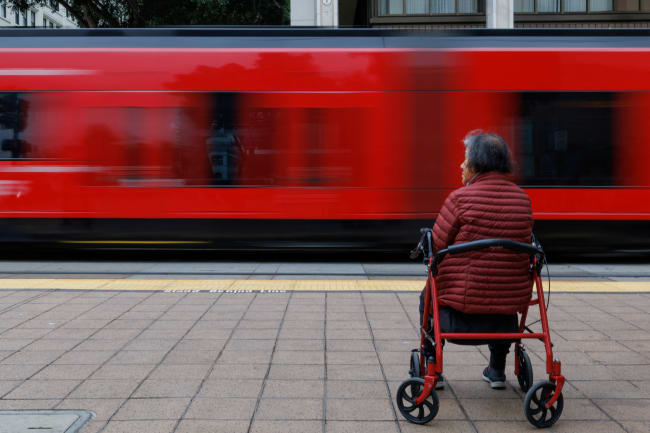
Africa is confronting a growing rate of dementia in its aging populations, and dementia prevalence estimates range from 2.3% to 20% across the continent. The true burden is obscured by profound diagnostic gaps, inadequate surveillance systems, and Africa's near-total absence of dementia-care infrastructure.
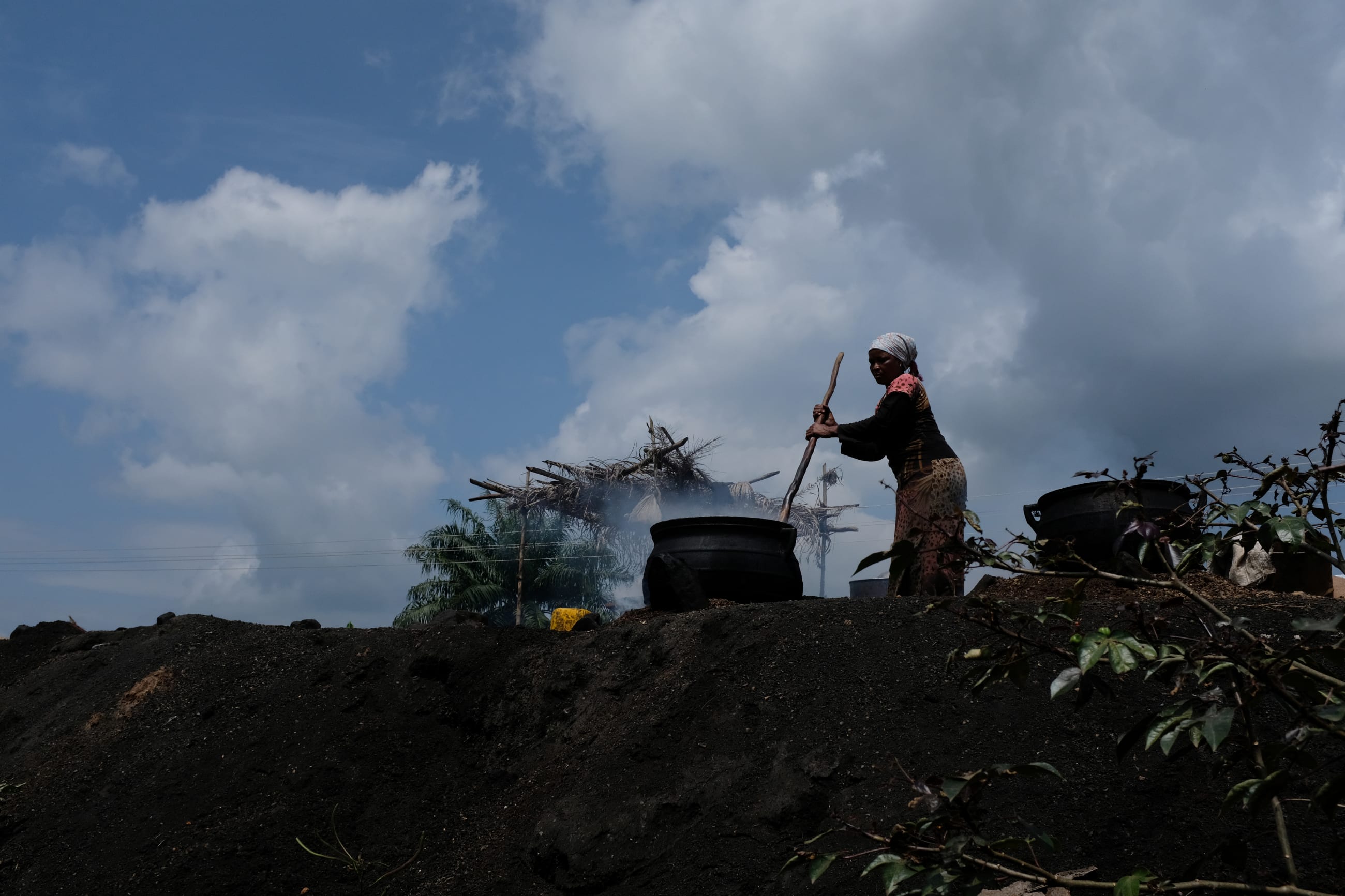
A systematic review published last year by researchers at Ghana's University of Cape Coast identified air pollution and temperature as significant risk factors for dementia in sub-Saharan African adults, although these threats remain largely unaddressed in national health strategies. In Ghana, a West African nation of about 33 million people, roughly three-quarters of households still rely on solid biomass fuels for cooking, exposing millions, especially women, to daily neurotoxic smoke and household air pollution. Urban centers like Accra and Kumasi choke on traffic emissions from poorly maintained vehicles burning low-quality fuel. Rising temperatures from climate change compound these exposures, creating acute and chronic threats to brain health.
Environmental health and cognitive health are treated as separate domains, and there is little recognition of their interconnection
The invisibility of dementia extends to policy: Ghana's health system, already strained by infectious diseases and maternal health challenges, has limited capacity for dementia care or prevention, even as the country's over-60 age group is expected to increase from 6.7% of the population in 2010 to 9.8% by 2050. Environmental health and cognitive health are treated as separate domains, and there is little recognition of their interconnection. Unlike strokes or heart attacks, which announce themselves dramatically, the cognitive damage from decades of smoke exposure, traffic pollution, and heat stress accumulates silently. By the time families notice memory problems, substantial brain damage has already occurred.
African populations face a distinctive risk profile for Alzheimer's characterized by harmful environmental exposures including air pollution and heavy metals. Given Africa's aging population and environmental risk factors remaining largely unaddressed, the continent faces a dementia epidemic for which it is unprepared.
The Neurotoxic Burden of Household Air Pollution
Air pollution contributes to about one-fifth of the global dementia burden, and particularly severe impacts are found in low- and middle-income countries where exposures are highest and health systems are weakest. For Ghana, this means that thousands of dementia cases could be avoided with interventions to improve air quality.
The smoke that fills Ghana's kitchens is a potent neurotoxin. Biomass combustion generates fine particulate matter (PM2.5) at concentrations routinely exceeding 200 μg/m³ in poorly ventilated cooking spaces, more than 40 times the World Health Organization's air quality guideline. These ultrafine particles are small enough to cross the blood-brain barrier, where they trigger cascading neurological damage.
Long-term exposure to PM2.5 increases dementia risk by 40%, with even higher risks for vascular dementia, a doubling of risk for every 10 μg/m³ increase in exposure. Research including Ghana and other low- and middle-income countries found significant associations between cooking-fuel smoke exposure and mild cognitive impairment among older adults, even after adjusting for hypertension.
Women bear the overwhelming burden of cooking responsibilities and therefore are exposed disproportionately to smoke. Although men may work outdoors or in other occupations, women spend decades in smoke-filled kitchens, accumulating exposures that manifest as cognitive decline in their 60s and 70s. The systematic review emphasizes that environmental exposures, particularly those affecting women through household air pollution, constitute a major modifiable risk factor for dementia in African populations.
Urban Air Quality and Risk of Dementia
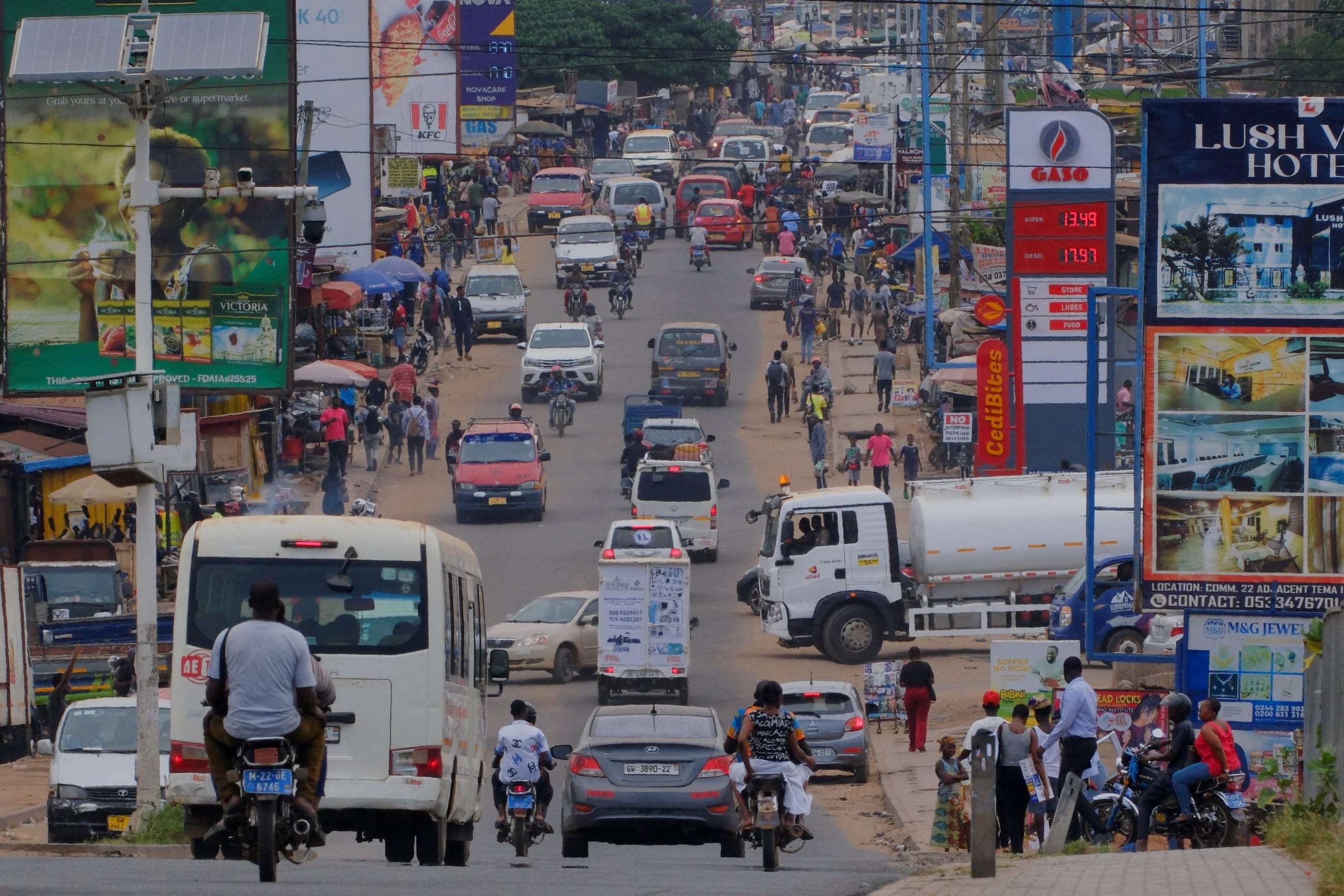
Ghana's rapid urbanization has created a second environmental threat. Accra, whose metropolitan population exceeds 4 million, and Kumasi, the country's second-largest city, face severe air-quality challenges from vehicular emissions. Although Kumasi's annual PM2.5 average, about 17 µg/m³, is lower than that of Delhi's and Beijing's [PDF], it far exceeds the WHO annual guideline of 5 µg/m³. Accra also experiences severe episodic pollution; daily peaks rival or surpass those in Delhi and Beijing, particularly in traffic-congested areas and during the dry season. The toxic cocktail of nitrogen dioxide, carbon monoxide, and particulate matter that blankets urban neighborhoods carries specific neurotoxic risks.
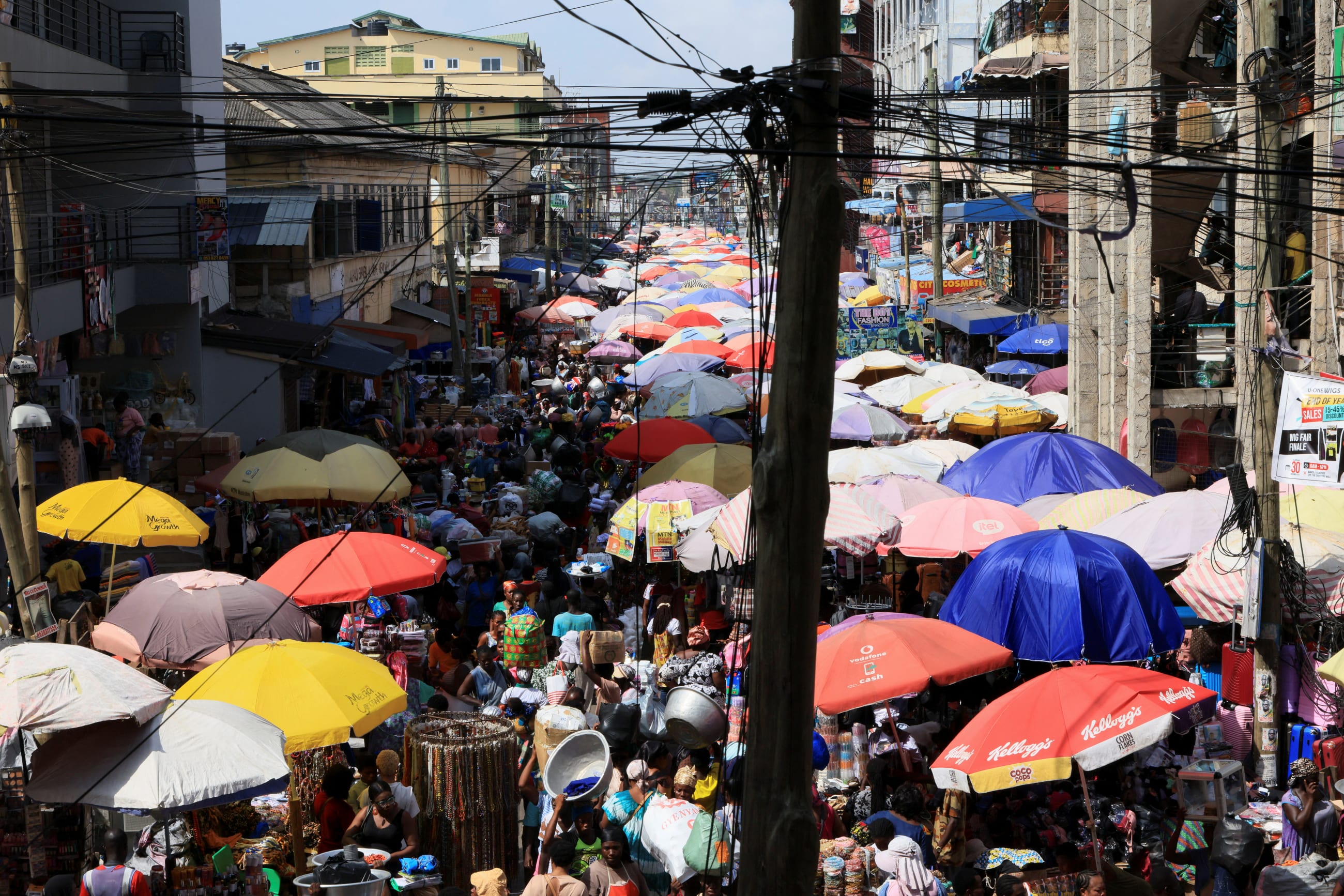
Research consistently demonstrates that greater exposure to PM2.5, nitrogen dioxide, and carbon monoxide is associated with increased dementia risk. Even low-level exposure matters; studies show that there is no safe threshold. Cognitive damage accumulates across the entire exposure range.
Urban Ghanaians face traffic pollution combined with indoor biomass smoke in informal settlements where clean fuel remains inaccessible. This cumulative exposure accelerates the neuroinflammation and vascular injury that drive cognitive decline.
Temperature, Heat Stress, and Cognitive Vulnerability
Ghana's environmental exposures are particularly dangerous because of how they interact with the country's high burden of vascular risk factors.
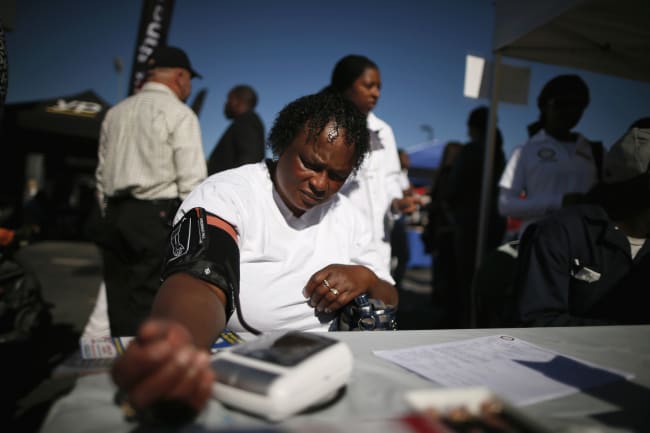
In many Ghanaian communities, nearly one-third of adults experience hypertension; rates reach 37% in some regions. These elevated rates stem from multiple converging factors: Ghana's aging population, rising obesity driven by urbanization and dietary shifts, widespread physical inactivity, alcohol use, and, critically, health-system gaps that leave most hypertensives unaware, untreated, or poorly controlled. Unlike high-income countries where hypertension is typically detected and managed, Ghana's low awareness and control rates, often below 20%, mean that vascular damage accumulates unchecked for years or decades.
Heat stress causes dehydration and electrolyte imbalances that can trigger acute confusion and delirium in older adults. The chronic effects may be even more concerning. High temperatures exacerbate cardiovascular strain, raising blood pressure and increasing the risk of stroke, a major cause of vascular dementia. For older adults who have limited access to cooling, adequate hydration, or health care, these combined exposures create a perfect storm for cognitive damage.
Research demonstrates that the association between PM2.5 exposure and dementia is significantly stronger among people who have poor cardiovascular health, explaining why African populations may face particularly high dementia risk despite lower rates of some traditional risk factors such as midlife hypertension, diabetes, obesity, and low education. In Ghana, as in much of sub‑Saharan Africa, hypertension and diabetes are often undiagnosed or untreated, compounding the impact of environmental exposures.
Ghana is not alone in facing these challenges. Across sub-Saharan Africa, similar risk patterns are emerging. In rural regions of South Africa, dementia prevalence estimates reach 11% for those age 65 and older, and some algorithmic modeling studies suggest rates as high as 18%, higher than most previous reports for the region. Similarly to Ghana, these elevated rates occur in populations with high burdens of untreated hypertension, diabetes, and other vascular risk factors, combined with environmental exposures.
Policy Implications
Ghana has made measurable progress in clean-cooking adoption, particularly in urban and peri-urban areas where liquefied petroleum gas (LPG) access has reached 22% to 23% of households nationally, and some pilot communities have achieved nearly 50% adoption. However, significant gaps remain; exclusive clean-fuel use is rare, and rural areas lag far behind urban centers. Global price shocks from the Iran War drove up the cost of LPG and other fuels, and Ghana's government cut taxes and levies in April 2026 to ease household burdens, underscoring how affordability remains a barrier to exclusive clean-fuel use.
These gaps stem not from funding shortfalls alone but from multiple structural barriers—limited refill station networks and last-mile distribution infrastructure, high cylinder and refill costs relative to household incomes, behavioral barriers including safety concerns and inadequate training, and weak program implementation. Evaluations of Ghana's Rural LPG Promotion Program found no significant increase in LPG use among beneficiary districts, suggesting that infrastructure mismatches and implementation gaps, rather than simple resource constraints, undermine program effectiveness.
Addressing Ghana's dementia crisis requires integrated action across multiple sectors. First, accelerating the transition to clean-cooking fuels must be recognized as a brain health priority, not just a respiratory health or climate issue. Ghana's government can close the gap with subsidies, innovative financing mechanisms, and infrastructure investments to make liquefied petroleum gas, electricity, or other clean fuels accessible and affordable for all households. Given that women bear the overwhelming burden of cooking smoke exposure, clean-cooking programs can improve gender equity for cognitive health.
Ghana has made efforts to improve urban air quality, enacting vehicular emission regulations, deploying air-quality monitoring networks, and increasing stakeholder engagement, but implementation and enforcement remain critically weak. Many vehicles fail emission tests yet continue operating, poor fuel quality undermines standards, and the continued importation of older, high-emitting used vehicles perpetuates the problem. Although pilot projects have improved the evidence base, Ghana needs dramatic improvements in enforcement of existing standards, vehicle fleet modernization, fuel quality controls, and expanded monitoring to translate policy intentions into measurable air-quality gains.
Ghana's climate adaptation strategy should also address cognitive health, a dimension currently absent from national planning. Although Ghana developed a National Aging Policy in 2010, it remains largely unfunded and unimplemented, and neither the country's Mental Health Act nor its Disability Act specifically addresses dementia. Current climate adaptation plans do not consider older adults' cognitive vulnerability to heat stress, and environmental health interventions—including clean cooking and air quality—are not framed as brain health priorities. The plan should identify and protect vulnerable older adults from dangerous heat, ensuring access to cooling centers, adequate hydration, and health care during heat waves. It should also integrate temperature considerations into dementia-risk assessments and care planning.
Ghana's dementia risk is not inevitable. Unlike genetic risk factors, environmental exposures are modifiable. Every household that transitions to clean cooking fuels, every vehicle that meets emission standards, and every heat wave for which vulnerable populations are prepared represents an opportunity to prevent dementia.