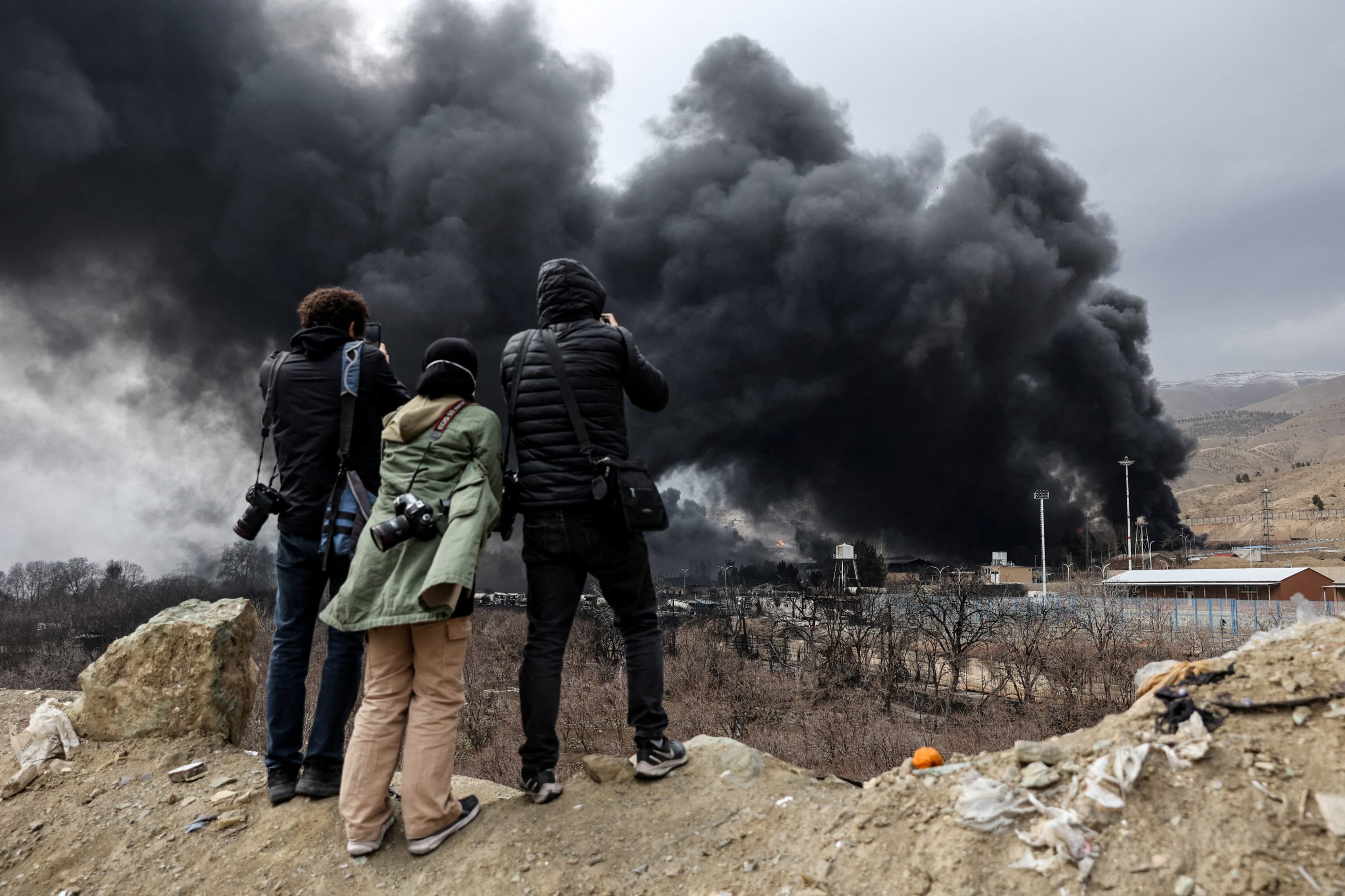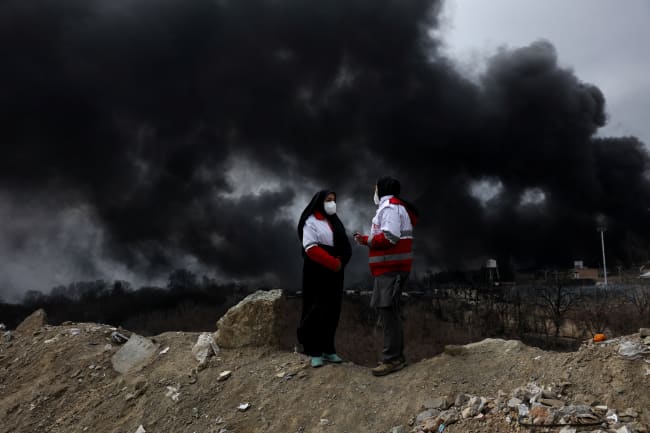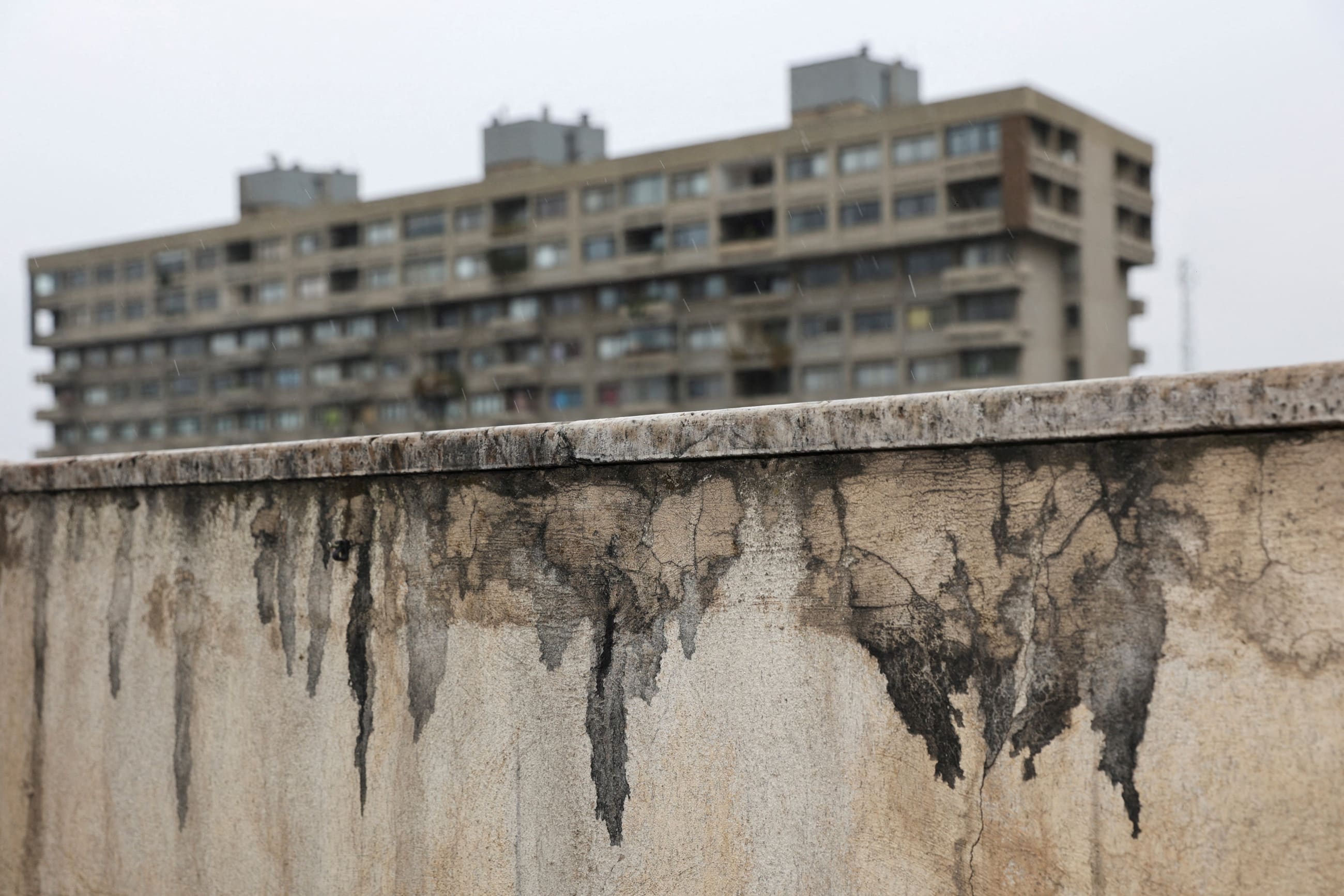
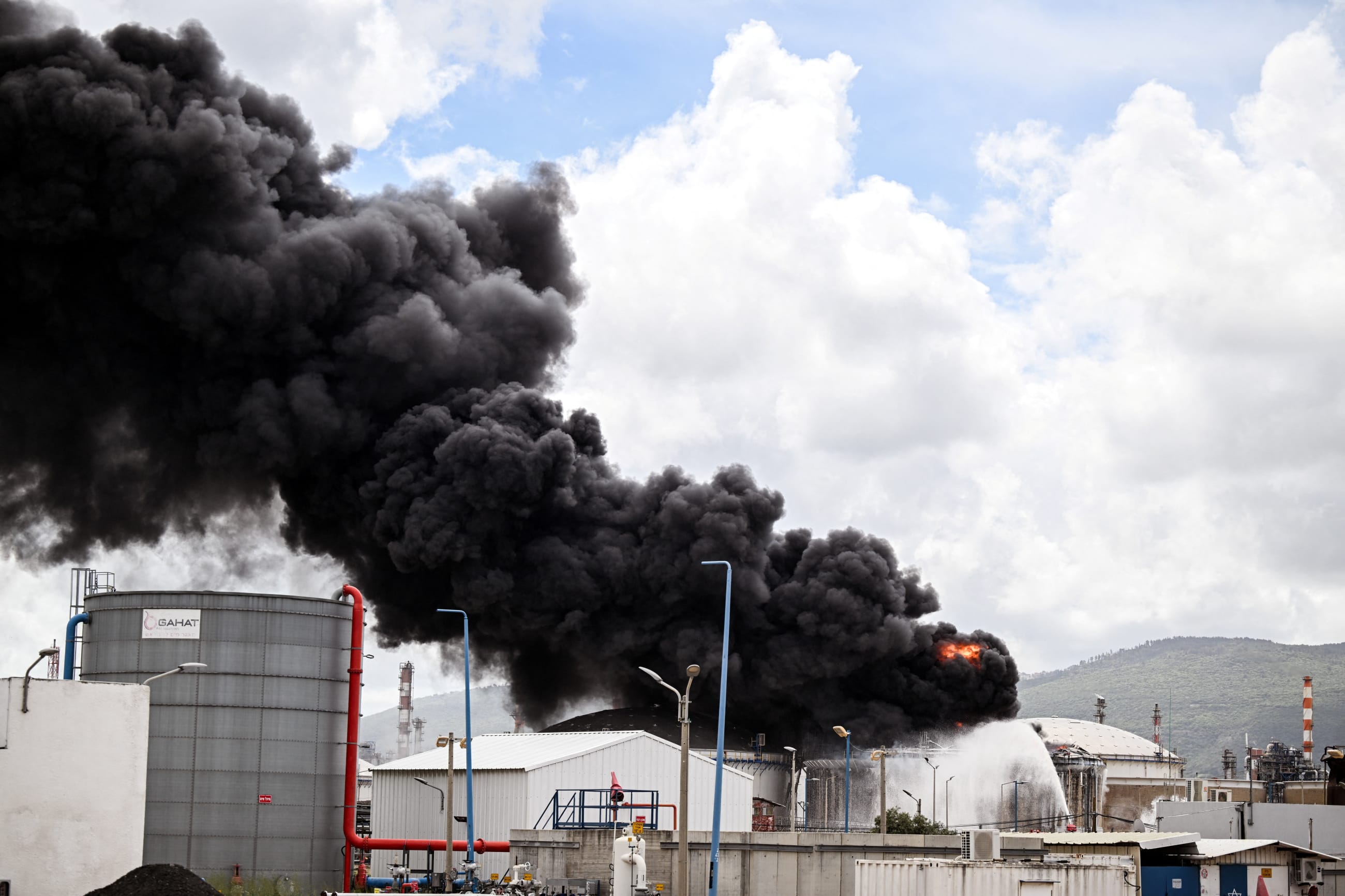
On March 7, 2026, Israel struck four fuel-storage and oil-refinery depots across Tehran, Iran's capital, and the adjacent city of Karaj. The airstrikes ignited large fires that sent dense plumes of smoke into the atmosphere of a metropolitan area that is home to more than 15 million people. When rain fell hours later, it scavenged pollutants from the smoke, producing an unusual phenomenon that residents described as "black rain."
During major oil fires, soot and airborne particles (aerosols) from incomplete combustion act as condensation seeds around which raindrops form. As the precipitation falls through polluted air, it collects these particles and deposits them onto people's skin and land, water, and urban infrastructure. Although the World Health Organization issued immediate warnings about the health risks of the resulting air pollution, the most serious health consequences could unfold over the coming months and years.
What appears today as a side effect of conflict could therefore mark the beginning of a prolonged health crisis
Environmental damage has long accompanied armed conflict. But when petroleum infrastructure burns, the resulting emissions can rival those produced by major industrial disasters, such as the 2020 Beirut ammonium nitrate explosion and the 2005 Buncefield fire at a UK oil terminal. Smoke from oil fires contains a mixture of toxic pollutants, including fine particulate matter, sulfur dioxide, nitrogen oxides, volatile organic compounds, heavy metals, and polycyclic aromatic hydrocarbons.
The impacts of such environmental destruction are unlikely to remain localized, and signs of this regional conflict are evolving into a generationally inherited, transboundary environmental crisis.
Although the cascading war is under a fragile ceasefire, energy sites, including oil refineries, remain spoken targets in nine nations across the Middle East. What appears today as a side effect of conflict could therefore mark the beginning of a prolonged health crisis.
Immediate Health Risks
The most immediate health consequences of oil-fire smoke arise from inhalation of heavily polluted air, as well as exposure to contaminated rain. Short-term exposure to elevated particulate pollution is associated with symptoms that include headache, coughing, wheezing, eye and skin irritation, and shortness of breath. Severe exposure can worsen asthma and chronic obstructive pulmonary disease, particularly among children, older adults, pregnant women, and individuals with preexisting conditions. Media reports citing IQAir data indicate that airborne particulate matter (PM 2.5) concentrations in Tehran were approximately 20.2 micrograms per cubic meter following the refinery strikes, four times the World Health Organization's annual limit.
Although Iran has one of the more advanced health systems in the Middle East and West Asia region, external pressures and war conditions can complicate immediate responses to large-scale environmental destruction through workforce strain and restricted access to vital resources. Whereas acute symptoms are often the first visible manifestation, this could mark just the beginning of a broader regional public-health challenge. Furthermore, the health warnings issued by Iranian authorities urging residents to remain indoors and avoid open spaces offers little protection for residents whose windows, or even homes, were destroyed in the strikes.
Public-health advisories from organizations such as the World Health Organization, the U.S. Centers for Disease Control and Prevention (CDC), and the CDC's National Institute for Occupational Safety and Health indicate that during acute petrochemical smoke- and contamination events like those observed in Iran, frontline health systems benefit from a defined set of response capabilities to mitigate immediate health risks.
These include access to appropriate respiratory protection (ranging from particulate respirators to self-contained breathing apparatus in high-exposure settings), basic decontamination capacity to reduce secondary exposure, and real-time exposure assessment tools such as particulate-matter and carbon monoxide monitoring. Clinical management capacity is also emphasized, including oxygen therapy, bronchodilators, airway support, and diagnostic tools such as CO-oximetry to detect toxic inhalation. In parallel, guidelines highlight the importance of environmental exposure reduction, such as establishing cleaner-air spaces, and clear risk communication to affected populations.
Collectively, these measures reflect established best practices for managing complex smoke environments, where mixtures of fine particulates and toxic gases can pose sustained risks to both patients and health workers.
Long-Term Disease Risks
Evidence from the 1990–91 Gulf War offers critical insight into longer-term risks. Epidemiological studies found higher rates of respiratory symptoms, including bronchitis and asthma, among individuals exposed to smoke from the Kuwaiti oil fires. More recent research suggests that the effects may extend beyond the lungs. A 2025 cohort study of Gulf War veterans found that those exposed to oil-well fire smoke for 7 to 30 days had nearly three times the odds of developing atherosclerotic cardiovascular disease, a condition caused by plaque buildup in the arterial walls, compared with those who were not exposed.
Respirable fine particulate matter is small enough to penetrate deep into the lungs and enter the bloodstream, which may trigger systemic inflammation, increasing the risk of cardiovascular and neurological disease, stroke, hypertension, pulmonary fibrosis, infertility, cancer, and immunomodulation.
These chronic health risks have important implications for health-care systems. Elevated long-term rates of cardiovascular, respiratory, neurological, and immune-related diseases among exposed populations are likely to translate to increased demand for outpatient care, long-term pharmacological management, specialist services, and hospital admissions. Conditions such as atherosclerotic cardiovascular disease, chronic pulmonary disorders, and cancer typically require lifelong monitoring and treatment, placing sustained pressure on health-care resources and budgets. In addition, heightened prevalence of multimorbidity may complicate clinical management and increase care-coordination needs, particularly within primary-care health systems. These burdens could contribute to higher health-care expenditures, reduced workforce productivity, and the need for expanded surveillance, prevention, and early-intervention strategies to mitigate downstream health and economic costs.
Environmental Damage Beyond the Air
The environmental fallout of war extends beyond immediate landscapes, affecting ecological stability, biodiversity, and human health. Emissions from the Kuwait oil fires produced a measurable spike in black carbon deposition as far away as the northern Tibetan Plateau, more than 1,800 miles from the source, accelerating snow and ice melt. In the Iranian context, however, many pollutants could remain trapped in the local soil, water, and environment because of significant rainfall following the airstrikes.
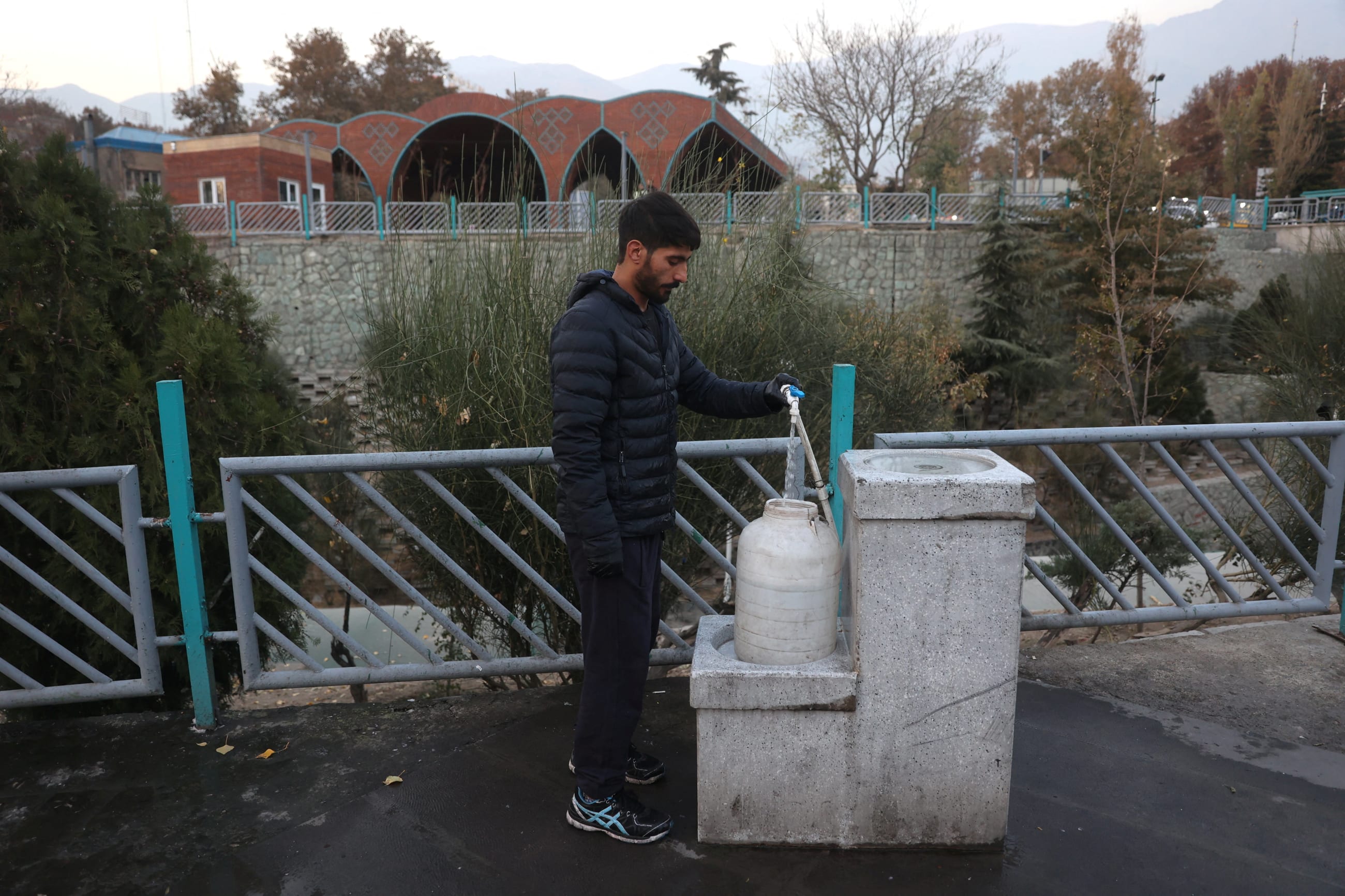
Water and soil pollution are among the most consequential concerns. Tehran's drainage networks are likely to carry oily runoff into surrounding water storage facilities, potentially threatening shallow groundwater reserves and agricultural lands that millions of civilians, in addition to animals and ecosystems, rely on. Concerns about exacerbating water challenges in a city already facing water bankruptcy are rising. Once hydrocarbons infiltrate soil and aquifers, they can persist for decades. Pollutants, heavy metals, pathogens, and other chemical contaminants entering water systems can disrupt aquatic food chains and enter drinking water, further amplifying ecological damage and public-health risks.
Women and children face a disproportionate toll from contamination due to a combination of biological susceptibility, intergenerational transfer, and the generational persistence of contaminants in the environment. In Fallujah, Iraq, for example, an area heavily bombarded during the 2003 invasion, researchers reported a 12-fold increase in childhood cancer and a 17-fold increase in congenital anomalies in the years that followed. Similar concerns have been raised in Yemen and Gaza, where studies have documented elevated heavy-metal burdens in mothers and newborns living in conflict-affected environments.
Human-Centric Calculus
In war, survival eclipses everything else. Environmental health risks rarely register as immediate priorities. Families flee burning neighborhoods, hospitals scramble to treat the injured, and civilians search for shelter, water, and food. Few have the luxury of worrying about the invisible pollutants drifting through the air, settling silently onto fields and into their water systems.
Yet the environmental consequences of conflict do not wait for peace. History shows that toxins released during war form a second wave of harm, emerging slowly through chronic disease and ecological disruption, affecting children who breathe polluted air, communities that rely on contaminated water, and health systems already strained by war.
Modern warfare is purported to be built on precision and intelligence, yet the environmental and public-health consequences of those operations are not always systematically integrated into decision-making. Considering the timing of strikes, and based on weather forecasts, how pollutants will disperse, and where they may ultimately settle, is predictable. In the case of Iran's "black rain," these factors may not have been fully considered or prioritized. Rainfall following the strikes likely limited atmospheric dispersion and instead deposited pollutants into soil and water systems, amplifying long-term harm.
Attacking public infrastructure that serves civilians is considered a war crime. But even when a party to a war considers attacking a target to be justified, expanding the calculus of military planning to more explicitly account for these environmental pathways is essential to reducing preventable, long-term damage to human health and ecosystems during conflict.
Although the "black rain" may have fallen only briefly, the consequences of war are measured not only in casualties but also in the invisible exposures that shape health—long after the fires burn out and the headlines fade.