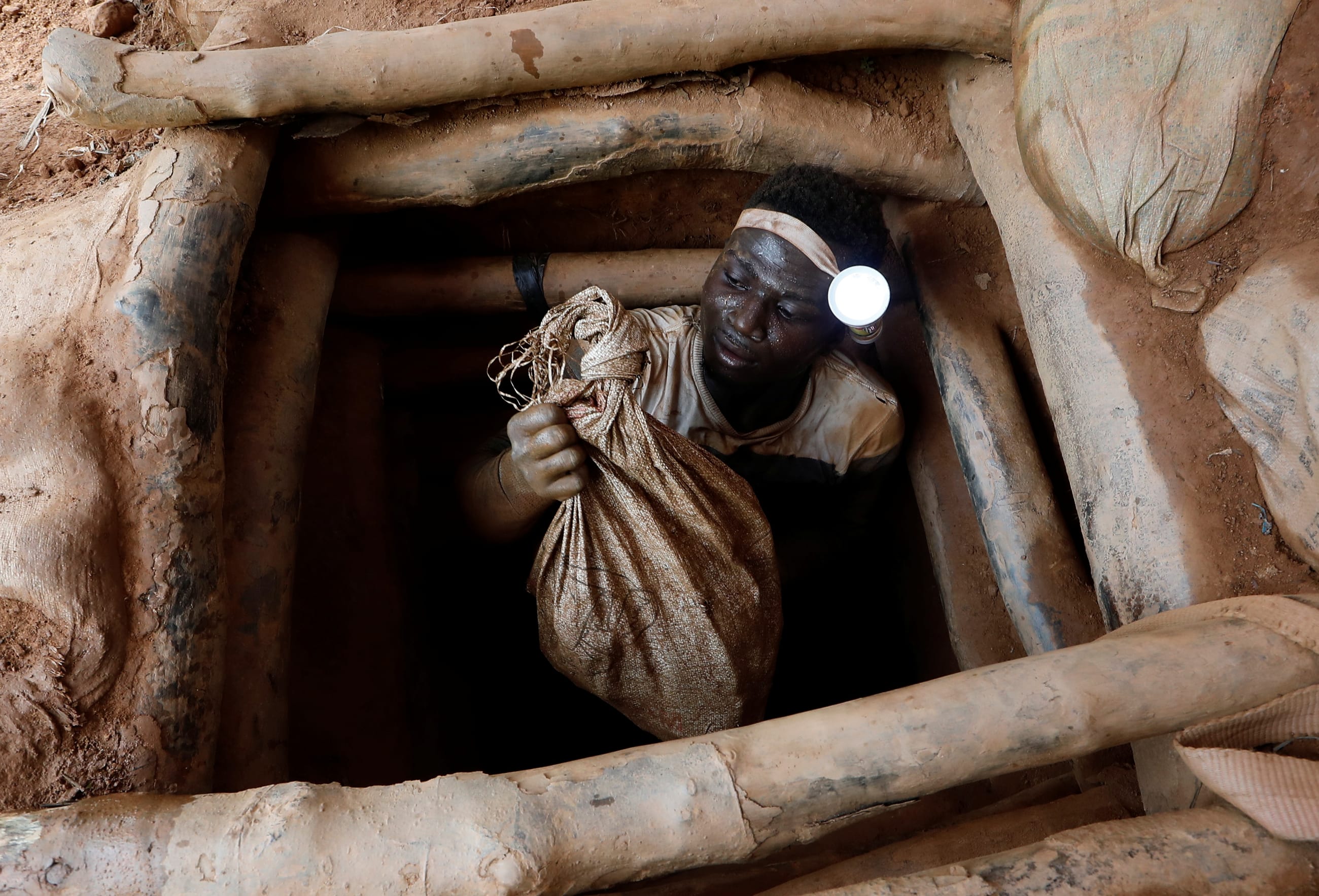
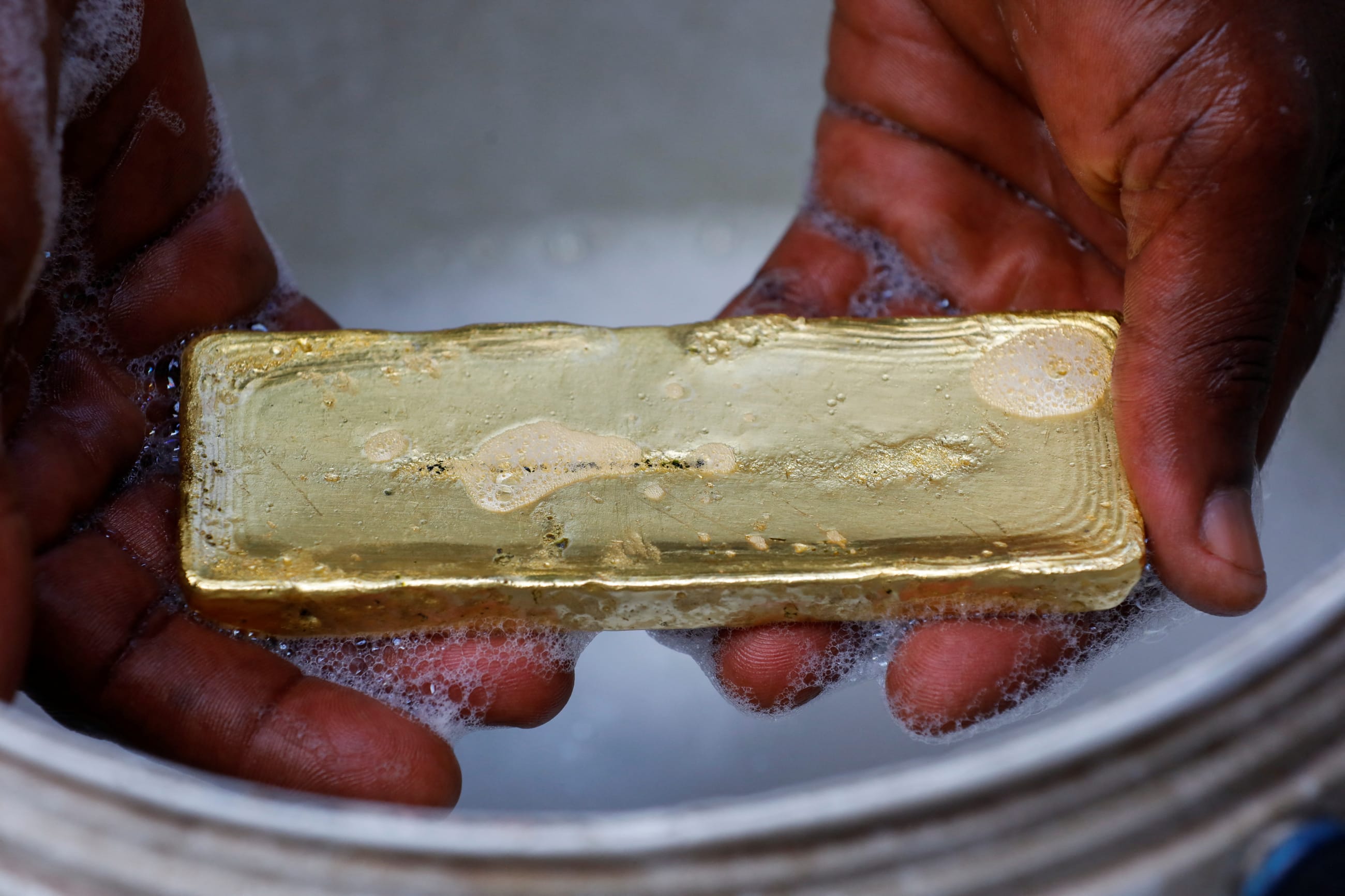
Global demand for gold is surging, fueled by desire for "safe haven" currency amid political and economic uncertainty. By December 2025, gold prices reached an all-time high, topping $4,400 per ounce—or more than double the price in early 2024, $2,030 to 2,060. This upswing raises the economic incentive for small-scale and informal mining.
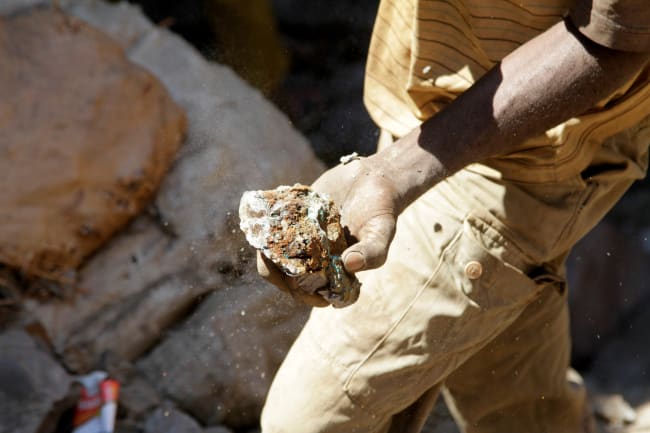
To meet the demand, Ghana—Africa's leading gold producer and the sixth largest globally—had a record high output in 2024 that it aimed to surpass in 2025. About half of 2025's production came from artisanal and informal extraction, and it was the first year that Ghana's small-scale exports exceeded large-scale ones. Many small-scale miners work without licenses in an underground industry known locally as galamsey.
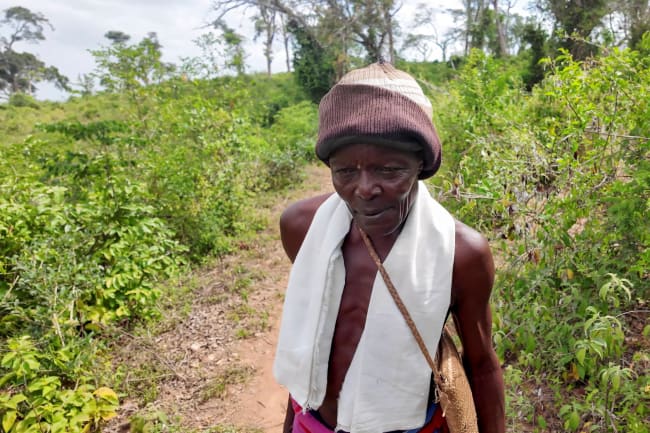
More than a million Ghanaians depend on galamsey, from the forested hills of Ashanti in southern Ghana to the dry plains of Tarkwa in the west
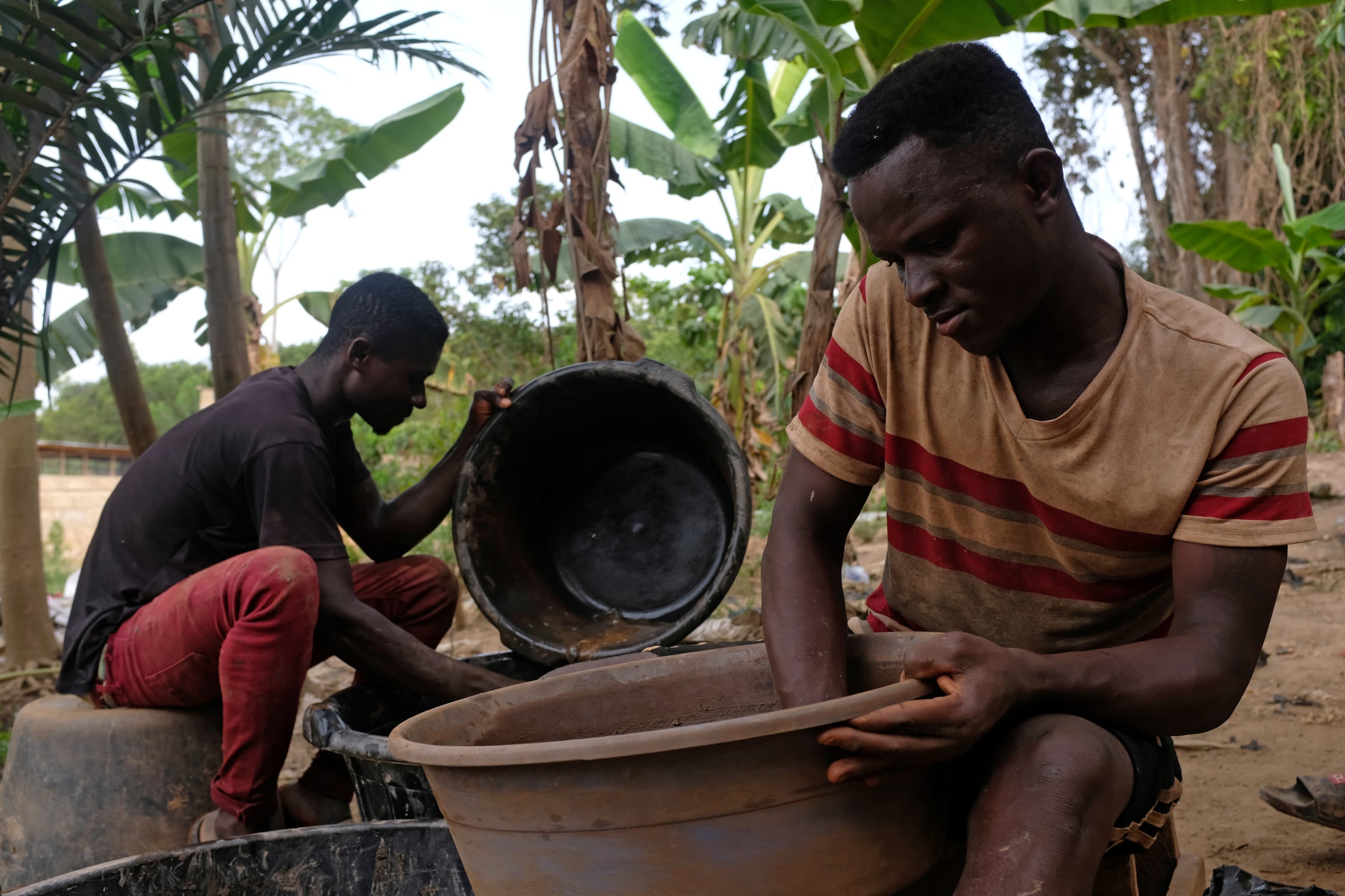
Gold's global market story does not end at the mine. It follows a more dangerous path, from extraction sites into rivers, food systems, and, ultimately, human bodies. Mercury is used to bind gold and cyanide to leach it, allowing miners to extract the gold from ore. Both chemicals are highly toxic and seep into rivers and soil, and have deadly consequences for communities' health and their environment.
More than a million Ghanaians depend on galamsey, from the forested hills of Ashanti in southern Ghana to the dry plains of Tarkwa in the west. Given growing returns on gold, many rural families turn to risky and rudimentary operations. Weak enforcement of mining regulations, porous supply chains, and corruption exacerbate the problem.
Poison in the Soil, Water, and Body
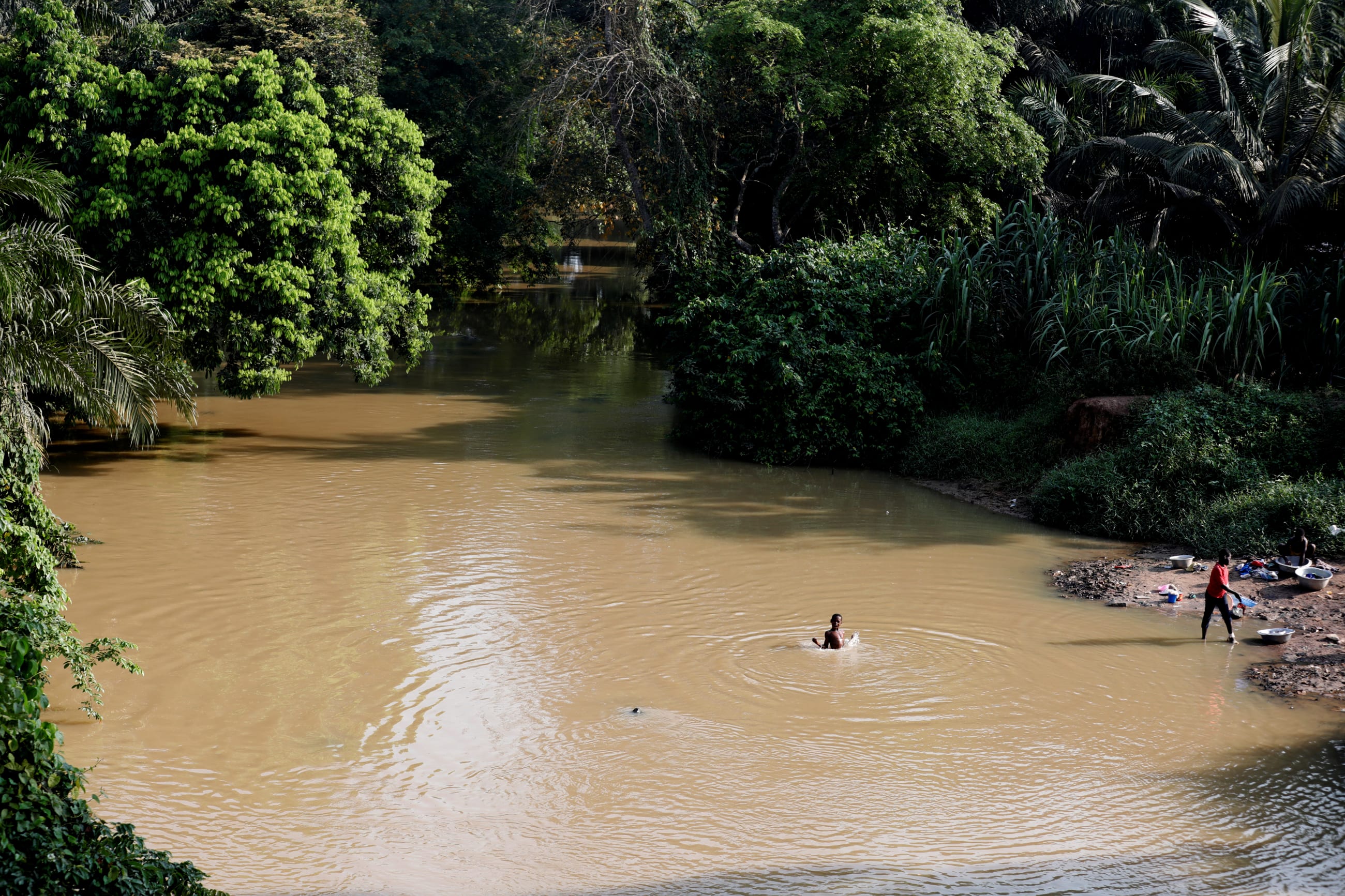
In southern Ghana, communities that once depended on its clear waters for daily life are now facing a toxic reality. Studies have reported alarming levels of mercury and other heavy metals in Ghana's sediments and fish, and traces of cyanide have been found in surface water used for farming and drinking.
The consequences are visible and devastating. Crops fail as contaminated water irrigates farmland. Fish float lifeless along the riverbanks. Water that once sustained life now spreads disease and fear.
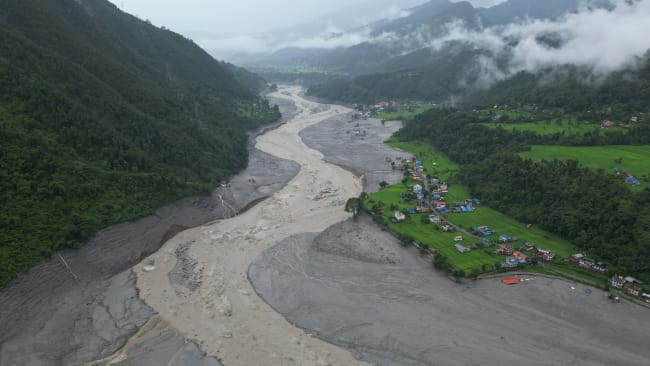
In the Pra River Basin, which supplies water to several towns in southwest Ghana, mercury levels exceed safety limits many times over. Farther west along the Ankobra River, researchers have found fish so contaminated with mercury that frequent consumption could lead to chronic toxicity. The northern district of Nadowli-Kaleo, once fertile farmland, lies barren after open pits destroyed an estimated 2.5% of cultivable land as of 2017.
Small-scale mining has clear health consequences. Research shows that people living near small-scale mines carry higher mercury levels and often show early signs of kidney damage such as protein in the urine and reduced kidney function. Chronic exposure has also been linked to [PDF] neurological problems and developmental risks in children.
Chronic kidney disease already weighs heavily on Ghana's health system. Dialysis is scarce and expensive, forcing countless families to watch loved ones suffer without care. In mining areas, doctors were seeing more cases of kidney failure and developmental problems in children according to a 2019 study, possibly pointing to heavy metal poisoning.
In mining-affected zones, the damage often extends far beyond individual illness. Rivers that once served entire communities are now poisoned, undermining freshwater supplies, fisheries, and irrigation systems. Illegal mining in rural Ghana displaces families from their land, compelling them to move into urban centers like Accra, where they add to the growing number of unemployed.
Can Regulation Fix Illegal Mining?
Ghana's government has responded by establishing the Gold Board in May 2025, a 13-member body chaired by Kojo Fynn and including figures such as Samuel Gyamfi (Acting CEO) alongside representatives from finance, mining, and regulatory agencies. The board was created to centralize gold sales, improve transparency, and strengthen currency management. In addition, the government has deployed drones to monitor illegal operations and launched a Gold Board Task Force under President Mahama in July 2025, which operates with strict oversight measures such as GPS-tracked vehicles and body cameras.
Since its inception, the task force has targeted galamsey and smuggling networks, shutting down dozens of unlicensed mines and curbing illicit gold trading. These measures have curbed smuggling and increased accountability, but they have not ended the country's illegal mining problem. When the dust settles, miners often return to the pits because they have few alternatives to escape poverty; roughly 22% of Ghanaians live below the national poverty line and unemployment holds at about 3%, so illegal mining remains an attractive option for survival.
Real progress depends on pairing regulation with a broader social safety net for Ghanaians. The government needs to expand formalization programs within the mining industry, complementing the work of the Gold Board by not only centralizing gold sales but also bringing small-scale miners into the legal framework through licensing and regulation. Government should also invest in vocational training and microfinance programs so that everyone can earn without destroying their land.
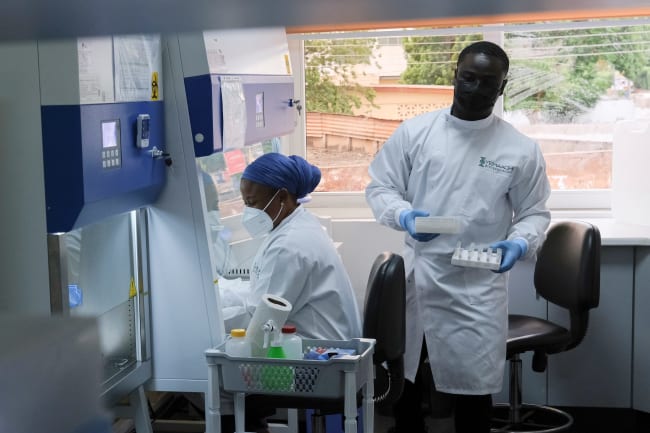
Ghana must also focus on reducing exposure to toxins by mapping polluted water areas. Agencies like Ghana's Water Resources Commission or Environmental Protection Authority could lead this work, often in partnership with universities or nongovernmental organizations (NGOs). Strengthening the health system is equally important. While recent cuts to foreign aid limit available resources, the government of Ghana could expand kidney-care services and subsidize dialysis by mobilizing domestic revenue and integrating environmental exposure data into national disease surveillance.
Remembering the River
Faced with mounting losses, communities affected by gold mining refused to stay silent. They began organizing marches and public forums, holding placards along the streets of Accra, demanding an end to illegal mining and the poisoning of their land.
With the support of journalists, activists, and NGOs, their campaign drew attention from regional leaders and sparked a broader conversation about the health issues and the environment. Their story serves as a warning about how global markets and weak governance can accelerate chronic disease and environmental collapse.