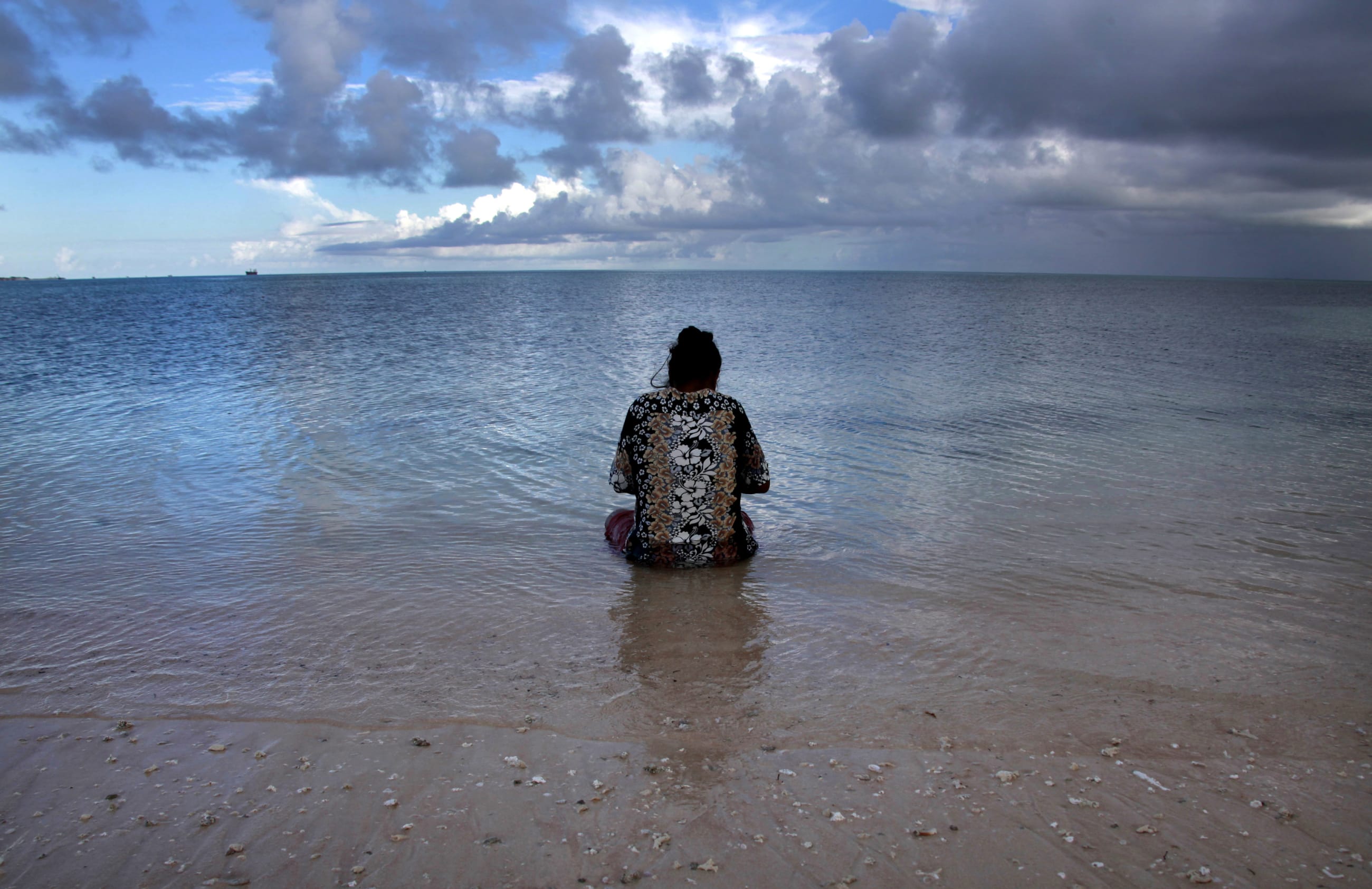
As representatives from nearly 200 countries gather in Belém, Brazil, for the thirtieth Conference of the Parties (COP30), climate and health leadership has reached a moment of truth.
A 2025 review of 13 influential international climate committees—including technical advisory bodies, research funders' panels, and global alliances—reveals a widespread imbalance of countries represented in decision-making. Of the 226 members analyzed in the study, 72% are based in high-income countries and 74% are experts in Group of Seven (G7) nations. Only 5% of committee members represent the 10 countries most vulnerable to climate change. Even fewer representatives come from small island developing states (SIDS), a group of 39 island nations facing environmental and socioeconomic challenges from rising sea levels, extreme weather, and loss of livelihoods. SIDS representatives account for just 2% of global committees on climate and health.
The lack of diversity behind climate decision-making has direct consequences for how the world responds to the crisis. Policies often overlook the realities of those most affected, leading to ineffective solutions and missed opportunities to incorporate local and indigenous knowledge. This leaves vulnerable populations bearing the brunt of climate impacts and decision-making power concentrated in high-income countries.
Why Homogeneity Undermines Our Response
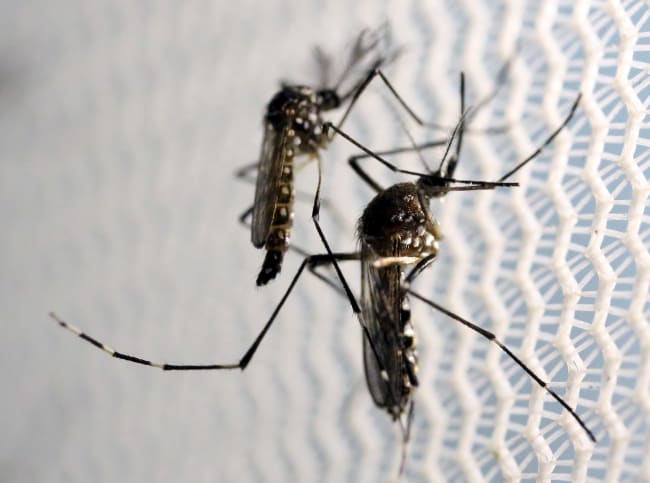
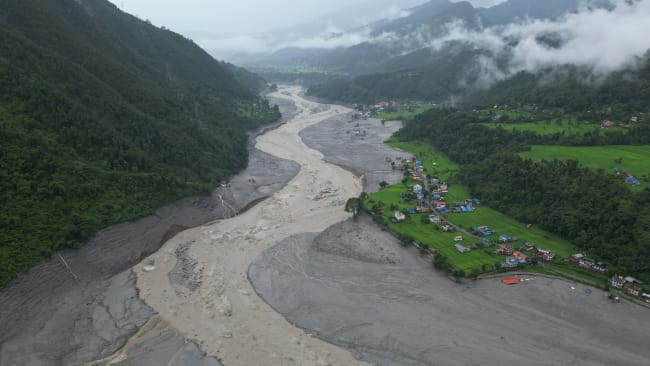
Climate change does not strike evenly. The countries least responsible for historic emissions are the ones facing the heaviest costs: extreme weather, food insecurity, and rising disease outbreaks. Yet the leadership bodies shaping global responses remain dominated by high-income institutions. This imbalance reflects long-standing structural inequities in global governance and research funding. High-income countries control most international health and climate institutions and decision-making platforms, giving them disproportionate influence over agendas and representation.
Decisions made without lived experience risk being impractical, irrelevant, or even harmful
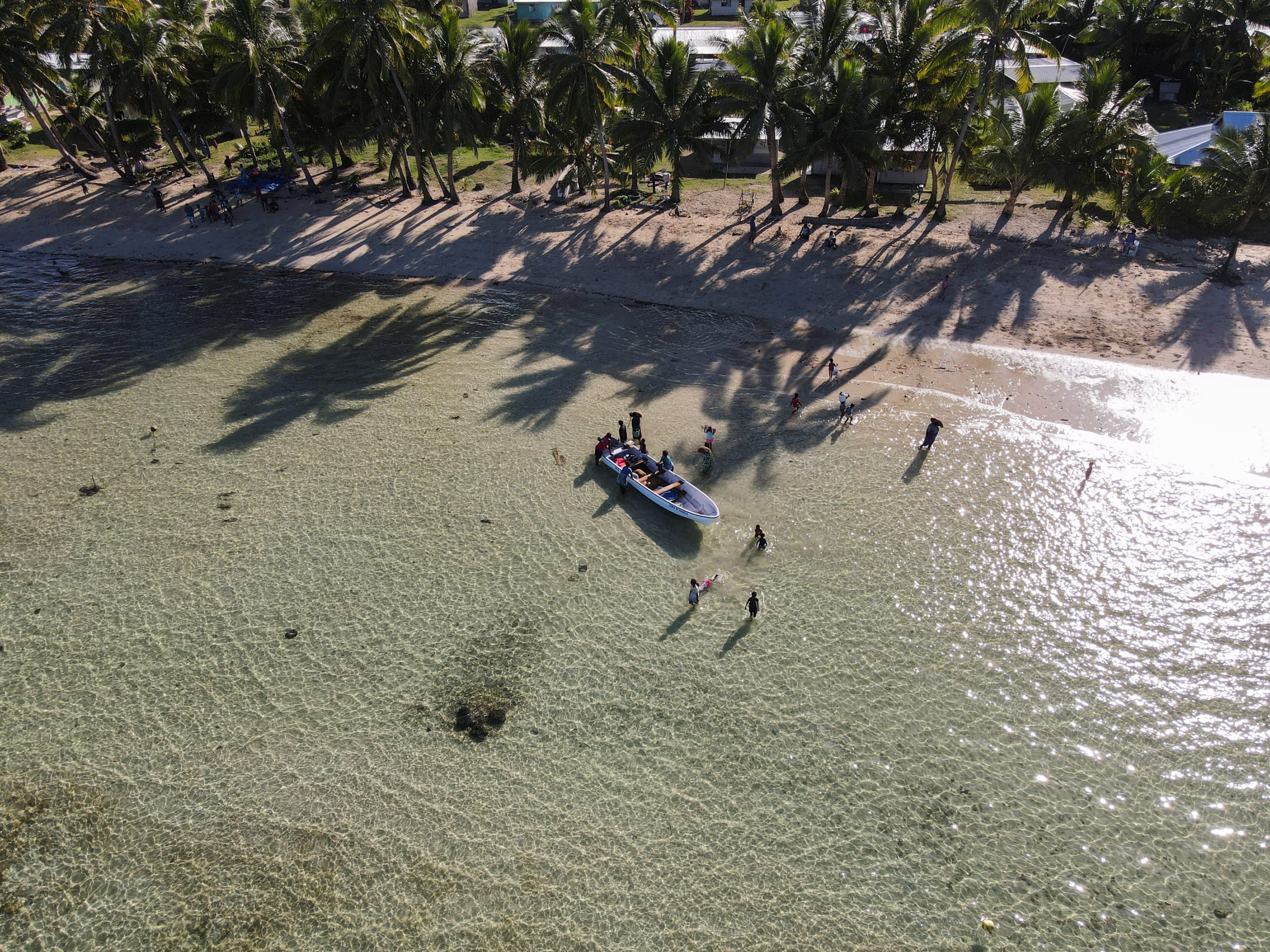
Pacific Island nations have long used community-driven coastal monitoring to protect marine ecosystems, yet these approaches were largely excluded from global marine adaptation frameworks until recently. Similarly, East African pastoralists' understanding of shifting rainfall patterns could sharpen predictive models for vector-borne diseases.
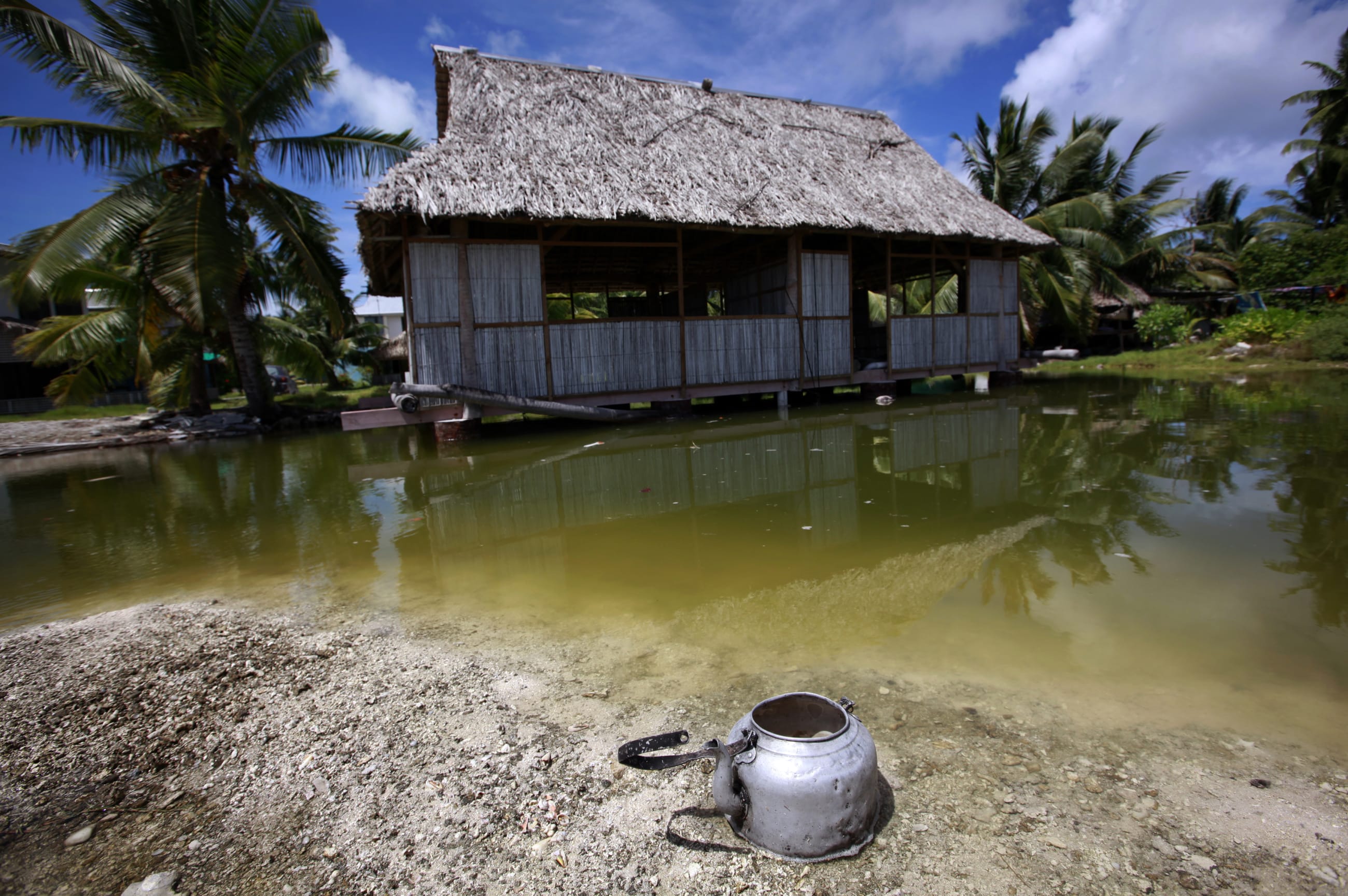
Decisions made without lived experience risk being impractical, irrelevant, or even harmful. For example, global heat-health guidelines often assume widespread access to cooling infrastructure and reliable electricity, but in low- and middle-income countries (LMICs), many households and health facilities lack both reliable power and effective cooling. Similarly, coastal protection projects in SIDS regions promoted large concrete sea walls without consulting local communities. Although meant to prevent erosion, these structures disrupted traditional fishing grounds, blocked access to beaches, and accelerated sand loss downstream.
Barriers Are Real and Removable
Experts from SIDS face additional and distinct barriers [PDF] beyond those affecting other LMICs. Limited national budgets and small research institutions restrict opportunities for international representation and sustained engagement in global committees. Geographic isolation further raises travel costs and logistical challenges in participation in global meetings.
A few SIDS-specific bodies exist, such as the Commission of Small Island States on Climate Change and International Law (COSIS) and the Small Island Developing States Liaison Committee under the International Science Council (ISC), but their mandates differ from those of the global climate-health committees. COSIS focuses on advancing international legal accountability for climate-related harm, and the ISC committee aims to strengthen the participation of SIDS researchers within the scientific community. Neither body serves as a global technical or advisory mechanism for health and climate governance. Despite these important SIDS-led efforts, representation within major global decision-making platforms on climate and health remains limited.
These obstacles are not insurmountable. With intentional reforms, inclusivity can become the rule rather than the exception. Committees should prioritize representatives from SIDS for their expertise, which includes lived experience, contextual knowledge, and collaborative leadership.
Six Steps Toward Inclusive Leadership
Publish diversity audits. Committees should release annual reports showing membership by income group, climate vulnerability, gender (including indigenous and nonbinary identities), and region. Transparency drives accountability.
Set binding representation targets. Quotas for LMICs, SIDS, and climate-vulnerable nations should be enforced by global committees on climate and health. Committees should go beyond tokenism, showing disciplinary diversity across climate science, public health, indigenous knowledge, civil society, and lived experience. Structural inclusion is not only necessary but also actively demanded by those on the frontlines of climate risk. Recently, the SIDS Civil Society Action Plan and Roadmap (2024–2034) [PDF] set out clear measures to advance equitable participation and leadership of island nations across global climate goals.
Rotate leadership. Chairs and cochairs should alternate between high- and low-income countries, balancing agenda-setting power.
Invest in inclusion. Committees should allocate dedicated equity or participation funds within existing program budgets to cover travel, honoraria, translation, and digital infrastructure so that participation does not depend on personal privilege. Even amid global funding cuts, reallocating a small share of administrative or coordination budgets can make committees representative. Partnerships with multilateral agencies, philanthropic foundations, and regional development banks can also cofinance these costs as part of broader commitments to equitable governance.
Value epistemic pluralism. Committees should integrate indigenous and community-based knowledge alongside traditional science. Innovation often lies in blending diverse ways of knowing.
Track progress over time. Committees should take responsibility for publishing annual diversity data, creating a time series that tracks whether representation is improving, declining, or stagnating. Continuous reporting would make progress transparent, guide accountability, and help identify where inclusion efforts are succeeding or falling behind.
A Call to Action
The latest IPCC report warns that the world is close to overshooting the 1.5°C (2.7°F) threshold. COP30 is an opportunity given that health is now central to climate negotiations, highlighted by the launch of the Belém Health Action Plan [PDF], which emphasizes integrating health systems, equity, and community participation into climate policy.
The plan's cross-cutting principles call for enhancing health equity and climate justice, ensuring adaptation measures fairly allocate burdens and benefits across individuals, nations, and generations. Inclusive participation, recognition of diverse cultures, and robust engagement are essential. The plan also highlights that leadership and governance need to follow accountability, transparency, and oversight, and to include bottom-up approaches to ensure representatives of the most affected communities.
As climate agendas slip across high-income countries, COP30 is a critical opportunity to reinvigorate the global conversation and put these principles into practice. Global climate and health committees and funders should prioritize diversity and inclusion, and media and civil society should highlight who holds power and whose voices are missing. This year, SIDS face rising food insecurity, climate-sensitive health risks, and vulnerability to extreme events, making their full participation crucial for policies that are effective, equitable, and grounded in lived experience.