In Eastern Africa, roughly 1 in 25 women will develop cervical cancer before the age of 75—and in Southern Africa the rate is even higher: cervical cancer is the primary cause of death from cancer for women in 29 sub-Saharan African countries.
Africa's cervical cancer spread is driven by a combination of factors, including higher rates of human papillomavirus (HPV)—a sexually transmitted infection that could lead to cervical cancer—and low HPV vaccination rates, high HIV transmission, weaker health-system infrastructure, and limited access to screening and early treatment. Aid cuts have made prevention even more challenging: data released by the Monitoring, Evaluation, and Reporting (MER) system, part of the President's Emergency Plan for AIDS Relief (PEPFAR), for the fourth quarter of fiscal year 2025 shows a 40% decline in cervical cancer screenings among women living with HIV and receiving antiretroviral therapy compared to the same quarter in fiscal year 2024.
Self-sampling for HPV testing can meaningfully address barriers and improve the uptake of HPV screenings, alleviating challenges of distance and transportation, cost, and fear of getting a Pap smear or a speculum exam from a provider.
Self-sampling for HPV testing can meaningfully address barriers and improve the uptake of HPV screenings
Among these self-care technologies are sample self-collection kits for the testing of HPV. In the United States, the Food and Drug Administration approved the Teal Wand on May 9, 2025, making it the first and only at-home vaginal sample self-collection device for cervical cancer screening. Now, low- or middle-income countries (LMICs) are increasingly piloting self-collection and self-testing as well. On November 17, 2025, the World Health Organization (WHO) prequalified Becton, Dickinson and Company's Onclarity HPV Assay, which can be used with self-collected samples across low-resource settings.
During WHO's inaugural World Cervical Cancer Elimination Day, the organization showcased how countries were already expanding screening and treatment services to accelerate progress toward eliminating the disease.
Indonesia [PDF], Malaysia, and Rwanda [PDF] have included self-collection of samples in their cervical cancer strategies, and several others, including Malawi, Nigeria, Zambia, and Zimbabwe, have begun implementing community programs, with the help of organizations like Unitaid and the Clinton Health Access Initiative, that have helped women use self-testing kits to diagnose HPV before the disease progresses.
HPV in Low-Resource Areas
Most HPV infections are cleared naturally by the immune system within one to two years and cause no lasting harm. But when infection with a high-risk HPV type persists over years, it can cause the kind of cellular damage that progresses to cancer. This slow progression, often taking 10 to 20 years, is what makes cervical cancer unusually preventable: there is a long window during which screening can detect and treat precancerous changes before they become malignant.
Because the causal pathway runs through HPV, the disease can be averted at two levels: primary prevention through HPV vaccination, and secondary prevention through screening for HPV to detect persistent infection.
Conventional methods for HPV screenings typically involve a Pap smear, where a health-care professional swabs the cervix to collect a cell sample to be sent for analysis at a laboratory, often taking weeks for results to return. In some low- to middle-income settings, women may choose to forgo screenings.
Globally, cervical cancer screening is low; a 2022 analysis indicated that 2 in 3 women aged 30–49 have never been screened. HPV screening remains low in LMICs for several reasons; in Africa, women reported limited access to screening services, which were often offered at tertiary health facilities several miles from their homes, and many had limited transportation options.
More important, women cited the embarrassment and discomfort they felt during a speculum examination and their fear of pain. Furthermore, in some African settings, having to seek services from a male provider further exacerbated women's unease because it violated their sense of modesty. Other reasons include not being aware of the benefits and not being able to bear the cost of screenings, especially if not covered by a government program or private insurance.
Patients' barriers are not the only ones to blame for low screening rates. Challenges for providers, such as lack of training, supplies, or other infrastructural support to conduct screenings, and being unable to provide follow-up services for patients post-screening, are also compounding this issue.
Self-Sampling as a Possible Bridge
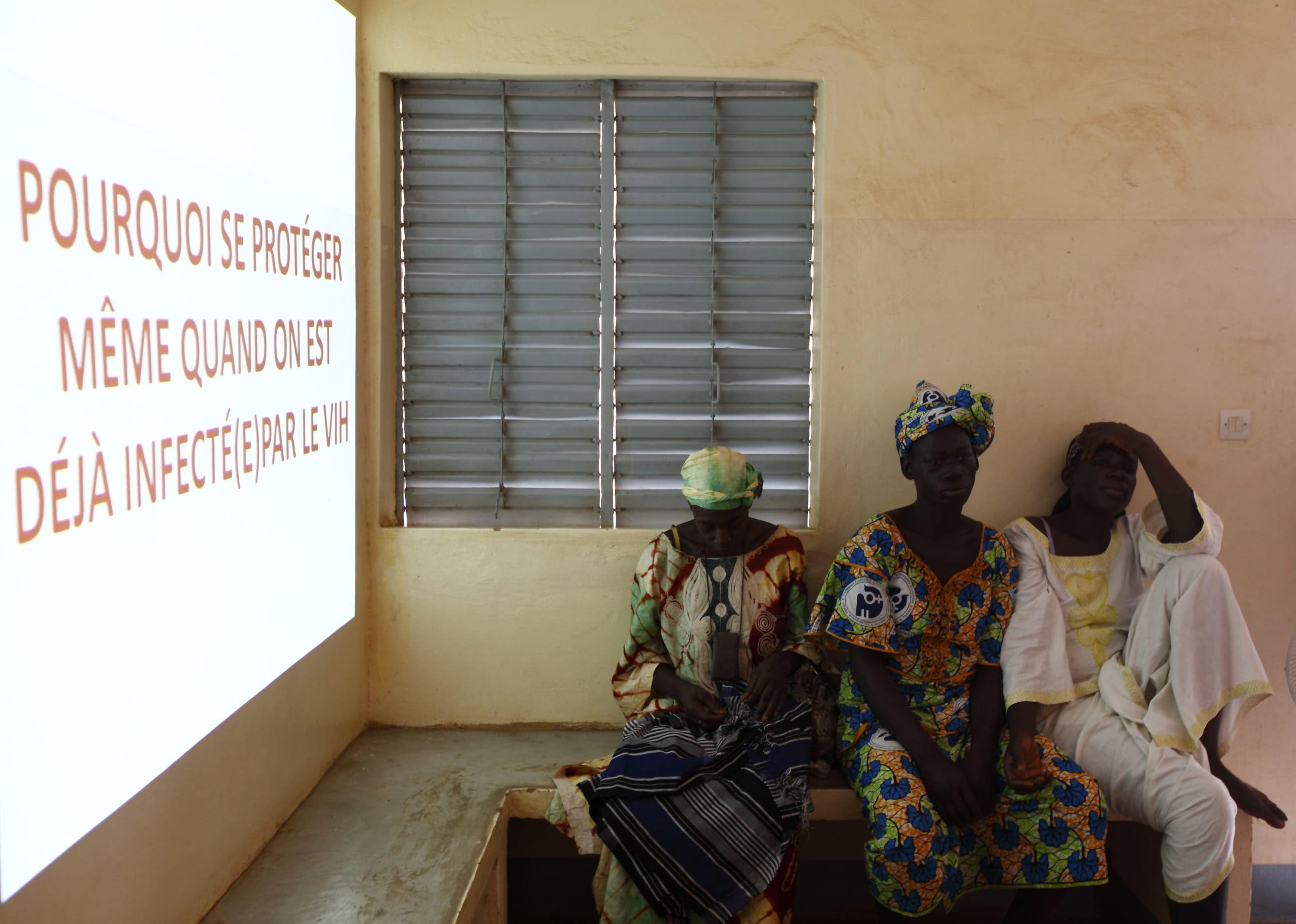
There is ample evidence from around the world that women are willing and able to collect their own samples. More than one scientific review found that women are willing to self-collect samples because of the ease of collection, privacy, convenience, and, more important, autonomy that it offers them over their bodies and their health. In a scoping review of 124 studies, almost half from the African region, researchers reporting quantitative data on women's acceptability of self-sampling indicated that more than half the women are willing to self-sample.
New technologies such as the Teal Wand make cervical cancer screening more accessible and acceptable for underserved women, who would likely have forgone this essential screening. By enabling women to self-collect their own samples, it can alleviate some of the worries associated with being screened by health-care providers in clinics.
Self-collection of samples is not necessarily new or different from some other forms of self-care that women are already doing. For example, many countries permit women to use contraceptive pills, perform self-injections for pregnancy protection, and test for pregnancy or HIV at home using self-test kits; and some women use medication abortion drugs at home to safely and effectively terminate a pregnancy. Self-collection of a vaginal sample is another form of health promotion that women can do independently.
Research from countries including low-resource settings demonstrates that women are able to use a self-collection kit once they are provided clear instructions for its use. In the beginning, they may doubt their ability to collect the sample well and may require a doctor's support to boost their confidence. Researchers have found that women's self-sampling has comparable quality to samples collected by health-care professionals. This suggests that women can be trusted to participate in their own health care.
Based on women's experiences, self-sampling technologies could be a game-changer in increasing screening of cervical cancer. These technologies could have an even greater impact if screening increases among the subgroups of women who would not otherwise have undertaken a Pap smear or consulted with a health-care provider.
PEPFAR and Cervical Cancer
In the past, programs to improve access for HPV screenings and cervical cancer prevention were seeing uplifting results. In 2018, PEPFAR launched the Go Further partnership, which, since 2023, has supported more than 7.4 million cervical cancer screenings for women living with HIV. For 82% of women, the screening they received under the partnership was their first. The program was also working to increase access to the HPV vaccine. However, the U.S. decision to dismantle foreign aid agencies such as the U.S. Agency for International Development (USAID) and to make cuts to PEPFAR has led to drops in overall screening numbers, down to 806,400 in the fourth quarter of fiscal year 2025 compared to 1.4 million during the same period in 2024.
Although this paints a grim picture, commitments to eliminating the burden of cervical cancer have been renewed this year. Funding is also still flowing from some non-U.S.-backed sources including Unitaid, who in January 2026 published a call for proposals to accelerate cervical cancer elimination through secondary prevention—with a focus on testing—in LMICs; total funding for the selected projects was approximately $30 million.approximately $30 million.
The shift to secondary prevention opens the door for including more self-care options for women, including the self-collection of samples for HPV testing and cervical cancer prevention. As member states continue to work on expanding access to these tools, it is important to acknowledge that these forms of testing should not take the place of HPV vaccination. Countries should prioritize increasing access and uptake of these vaccines as the first line of defense against cervical cancer.
Pilot Programs See Promising Results
Many pilot programs have seen relative success in uptake of HPV self-collection for testing, and many women cited that they prefer it to traditional methods. In Ghana, a small pilot study found that 91.7% of women preferred self-sampling over clinician-collected Pap smears. In April 2025, Mongolia, with support from the WHO, launched the Cervical Cancer Elimination Initiative, with preparatory activities including HPV sample collections at family clinics in Khan-Uul district and the development of training materials to support health education and community awareness of cervical cancer prevention and screenings.
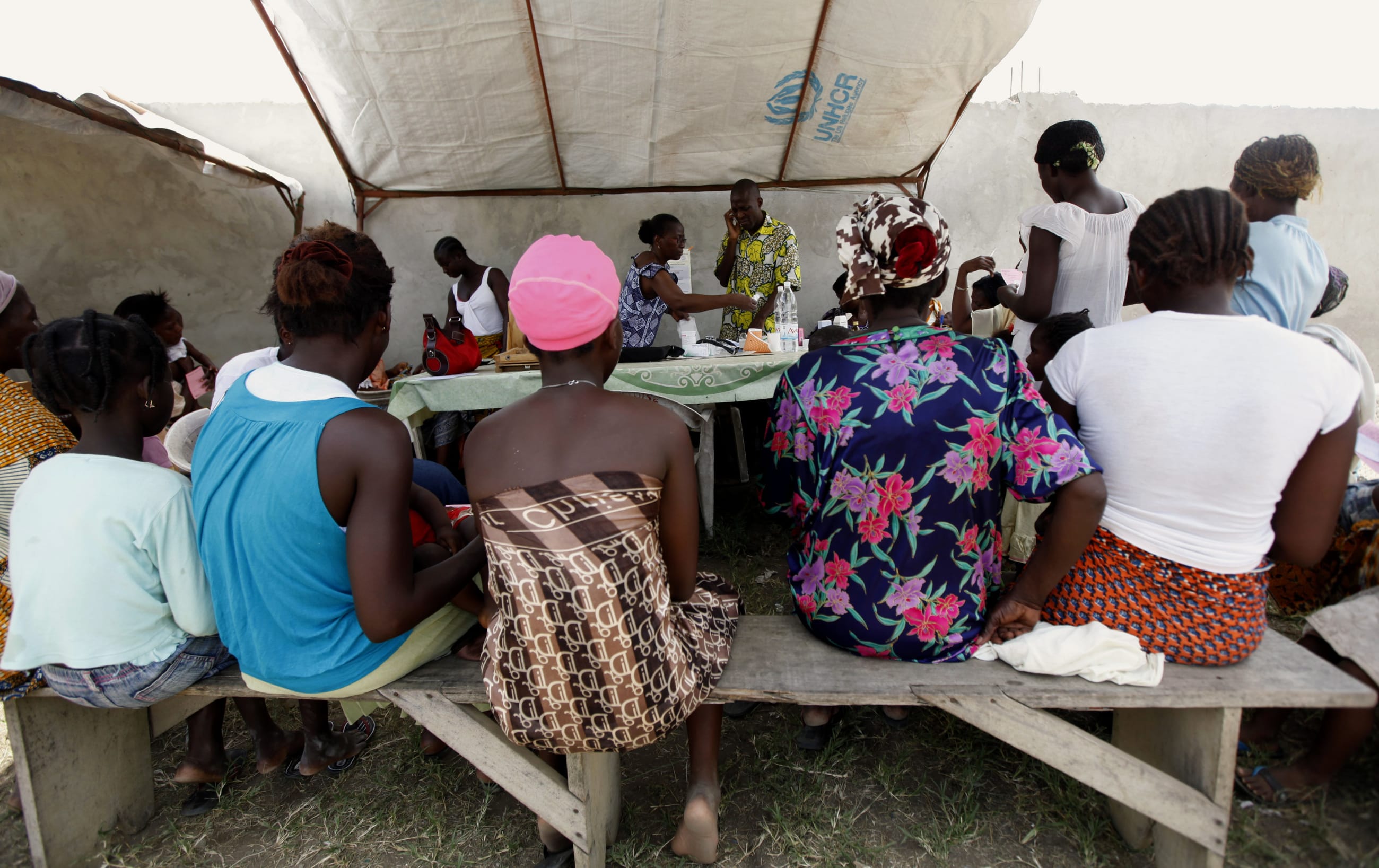
Furthermore, nongovernmental organizations have stepped in to help implement and increase access to self-testing kits. A community-based self-sampling study, funded by Unitaid and the Clinton Health Access Initiative and conducted in Malawi, Nigeria, Rwanda, Zambia, and Zimbabwe, screened more than 14,600 women and found that many returned to receive treatment at a health facility, showing the importance of not only access but the need for cooperation with local health officials and facilities to continue to see positive results.
Even within these pilot programs, barriers are still being identified. Mongolia's pilot program found that of the more than 5,000 women who underwent HPV testing, 371 women tested positive, and 187 women could not be reached for follow‑up.
Although self-collection samples for HPV testing could alleviate some of the barriers that exist for women, much work needs to be done to ensure that self-collection is implemented properly to achieve sustainable results. It is important to build trust, confidence, and rapport within health systems so that users feel comfortable in reaching out to providers for support, whether that be helping them in the testing process, interpreting results, or ensuring a continuum of care.
Health-care workers should also feel that they are an important and valued component in the continuum of care and are not replaced entirely by self-collection. Health education is important to orient communities and individuals about health-promoting behaviors, including screening and improving self-efficacy in health decision-making.
And for the women at home, instructions for self-collection should be clear, culturally appropriate, and in language that can be understood, as some researchers reported concerns over proper self-sampling technique and how the fear of discomfort, and cultural or religious beliefs, influenced the preferences of some participants.
Despite these teething problems, we believe that giving women the opportunity to ensure autonomy in their care through self-collecting samples for HPV testing could be a small, yet mighty, step toward eliminating cervical cancer.
EDITOR'S NOTE: The title of this piece was updated to clarify that self-collected samples still require laboratory testing to confirm results.