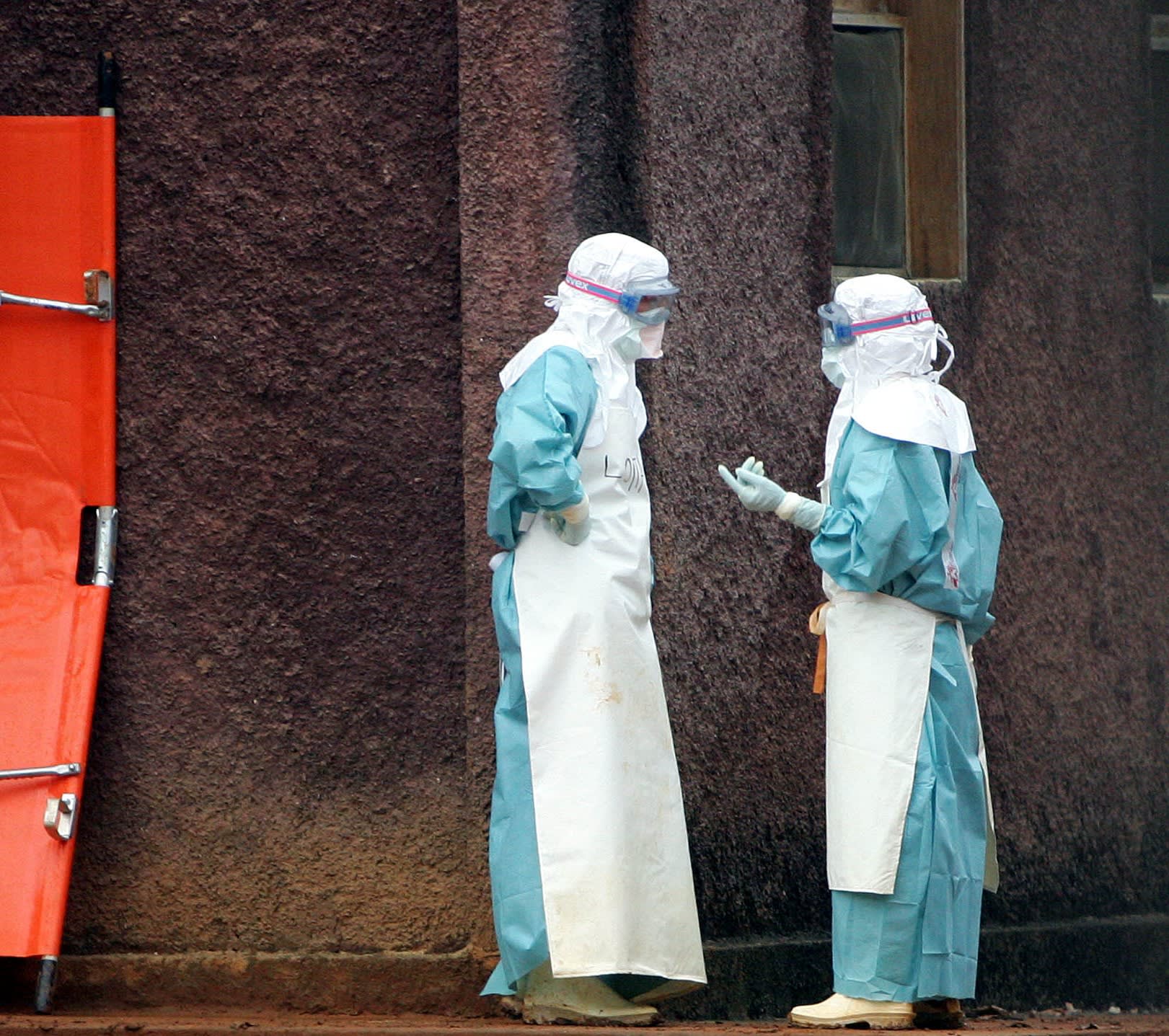
In January 2026, Ethiopia declared the end of its first outbreak of Marburg virus disease less than three months after it was detected. This rapid containment is just the latest example of why every country should have its own national public health agency.
International cooperation is vital to protecting populations from health threats, but every outbreak begins locally. In light of recent drawbacks in international aid, when it comes to the ground-level work of detecting diseases, identifying pathogens, training experts, and communicating with the public, nothing can substitute for having a robust and accountable coordinating organization for the national public health system.
Causing a deadly hemorrhagic illness similar to Ebola, Marburg infected at least 14 people, killing nine. The loss of life is tragic. It also could have been far worse. On November 12, 2025, Ethiopia's national public health agency detected suspected cases of hemorrhagic fever in a small southern town. The patients provided biological samples, and within two days the agency's central laboratory had identified the Marburg virus. This swift action set off a large-scale mobilization: According to Ethiopia's Ministry of Health, during the eight weeks following confirmation of the outbreak, laboratories conducted 3,800 diagnostic tests, airlines screened 4.8 million travelers, and health officials ran a prevention-awareness campaign that reached more than 20 million households. After 42 consecutive days with no new infections, the outbreak was declared over.
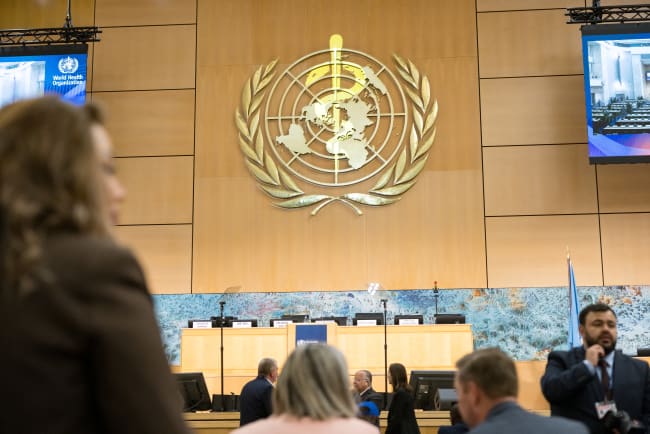
Currently, 101 countries—about half the globe—have a national public health agency
Currently, 101 countries—about half the globe—have a national public health agency, according to an internal review done by the World Health Organization (WHO). In these countries, essential public health functions have been organized under a singular authority that's been given scientific independence, infrastructure, and resources. Another 20 countries are in the process of establishing one. In countries without a central coordinating agency, public health functions such as surveillance, laboratory confirmation, and risk communications are typically scattered across government ministries, regional governments, and other agencies.
A national agency such as Ethiopia's makes it easier to create political accountability and the chains of command that spur public health action. Fragmentation makes implementation less efficient and coordination more difficult. It complicates decision-making when every hour is critical. In a scenario when a virus with pandemic potential suddenly emerges in a country, leaders need to do everything they can to stop the disease from spreading before it becomes uncontainable. Whom would the president or prime minister call?
When the COVID-19 pandemic hit, countries with national public health agencies were positioned to mobilize. Although no research study has measured the unique effect of having a national public health agency on pandemic response, an assessment by the WHO's COVID-19 Health System Response Monitor found that across Europe—where countries have broadly similar levels of economic development and health-system capacity—having a more fragmented approach to public health led to redundant activities, poor communication, and ambiguity around who was responsible for certain actions. The fragmented responses were less efficient and less effective.
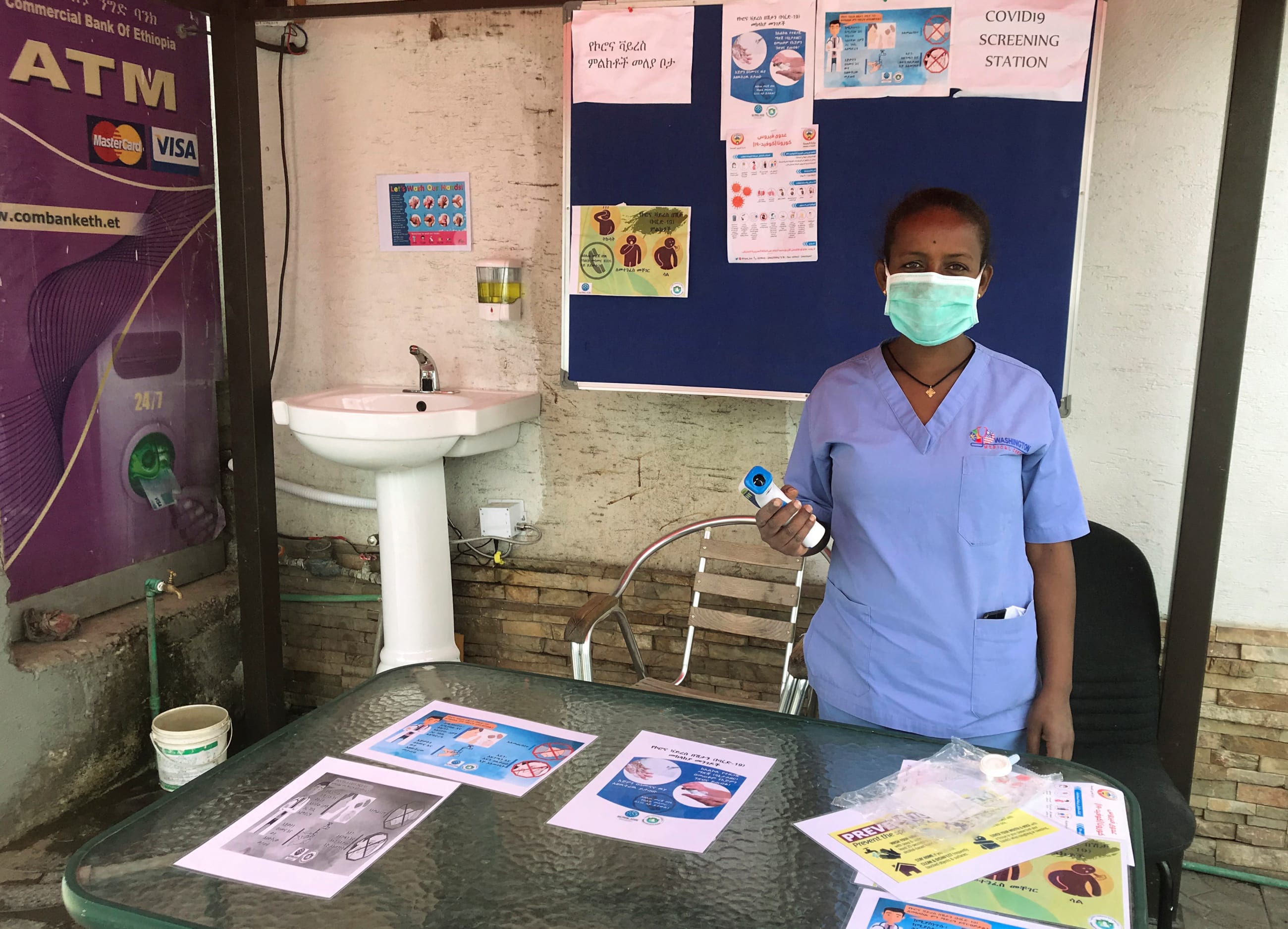
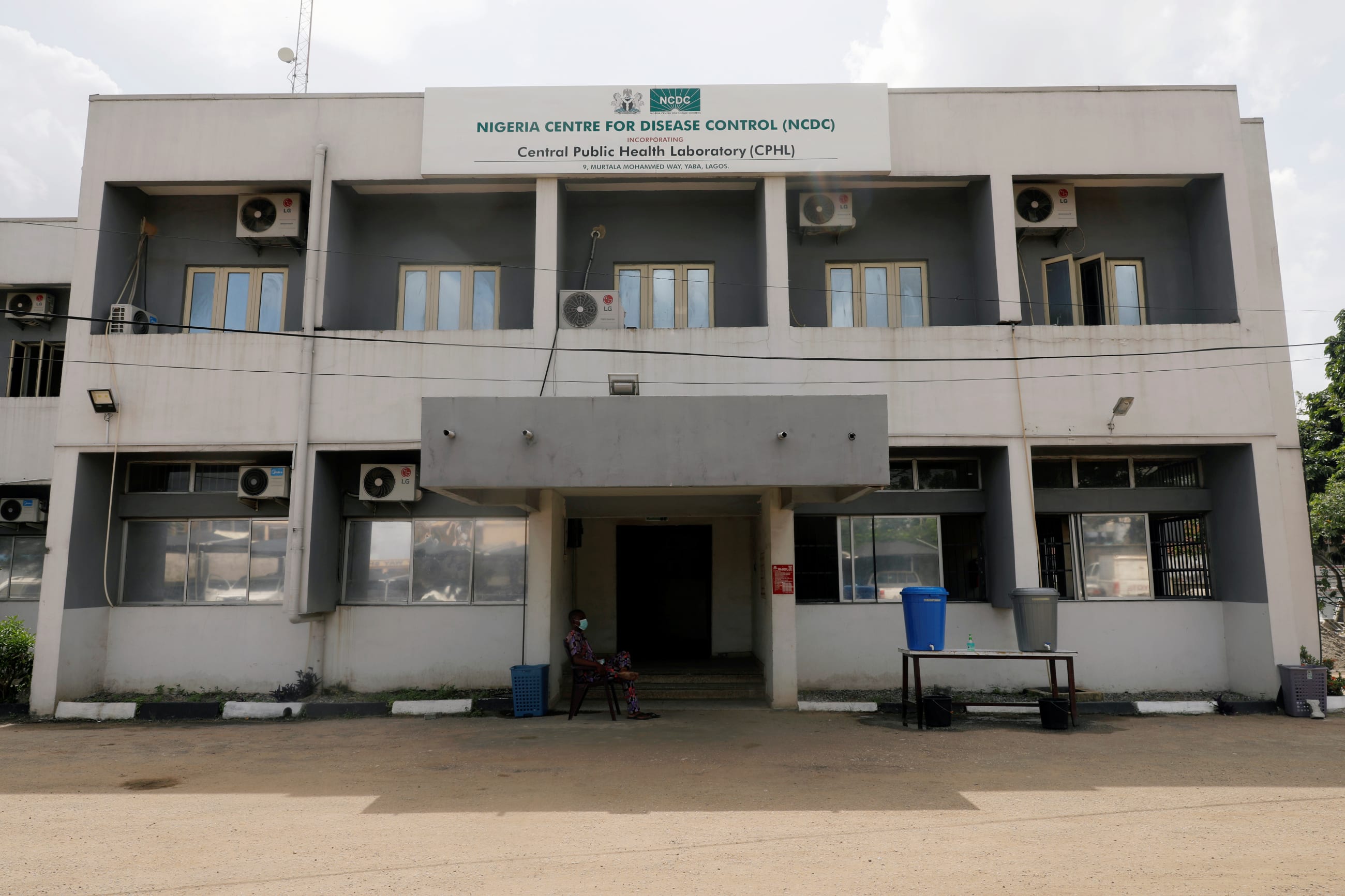
Having served as director general of the Nigerian Center for Disease Control and Prevention (NCDC), Ihekweazu witnessed firsthand how a national public health agency with an unambiguous mandate to coordinate disease surveillance, laboratories, and outbreak response can transform a country's ability to respond to health threats. At its start in 2016, NCDC had just 100 staff members, dwarfed by its U.S. and UK counterparts, each having a work force of several thousand. But as recounted on the Global Health Matters podcast, that mandate made it possible to rapidly build critical public health infrastructure in the country. Within a few years, the new agency both constructed and refurbished molecular labs, rolled out modern digital tools for disease surveillance, launched a Take Responsibility communications campaign to build public trust through transparency, and built an emergency operations center. When Nigeria detected its first case of COVID-19 in February 2020, the NCDC's Coronavirus Preparedness Group was ready to activate an emergency response.
Nigeria's public health agency came together after a series of outbreaks—including the 2014 Ebola epidemic—exposed the need for stronger national coordination. Public health agencies have often sprung up during crises. In the 1940s, a wartime malaria-control program evolved to become the U.S. Communicable Disease Center, which is now today's U.S. Centers for Disease Control and Prevention (CDC). After the 2003 SARS outbreak, Canada and South Korea established new public health agencies, and China undertook significant reforms to its CDC. But, per the adage, "an emergency is not the best time to start handing out business cards." For countries without national public health agencies, the best time to start establishing one is before another crisis begins.
Countries with smaller populations—such as island states—need critical functions at the national level for a strong regional response, though they are more likely to share public health responsibility with neighboring countries.
In 2025, Australia, Japan, Kenya, and Singapore announced new national public health agencies to coordinate their emergency preparedness and response. The first step in a country's journey to establish such an agency is making the political decision to do it. Following that, the agency needs a clear legal mandate, funding and staff, and the consolidation of key capacities within the institution. The WHO has recently published guidance to support countries in the process of identifying capacities that public health agencies can lead or support.
The next pathogen is sure to emerge, and either clarity or confusion will define the response. For the sake of the world's health, let every country have the public health agency it needs.