Less than two years ago, I wrote about Lebanon standing on the brink of calamity. Today, it feels as though the country has gone straight over the edge. Before the current war in the Middle East broke out, many people were already struggling simply to maintain a stable life. Now they are fighting for survival again.
As a humanitarian worker in Beirut, I see the consequences every day. The strikes have killed 1,094 people and injured 3,119 as of March 25, according to the Lebanese health ministry.
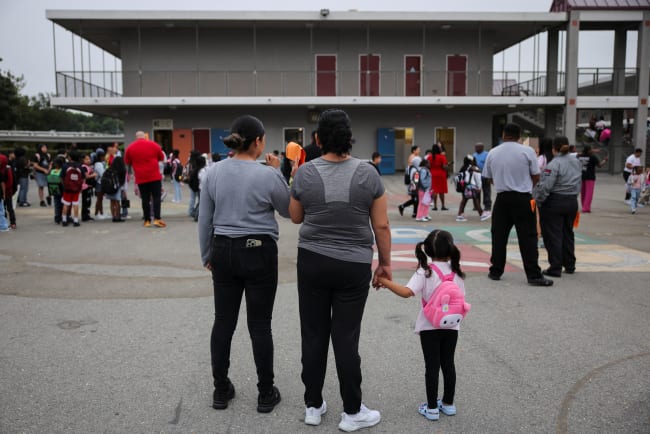
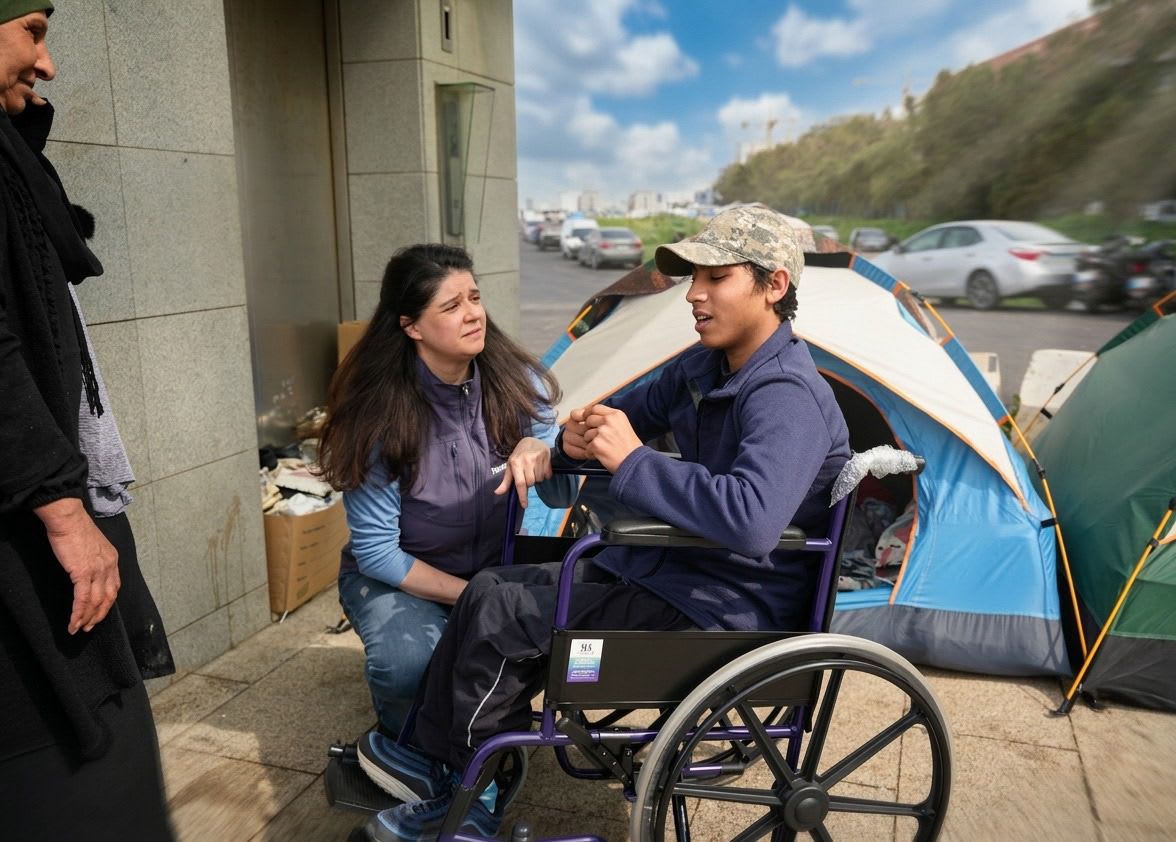
Estimates suggest that up to 1 million people across Lebanon have been forced to flee their homes. Schools have become shelters overnight, and sports stadiums are prepared to receive families who have nowhere else to go.
Entire neighborhoods empty within minutes when evacuation warnings flash across phones and social media. Children leave carrying backpacks filled with whatever their parents could grab in the rush to escape. Mothers walk with infants wrapped in blankets. Elderly people move slowly through crowded streets, unsure where they will sleep at night—or whether they will ever return to the homes they just left behind.
Lebanon has known war before. Far too many times. Yet this moment feels different because it is unfolding in a country already on the brink of collapse from years of crisis.
Responding to Crisis
Lebanon's health system was fragile long before this most recent escalation. Since 2019, the country has endured one of the worst economic crises in modern history. The national currency has lost more than 90% of its value. Hospitals have struggled to keep their lights on. Hundreds of doctors and nurses have emigrated. Families have been forced to make impossible choices between buying medicine and buying food.
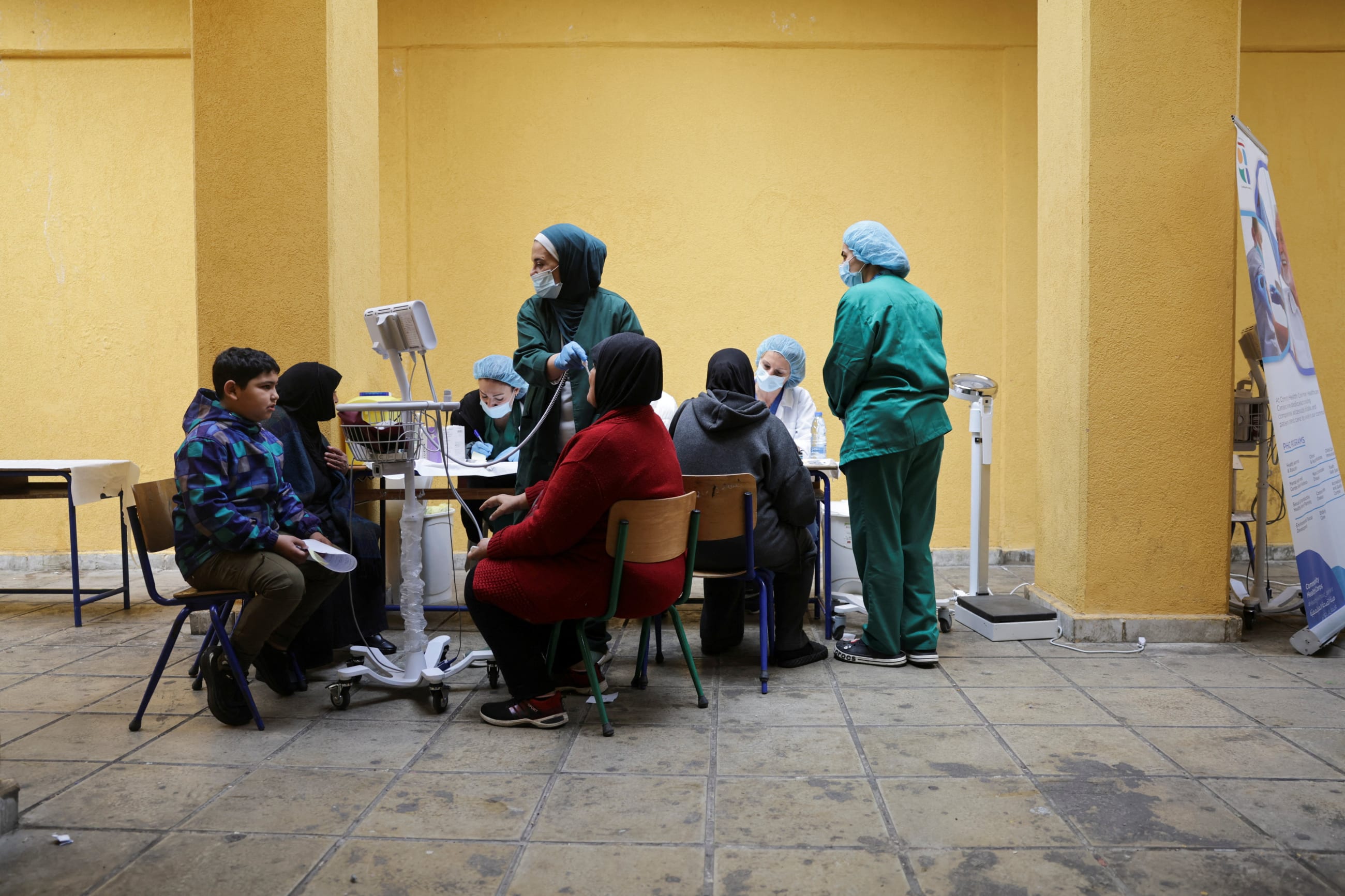
Several hospitals have already closed during the first few weeks of war; others have been damaged. Medical teams are now treating trauma injuries while trying to care for elderly patients with heart disease, diabetes, and hypertension who have suddenly lost access to treatment. Health workers have been killed or injured in the violence, further straining health-care delivery.
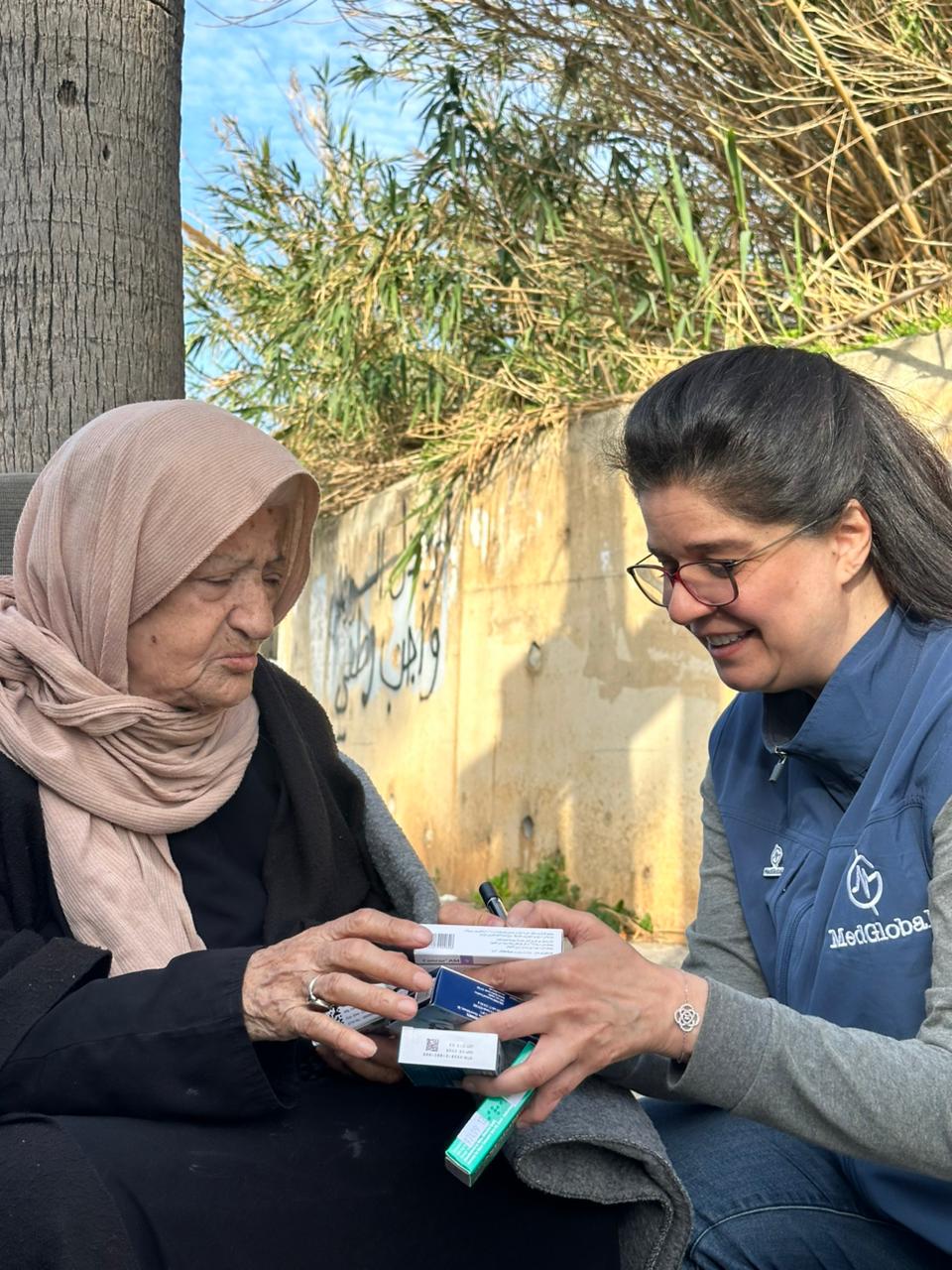
Amid the chaos, families arrive at shelters carrying nothing more than a plastic bag with a few belongings. Patients with chronic diseases show up without the medications they depend on to stay alive. Mothers worry about how to feed newborns in overcrowded classrooms turned into temporary shelters.
Through MedGlobal, our teams are working to support clinics and hospitals, mobilize essential medications, and deploy mobile medical teams to reach displaced communities that have lost access to care. In shelters, we are also supporting mothers and infants with basic supplies such as formula and blankets—small interventions that can make a difference for families who fled their homes with nothing.
But humanitarian organizations struggle to keep up with the speed and scale of the crisis. Due to limited capacity at shelters, many displaced people are sheltering in public spaces, open areas, and temporary locations such as parking lots and restaurants. Every day more and more people join the ranks of the displaced, and some clinics and hospitals are forced to evacuate as the bombing and conflict spreads. The physical and psychosocial needs of such a vast population of displaced are overwhelming.
When I was younger, my aunt used to quote an old Lebanese saying: "Lebanon sits in the palm of a demon." As a child, I never fully understood what she meant. Today, I think I do.
Lebanon is a country blessed with extraordinary beauty, culture, and resilience. Its mountains and coastline have long drawn people from around the world. Its cities are vibrant and full of life. Its people are fiercely proud of their identity and their ability to rebuild. Yet its history has also been shaped by forces far beyond the control of ordinary citizens; invasions, cycles of regional conflict, political instability, and economic collapse that repeatedly drag the country back into crisis just when it begins to recover. Generation after generation has been forced to rebuild. And rebuild again.
For many Lebanese today, the tragedy is not only the violence unfolding around them. It is the feeling of being trapped in a recurring nightmare, a country constantly trying to stand up only to be knocked down again.
Yet, even in this darkness, Lebanon's people continue to show extraordinary courage. Across the country, communities are stepping in where systems are overwhelmed. In Beirut and Mount Lebanon, families are opening their homes to displaced strangers, often hosting multiple families at once. In Saida, local municipalities and volunteers have been working around the clock to organize overcrowded shelters and coordinate support for thousands of displaced people arriving daily. On the ground, I see young volunteers distributing food, water, and basic supplies within hours of displacement, often using their own limited resources. Medical teams, in both hospitals and mobile clinics, continue to work through exhaustion and personal risk to treat patients and ensure continuity of care.
The world tends to notice Lebanon only during moments of disaster. Beyond the headlines of the current conflict are millions of people who simply want what everyone else wants: safety, dignity, and the chance to live normal lives.