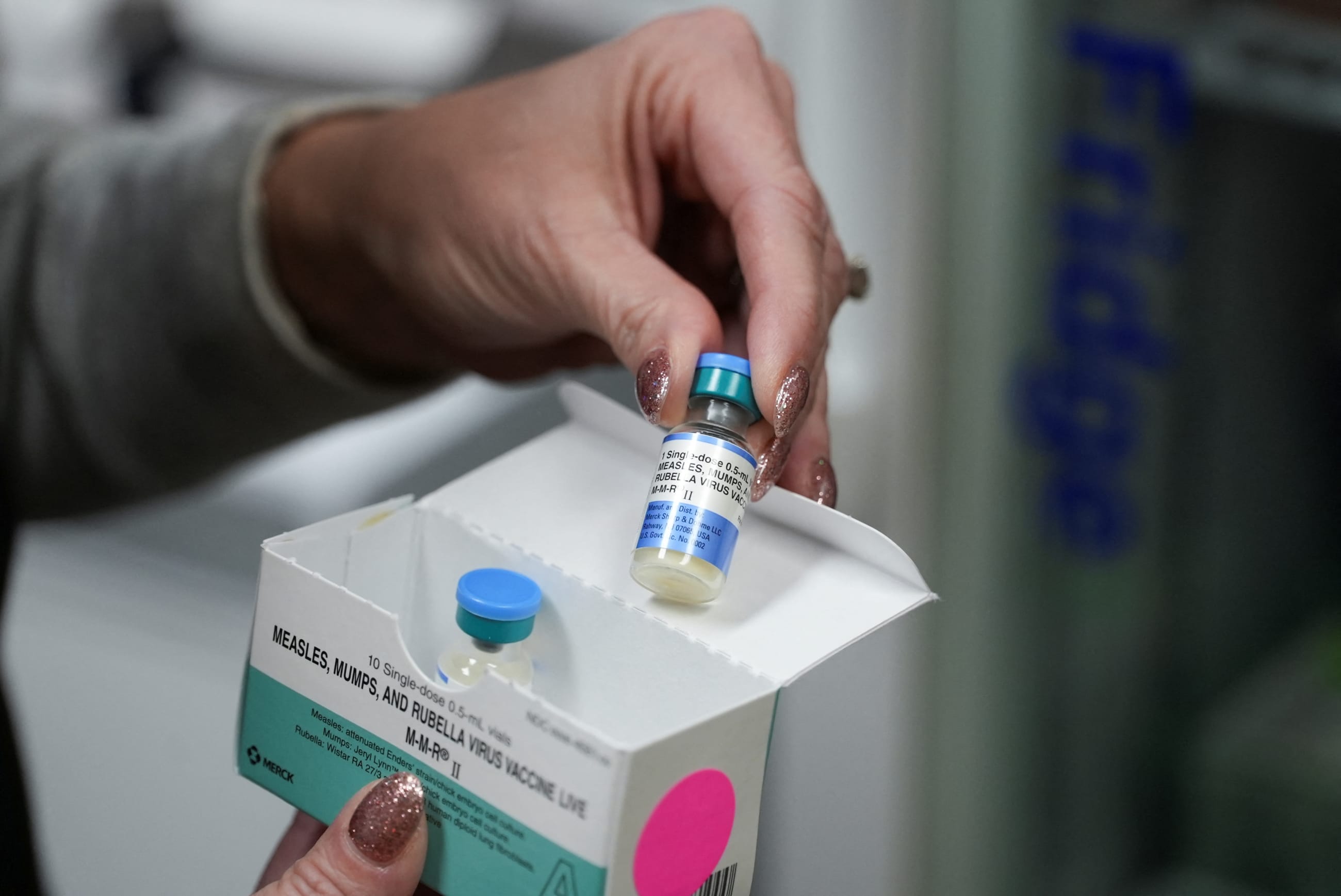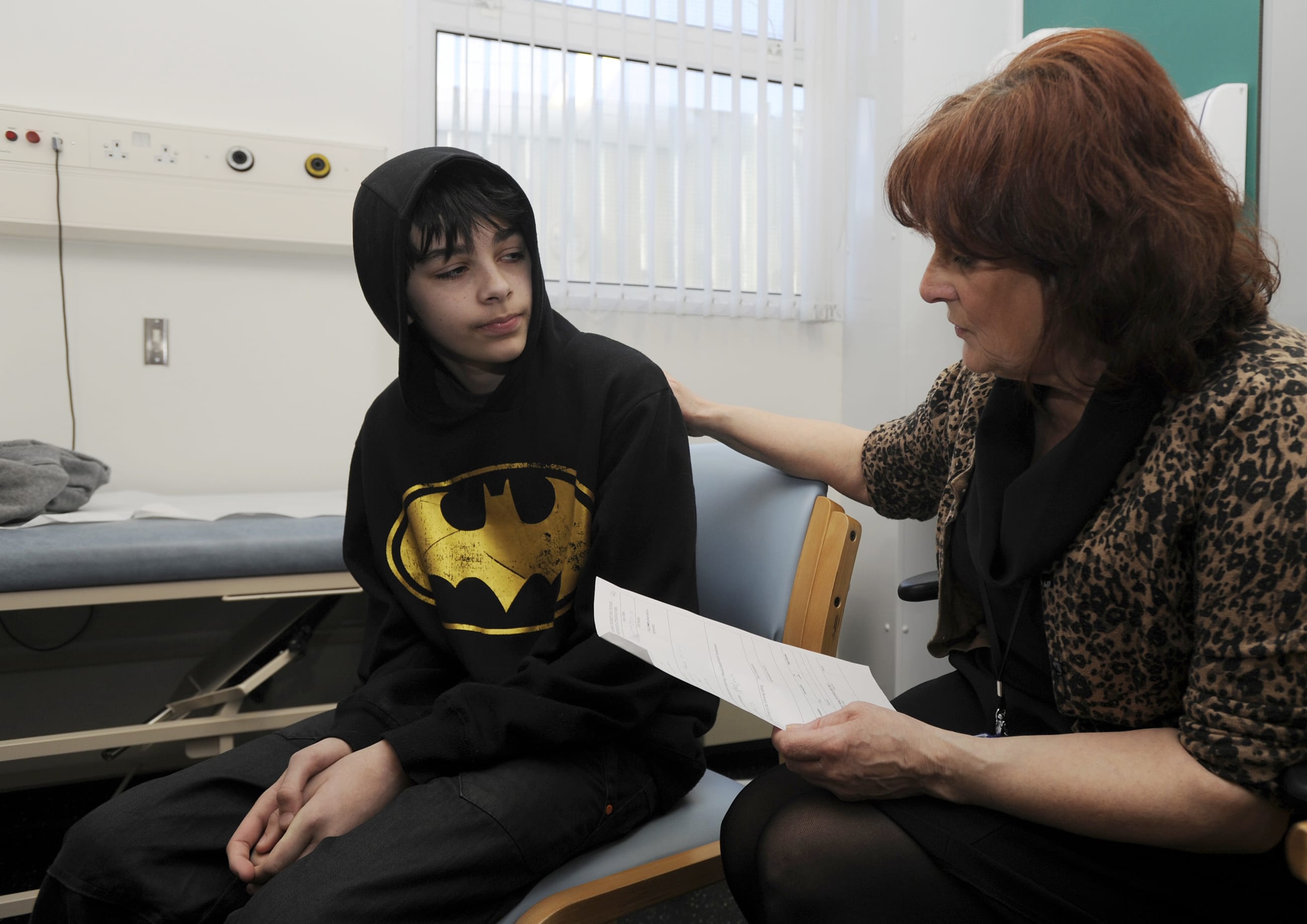
Bulgaria has reported nearly 200 measles cases this spring—up from just two cases in all of 2025—prompting health officials to deploy some 24,000 vaccines to control the wave of infections, mostly among young children.
The outbreak has proliferated despite Bulgaria's free and mandatory measles vaccinations, access to the shots through primary care offices, and fines for parents who refuse them. In 2024, 91% of Bulgarians were fully immunized against measles, falling short of the recommended 95% population coverage [PDF], by the World Health Organization (WHO), to prevent outbreaks of the highly contagious disease.
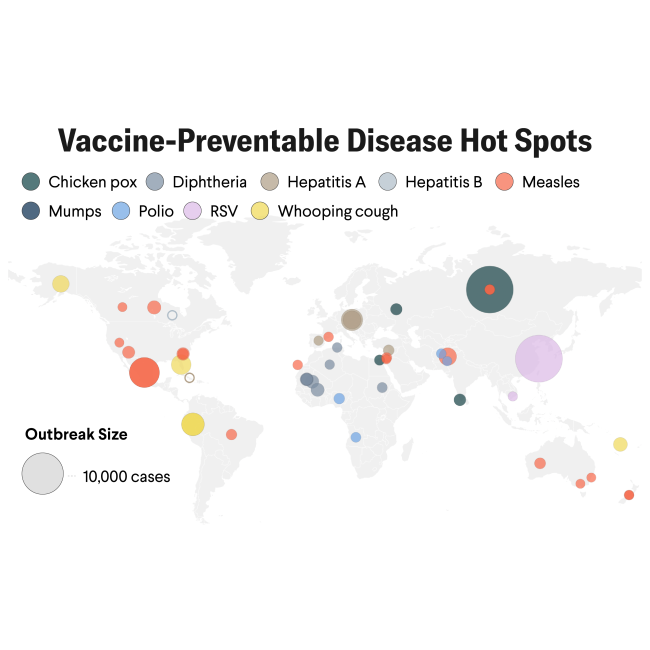
Bulgaria is hardly alone. Health authorities across the region are struggling to get a grip on measles, which sickened 7,655 people last year in the European Union and nearby countries. The disease is widespread, with 350 cases reported in 15 countries in the first two months of 2026. Latvia is in the midst of its first measles outbreak in eight years [PDF], and in January, six countries lost their measles-free status after the disease spread unchecked for more than a year.
The measles vaccine is 96% effective after two doses at reducing the chances of infection, but misinformation has some parents opting out. Other children are slipping through the cracks of national medical systems, according to doctors, health officials, and researchers who spoke to Think Global Health.
7,655
Health authorities across the region are struggling to get a grip on measles, which sickened 7,655 people last year in the European Union and nearby countries
Since 2019, measles vaccination rates have fallen across at least 20 European countries—led by Estonia, which saw a 16-percentage-point drop—and many are below the 95% threshold. That's despite 12 countries in the European Union mandating the measles vaccine and the rest offering it for free through public health care. In Bulgaria and elsewhere, enforcement of the mandates is lax and fines can be low, and some countries lack national registries to track children's vaccination status, a 2018 report found [PDF].
Peter Kowatsch has seen around 30 measles cases over his nearly four-decade-long medical career in Austria. He still remembers an incident from 19 years ago, when he treated an unvaccinated 2-year-old child who suffered from severe complications—likely pneumonia, which affects up to 1 in 20 children with measles—for weeks as her tiny body struggled to fight off the infection.
"The kid almost died because of measles," Kowatsch said. He recalled her parents saying that measles "'is a normal infection, and the child will have much stronger protection afterwards.'"
It's a sentiment he's been battling for years, given that many parents believe "natural immunity" is safer and offers longer-lasting protection than vaccination.
"That's a cultural thing [in Austria], the idea that we need nature over vaccines, basically, [and] that the government shouldn't interfere too much in our personal lives," said Katharina T. Paul, an associate professor at the University of Vienna.
Europe is one of the world's most vaccine-skeptical regions, but the COVID-19 pandemic supercharged the politics around shots. Last year, an Austrian doctor launched a group called Make Europe Healthy Again—styled after the Make America Healthy Again movement—to lobby governments and promote "health freedom," although critics say the group, which is small but has representatives from 15 European countries, promotes anti-vaccine misinformation and conspiracy theories.
"Misinformation is still present," said Dragan Jankovic, who leads the WHO's measles work in Europe. But he cited bigger problems: "The availability and accessibility of health services in some parts of the countries, and to some parts of the population."
Logistical Hurdles to Vaccination
England has confirmed 477 measles cases in 2026, with most cases in North London and Birmingham. Last year, a child died from measles in Liverpool, prompting health authorities to urge parents to immunize their children.
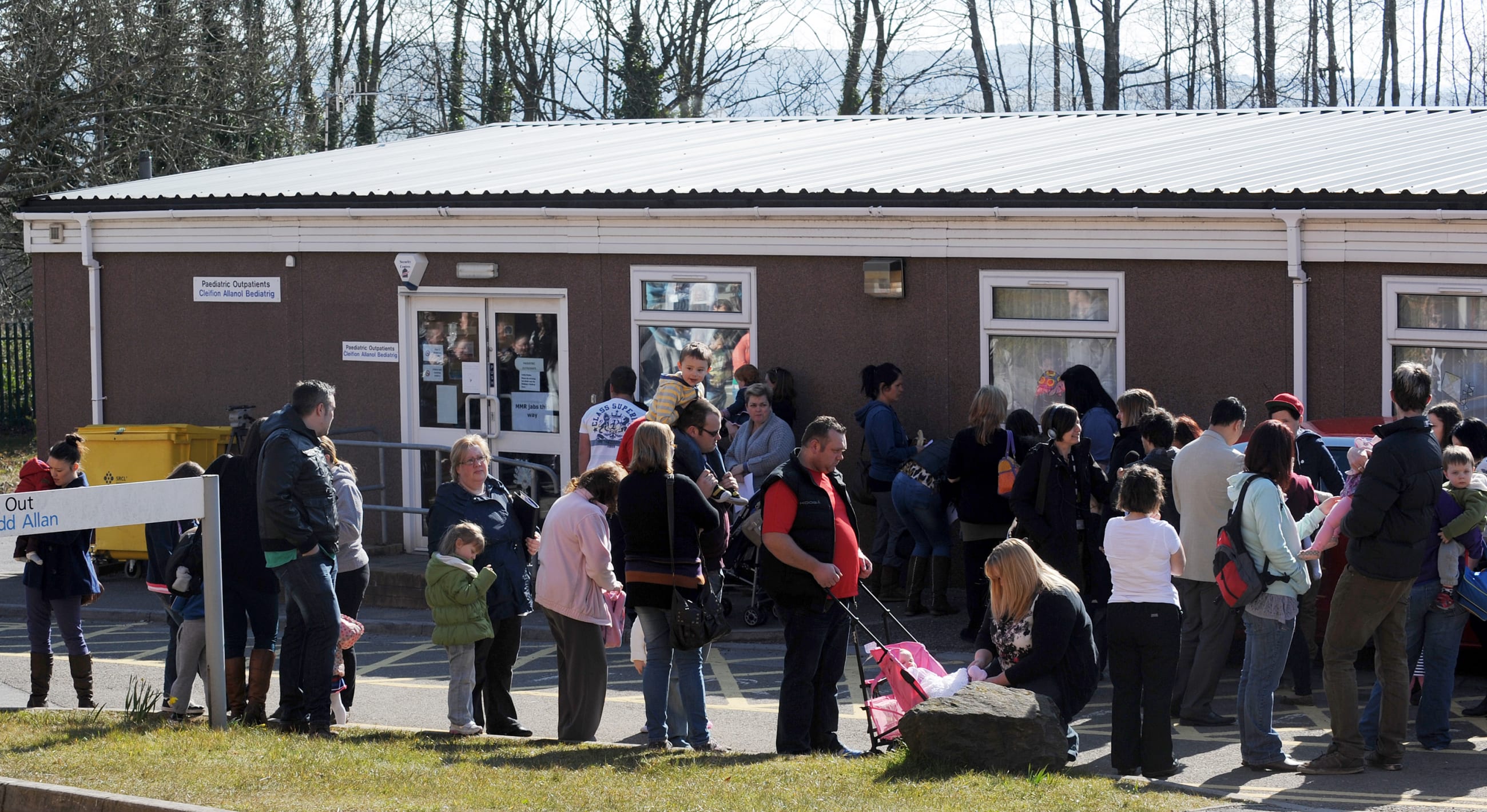
The United Kingdom's Royal College of Pediatrics and Child Health has warned [PDF] that it is too difficult for parents to make doctors' appointments and that health providers don't share enough data—for example, between primary care clinics and emergency rooms—which could help identify which children are behind on routine shots.
In January, a parliamentary committee deemed the United Kingdom's vaccination strategy a "failure" due to falling childhood immunization rates, and they called for it to be replaced with a new plan to boost uptake in childcare and other "early years settings."
"The way that people engage with the immunization system has changed over time, and actually long before the COVID-19 pandemic," said Ben Kasstan-Dabush, a global health policy lecturer at the University of Edinburgh.
He pointed to the United Kingdom's austerity measures, which slashed social services beginning in 2010 and resulted in fewer "touchpoints" between parents and the country's universal health system. For example, the Sure Start program, which offered health services, childcare, and parenting support in neighborhood hubs, closed at least 1,340 centers between 2010 and 2022.
The government is trying to plug those gaps. England launched a new $2.8 million pilot program in January 2026 for nurses to offer at-home vaccinations to families who might otherwise fall through the cracks, including those without a primary care doctor, those with language barriers, and those who can't afford childcare or travel costs.
Logistical hurdles are also a problem in Austria, which confirmed 98 measles cases in the year ending in February 2026—far outpacing its similarly sized neighbors the Czech Republic (29),Hungary (2), and Switzerland (32).
Although the national government is in charge of acquiring and paying for measles shots, Austria's nine states run their own vaccination programs, and communication to parents can be disjointed, according to Paul.
"People kind of have to figure this out themselves," she said. "It's either up to the parent or up to the pediatrician to say, 'Look, your measles vaccine is due. How about we do this today or next week?'"
Although many older adults are immune because they caught measles as children, research from Austria shows those born in 1990 or later are less likely to be protected against the disease because they didn't get vaccinated as kids. Because Austria still uses paper-based vaccine records—its new digital system won't reach full deployment until 2029—many young adults may not realize that they missed the measles shot.
"Many persons simply don't know that they should be vaccinated and that they are missing vaccine doses," said Maria Paulke-Korinek, who leads the vaccines office at Austria's health ministry. But she added, "We have vaccination gaps in all age groups."
Where Outbreaks are Growing
Although measles cases have fallen overall for the European Union since a 2024 high, they continued to climb in France, the Netherlands, and Spain in 2025. If current trends continue, Spain and Italy could surpass their 2025 tallies this year; Latvia, with more than 40 cases, already has. The disease is endemic in France, Germany, Italy, Poland, Romania, and a handful of other European countries.
"Circulation is still continuing in many countries in the region, [and some] are in a worse situation than previously," Jankovic said.
Spain, which lost its measles-free status in January, has reported 103 measles cases [PDF] so far this year, with at least 24 tied to family outbreaks in Madrid. Spain tallied 397 cases in 2025 compared to 227 a year prior. Spanish health authorities cite imported cases from Morocco and Romania, which are grappling with large, years-long outbreaks.
They downplayed the role of antivaccine sentiment, given that immunization rates in Spain have hovered around 92% for years. Yet the surge in cases underscores that if there are pockets of unvaccinated people within a country, measles can take root—as it did last year in the coastal Garraf region, just south of Barcelona.
With the European outbreaks, as in the United States, most cases are among unvaccinated children. Most people recover from measles, but the chances of serious complications—such as blindness, brain swelling, and a weakened immune system—are higher for young children and adults older than 30. Eight people died in European measles outbreaks in 2025.
Earlier this year, a 9-year-old boy in Vienna, Austria died from the most severe measles complication, subacute sclerosing panencephalitis (SSPE), which destroys the brain cells and typically appears years after the initial infection.
Notably, however, Jankovic said people don't often rush to get vaccinated during local measles outbreaks. Countries are typically slower to respond to measles cases than they are to other infectious diseases, such as influenza, he said.
"Even during an outbreak, families may think their child is unlikely to be exposed," Jankovic said. They "may have concerns about vaccine safety, which are more immediate than the fear of the disease," and for others, distrust of health authorities or other vaccine objections "can be stronger than outbreak-related messaging."
To defeat measles, he said European countries would need to streamline their immunization programs, improve their outbreak responses, and strengthen their health systems, for example, by addressing worker shortages.
For Kasstan-Dabush, protecting Europe against future outbreaks also means forming comprehensive policies on vaccination. "What really worries me about the United States," he added, "is how parents have to make a decision in the absence of consensus" between the federal government, regional health agencies, and independent groups such as the American Academy of Pediatrics.
In the United States, 1,814 measles cases have been confirmed in 2026 as of April 30, and this year's pace is on track to surpass 2025. Critics blame U.S. Health & Human Services Secretary Robert F. Kennedy Jr.'s mixed messages about the shots for spiraling outbreaks in South Carolina, Utah, and Florida.
"In the same way that other countries can learn from the United Kingdom's mistakes, we have to learn from the mistakes of the United States," Kasstan-Dabush said. "We can't be complacent."