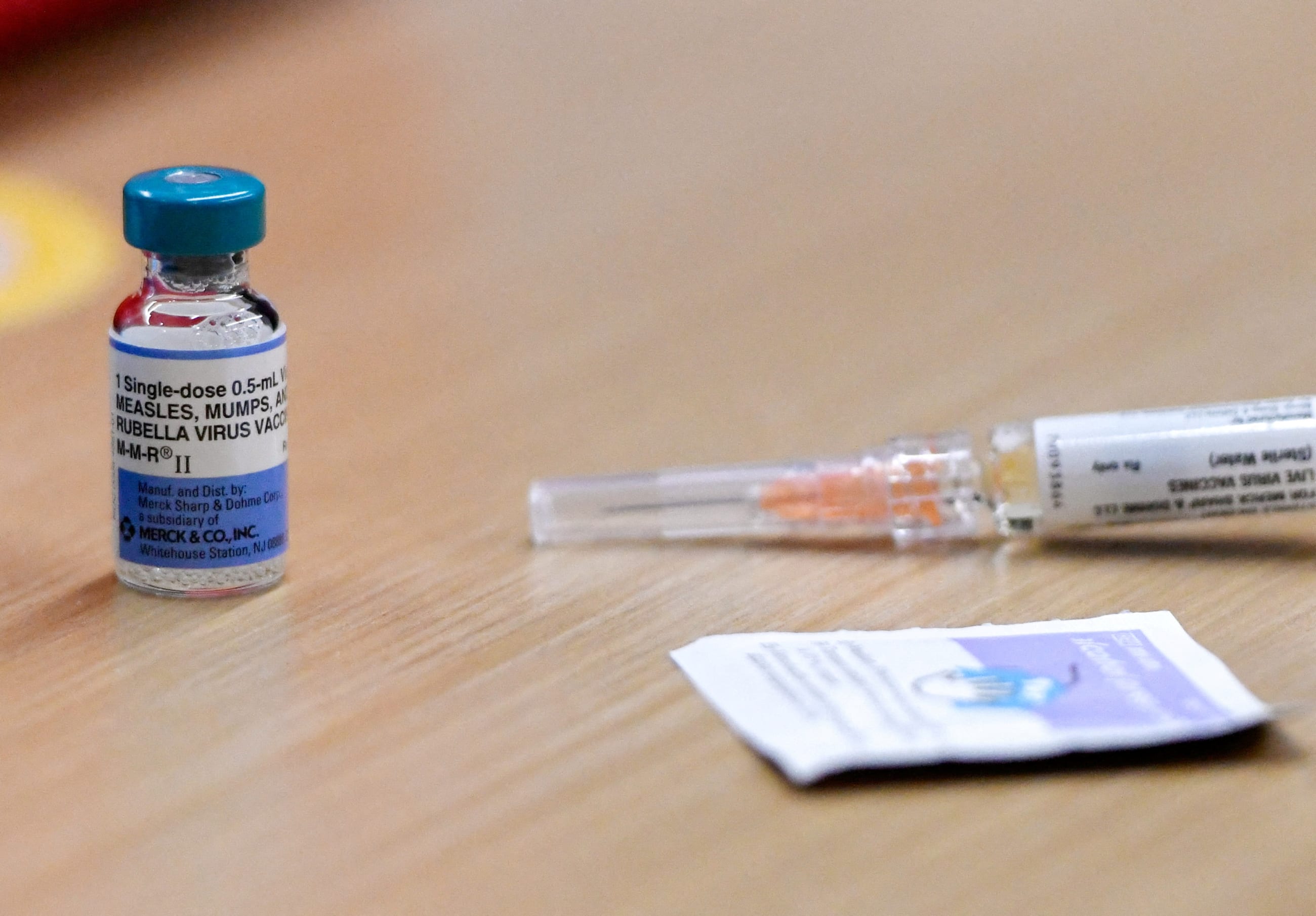
President Donald Trump's executive order (EO) last week recommended that vaccines against measles, mumps, and rubella be administered individually, instead of as the combination shot used under the current U.S. schedule. The EO is not legally binding, and there are currently no monovalent, or single-disease, vaccines for those three diseases that have been approved in the United States. As a result, some could argue that states may never truly implement the proposal—which could get challenged in court—and it could ultimately fizzle out.
However, even if the recommendations never fully take hold in the United States, they could have important contagion effects on demand and supply for measles-mumps-rubella (MMR), measles-rubella (MR), and measles-only vaccines globally.
It has taken the World Health Organization (WHO), the UN Children's Fund (UNICEF), and Gavi decades to encourage countries to move from measles-only vaccines to MR and MMR vaccines. Combination vaccines offer many benefits: fewer injections, fewer clinic or immunization site visits, simpler schedules, and a lower cold-chain, procurement, and logistical burden.
A move toward separating MMR would run opposite to the broader overall direction of using combination vaccines in global immunization programs for uptake, cost effectiveness, and logistical efficiency
These advantages are particularly important in resource-constrained health systems, where clinician time, syringe availability, cold-chain capacity, and access to immunization services are much more limited than in the United States. MR has been an important part of this transition to combination vaccines, allowing low-income countries to address two priority elimination diseases in a single vaccine in a cost-effective manner.
Exclusive use of measles-only vaccine has declined globally as more countries introduce rubella vaccines as a combination. Some high-income countries have moved even further toward combination products. Israel, Luxembourg, and San Marino, for example, routinely use a combination of measles, mumps, rubella, and varicella (MMRV) in a single vaccine. A move toward separating MMR would run opposite to the broader overall direction of using combination vaccines in global immunization programs for uptake, cost effectiveness, and logistical efficiency.
The Contagion Effect
WHO vaccine recommendations remain the gold standard, but U.S. vaccine policy, including EOs, can influence debates in other countries. Even if the EO is never widely adopted, groups opposed to vaccines could cite it as evidence that these combination vaccines require greater scrutiny. This could cause some low- or middle-income countries (LMICs) to reconsider or pause planned transitions from measles-only to MR, or to begin offering measles-only vaccines alongside MR. In a worst-case scenario, some countries could reconsider their use of other combination vaccines. Splitting multicomponent vaccines could reduce coverage overall by increasing children's number of injections, clinic encounters, and opportunities for missed doses.
The operational consequences of moving to single-shot vaccines from combination shots would be extensive. Shifting would require changes to procurement, refrigerated storage, staff training, immunization records, surveillance systems, communication materials, and syringe requirements.
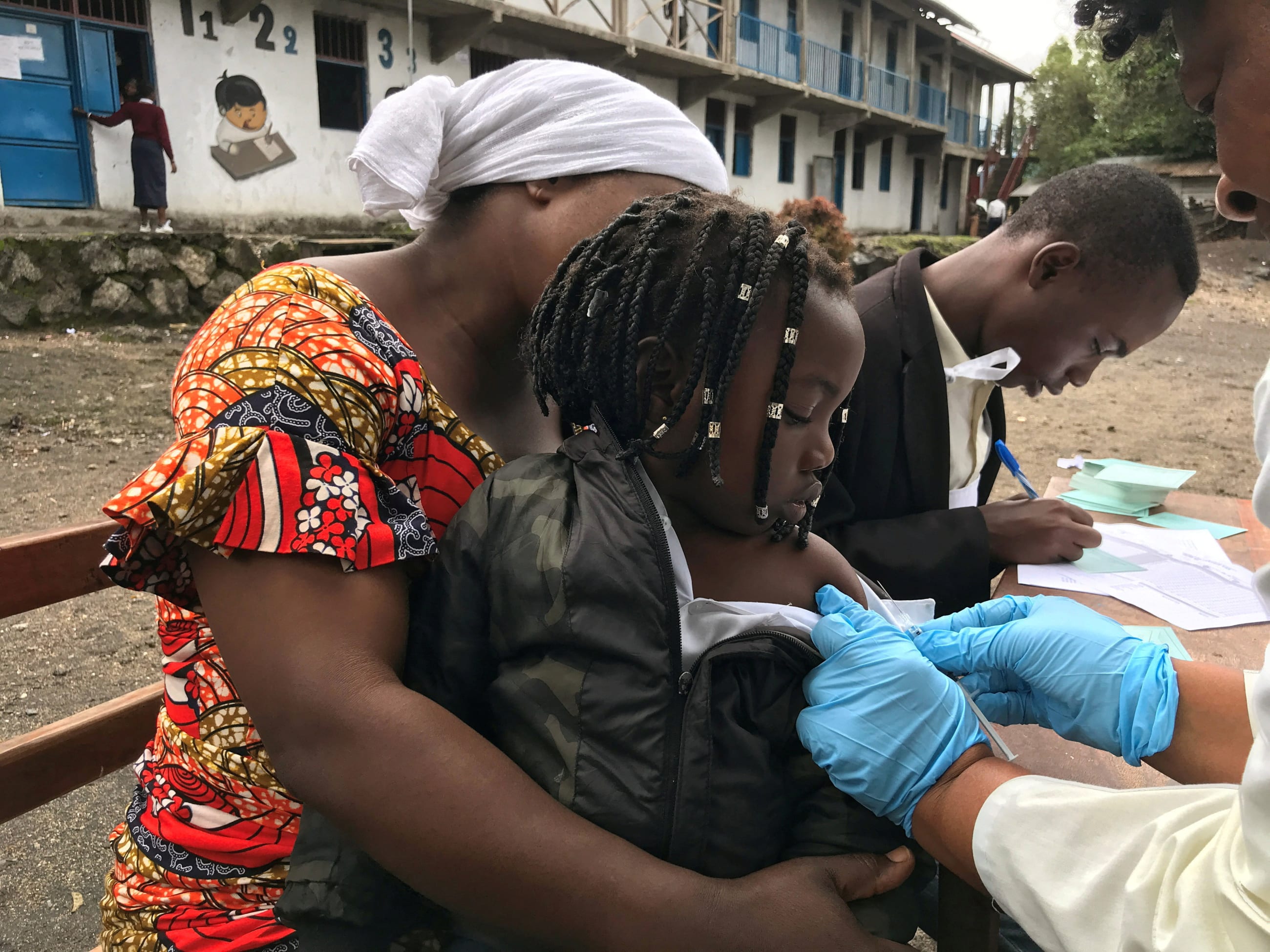
In the United States, clinics and pharmacies would need to stock both MMR, which would still be available, and the three individual vaccines to accommodate different preferences. This would increase inventory costs and cold-chain requirements, which would be a bigger challenge in smaller clinics and rural pharmacies. These challenges would be even more significant in LMICs. COVID-19 highlighted the limits of cold-chain capacity in many LMICs, when vaccine introductions, like rotavirus, were delayed because countries needed to expand storage capacity first. Replacing one injection with three would also increase demand for auto-disable syringes, used to prevent contamination, that are common in many global immunization programs.
Manufacturing Challenges
Implementing the executive order would also create challenges in the manufacturing landscape. The current U.S. MMR vaccine manufacturers, Merck and GSK, could have limited commercial incentive to invest in developing and seeking Food and Drug Administration (FDA) approval for monovalent measles, mumps, and rubella vaccines that would compete with their established combination products in the United States and globally. Japan is unusual among highly regulated markets because it has authorized monovalent vaccines for MMR components, manufactured by Takeda. However, Takeda has limited capacity to expand rapidly into a market the size of the United States, and Japan uses domestically derived vaccine strains that are unlikely to be usable in a U.S. vaccine without significant changes.
Another company that could possibly step in is the Serum Institute of India, a major global supplier of measles-only and MR vaccines. But introducing a new developing-country manufacturer at a time when vaccine confidence is low could be damaging. If market share shifted away from Merck and GSK, both important suppliers of other U.S. vaccines, it could make the market thinner, more fragmented, and less innovation-friendly.
Fulfilling the EO would also have implications for LMIC manufacturers. These companies have invested in MR capacity, based on years of work by WHO, UNICEF, Gavi, countries, and suppliers to create a sustainable and diversified global MR market. If countries pause or reverse the transition to MR, those investments could be undermined. Making LMIC manufacturers less certain about the long-term demand for vaccines would also make future capacity investments less attractive, weakening the supplier diversity that global health agencies have spent years building.
Potential for Long-Term Consequences
The consequences of separating MMR could therefore extend well beyond whether three injections should replace one in the United States. Direct domestic impact aside—which may be limited or could be grave—the larger risk is the signal that the EO sends globally. Even if a few states implement MMR-splitting, that could affect vaccine confidence, immunization coverage, procurement systems, manufacturing investment, and the long-term health of the global measles, MR, and MMR vaccine market.
Past U.S. domestic vaccine decisions also showed the potential for outsized consequences in global vaccination, although careful communication minimized any negative effects. In 2010, the FDA temporarily paused the U.S. use of GSK's Rotarix vaccine, which prevents rotavirus, following an unexpected finding during quality testing. Working with the WHO, the FDA clearly communicated that the risk-benefit calculation was very different in countries where rotavirus killed hundreds of thousands of children each year. Those countries continued the Rotarix vaccine's use.
The U.S. pause proved to be brief, as the FDA restored the vaccine after carefully reviewing the data and handled the situation in a way that did little damage to vaccine confidence. Global coverage rates for rotavirus vaccination have since risen after 2010.
U.S. policymakers should consider the scientific implications of implementing the new EO with the utmost care. Without strong evidence and clear communication, U.S. policy choices about vaccine spacing, timing, and schedule risk unnecessary global fallout from domestic decisions.