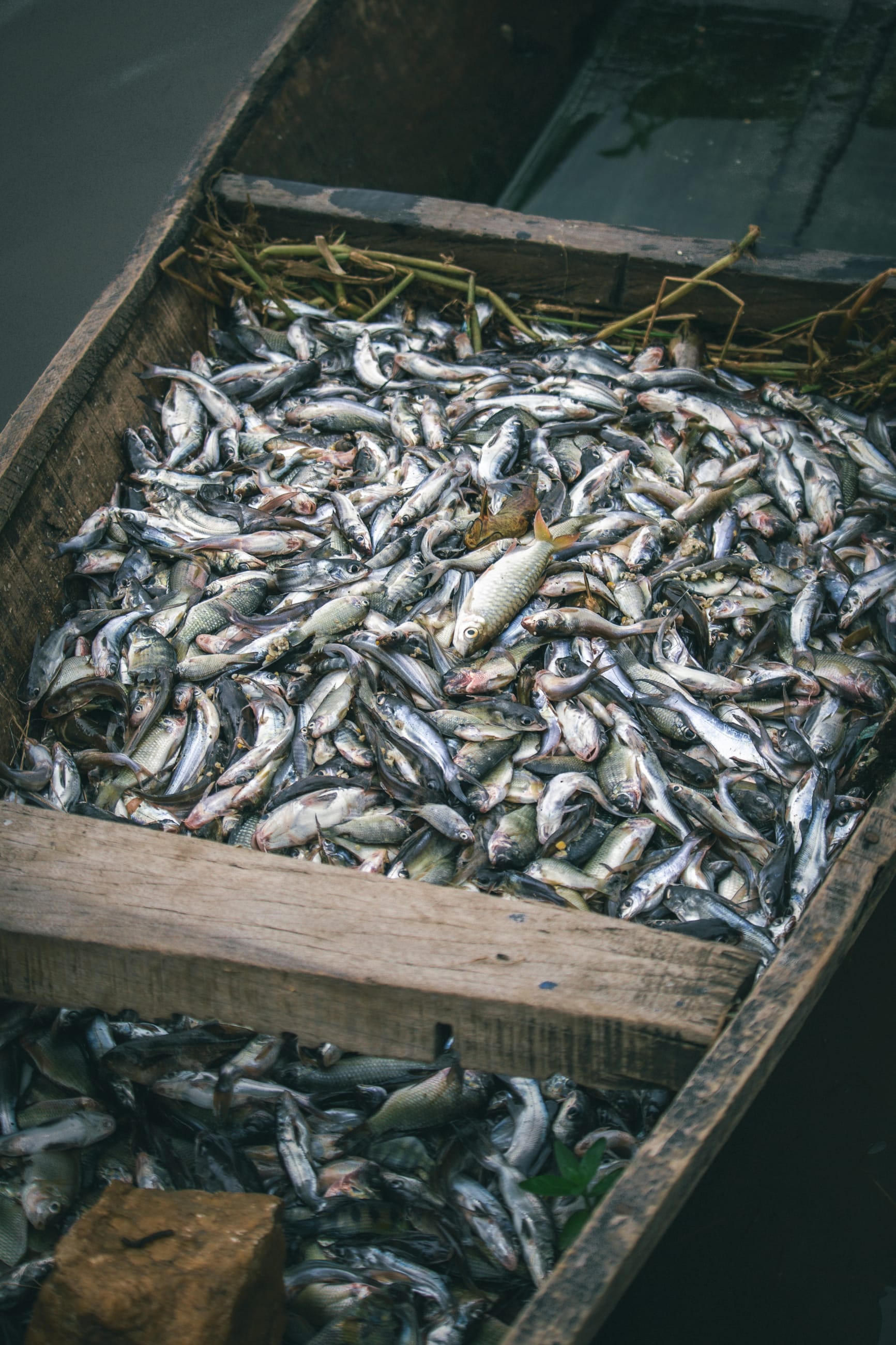
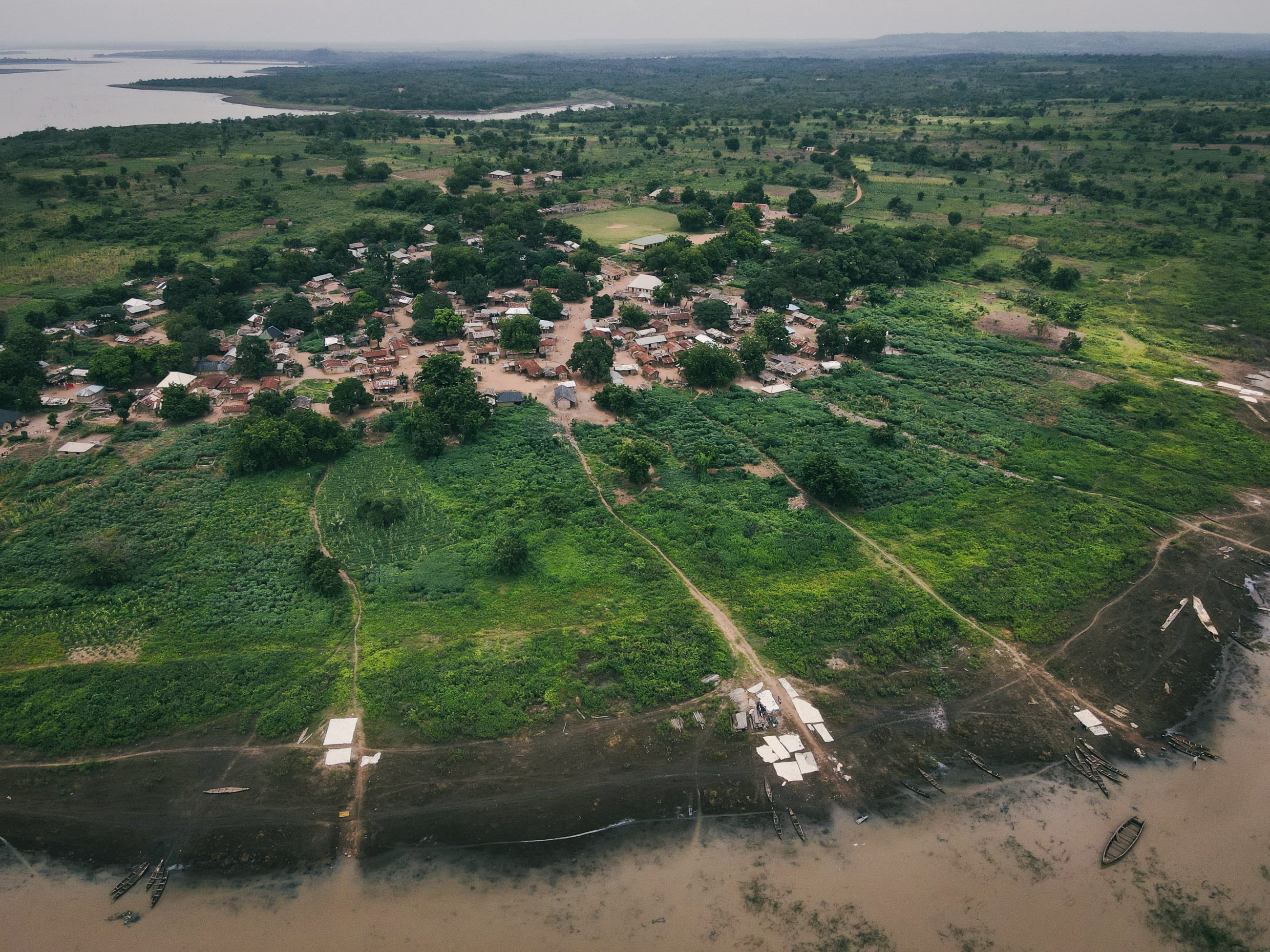
The road to Imala Odo, Nigeria, winds along bustling villages, farmland, and bush and ends near an earthen hut with sweet-smelling smoke rising from its open chimney in spirals. The owner of the hut, Naima*, smokes fish from the Oyan River using a charcoal oven, preparing neatly coiled stacks tucked mouth-to-tail. Community members stop to buy some fish after a visit to the river's edge.
Nearby, village leaders, community health workers, and researchers discuss how to fight a devastating parasite that is invisible to the naked eye and that lurks at the water's surface: schistosomiasis, also known as snail fever, a devastating infection caused by parasitic flatworms in freshwater snails.
Here in Imala Odo, preschoolers may get infected before their first birthday. The disease is endemic in Ogun State, where a June 2026 cross-sectional study found 77.8% illness prevalence in Abeokuta North—and Imala Odo's primary school reaching 90.3%. These hotspots developed alongside a river dam project that altered the river's ecology. For 73.8% of local residents, this river remains their primary water source.
Addressing schistosomiasis requires understanding and modifying the environmental factors that sustain transmission. Olubukola Adelakun, a postdoctoral researcher at the Federal University of Agriculture, Abeokuta, alongside a team of researchers from UTHealth Houston, sought to explore public health interventions with community-participatory spatial risk mapping, with the approval of community leaders. Through field sampling and an innovative drone-mapping effort, researchers found that certain water access points and plant habitats harbor more parasite-carrying snails than others. Identifying those access points that are at higher risk will enable better prediction of areas to prioritize snail control, diagnosis, and treatment efforts for integrated schistosomiasis control efforts.
More Than Two Decades of Mapping
"Schistosomiasis is an ancient disease. It was first described in Egypt," explains Uwem Ekpo, a researcher with the Akwa Ibom State University who has been studying schistosomiasis in this area for 26 years. "The parasite is found worldwide in Africa, Asia, and South America, with different species transmitting diseases." Presently, the disease affects more than 240 million people, primarily in rural areas, and has long-term consequences including bladder cancer and infertility.
"The life cycle is complex," Ekpo explains. "The parasite infects two types of snail species, then matures to become a cercaria (larvae) which shed into the water. These larvae actively penetrate exposed skin when a human being goes into the water."
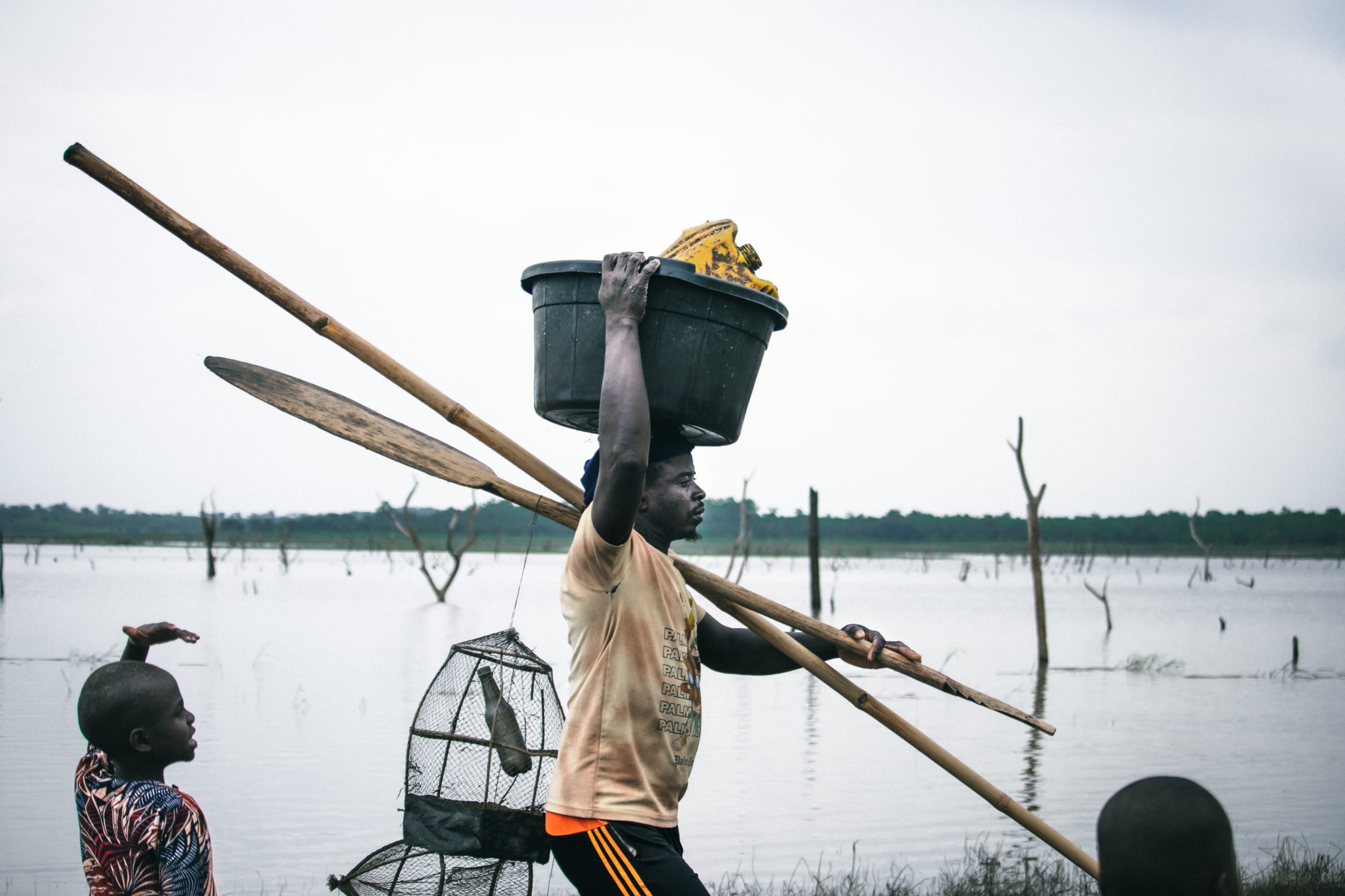
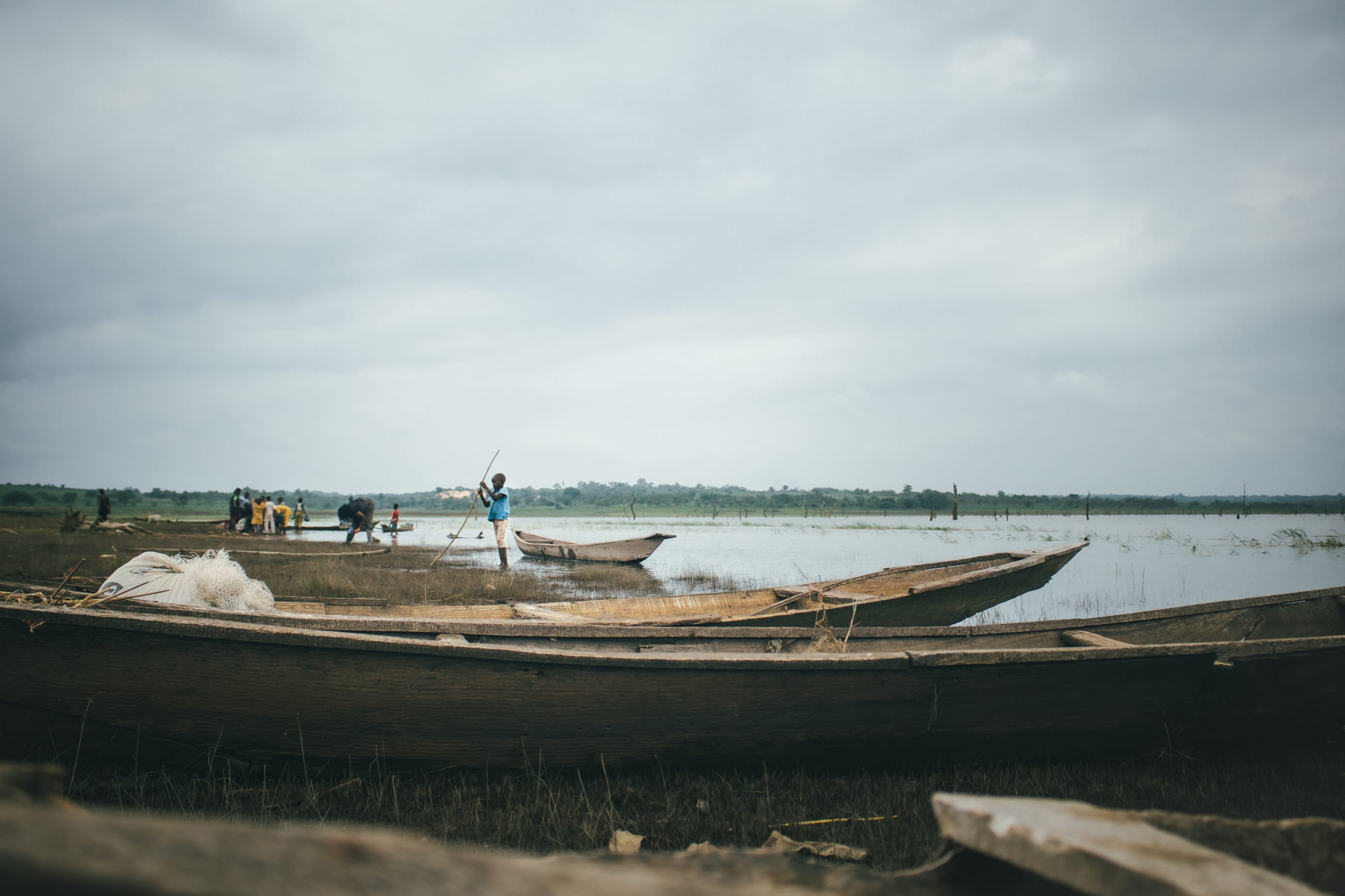
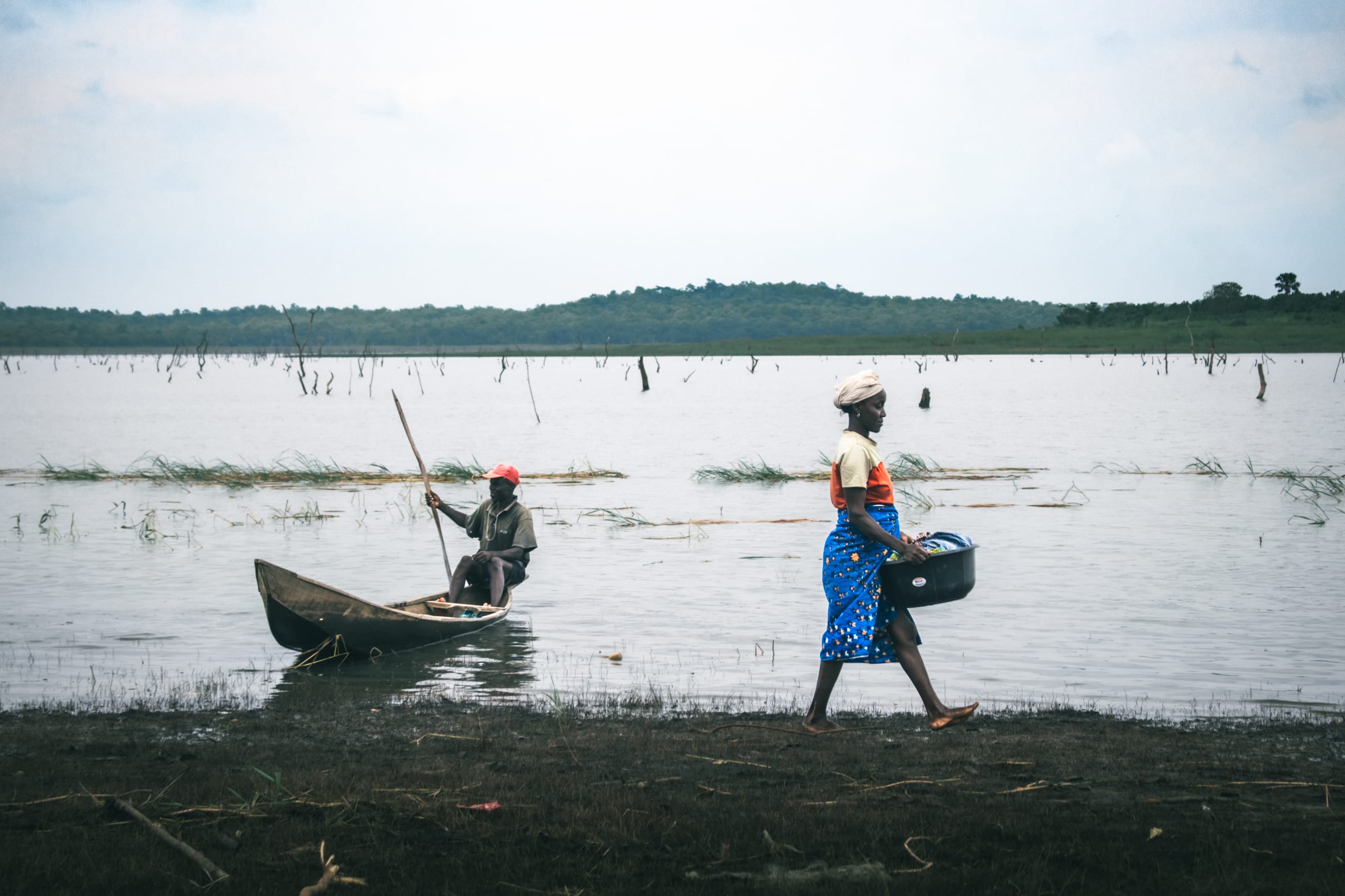
For many in rural communities, river water is the main water source for domestic and agricultural activities. In Imala Odo, Nigeria, the Oyan River is life-sustaining and also a place for livelihood and play.
The Oyan River Dam, built to promote economic growth and self-sufficiency, has been altering the river's ecology. Slower-moving water, shallow shorelines, and dense aquatic vegetation created ideal habitats for snail vectors. Infrastructure designed for development unintentionally became a driver of schistosomiasis transmission. This altered ecological context is a common etiology of schistosomiasis outbreaks in sub-Saharan Africa.
"School-age children from 5 to 14 are the most affected" because they have the most frequent water contact, Ekpo notes. The primary symptom presents when individuals "start urinating blood…A classic sign of infection." But complications extend far beyond hematuria. Inflammation caused by parasitic eggs can lead to chronic pain, reproductive health issues including infertility, and even bladder cancer if untreated.
Female genital schistosomiasis often goes untreated because of limited diagnostic access and stigma, including misconceptions like sexual transmission. Male genital schistosomiasis has also been well described, and has its own unique challenges including infertility, pelvic pain, and erectile dysfunction. Ekpo describes local education gaps related to the disease, like the belief that bloody urine is a sign of maturity in young males.
Field Findings
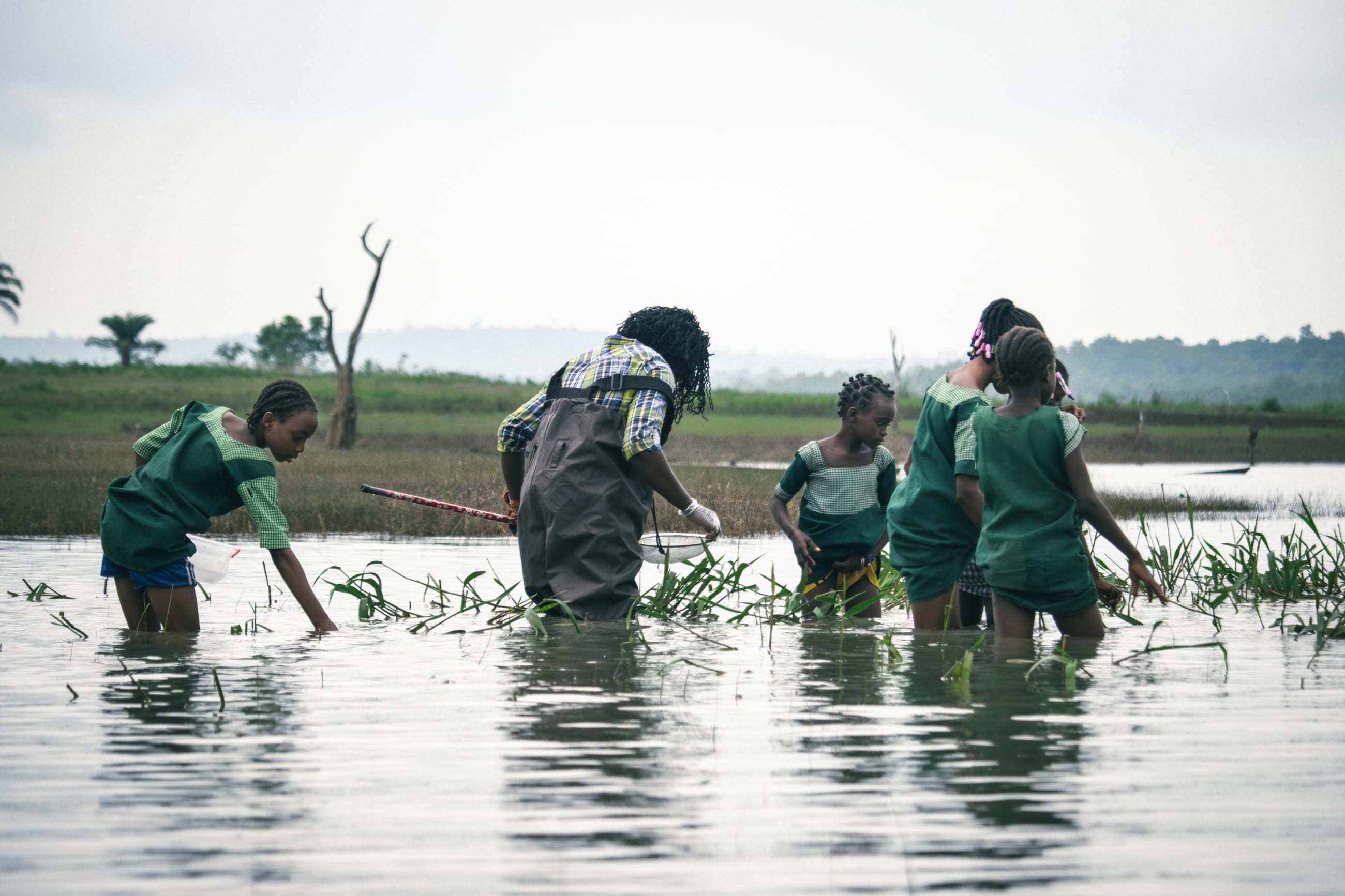
Olubukola Adelakun led the research team's effort to risk-map various water access points along the Oyan River by identifying snail habitat and plant types alongside local fishermen and community members.
Field sampling revealed that certain water access points harbor more parasite-carrying snails than others. Sitting in a fishing boat with community mobilizer Emmanuel, she pulled up what looked like a sea monster from a children's book—a dense mat of vegetation trailing into the water.
"This is actually submerged vegetation. I think it's Ceratophyllum [demersum]," she explains, hoisting the plant into the boat. "Can you see that it's still continuous? It is a single plant."
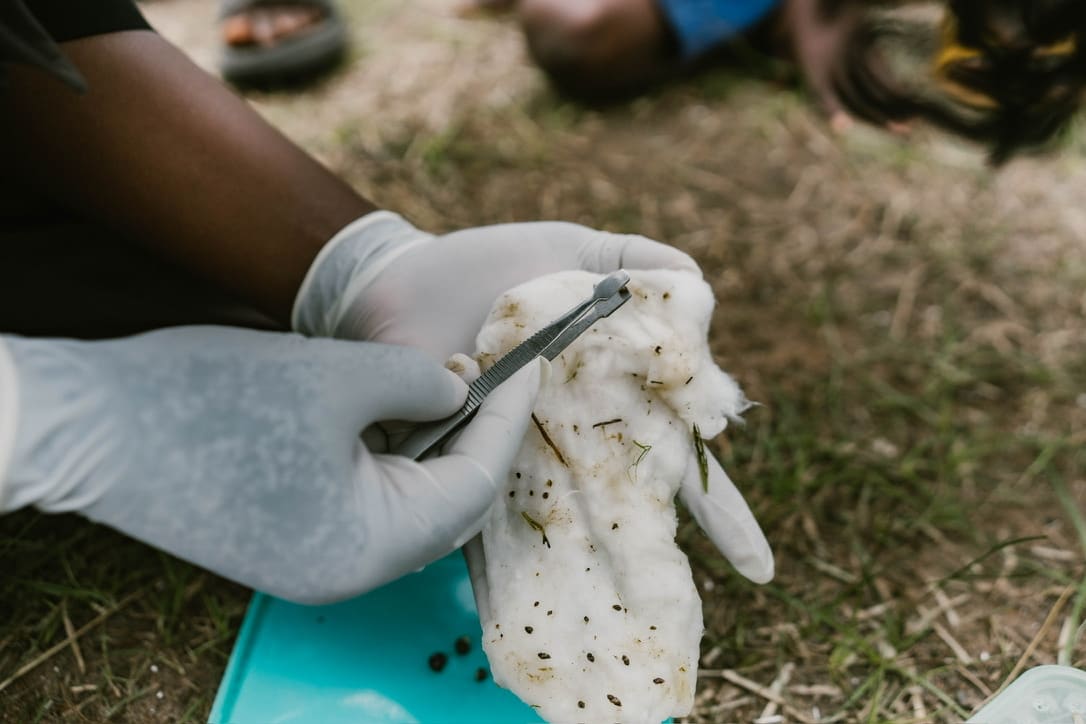
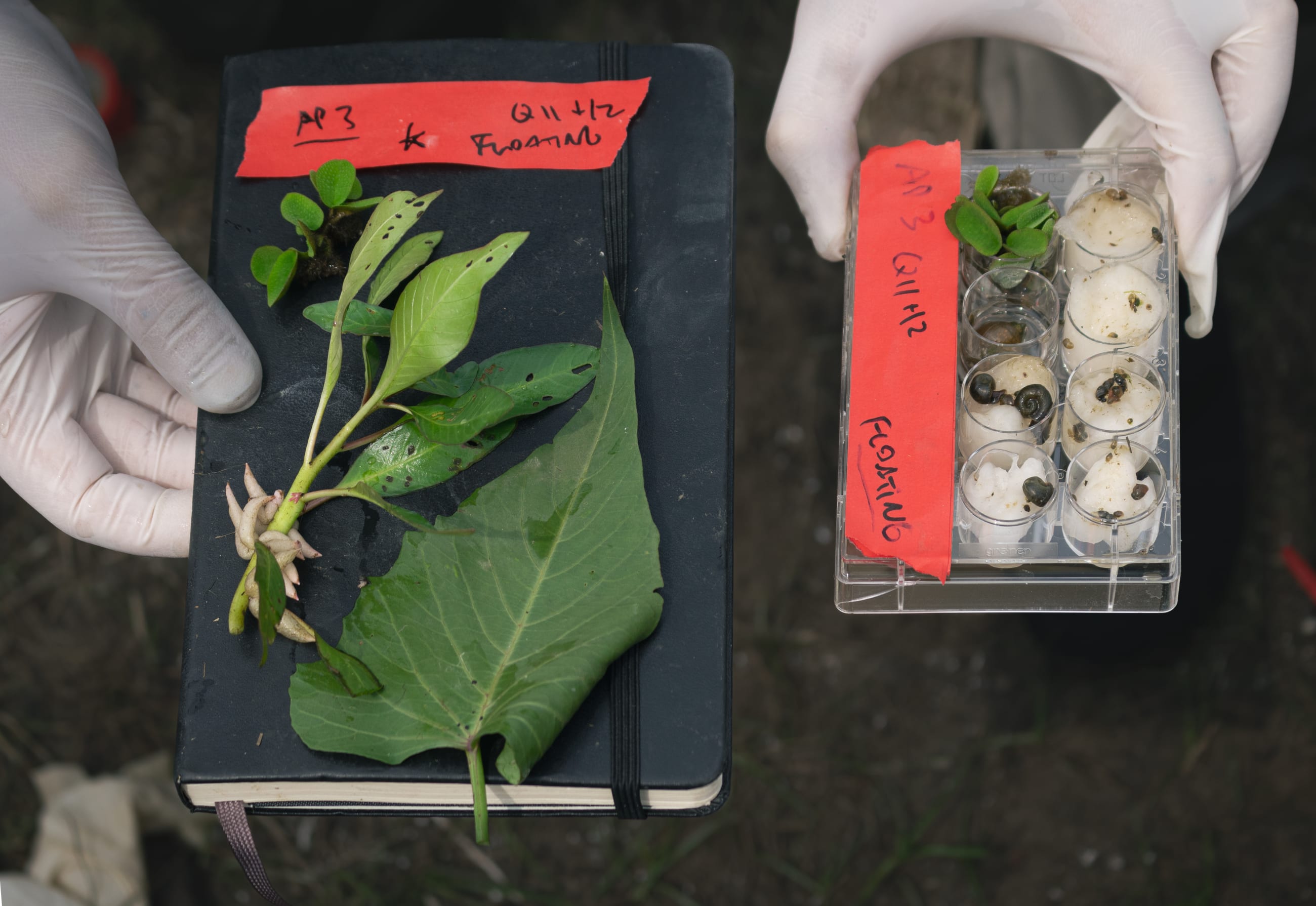
Freshwater snails the size of pencil erasers dotted the green and brown frayed ends of the plant. Once the plant was taken to shore and cleaned, Adelakun identified the snail species based on morphology.
Community leaders identified water access points commonly used for fishing, processing crops, gathering drinking water, and bathing; and Adelakun's team conducted their first snail surveys focused on these water contact sites. "So far we've been able to see that both Bulinus and Biomphalaria snail species [which] serve as intermediate hosts for urinary and intestinal schistosomiasis, respectively, are here."
Her observation about vegetation proved critical to the team's findings: "We actually saw more on the submerged vegetation than the emergent," she says, referring to plants below versus above the surface.
The snail counts quantified this pattern: underwater vegetation harbored more snails per quadrant per unit of time compared to above-water vegetation.
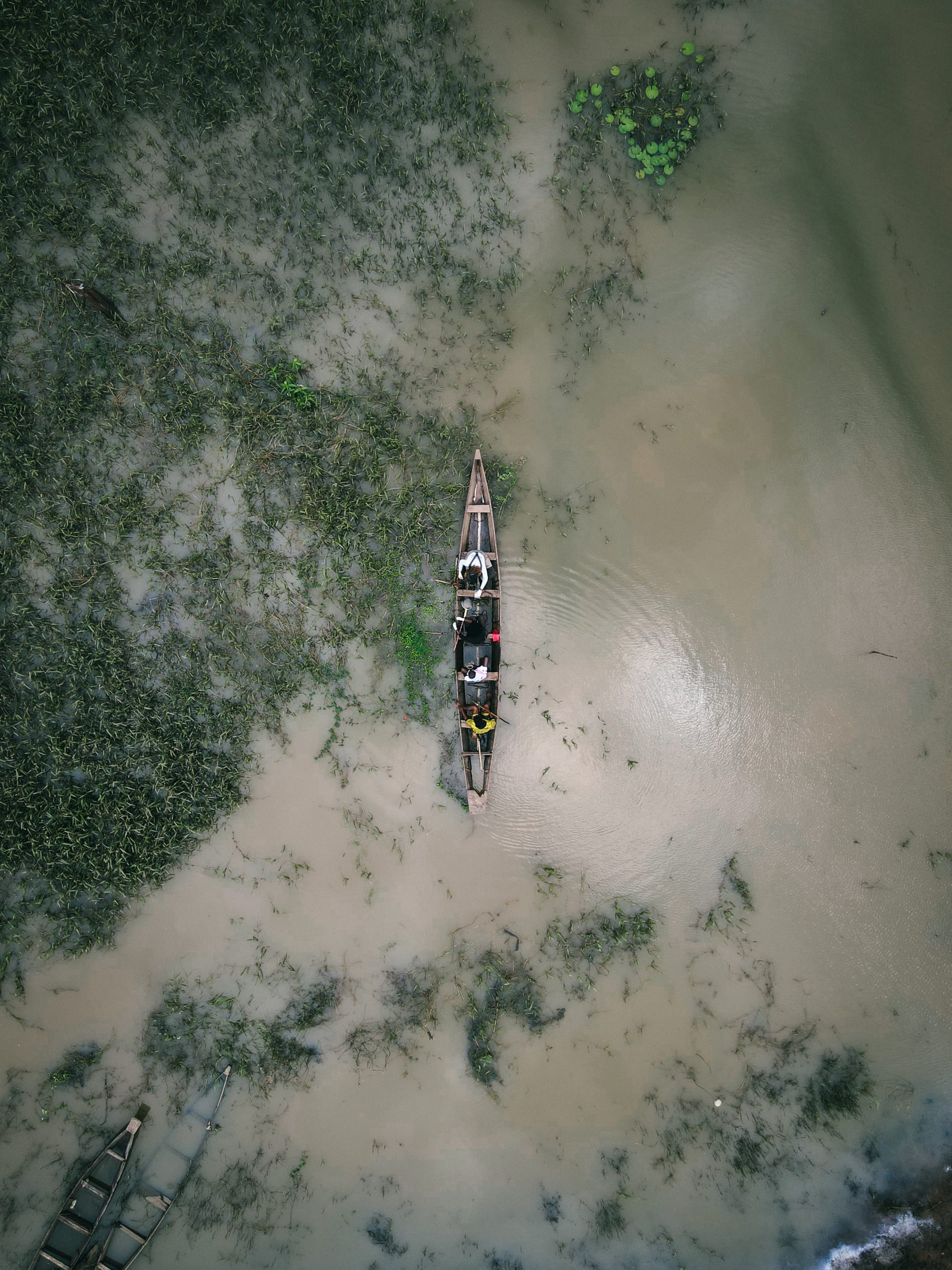
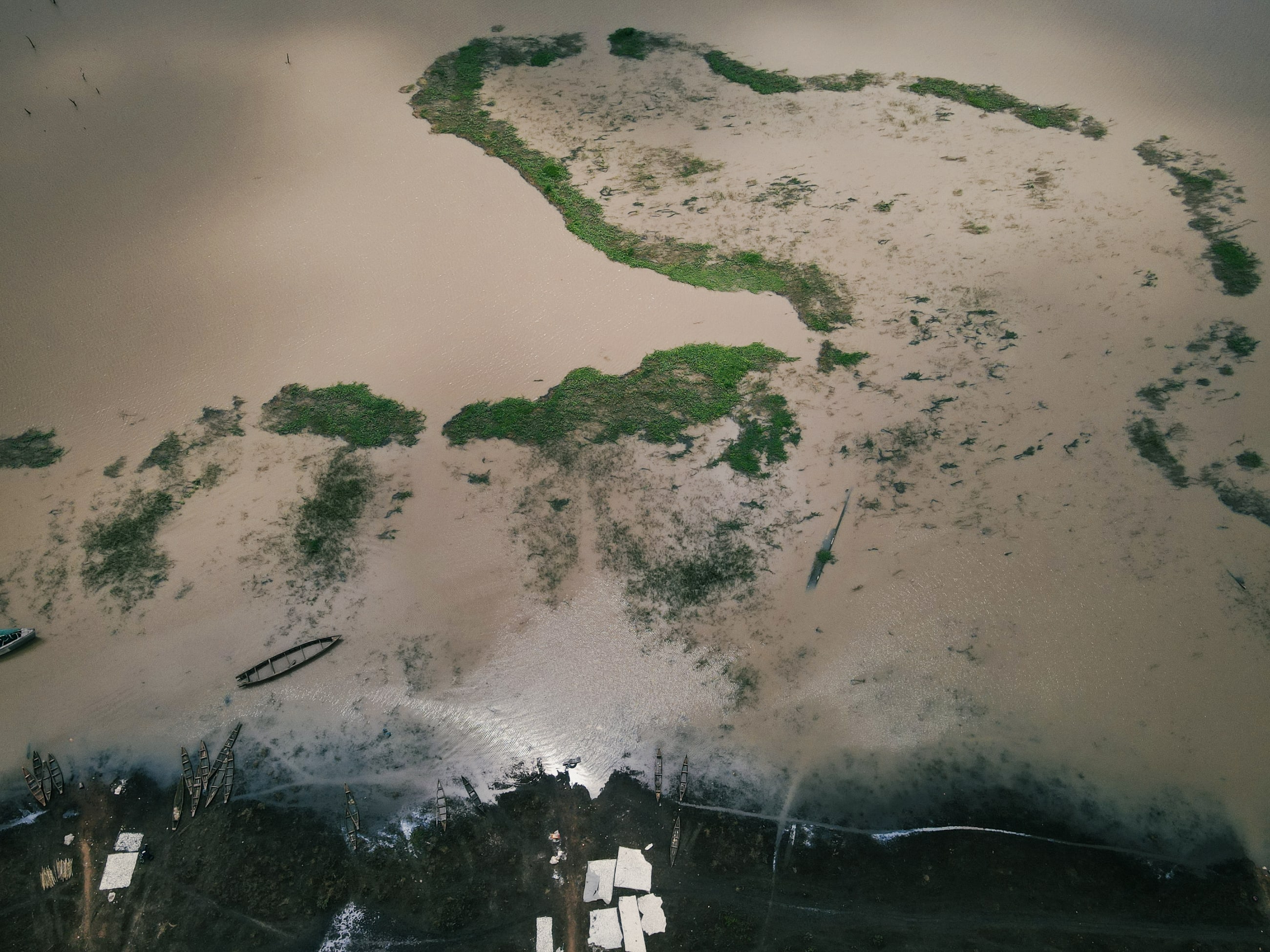
Above the heads of the researchers in the boat, drones outfitted with cameras zipped along the river. Flying at 58 meters of elevation, the drones achieved high-quality resolution imagery of the riverbank. When the footage was processed into an orthomosaic by stitching the hundreds of drone images into one map, the habitats that Adelakun described came into focus.
Responding to Schistosomiasis
Islamiat Soneye, Ogun State's Neglected Tropical Disease state coordinator, oversees schistosomiasis control for the region. "We just go into the communities… and treat them en masse regardless of whether they experience symptoms or not." This approach is called mass drug administration (MDA).
"We are one of the [most] endemic states for schistosomiasis in the country. The current status is high endemicity—as high as 50–60% in some local government areas," Soneye notes. Yet "most of my health workers know the symptoms, so they give the medicines. But when we're talking about 'test and treat,' we don't have that currently."
Test and treat refers to 2022 international guidelines that call for targeted diagnostic testing and treatment in endemic areas below 10% prevalence. Although the research team explores complimentary accessible, community-led diagnostic strategies, currently none are available to rural health-care workers in these remote communities.
Drug shortages compound the problem. Soneye notes that there is limited availability of the medicine praziquantel, despite the established effectiveness of MDA efforts to reduce illness burden in endemic communities.
Then there's the reinfection problem. "I find out that they keep going back even after we have treated them," Soneye observes. Children treated during school campaigns return to the same parasite-infested waters within hours. "So it becomes a vicious cycle."
An Integrated Vision
For Ekpo, there is a need for "better diagnostics, [that are] cheap and accessible and that can be deployed within the community" and "a way of reducing the snail population in the water." The research team has also been working on strategies to improve diagnostics and educational initiatives while they map the habitat of snails to search for potential environmental interventions. This comprehensive approach to confront this issue in human, animal, and ecosystem health is known as the One Health approach, which is in line with WHO guidelines and its Sustainable Development Goals.
The team in Nigeria is building their strategy informed by recent successes. One such solution at the Senegal River Basin found that the amount of snails' habitat was a direct predictor of schistosomiasis prevalence, by flying drones over 40 villages to map where different species of aquatic vegetation live, and repeated testing and treatment of schoolchildren was coordinated in local communities. This spatial data was then used to help predict hotspots of illness in the region to target One Health interventions. Communities ultimately removed 432 metric tons of the invasive aquatic vegetation Ceratophyllum demersum from Senegalese waterways, reducing schistosomiasis infection levels in children and repurposing the plant for livestock feed and fertilizer.
Nigeria faces different ecological conditions from Senegal, but the same intervention could be applied. Of note, Ceratophyllum demersum was identified in this ecosystem, a plant known to harbor high densities of the bloodworm-carrying Bulinus snails in Senegal and Ghana. Drone mapping revealed that this submerged aquatic vegetation could be delineated from aerial imaging, and it promises to serve as a schistosomiasis-prevalence predictor to help guide efficient testing and treatment efforts and reduce illness burden. The team hopes to contribute to interdisciplinary control efforts to protect the health of these communities.
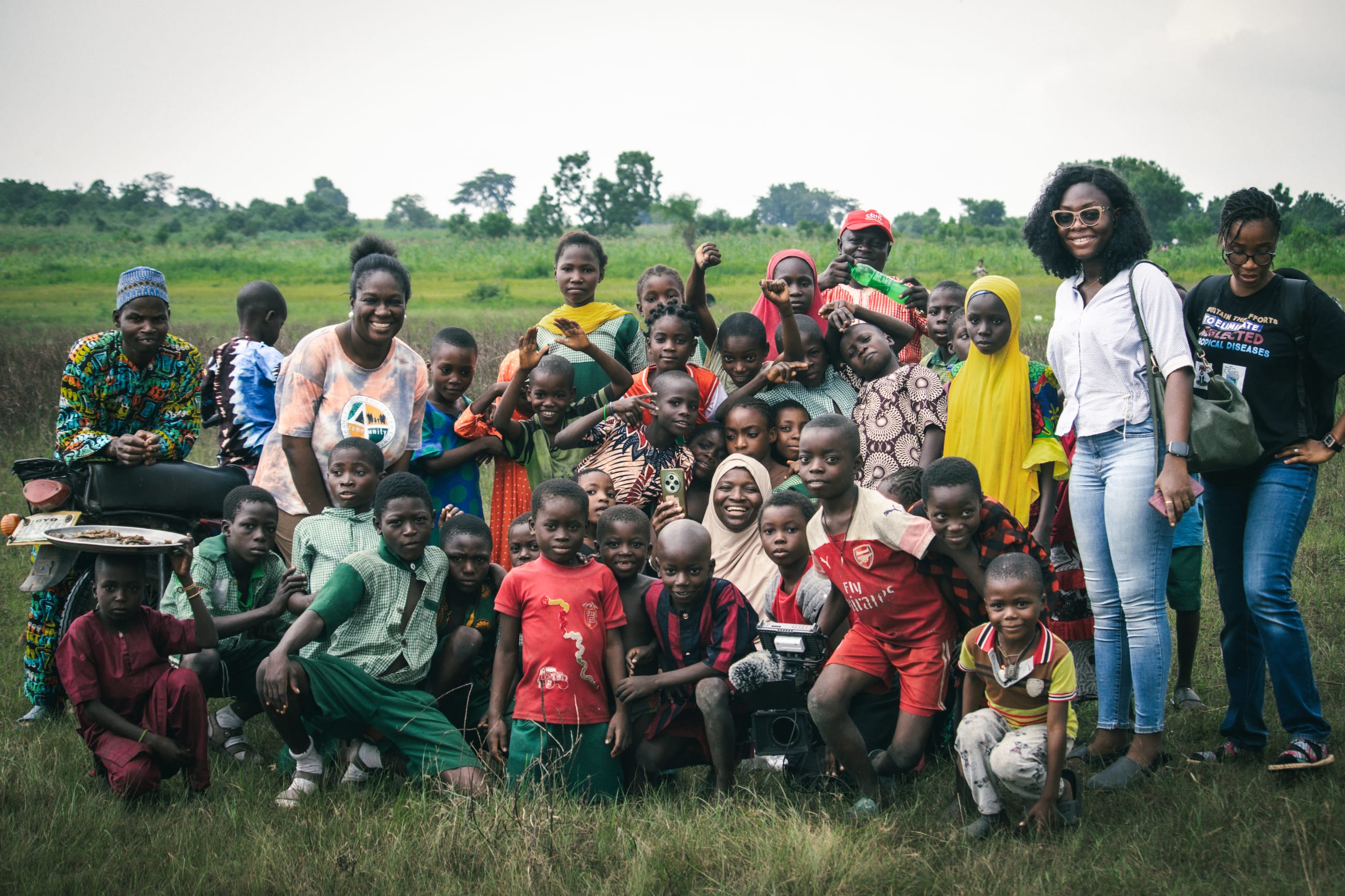
During the research process back at the river's edge, a young girl demonstrated for Adelakun how to sift through the shoreline soil for snails, her fingers working methodically through dead plant matter until tiny snails appeared in her palm. These are the discoveries that matter most, connections by community members who understand these waters intimately. Aerial approaches may make the sustenance of disease visible from new angles, translating local understanding into a healthier future.
*AUTHORS' NOTE: Name changed for anonymity.