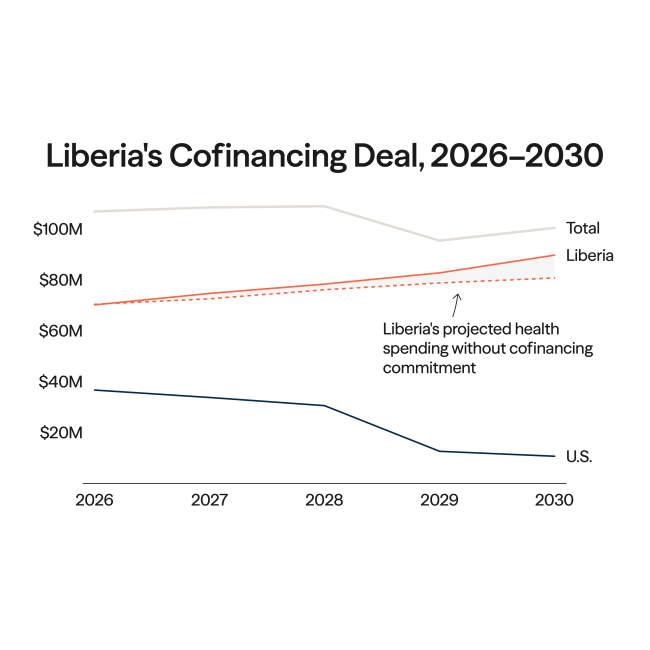
According to a new analysis from the Kaiser Family Foundation (KFF), 29 countries with signed bilateral agreements with the United States face a 24% drop in health funding from the United States and the Global Fund to Fight AIDS, Tuberculosis and Malaria (Global Fund) through 2029.
These cuts threaten the local civil society organizations (CSOs) delivering critical HIV and tuberculosis (TB) services—including nongovernmental organizations, faith-based groups, and community-based providers—that still depend almost entirely on international donors. International aid accounts for 80% of all funding [PDF] for HIV prevention programs in low- or middle-income countries (LMICs), the majority channeled through CSOs. Research [PDF] finds that CSOs are not an optional component of national HIV and TB programs: They are their backbone.
CSOs are not an optional component of national HIV and TB programs: They are their backbone
As donor funding shifts toward greater country ownership, the United States and the Global Fund need to plan for CSO continuity and growth, including to incentivize national governments to sign contracts and fund CSOs for the services they deliver so effectively. LMIC governments also need to channel their domestic financing to CSOs.
Two questions will help determine whether decades of progress against HIV and TB survive or unravel as the United States and the Global Fund reshape how they deliver global health assistance: What will happen to the CSOs that deliver essential services on the frontlines? How will funding for CSOs transition from donors to LMIC governments?
The Evidence Is Clear
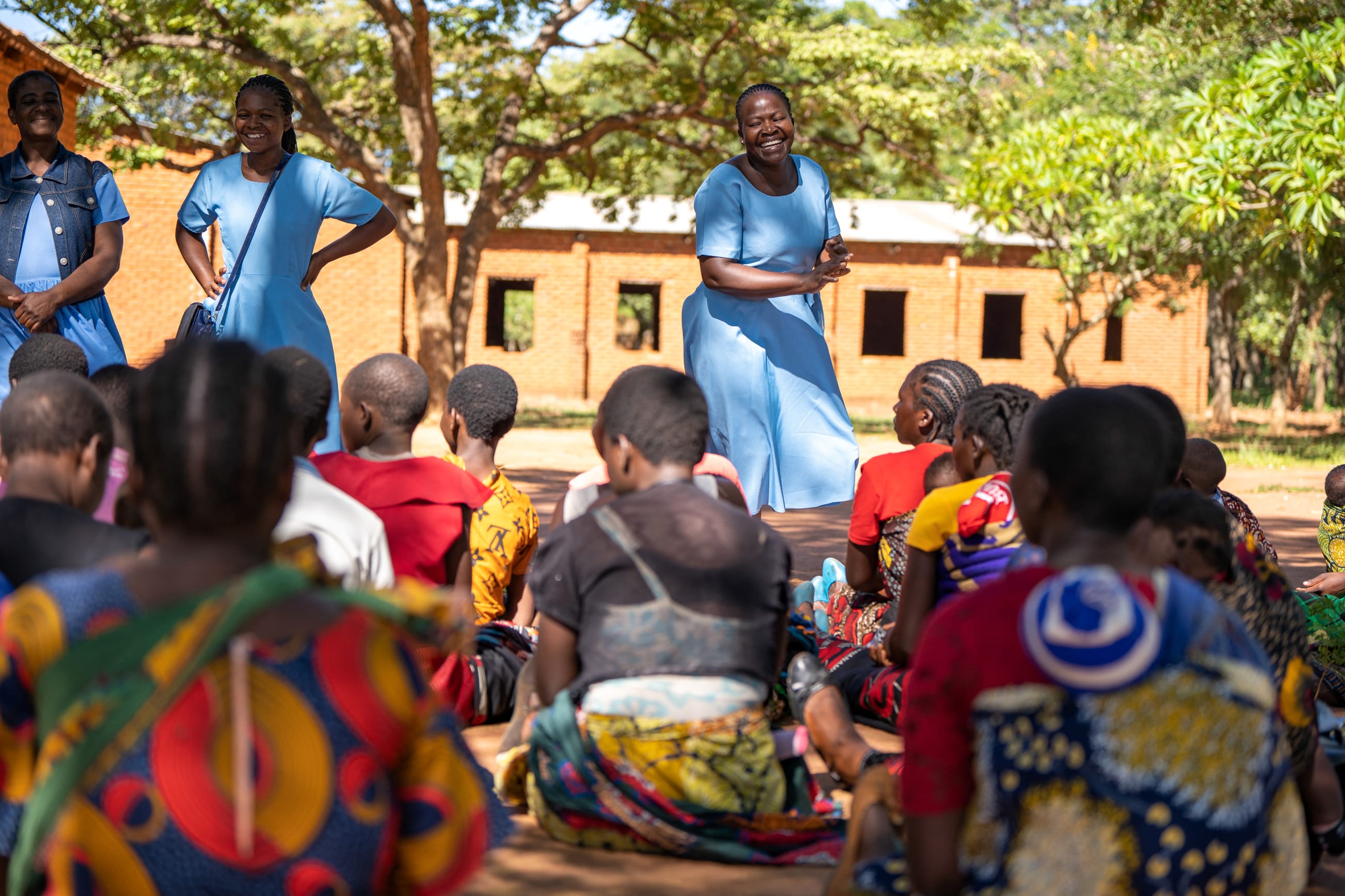
Community organizations fill gaps that governments often cannot. They build trust with key populations: groups at higher risk of HIV or TB acquisition who often face stigma, criminalization, or other barriers to care, including men who have sex with men, sex workers, transgender people, and people who inject drugs. CSOs run peer outreach programs that allow individuals from these groups to feel safe to seek care, offer HIV and TB testing and counseling, refer cases for treatment and provide medications, work with patients to ensure that they take their medication on time, and offer legal support and other social services such as advice on housing and employment. In many countries, CSOs have spent decades developing the relationships needed to reach marginalized communities with lifesaving interventions.
Local CSOs managed nearly 20% [PDF] of all Global Fund grant money between 2017 and 2022. These grants, totaling $5.26 billion, were used to deliver everything from mobile TB testing to HIV treatment adherence support. In Nigeria, nongovernmental providers accounted for nearly 80% of outpatient visits in 2018. In the same year, faith-based organizations in rural Zambia provided more than half of all formal health care, including HIV and TB services.
Reach matters for outcomes. A 2024 study found that community-based organizations in the United States, Puerto Rico, and the U.S. Virgin Islands were able to link a higher proportion of newly diagnosed members of key populations to HIV care within 30 days—the U.S. national target time frame [PDF]—than government-led programs were. That kind of rapid linkage is what keeps epidemics from rebounding.
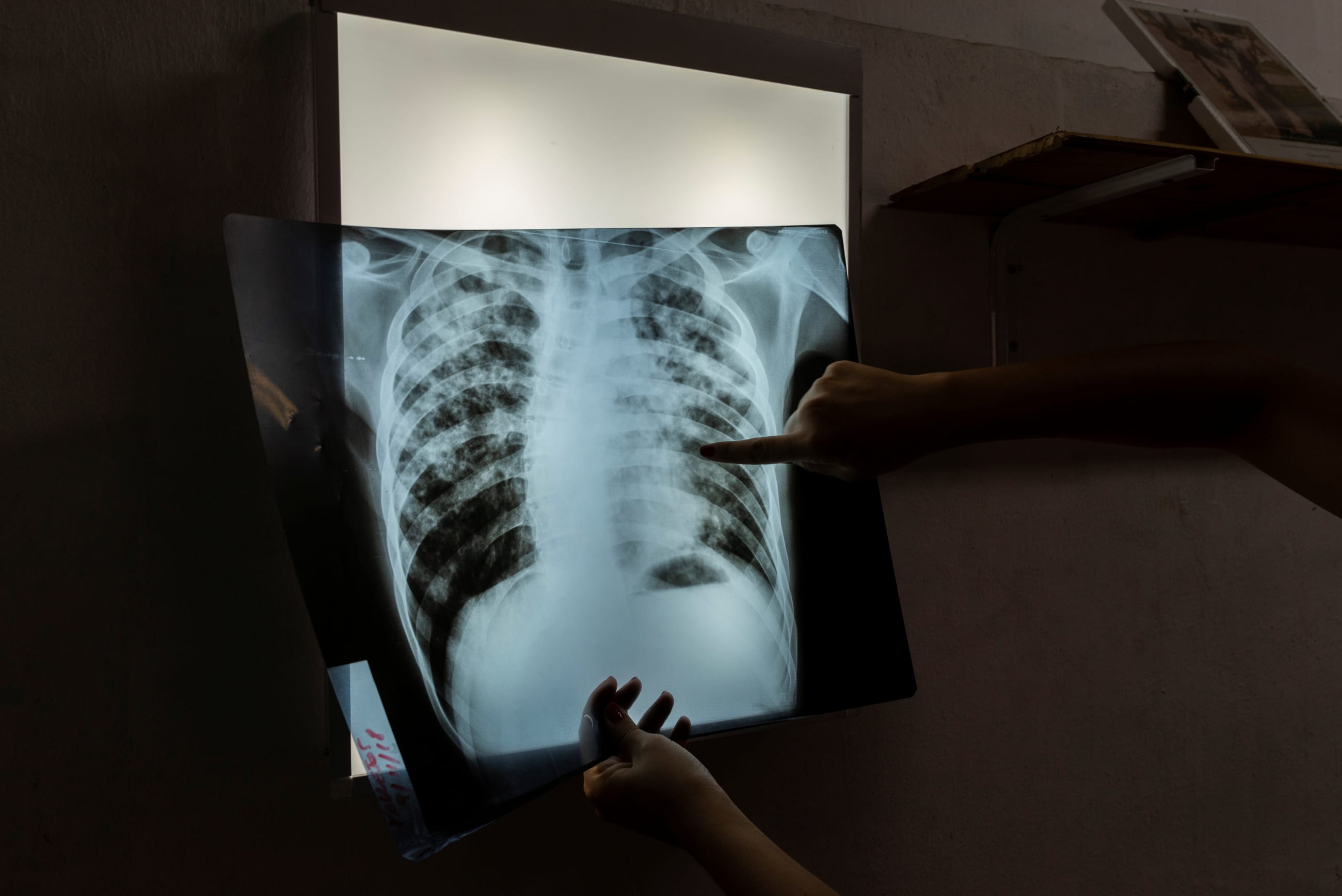
As the global health funding landscape shifts, and in certain areas shrinks or entirely disappears, HIV and TB infections and deaths could likely rise unless support for CSOs is maintained. After U.S. foreign aid was suspended in Latin America in early 2025, 87% of community-based organizations surveyed across the region reported funding freezes that disrupted care for more than 156,000 people. This shows how exposed most CSOs currently are to sudden shifts in donor funding and why sustainable financing for these organizations needs to be built into donor transition plans and national budgets.
A Model That Works
In the face of reduced donor support, LMIC governments can fill the gaps. Botswana and North Macedonia are clear examples.
Anticipating future reductions in support from the Global Fund and the President's Emergency Plan for AIDS Relief (PEPFAR), Botswana proactively commissioned a sustainability roadmap in 2024. Slumber Tsogwane, the country's vice president and head of the National AIDS Council, stated that his government would fill any emerging funding gaps, including by financing the CSOs considered essential to reaching key populations. At that time the government was already spending nearly $7 million a year in contracts with CSOs for HIV outreach, prevention, and treatment—exceeding the Global Fund's $2.8 million to $5.2 million annually [PDF] from 2018 to 2023.
As support from the U.S. government and Global Fund progressively winds down, Botswana's government is picking up a larger share of the costs to sustain CSOs by using a special unit in the National AIDS and Health Promotion Agency to manage contracts and monitor their performance. The government's commitment to increasing domestic financing for these contracts has helped protect the work of organizations such as Tebelopepe, an operator of voluntary nongovernmental testing centers that conducts about one-third of HIV testing in Botswana.
In North Macedonia, when the Global Fund's primary country grant closed in 2017, the Ministry of Health made a commitment [PDF] to take over financing for the HIV response. This commitment covered CSO-delivered prevention and testing services for key populations, including people who inject drugs. By 2019, domestic resources fully replaced what the Global Fund had been providing to CSOs. The government diversified its funding sources, drawing 75% from the state budget and 25% from excise taxes on tobacco and alcohol to insulate CSO funding from shocks to specific government budget areas.
Botswana and North Macedonia succeeded because they had the three ingredients that matter most: political commitment at the highest levels, a legal and policy environment that allowed government contracting with CSOs, and budget lines dedicated to this paying the CSOs for the services they deliver.
What Needs to Happen Now
The current wave of U.S. bilateral health agreements with partner countries focuses on commodities such as drugs and diagnostic tests and data systems but largely ignores how CSO-delivered services will be financed after donors pull back. Three actions are recommended to address this issue:
- The U.S. government should report on the transition readiness of CSO-delivered services in priority countries to identify which organizations deliver essential services, what those services cost, and where the money currently comes from.
- The State Department should make CSO contracting an explicit element of country implementation plans under recently negotiated bilateral agreements, and Congress should direct the administration to keep it updated on efforts to ensure continued support for CSOs. If governments fail to provide adequate support to CSOs, Washington should identify other ways to sustain these organizations.
- To prepare for aid transition, the Global Fund should require countries to document their CSO landscape, specify whether current CSO contracts will continue under domestic funding, and present quantified plans for increasing domestic cofinancing of these services.
By taking these actions, the United States and the Global Fund have a better chance of achieving a smooth transition to strong HIV and TB programs in LMICs and can preserve their legacy of success in saving millions of lives over the past three decades. At the same time, LMIC governments can sustain important health gains, helping build healthier communities and stronger economic outcomes for their citizens. Sustaining CSOs is good public policy, good public health practice, and good politics.
The organizations closest to the communities hardest hit by HIV, TB, and malaria deserve a central role in fighting these epidemics and a significant line in future budgets.