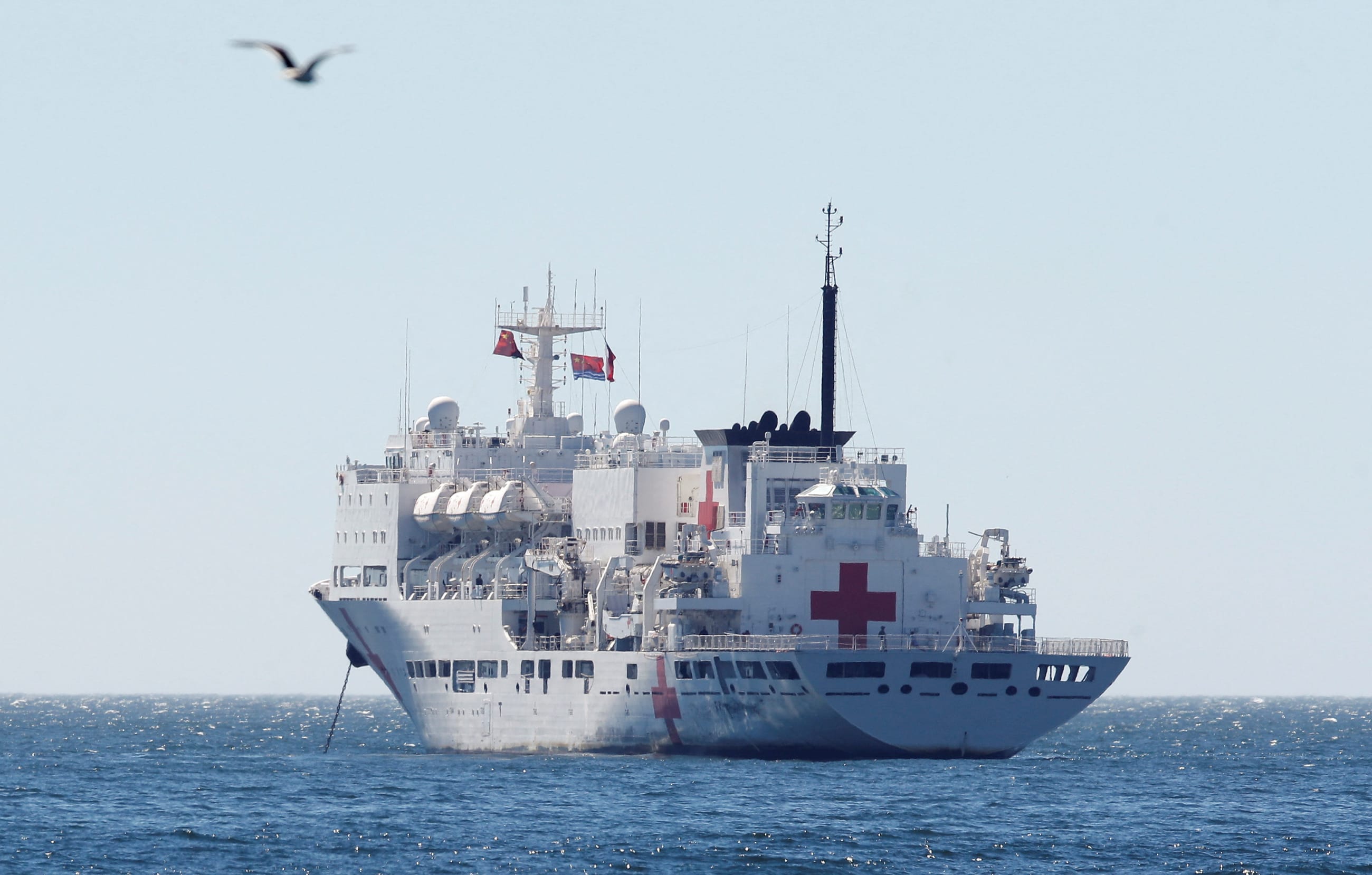
In the wake of the collapse of the traditional aid sources for health, attention has shifted to China, the world's largest provider of development finance, for its potential to fill this gap.
The Health Silk Road, China's signature health initiative, promises to do so, but clarity on how the plan has been deployed so far is limited. Understanding those activities could provide clues to where China will align its health aid in the future.
How the Health Silk Road Was Paved
The Health Silk Road is more of a branding exercise than a meaningful addition to China's long-term health strategy. By the time it introduced the plan in 2015, the country's funding to health projects in low- and middle-income countries had already been increasing for 15 years, from $44 million in 2000 to $344 million in 2015. A teaser period for new projects ran from 2014 through 2017 but was not sustained. In 2017, new investments in health jumped to $681 million before dropping to $399 million in 2018. The number of new activities followed a similar pattern. The tally of new projects globally jumped 30% in 2017 before declining again by 2019.
The main driver of China's increase in health aid was in a few, high-value contracts—principally loans to build health-care infrastructure. The decrease in funding for those projects mirrored cross-sectoral trends in Chinese development finance, for which the peaks of activity ran from 2015 to 2017, after which Beijing was much more restrictive toward high-value and sustained projects.
The true shift and expansion for the Health Silk Road occurred during the COVID-19 pandemic. During 2020, the number of new health projects Chinese actors engaged in increased nearly eightfold to a portfolio of more than 1,300 new projects in one calendar year. This temporary priority in the face of the crisis did not translate into programmatic shifts. By 2023, China's finance to health-related initiatives had dropped to $140 million across 184 projects, and the deliveries of COVID-specific supplies had begun to taper off.
Although data for 2024 and 2025 is not yet available, it appears that China deprioritized health financing after 2023, reducing its capacity to rapidly fill in for the United States or other donors.
Funders and Recipients
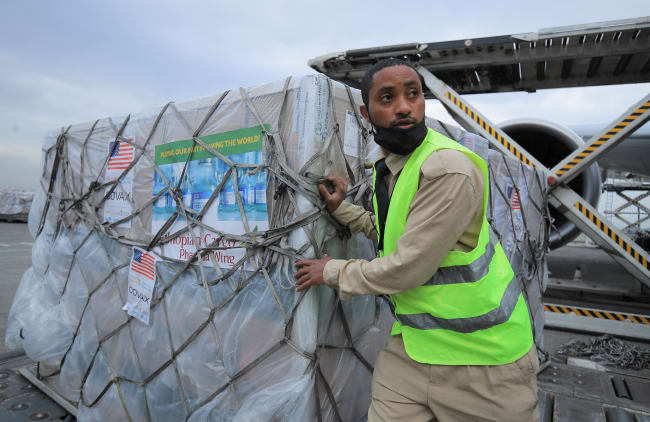
China leverages a range of decentralized methods to enact health projects. Most frequently, such donations move directly from the local embassy or consulate general to a counterpart organization, often public institutions such as ministries of health and local health centers, in the beneficiary country. However, large banks and construction corporations also finance related projects—mainly hospital construction—and the People's Liberation Army donates health supplies to other countries' ministries of defense and sends medical teams to local hospitals.
One facet of China's health aid is the prevalence of direct donations by the governments of provinces and municipalities
One facet of China's health aid is the prevalence of direct donations by the governments of provinces and municipalities themselves, such as the Chongqing municipal government's 2020 donation of COVID-19 relief to Córdoba Province in Argentina, or the Yunnan provincial government's sending a medical team to Uganda in 2023.
Those subnational government programs provide key touchpoints with local partners, which is part of a larger so-called people-to-people strategy of engagement, albeit one driven by party leadership rather than personal ties.
Similarly, health aid also reaches a broad scope of recipients. Chinese health projects have been directed to more than 1,700 distinct entities around the world since 2017. Ecuador is the largest beneficiary, having 50 unique recipients, including local hospitals, municipal governments, national governments, and multilateral institutions.
Limitations of the Model
Despite the growth in projects under the Health Silk Road, the plan's diffuse nature and singular composition limit China's capacity to replace the capacity and reach of Western donors. Health projects account for less than 1% of Beijing's overall development portfolio from 2000 through 2023, which rose only to 6% at the peak of its COVID-19 response in 2020.
The composition of this funding is noteworthy. Nearly one-third of Chinese health funding (31%) was signed over as market-rate debt—loans carrying interest rates and repayment periods comparable to those offered by commercial banks—rather than the grants or concessional loans that made up nearly all of U.S. health assistance. Those are not the sustained, grant-funded operations that the U.S. Agency for International Development (USAID) and its grantees used to fight child mortality, tuberculosis, HIV/AIDS, and a host of other maladies that require multidecade commitments.
31%
Nearly one-third of Chinese health funding was signed over as market-rate debt—loans carrying interest rates and repayment periods comparable to those offered by commercial banks
The large-scale health-care projects for which Beijing does provide loans also face implementation challenges. In 2017, China Development Bank and the National Treasury of Kenya signed a $72 million buyer's credit loan to supply scanners to more than 30 public hospitals in Kenya. However, in 2018, a procurement probe found that the machines had been marked up 400% so that senior government officials in the Ministry of Health and the National Treasury could skim funds from the state-backed loan. Similar routes for corruption and allegations of bribery have appeared in other health projects, such as in China Exim Bank's $19 million preferential buyer's credit for a digital health project in Mongolia in 2014, which was plagued by delays and led to Health and Sport Minister Gankhuyag Shiilegdamba's receiving a 5.1 year sentence on corruption charges.
Yet when weighed against instances of reputational risk, it appears that reputational benefits will be a significant draw for China to continue funding small-scale health projects. Using extensive text analysis, scholars Stefan Müller, Samuel Brazys, and Alexander Dukalskis found that "mask diplomacy" not only was effective in offsetting the reputational damage and negative media narratives China suffered during the outbreak of COVID-19, but also improved the country's image more generally.
China sees health aid as a powerful tool to influence elites and media narratives, so it is unlikely that the country will walk away from its Health Silk Road toolkit anytime soon. That raises the question of where the project may go next, particularly in the wake of dramatic defunding by Western donors.
Further Reflection About the Future
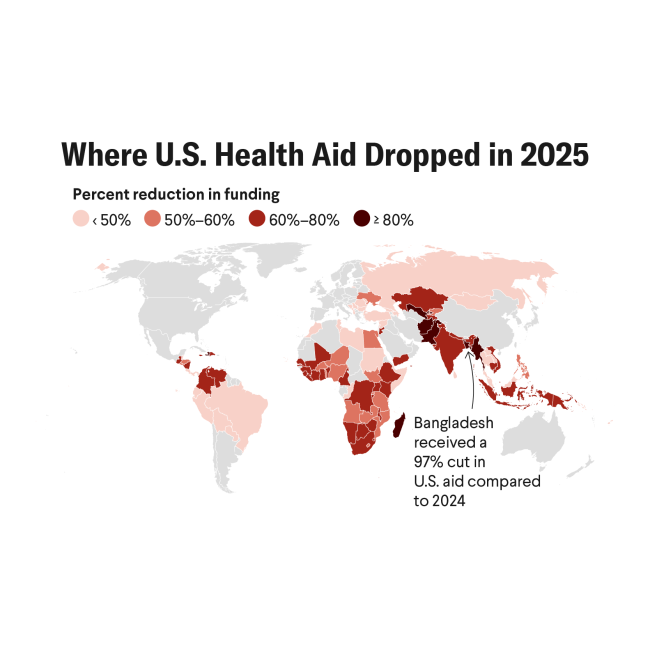
Following the shutdown of USAID and the temporary freeze on U.S. foreign assistance in 2025, global health projects lost their single-largest funder. In 2024 alone, the United States disbursed $15.2 billion in health-related aid—22% of the total U.S. foreign assistance portfolio. Although U.S. Congress recently announced a new aid package that includes $9.4 billion for global health, staggering gaps remain in funding for critical, life-saving care. Other Western donors, including France, Germany, and the United Kingdom, are also drawing down their international aid.
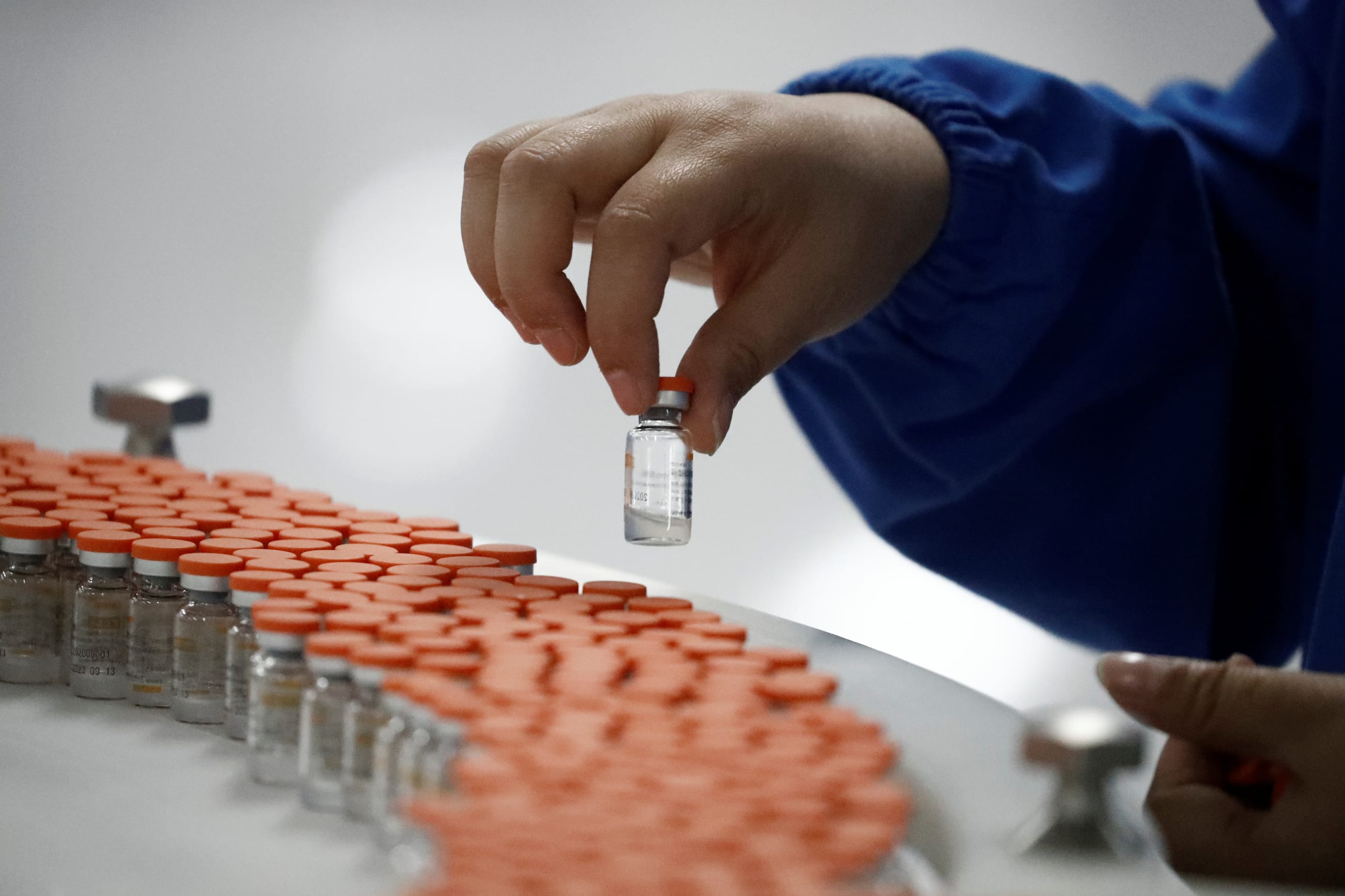
A few clues indicate how China might pursue global health leadership in a U.S. vacuum. The first is a history of deep but narrow focus on specific diseases. In the mid-2000s, China showed a strong interest in combating malaria, which then shifted to Ebola in 2012. Throughout 2020 and 2021, China ramped up delivering COVID-19 relief to countries around the world. It could similarly focus on specific medical technologies where it has a proven advantage, such as vaccines, where its medical academies and Sinovac have innovated in inactivated virus vaccines to combat enterovirus type 71, polio, and influenza in addition to COVID-19. This innovation will be bolstered by the country's massive investments in data centers and artificial intelligence technologies, which can supercharge vaccine development and distribution. From Beijing's perspective, those initiatives would carry the added benefit of channeling money to Chinese private companies when the business economy is flagging.
Beijing will also likely continue to leverage the Health Silk Road's language of cooperation and exchange to build educational and institutional ties. As the United States restricts academic visas, China is taking the opportunity to launch new transnational educational partnerships with universities and research labs. The model of the vocational Luban workshops, which pair Chinese educational institutions with local organizations, could be attractive to low- and middle-income countries as they look for ways to train health-care workers and acquire medical technology.
Finally, China will expand its role in shaping global health governance through greater influence in the worlds' multilateral institutions. By default, U.S. withdrawal has given China a greater share of voting and decision-making power in entities such as the World Health Organization (WHO). Beijing has already begun a push to elevate more of its diplomats to senior UN leadership roles. The next elections for WHO director general are expected in 2027, and though it would be unlikely that China would put forward a nominee so recently after Margaret Chan's tenure, Chinese diplomats will certainly lobby for a candidate they view as favorable to the Health Silk Road.
The greatest outcomes of the initiative are unlikely to be achieved through finance, but rather through strategic efforts to remake the architecture and norms of global health governance.