• Environment
  • Poverty
  • Trade
  • Governance
  • Food
  • Urbanization
  • Aging
  • Gender
  • Migration
  • Data Visualization
  • Recommendations
  • Research & Analysis
  • Series
  • Interviews
  • About This Site
  • Submission Guidelines

Newsletter

Think Global Health

  • Environment
  • Poverty
  • Trade
  • Governance
  • Food
  • Urbanization
  • Aging
  • Gender
  • Migration
  • Data Visualization
  • Recommendations
  • Research & Analysis
  • Series
  • Interviews
  • About This Site
  • Submission Guidelines

Newsletter

Think Global Health

World Health Assembly Recap and How the UK's New Tobacco Ban Could Flop

May 29, 2026


Editors' Note

On Wednesday, Ugandan authorities closed that country's border with the Democratic Republic of Congo (DRC) in response to the outbreak of Bundibugyo virus. Unlike the Zaire species of Ebola, responsible for the 2014–16 emergency, Bundibugyo has no approved medicines or treatments. By the time international officials announced the problem on May 15, DRC had accumulated 246 suspected cases and 65 deaths, raising suspicions that the virus circulated undetected for weeks, if not months. Since then, those tallies have tripled.

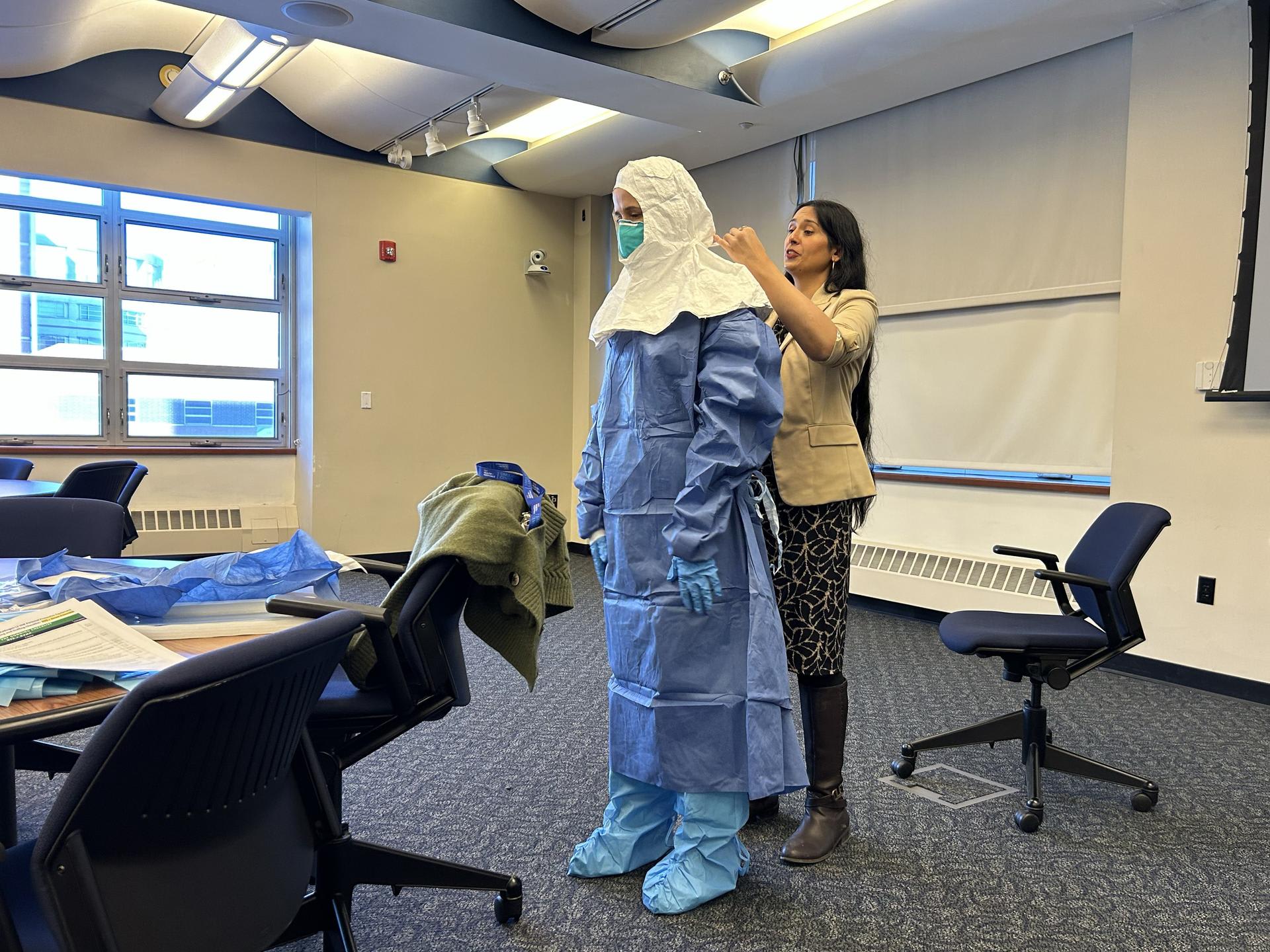
Although special pathogen outbreaks such as Ebola or hantavirus are rare, frontline readiness cannot be an afterthought. Virtual reality (VR) training is one way to make preparations feel more realistic, write NYC Health + Hospitals' Syra Madad and David Silvestri. The pair explain how New York City is using VR and other simulations to ensure physicians retain their training on how to respond to high-consequence infectious diseases.

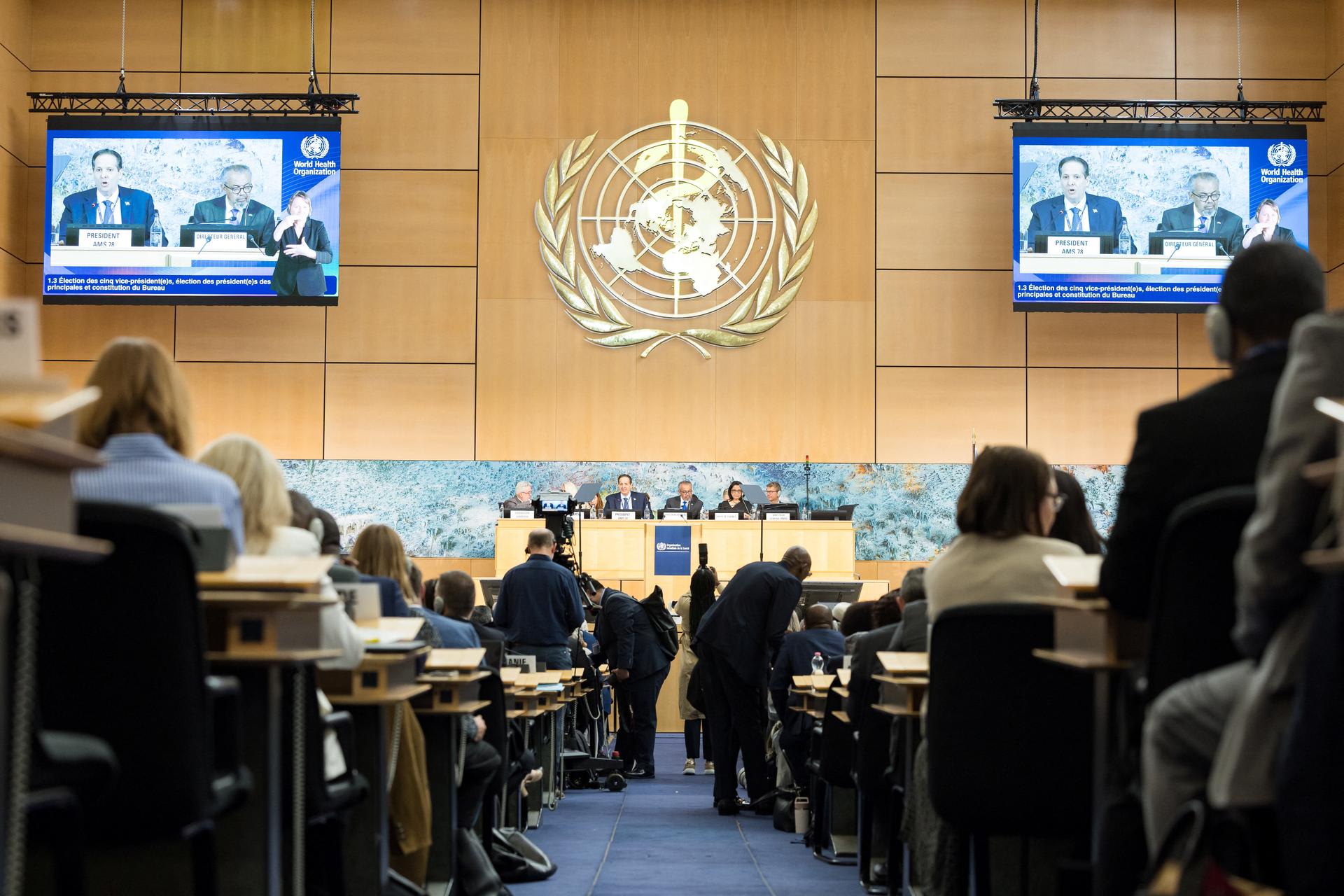
Last week's World Health Assembly (WHA) met in the aftermath of historic declines in official development assistance for health and heightened vaccine hesitancy that have forced the World Health Organization (WHO) to recalibrate its mandates. To recap how countries approached reform at the WHA, Priti Patnaik, founder of Geneva Health Files, describes how WHO member states want the organization to approach its core mandates and the pending election of its next director general. Patnaik's article is the latest in a TGH series exploring the seventy-ninth World Health Assembly's agenda.

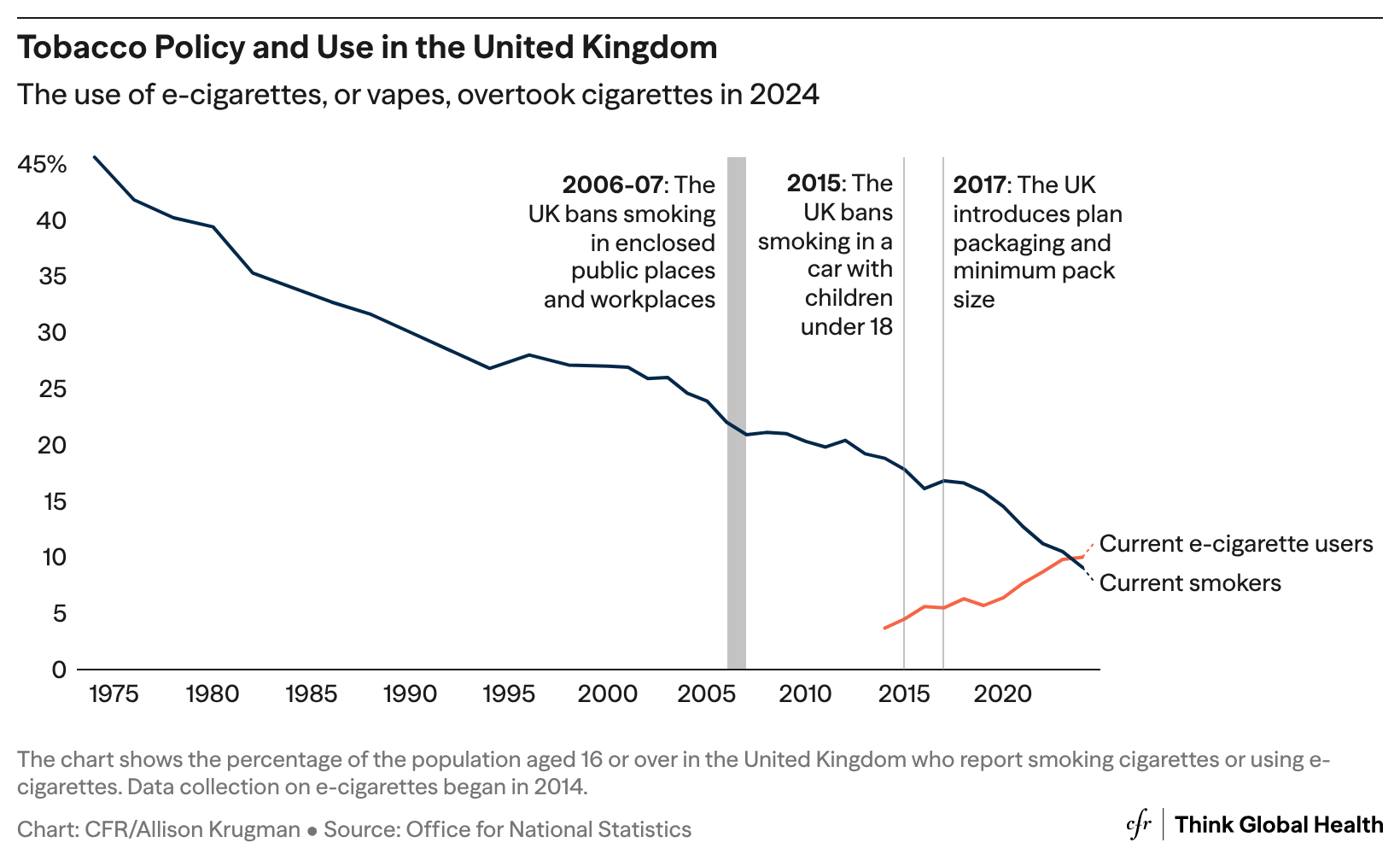
To wrap up, journalist Gabriela Galvin describes how the United Kingdom's generational tobacco ban, which prohibits the sale of tobacco products to anyone born in 2009 or later, could mark the beginning of the end of smoking—if it can be enforced.  

Until next week!—Nsikan Akpan, Managing Editor, and Caroline Kantis, Associate Editor 
 

This Week's Highlights

GOVERNANCE

The regional supply chain lead for emergencies at the World Health Organization's Regional Office for Africa pastes stickers on shipment pallets that are being sent in response to the Ebola outbreak in the Democratic Republic of Congo, in Nairobi, Kenya, on May 18, 2026.

How NYC Practices for Ebola and Special Pathogen Outbreaks 

by Syra Madad and David Silvestri 

NYC Health + Hospitals has added virtual reality training to reinforce its readiness for high-consequence infectious diseases 

Read this story


Figure of the Week


A line chart titled

Read this story 


Recommended Feature

GOVERNANCE

Delegates attend the seventy-ninth World Health Assembly of the World Health Organization, in Geneva, Switzerland, on May 18, 2026. REUTERS/Pierre Albouy

World Health Assembly Recap: Financial Crunch, Affected Mandates, and Future Leadership 

by Priti Patnaik

This year's assembly revealed competing visions for the future as global health architecture faces forced transformation

Read this story


What We're Reading

U.S. to Quarantine Citizens Exposed to Ebola in Kenya, Not Bring Them Home (Reuters)


A Faith-Based Movement Is Destroying Guns—and Turning Them Into Gardening Tools (The Trace)

Trump Wage Rule Could Shake Up Hospital Hiring (Axios)

Attacks From Residents Complicate the Fight Against a Rare Type of Ebola (NPR)

Lionel Messi Is a Fan of Yerba Mate. But Chinese May Be Drinking It Wrong (South China Morning Post)

Therapists Are Using AI to Take Notes. Is It a Useful Tool or a Breach of Trust? (NPR)

People With Eating Disorders Are Taking GLP-1s, and Doctors Are Alarmed (Washington Post)


Interested in submitting?

Review our Submission Guidelines

Previous NewsletterBack to Archive

Subscribe to Our Newsletter

Sign up for our weekly newsletter to stay up to date.

See Past Newsletters
About This SiteSubmission Guidelines

©2025 Council on Foreign Relations. All rights reserved. Privacy Policy and Terms of Use.