• Environment
  • Poverty
  • Trade
  • Governance
  • Food
  • Urbanization
  • Aging
  • Gender
  • Migration
  • Data Visualization
  • Recommendations
  • Research & Analysis
  • Series
  • Interviews
  • About This Site
  • Submission Guidelines

Newsletter

Think Global Health

  • Environment
  • Poverty
  • Trade
  • Governance
  • Food
  • Urbanization
  • Aging
  • Gender
  • Migration
  • Data Visualization
  • Recommendations
  • Research & Analysis
  • Series
  • Interviews
  • About This Site
  • Submission Guidelines

Newsletter

Think Global Health

Ebola and Hantavirus Frame WHA79 and Cuba's Health Care Under the Blockade

May 22, 2026


Editors' Note

The seventy-ninth World Health Assembly (WHA79) convened on Monday, one day after the World Health Organization declared a public health emergency of international concern over an Ebola virus outbreak in the Democratic Republic of Congo that spread to Uganda. The outbreak, which involves the rare Bundibugyo species of Ebola that has no vaccines or specific treatments, was announced three days before the remaining crew aboard the MV Hondius—the center of a recent hantavirus episode—disembarked in the Netherlands.  

Although those emergencies differ in scale and pathogen, Chatham House global health fellow Ebere Okereke says they recall the same moral: every region depends on functioning surveillance, transparent notification, trusted public-health institutions, and equitable access to countermeasures.  

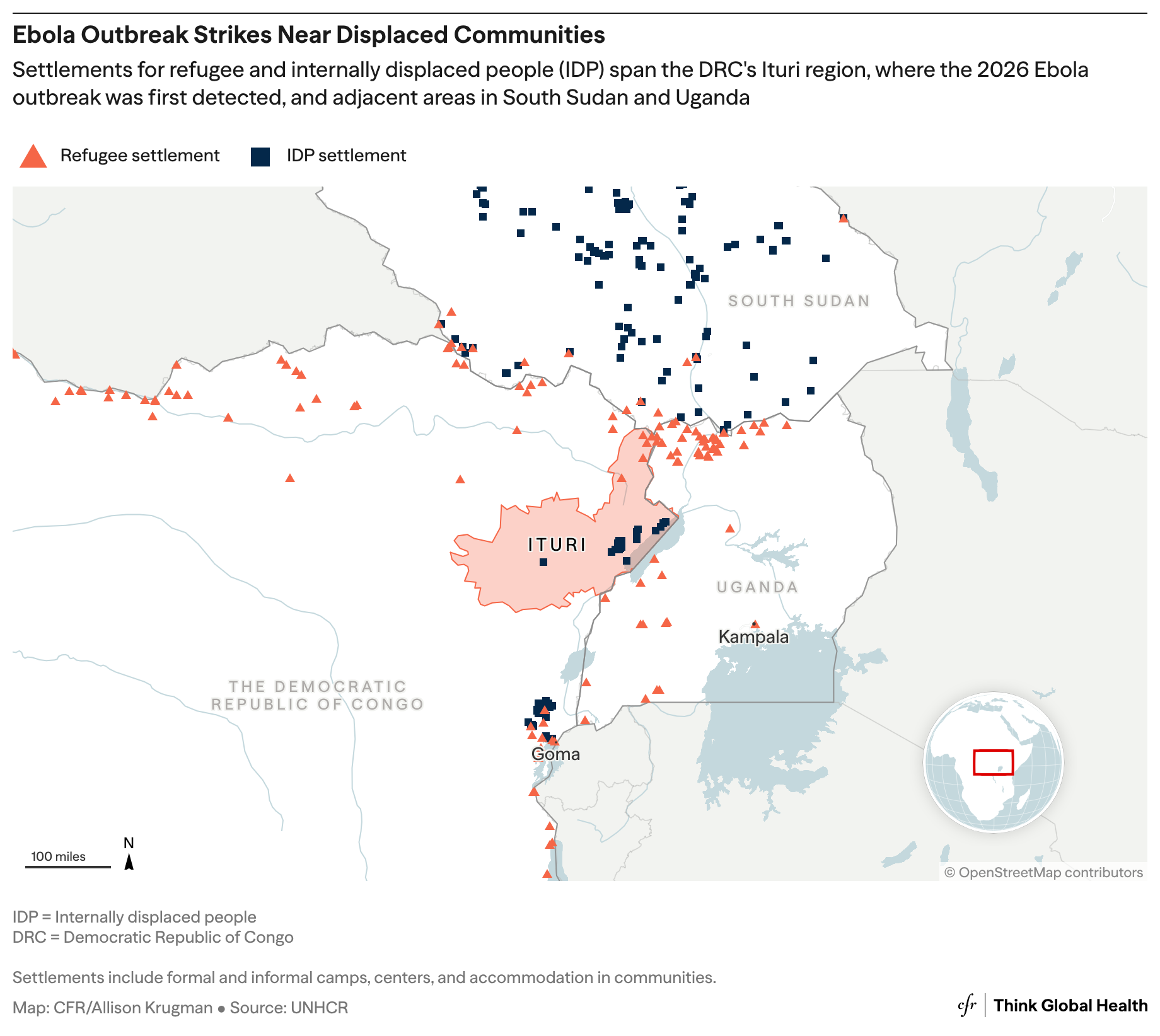
To lead this week's edition, Okereke shares a dispatch from the WHA, explaining how those outbreaks have sharpened conversations on budget constraints, benefit sharing, and institutional reform. She emphasizes that the moment calls for African governments to shape the next global-health order. The post includes a map by TGH Data Visuals Editor Allison Krugman, depicting where the Ebola outbreak is spreading.  

 
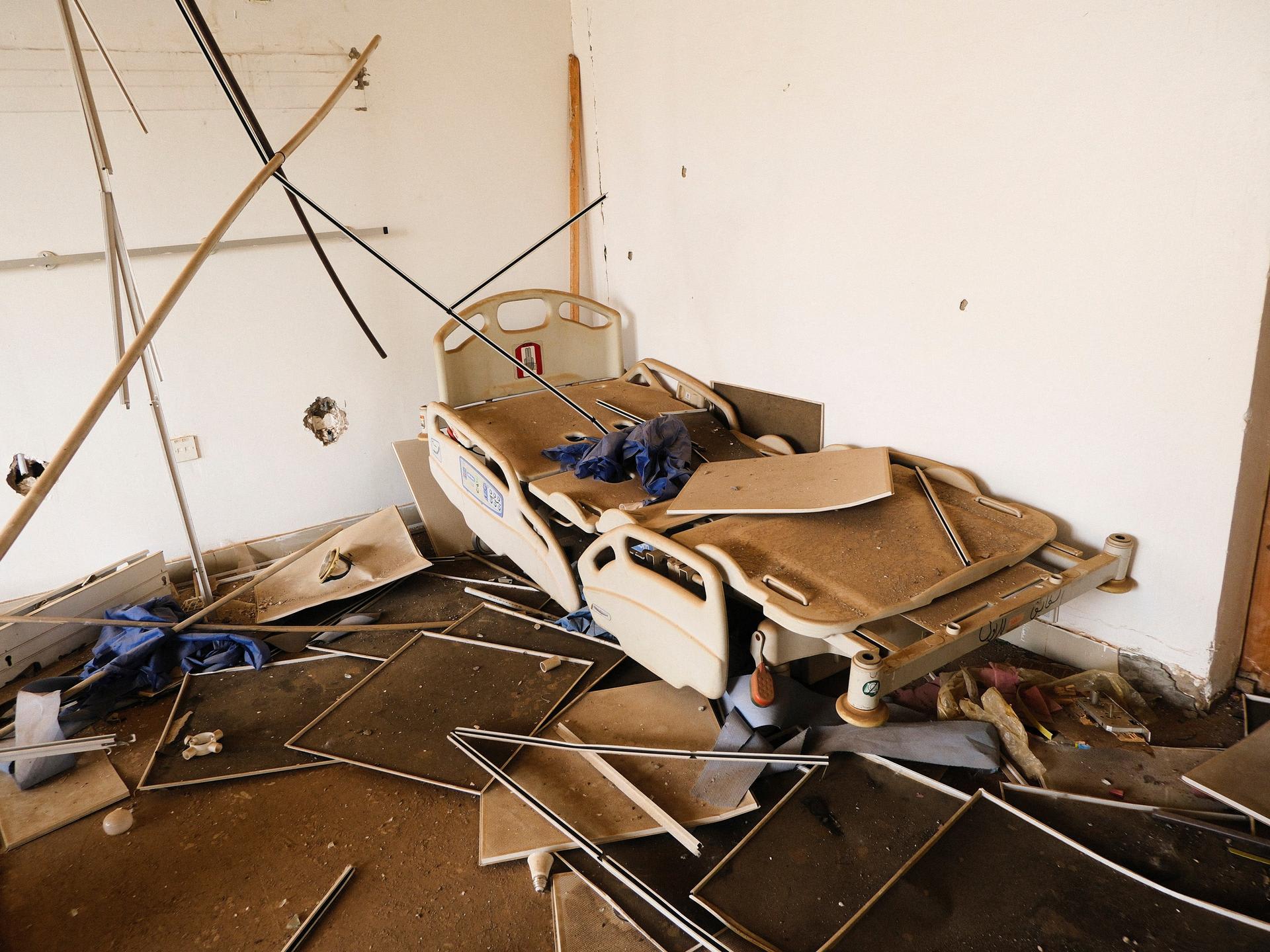
The newsletter stays on the continent, where CFR Senior Fellow for Africa Policy Studies Michelle Gavin spotlights the tenth anniversary of UN Security Council Resolution 2286. The measure, which passed unanimously, was intended to prevent attacks against medical and humanitarian personnel as well as medical facilities. That violence is at all-time highs globally, and Sudan has become a hotbed for such destruction. Gavin interviews Yasir Elamin, an oncologist and president of the Sudanese American Physicians Association, to understand how the resolution's lack of enforcement has failed the country's hospitals, humanitarian workers, and civilians. 

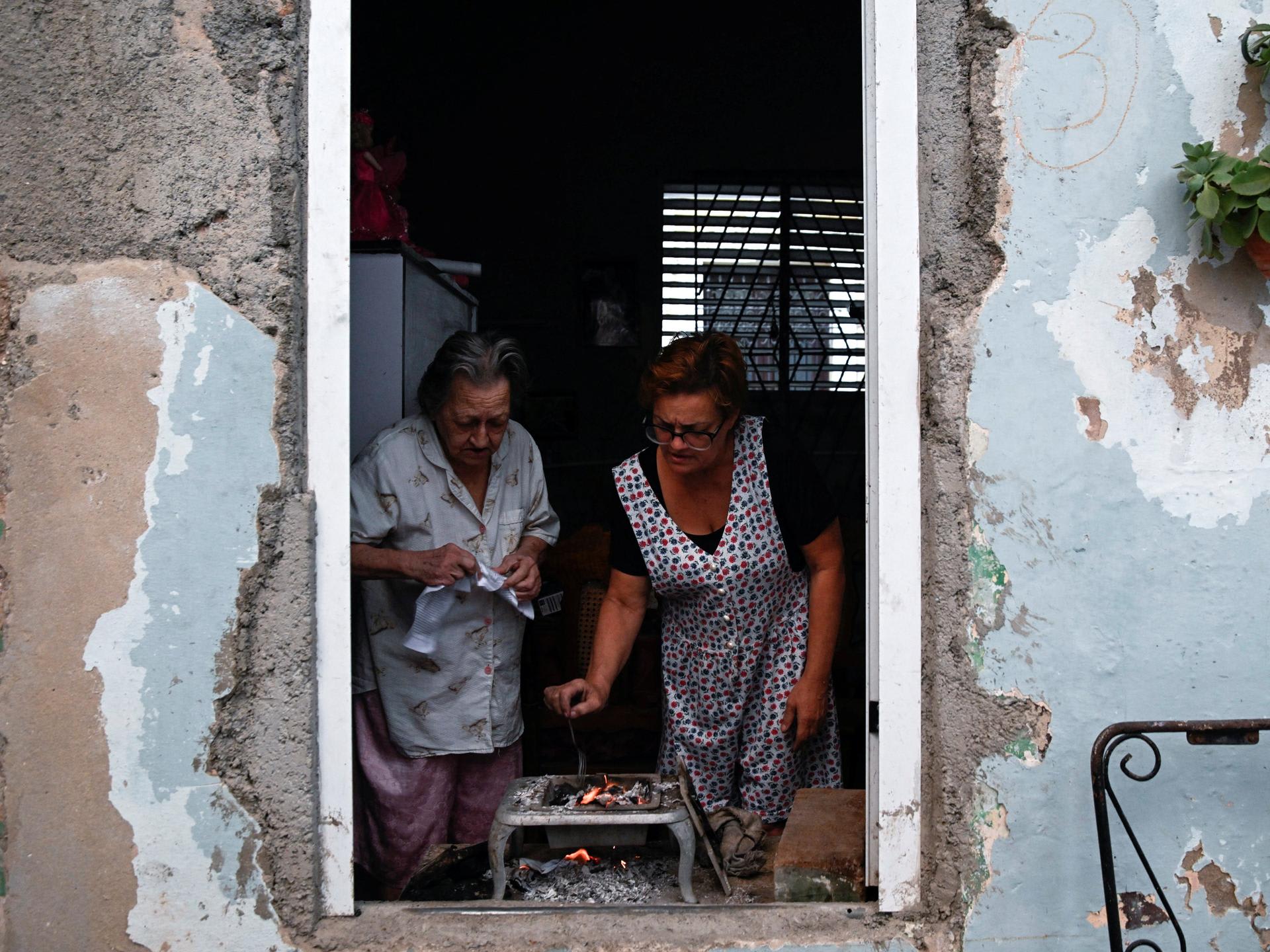
Next, Arachu Castro, Tulane University's Samuel Z. Stone chair of public health in Latin America, outlines how the U.S. fuel blockade on Cuba has weakened every part of the island's health system, creating a polycrisis.  

To wrap up, TGH recommends recent coverage of the seventy-ninth WHA and topics covered in its agenda.  

Until next week!—Nsikan Akpan, Managing Editor, and Caroline Kantis, Associate Editor 
 

This Week's Highlights

GOVERNANCE

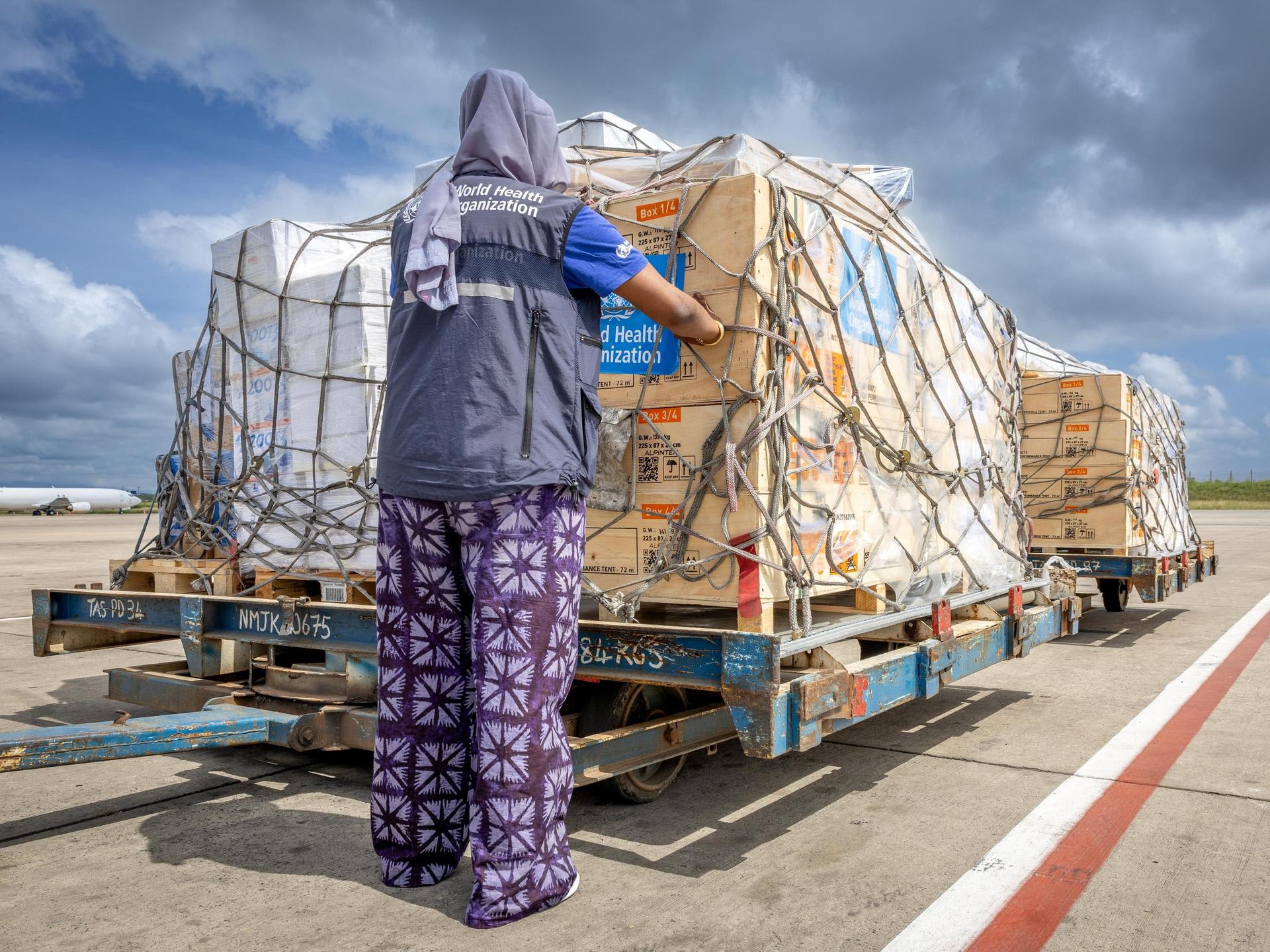
The regional supply chain lead for emergencies at the World Health Organization's Regional Office for Africa pastes stickers on shipment pallets that are being sent in response to the Ebola outbreak in the Democratic Republic of Congo, in Nairobi, Kenya, on May 18, 2026.

The World Health Assembly Reacts to the Bundibugyo Ebola Outbreak  

by Ebere Okereke

A Chatham House fellow reports from WHA79 about how the new Ebola emergency has advanced conversations about actionable health reform 

Read this story


GOVERNANCE

A view of a destroyed ward in Khartoum Hospital, in Khartoum, Sudan, on April 26, 2025.

How a UN Resolution Failed to Protect Sudan's Health Care

by Michelle Gavin

Ten years after UNSC Resolution 2286 passed, a physician details how its shortcomings imperil Sudanese citizens and health workers

Read this story


Figure of the Week

he map shows sites where confirmed or suspected cases of Bundibugyo virus disease have been detected as of May 18, 2026.

Explore TGH's Ebola coverage


Recommended Feature

POVERTY

A street veTwo women cook dinner after Cuba's national electric grid collapsed for the second time in a week, amid the U.S.-imposed oil blockade, in Havana, Cuba, on March 21, 2026.ndor selects cigarettes for a customer, in Abidjan, Ivory Coast, on May 27, 2024.

Cuba's Health Care Buckles Under Fuel Blockade 

by Arachu Castro

A professor of Latin American public health details how the 2026 fuel blockade has affected every domain of Cuba's health system 

Read this story


#WHA79

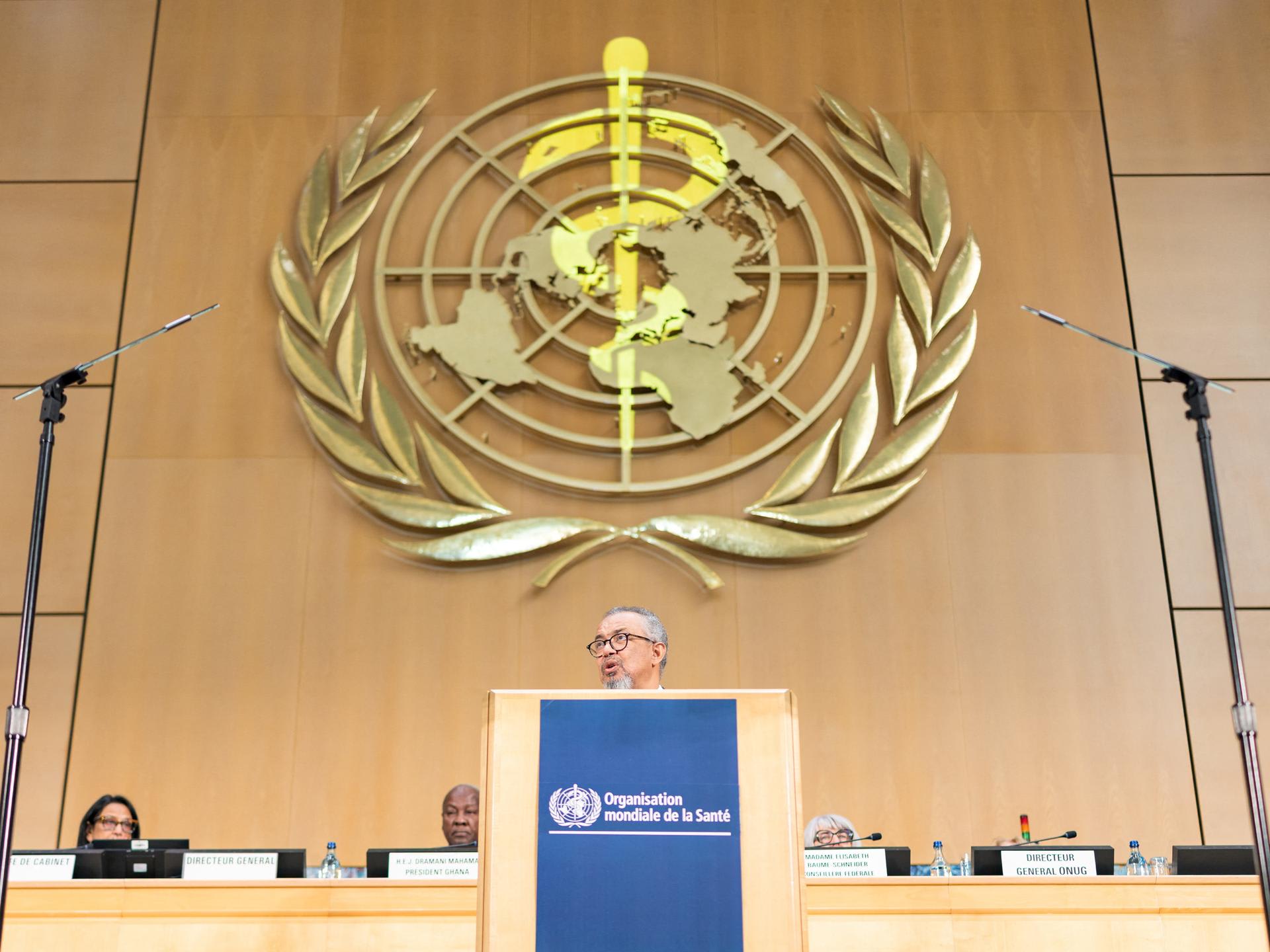
Director-General of the World Health Organisation (WHO) Dr. Tedros Adhanom Ghebreyesus speaks during the opening session of the WHO's 79th World Health Assembly at the United Nations in Geneva, Switzerland, May 18, 2026. REUTERS/Pierre Albouy

The Seventy-Ninth World Health Assembly

Explore this series


What We're Reading

Exclusive: U.S. Rethinks Global Health Testing Strategy (Washington Post)

U.S. Bans Entry From Ebola-Affected Countries as American Patient Is Identified (STAT)

A Rare Ebola Strain Is Spreading With No Vaccine. Here's What You Need to Know (NPR)

Rising Waters and Mounting Pressures Collide on Kenya's Lake Turkana (Mongabay)

Quantifying Relative Health Impact Across Gavi, the Vaccine Alliance's Portfolio in 117 Countries at the Subregional Level: A Modelling Study (The Lancet)

How Immigration Crackdowns and Aid Cuts Are Reshaping Migration Across Central America (Migration Policy Institute)

Public Health Officials Are Investigating Rare Cancer Cases in Eastern Kentucky Children (Kentucky Lantern)

The Hantavirus Outbreak Is a Tragedy—and a Valuable Data Source (The Economist)

How Do You Convince a First Grader to Like Peas? Teach Them (Civil Eats)


Interested in submitting?

Review our Submission Guidelines

Previous NewsletterBack to Archive

Subscribe to Our Newsletter

Sign up for our weekly newsletter to stay up to date.

See Past Newsletters
About This SiteSubmission Guidelines

©2025 Council on Foreign Relations. All rights reserved. Privacy Policy and Terms of Use.