• Environment
  • Poverty
  • Trade
  • Governance
  • Food
  • Urbanization
  • Aging
  • Gender
  • Migration
  • Data Visualization
  • Recommendations
  • Research & Analysis
  • Series
  • Interviews
  • About This Site
  • Submission Guidelines

Newsletter

Think Global Health

  • Environment
  • Poverty
  • Trade
  • Governance
  • Food
  • Urbanization
  • Aging
  • Gender
  • Migration
  • Data Visualization
  • Recommendations
  • Research & Analysis
  • Series
  • Interviews
  • About This Site
  • Submission Guidelines

Newsletter

Think Global Health

Medicines' Oil Vulnerability, NIH Funding Cuts, and U.S.-Zambia Negotiation Roadblocks

June 26, 2026


Editors' Note

On June 17, the United States and Iran signed an agreement outlining terms to end the Iran war, including an immediate and permanent ceasefire and a commitment to restore traffic through the Strait of Hormuz to prewar levels within 30 days. Recent reports already indicate increased traffic through the strait since the signing of the agreement, with oil and some petrochemical prices showing signs of easing.   

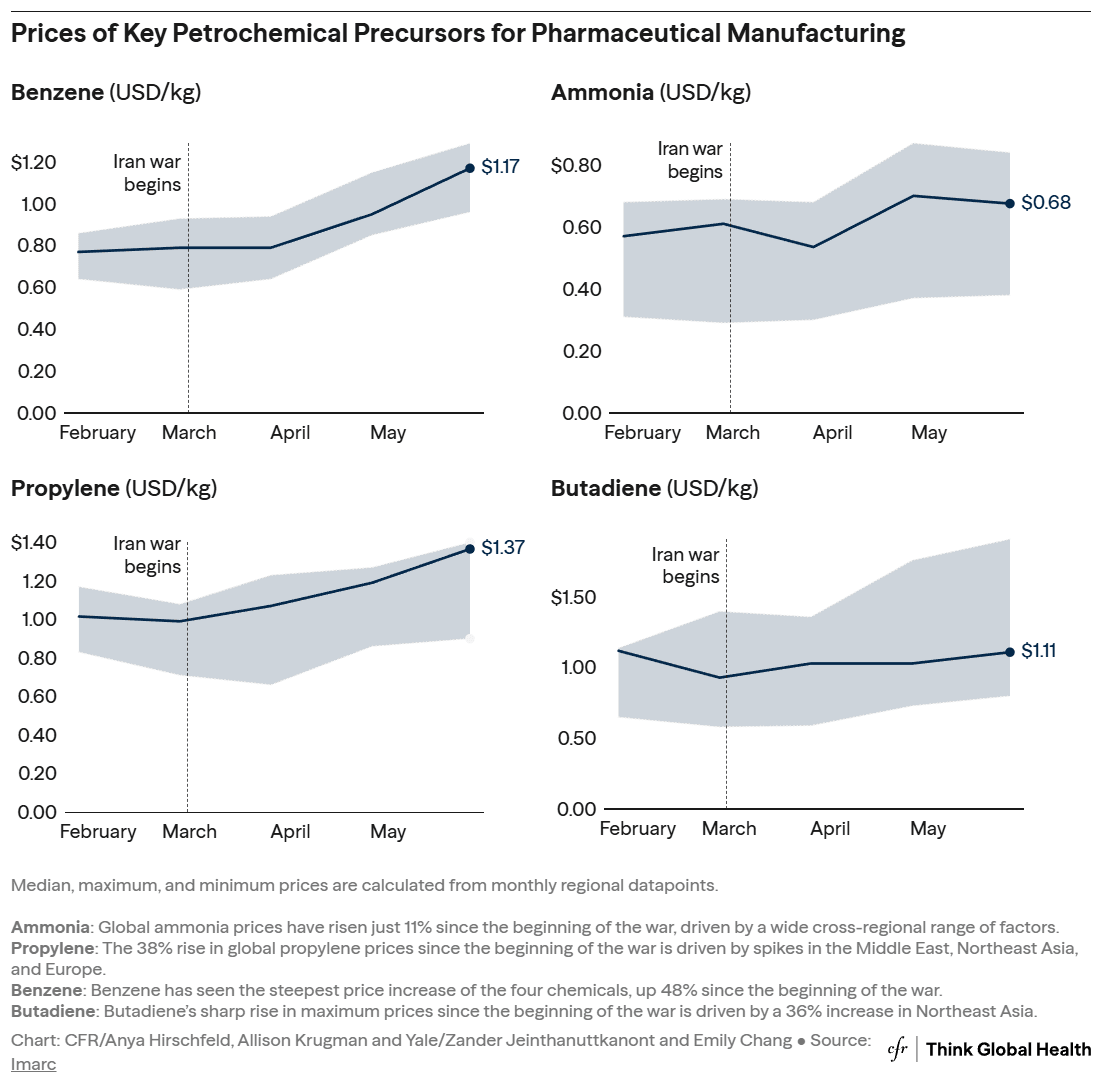
To open this week's newsletter, CFR Senior Fellow Prashant Yadav and Research Associate Anya Hirschfeld analyze how the war has disrupted the pharmaceutical supply chain, and examine shocks to upstream inputs used in everyday drug manufacturing and distribution that could continue to affect drug costs and availability.  

Next, the United States and Zambia failed to reach an agreement last month that would provide funding for Zambia's health programs. The International Vaccine Access Center's Executive Director William Moss outlines the importance of continuing negotiations for much-needed support for Zambian health initiatives addressing malaria, HIV/AIDS, and vaccinations.  

Also hindering HIV prevention, the Trump administration's proposed budget for fiscal year 2027 included a $5 billion cut to the National Institutes of Health, the single largest funder of HIV vaccine research worldwide. AVAC's Director of Research Engagement Stacey Hannah and Executive Director Mitchell Warren argue that cuts to research and aid could undermine the global HIV response. 

Until next week!—Allison Krugman, Associate Editor, Data Visuals and Aly Martinez, Research Associate


This Week's Highlight

GOVERNANCE

A scientific officer works in the research lab at the University of Cape Town's Institute of Infectious Disease and Molecular Medicine, in Cape Town, South Africa, on February 17, 2025.

NIH Budget Cuts Threaten HIV Research  

by Stacey Hannah and Mitchell Warren

AVAC leaders warn that the Trump administration's proposed funding cuts to the National Institutes of Health could derail the vaccine needed to end HIV

Read this story


Figure of the Week

This shows four line graphs tracking the prices of key petrochemical precursors for pharmaceutical manufacturing.

Read this story 


Recommended Feature

GOVERNANCE

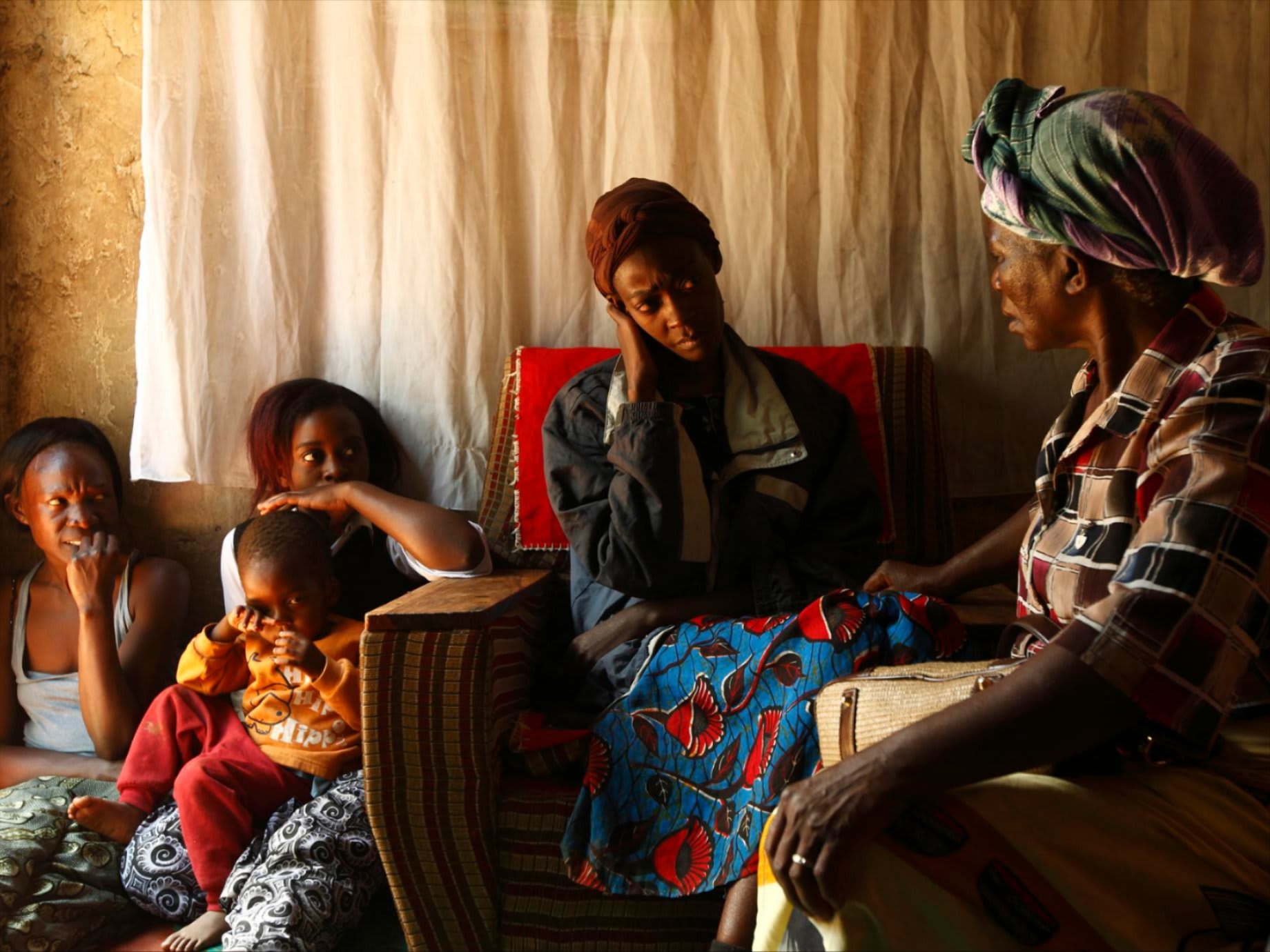
A home-based caregiver visits an HIV/AIDS patient in her home in Matero township, Lusaka, Zambia, on April 17, 2012.

Why U.S.-Zambia Foreign Aid Negotiations Should Continue 

by William Moss

International Vaccine Access Center lead William Moss explains why Zambia needs funding to maintain progress on malaria, HIV, and vaccination programs

Read this story


What We're Reading

U.S. Plans to End AIDS Funding for South Africa (New York Times)

New Plan Scales Back CDC's Work on Diseases Abroad (New York Times)


Top U.S. Official Defends Controversial Global Health Deals (Devex)

Europe Swelters Under Deadly 'Omega' Heatwave, More Records Broken (Reuters)

France Reports First Ebola Patient as Cases in Africa Surge Above 1,000 (Washington Post)


Interested in submitting?

Review our Submission Guidelines

Previous NewsletterBack to Archive

Subscribe to Our Newsletter

Sign up for our weekly newsletter to stay up to date.

See Past Newsletters
About This SiteSubmission Guidelines

©2025 Council on Foreign Relations. All rights reserved. Privacy Policy and Terms of Use.