• Environment
  • Poverty
  • Trade
  • Governance
  • Food
  • Urbanization
  • Aging
  • Gender
  • Migration
  • Data Visualization
  • Recommendations
  • Research & Analysis
  • Series
  • Interviews
  • About This Site
  • Submission Guidelines

Newsletter

Think Global Health

  • Environment
  • Poverty
  • Trade
  • Governance
  • Food
  • Urbanization
  • Aging
  • Gender
  • Migration
  • Data Visualization
  • Recommendations
  • Research & Analysis
  • Series
  • Interviews
  • About This Site
  • Submission Guidelines

Newsletter

Think Global Health

The WHO's Messy Breakup with the United States and South Carolina's Measles Outbreak

February 6, 2026


Editors' Note

This week, the World Health Organization (WHO) Executive Board convened to consider whether the United States still owes the international organization hundreds of millions of dollars and whether the legal requirements for its withdrawal have been met.  

Although the United States' exit from the WHO has been compared to a divorce, that analogy is inapt, say CFR's Thomas J. Bollyky and Elena Every. To lead this week's issue, Bollyky and Every explore the dynamics behind that "messy breakup" and how the WHO could win back the United States.  

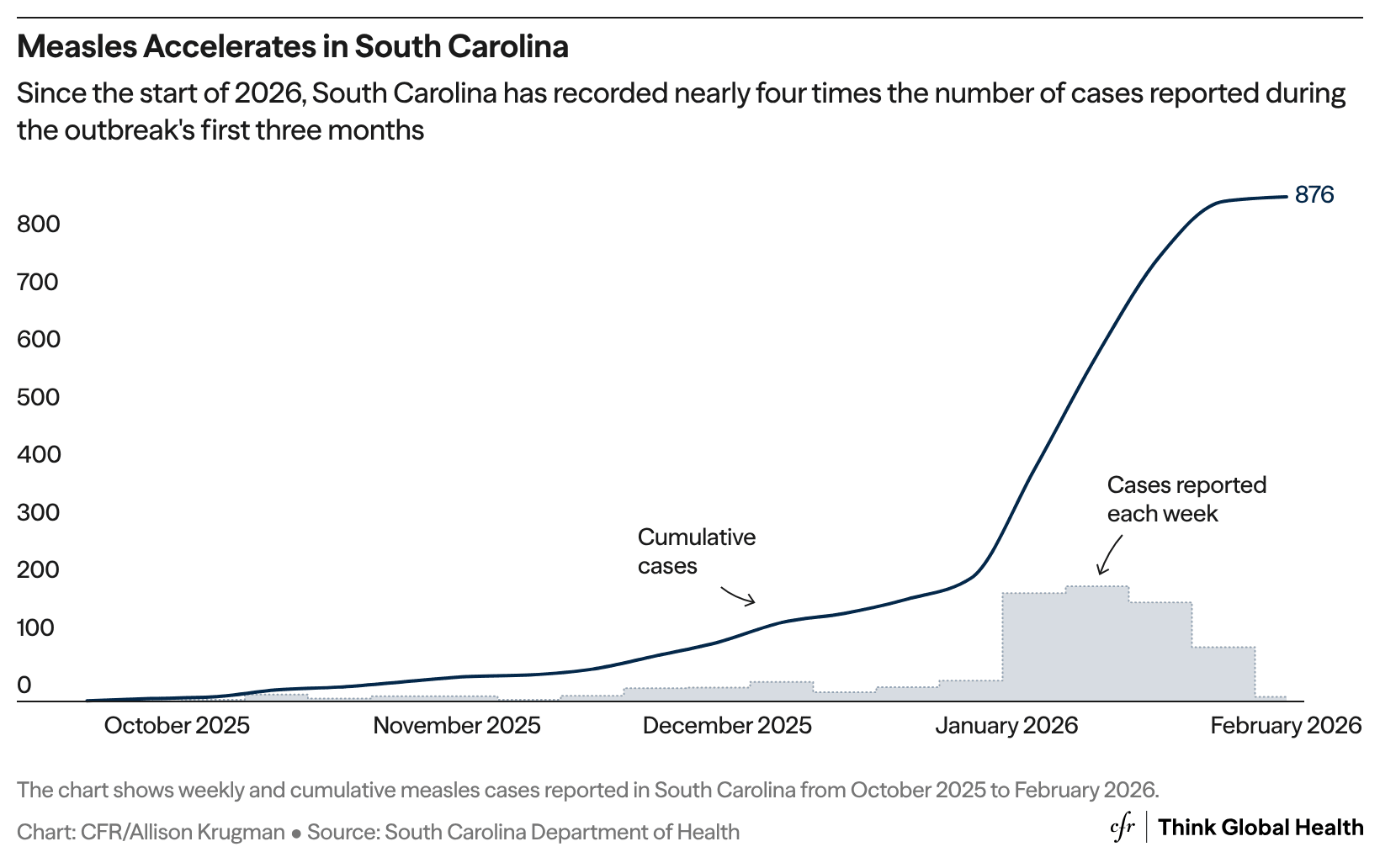
Since October, measles has infected 876 people in South Carolina, surpassing last year's epicenter in West Texas. Every vaccine-preventable outbreak carries a familiar theme—dwindling vaccination rates driven by misinformation and distrust. Journalist Anika Nayak explores the cultural dynamics feeding South Carolina's outbreak and what a new coalition of public health professionals, clinicians, and teachers is doing to track cases, support education, and promote vaccine outreach.   

In India, health systems are struggling to address tuberculosis (TB). Although the country reduced its TB death rate by 21% from 2015 to 2023, recent aid cuts threaten to reverse those gains. Journalist Rishabh Jain visits Bihar, a state ranked among India's highest for TB burden, to uncover how the funding drop is preventing community health programs from delivering treatments.  

Journalist Miriam Bahagijo then takes TGH to Indonesia, where a delayed sin tax on sugar-sweetened beverages has met with criticism from public health experts, who warn that repeated postponements could increase the burden of noncommunicable diseases such as diabetes and heart disease. 

Until next week!—Nsikan Akpan, Managing Editor, and Caroline Kantis, Associate Editor 
 

This Week's Highlight

GOVERNANCE

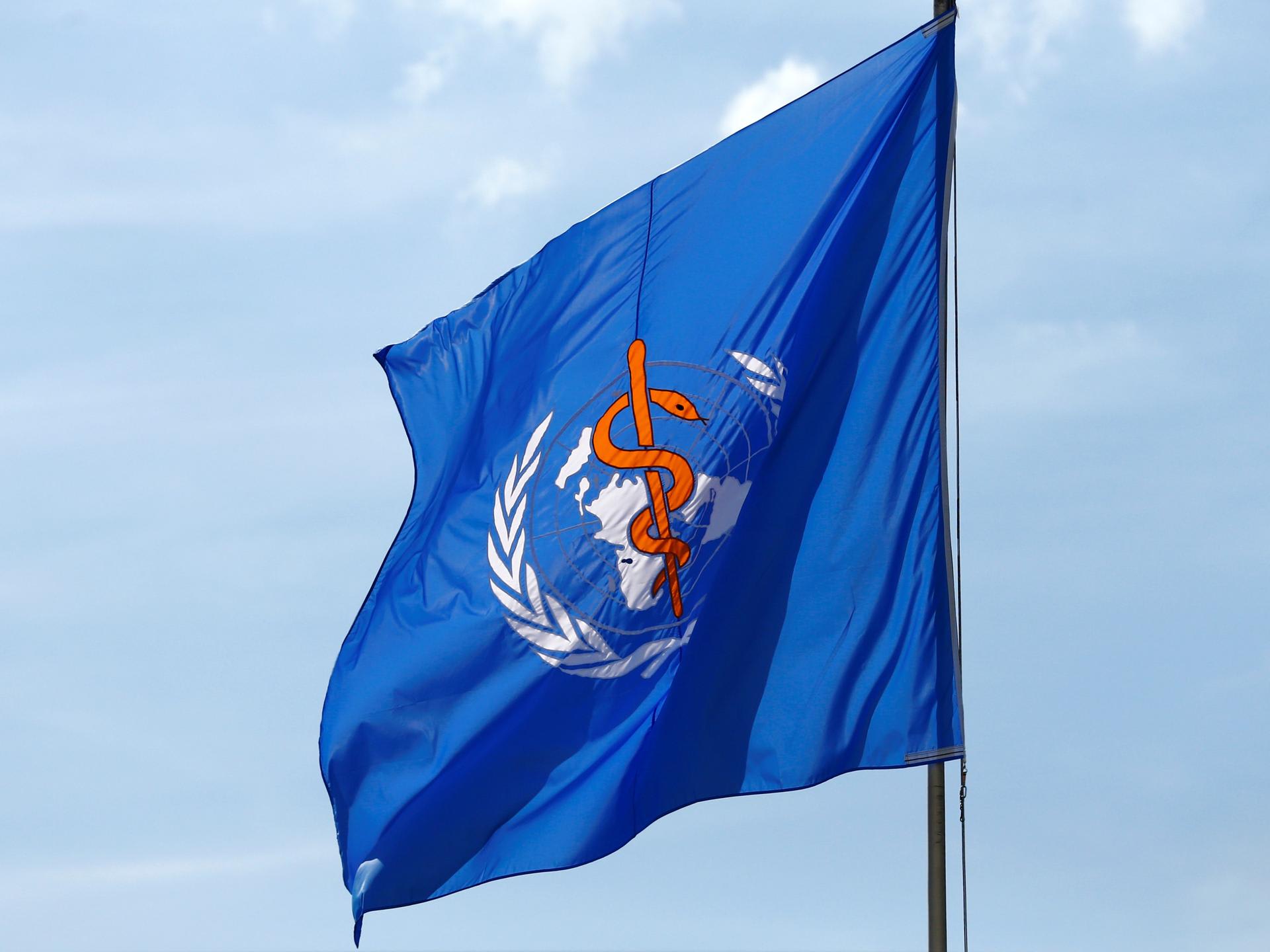
A WHO flag is pictured during the seventieth World Health Assembly, at the United Nations, in Geneva, Switzerland, on May 23, 2017.

How the WHO Could Mend Its Messy Breakup With the United States 

by Thomas J. Bollyky and Elena Every

The World Health Organization still has a trump card to play in its contested separation with the United States

Read this story


Figure of the Week

A line chart showing cumulative measles cases in South Carolina from October 2025-February 2026

Read this story


Recommended Features

POVERTY

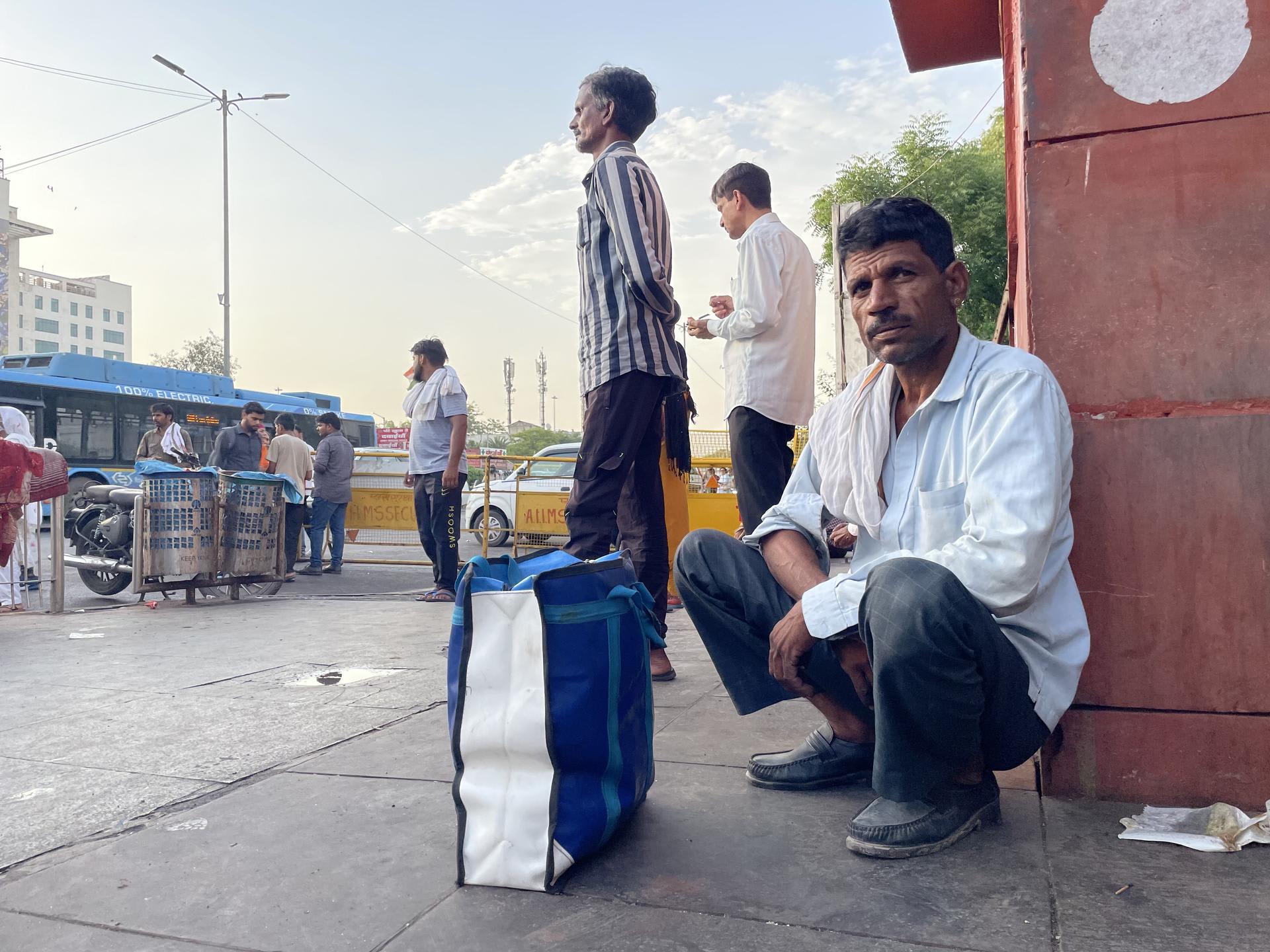
Ramesh Kumar, 45, sits outside a public hospital after seeking affordable tuberculosis treatment, at Ram Manohar Lohia Hospital, in New Delhi, on November 28, 2025.

India's Tuberculosis Patients, One Year After USAID's Dismantling 

by Rishabh Jain

Loss of U.S. aid caused community care interruptions that increase the risk of drug-resistant TB 

Read this story


FOOD

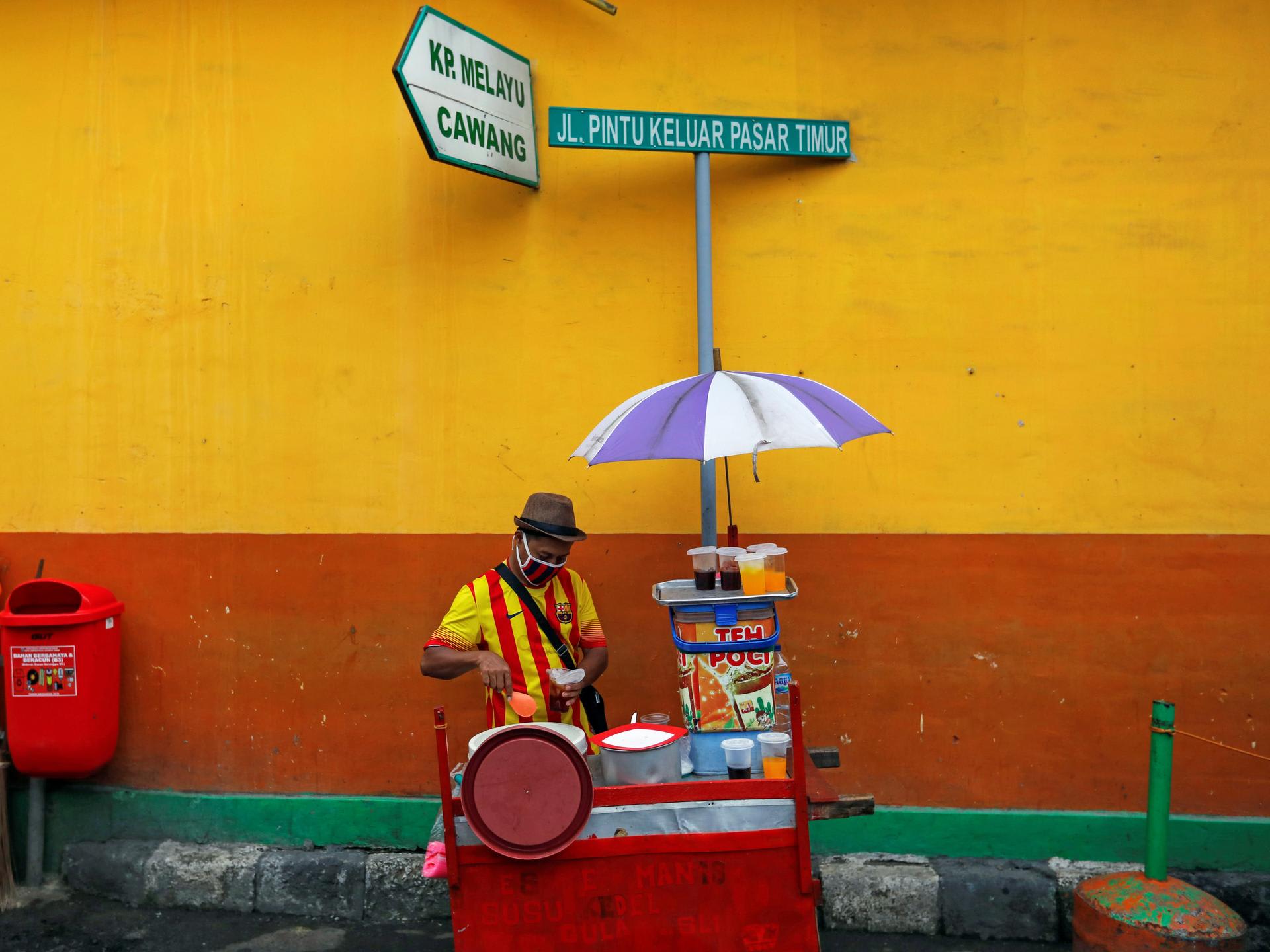
A street vendor prepares drinks for sale at Jatinegara, a traditional market, in Jakarta, Indonesia, on May 21, 2020.

Indonesia Delays Sugary Drink Taxes, Yet Again 

by Miriam Bahagijo

Conceived a decade ago, Indonesia's tax on sugar-sweetened beverages is now tied to an easy-to-miss economic target 

Read this story


What We're Reading

UN Risks "Imminent Financial Collapse," Secretary General Warns (BBC)

Source: Measles Outbreak Reported at ICE's Dilley Family Detention Facility (San Antonio Current) 

Sanofi Abandons Attempt to Develop Next-Gen mRNA Seasonal Flu Vaccine (Fierce Biotech)

Global and Regional Cancer Burden Attributable to Modifiable Risk Factors to Inform Prevention (Nature Medicine)

Emerging Bat Virus Found in Stored Throat Swabs From Five Patients With Suspected Nipah Virus Infection (Center for Infectious Disease Research and Policy)

HHS to Expand Faith-Based Addiction Programs for Homeless (New York Times)

Taliban Birth Control Ban: Women "Broken" by Lethal Pregnancies and Untreated Miscarriages (The Guardian)


Interested in submitting?

Review our Submission Guidelines

Previous NewsletterBack to Archive

Subscribe to Our Newsletter

Sign up for our weekly newsletter to stay up to date.

See Past Newsletters
About This SiteSubmission Guidelines

©2025 Council on Foreign Relations. All rights reserved. Privacy Policy and Terms of Use.