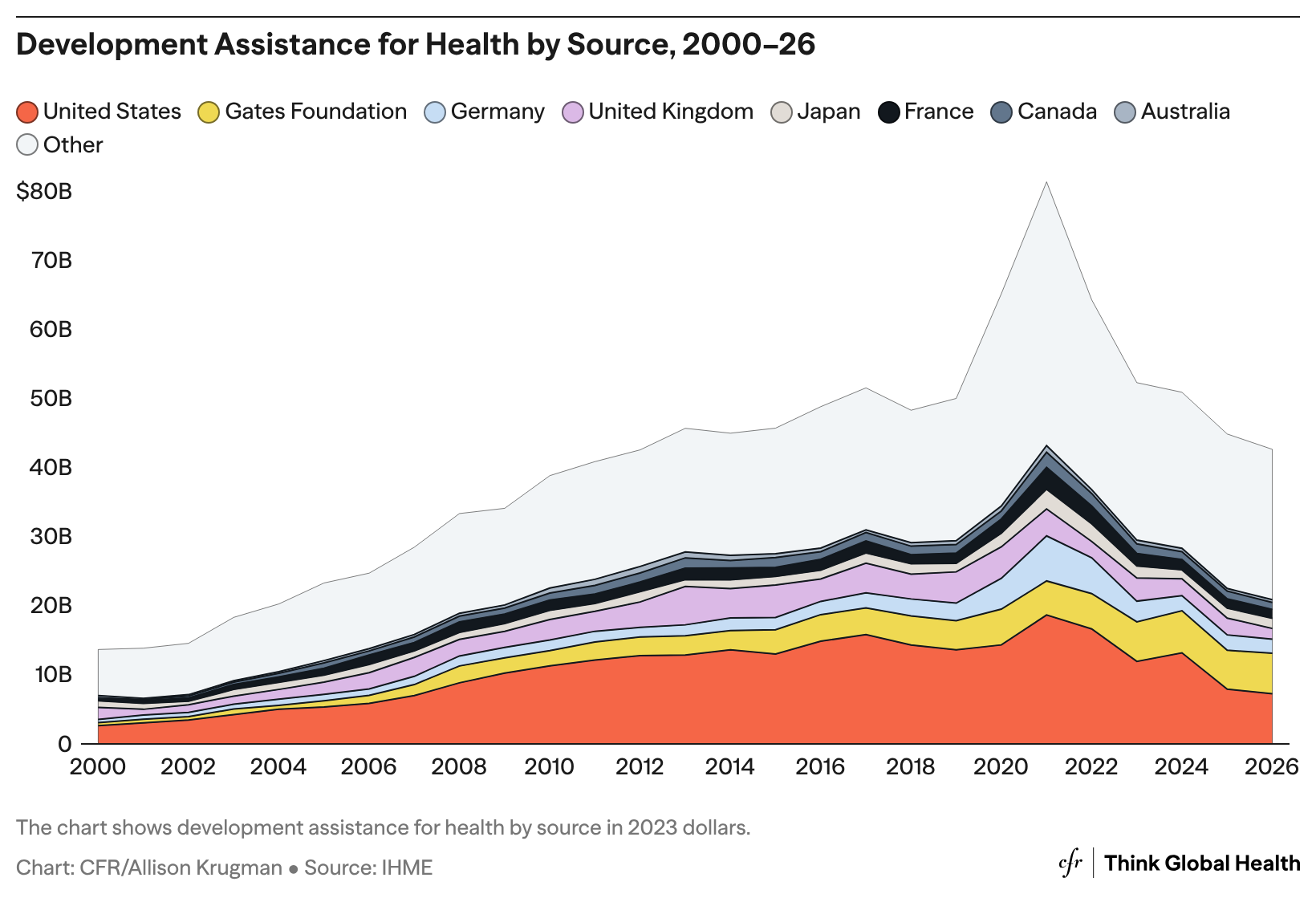
Global health funding declined again in 2026, but the drop was less severe than in 2025, according to preliminary estimates from researchers at the Institute for Health Metrics and Evaluation. Angela Apeagyei, who coleads the organization's resource-tracking team, describes how some low-income countries—and most African countries—increased their health spending in response to the cuts. Still, those countries could see a reduction in lifesaving health services unless they can raise additional money.
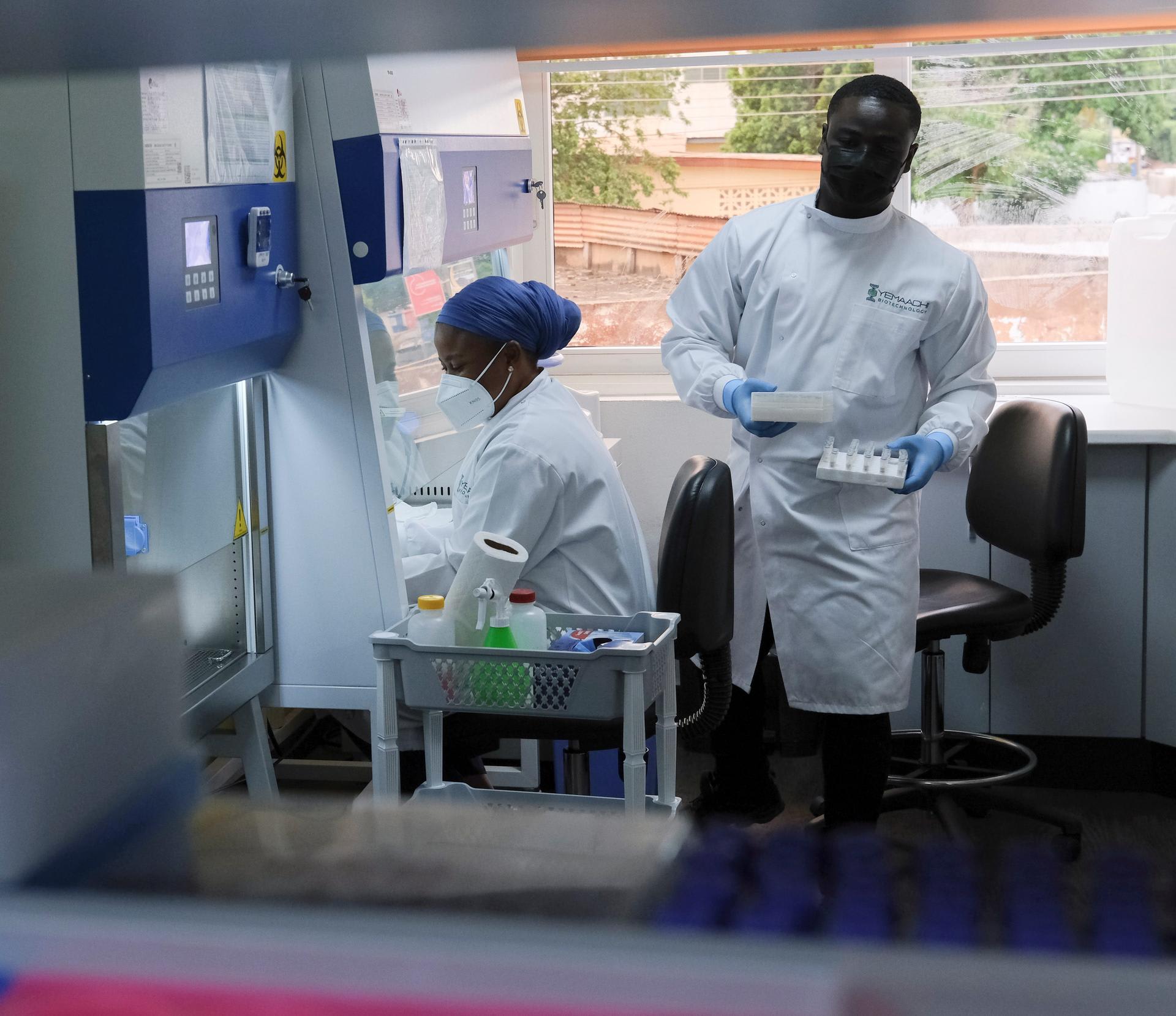
Next, Gbenga Ogedegbe, a professor of population health and medicine at the New York University Grossman School of Medicine, and coauthors propose a way to secure global health research grants in the America First era—by demonstrating how research can improve health both in the United States and abroad. For example, U.S. scientists adapted a study, originally carried out in Ghana, to improve outcomes for people with high blood pressure in Brooklyn, New York.
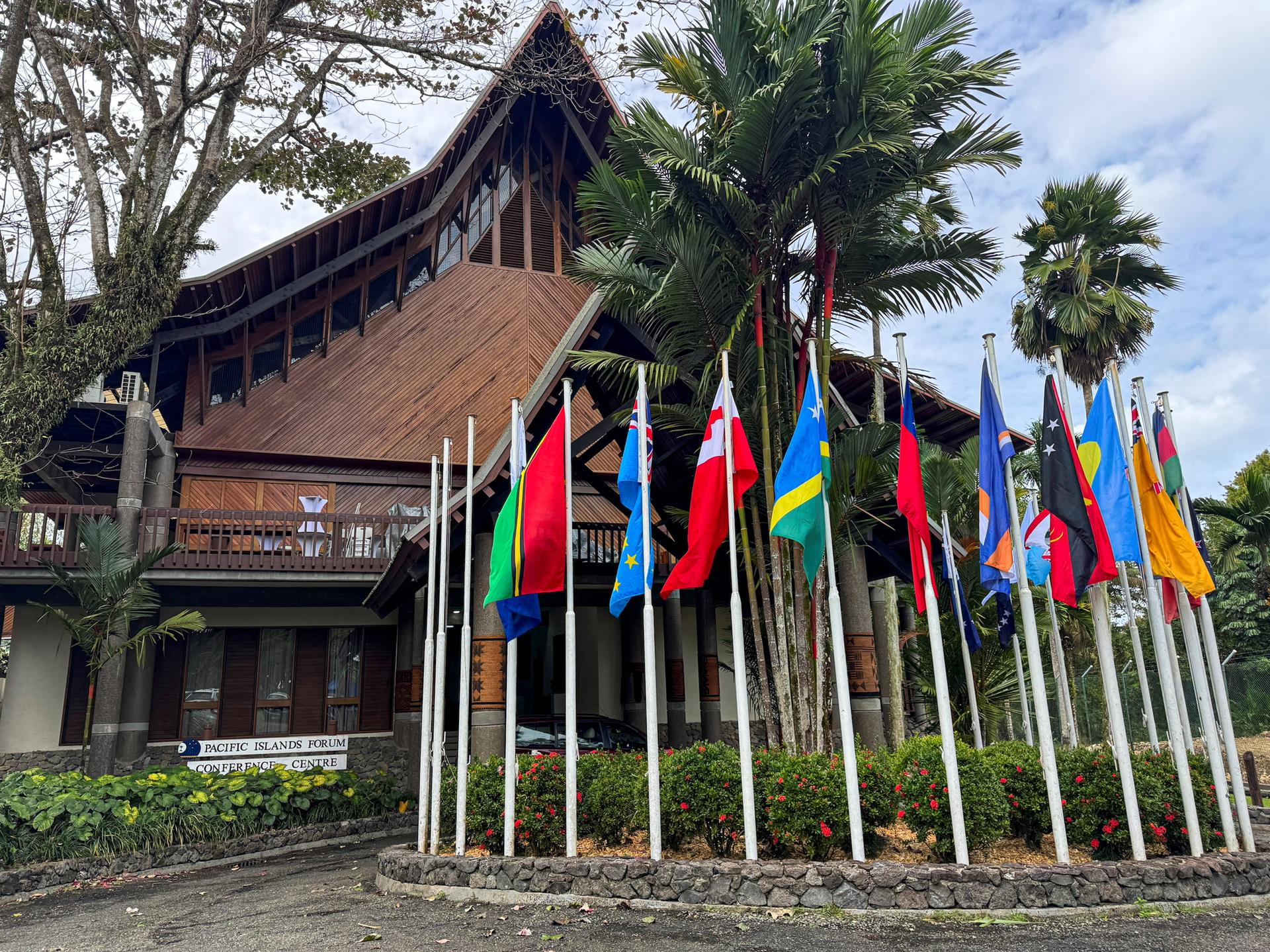
Building on conversations around global health reform, the last piece discusses talanoa, a time-honored Pacific tradition of gathering together, listening attentively, and building trust. According to Saia Ma'u Piukala, World Health Organization (WHO) regional director for the Western Pacific, and Tamás Landesz, director of business operations at the WHO Regional Office for the Western Pacific, the global health community could use talanoa to respond more effectively to the complex challenges it faces.
Think Global Health is also following the evolving regional spread of Ebola virus, after people tested positive for the Bundibugyo strain in Kenya and Nigeria.
Until next week!—Allison Krugman, Deputy Managing Editor, Katherine Leach-Kemon, Senior Contributing Editor, and Alejandra Martinez, Research Associate
by Gbenga Ogedegbe, Benjamin Meier, Salma Abdalla, and Joshua Bogus
Reciprocal innovation, when researchers find and adapt solutions to improve health across borders, could be an answer to the ongoing political challenges in financing research
Pacific health leaders have been drawing on talanoa, a form of group discussion, to confront challenges such as climate change and noncommunicable diseases