• Environment
  • Poverty
  • Trade
  • Governance
  • Food
  • Urbanization
  • Aging
  • Gender
  • Migration
  • Data Visualization
  • Recommendations
  • Research & Analysis
  • Series
  • Interviews
  • About This Site
  • Submission Guidelines

Newsletter

Think Global Health

  • Environment
  • Poverty
  • Trade
  • Governance
  • Food
  • Urbanization
  • Aging
  • Gender
  • Migration
  • Data Visualization
  • Recommendations
  • Research & Analysis
  • Series
  • Interviews
  • About This Site
  • Submission Guidelines

Newsletter

Think Global Health

Suspected Plague Mystery in Russia and Dangerous Bird Flu on a Fur Farm

October 16, 2026


Editor's Note

This week's edition examines the tenuous state of global health security. 

Questions continue to swirl regarding the unexplained death of a lab worker at an anti-plague institute in Russia. Judy Twigg, a professor of political science at Virginia Commonwealth University who studies Russia, explores what is known about the incident, what is unknown, and why. Twigg discusses how staff reductions at the World Health Organization—a consequence of the United States' exit and funding withdrawal—have made the situation even murkier.  

In the United States, Neil Vora, executive director of Preventing Pandemics at the Source Coalition, argues that the recent detection of H5N1—a highly pathogenic version of bird flu—on a mink farm in Utah calls for stricter disease control measures, including banning fur farming to prevent hazardous outbreaks that could spread to humans. At minimum, writes Vora, Congress should not subsidize fur farming, which it is poised to do if the 2026 Farm Bill passes as written.

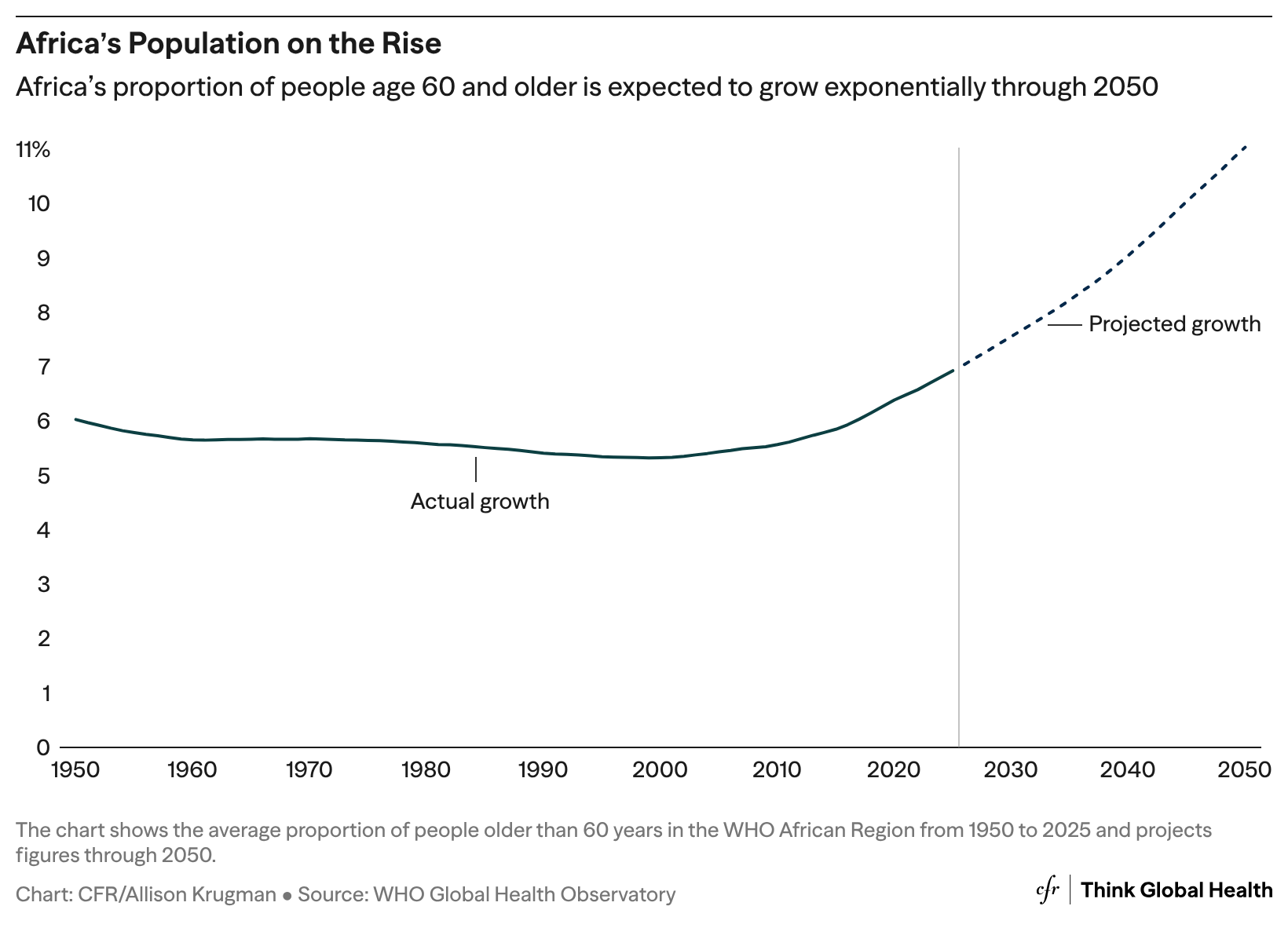
Separately, in Kenya, where the number of people over 60 years old is projected to quadruple by 2050, Joshua Ehrlich and Anthony Ngugi, co-principal investigators of the Longitudinal Study of Health and Ageing in Kenya, show that researchers should adapt common tools to measure cognitive function among older adults to local cultural norms to ensure accuracy. 

Until next week!—Allison Krugman, Deputy Managing Editor, Katherine Leach-Kemon, Senior Contributing Editor, and Alejandra Martinez, Research Associate
 

This Week's Highlight

GOVERNANCE

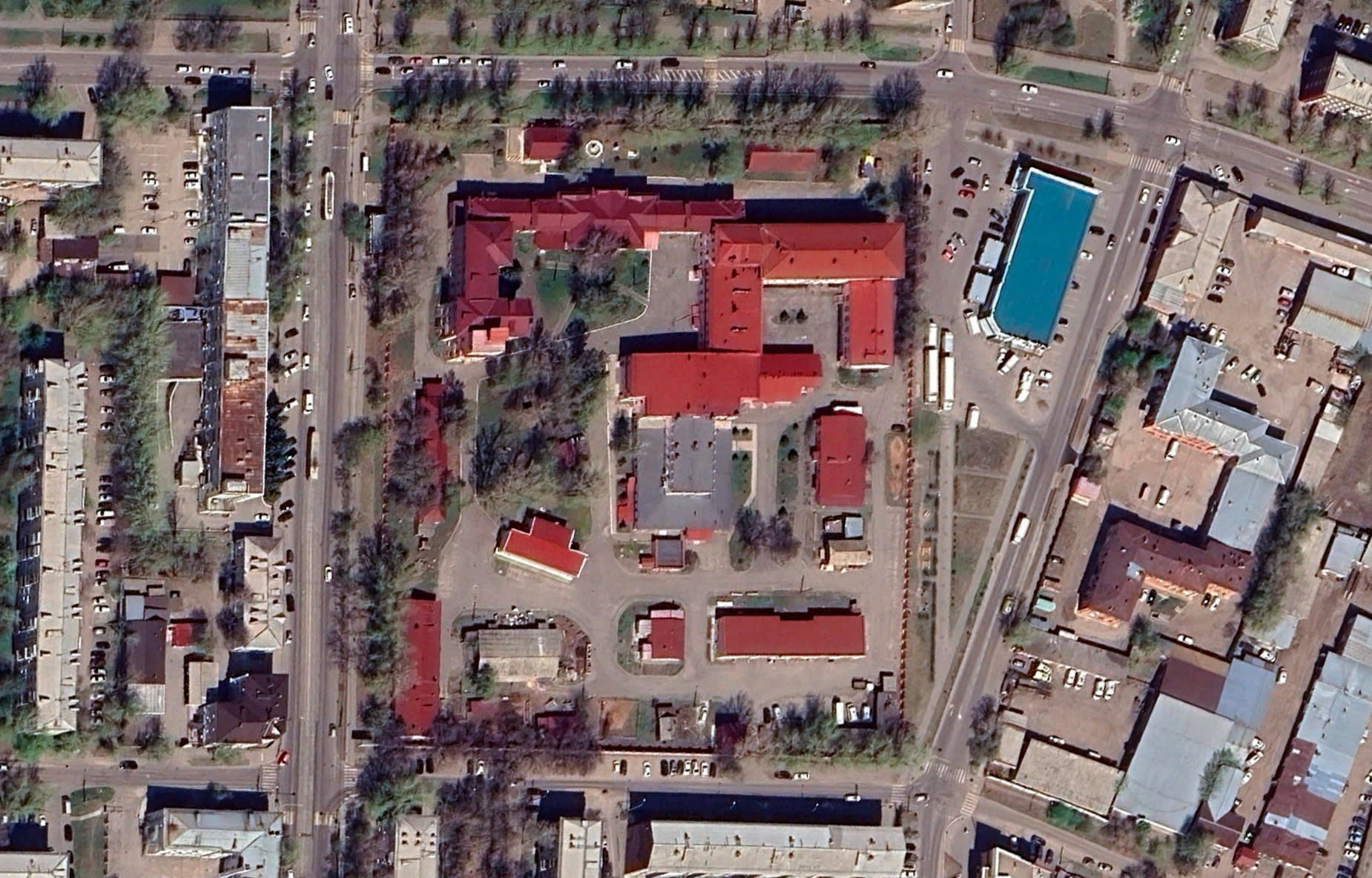
A satellite image shows the Anti-Plague Institute of Siberia and the Far East, in Irkutsk, Russia, on May 8, 2025.

Russia's Suspected Plague Incident and the Limits of Disease Reporting

by Judy Twigg

The Irkutsk death highlights Russia's decades of opaque communication and the shortcomings of international law, writes a Russia expert

Read this story


Figure of the Week

The chart shows the average proportion of people older than 60 years in the WHO Africa Region from 1950 to 2025 and projects figures through 2050.


Read this story


Recommended Feature

GOVERNANCE

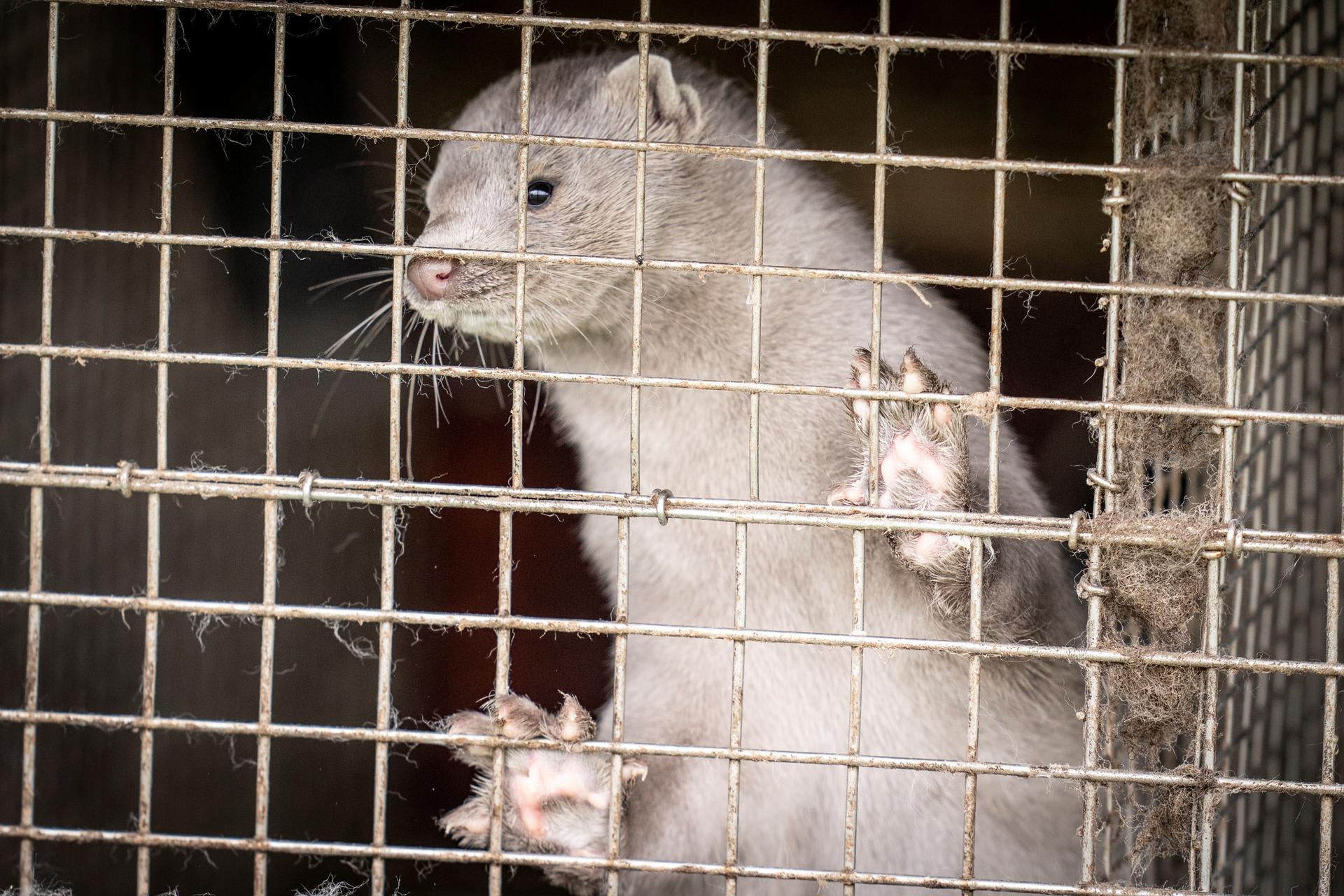
A caged mink looks on at a mink farm, in Hjoerring, in North Jutland, Denmark, on October 8, 2020.

Bird Flu on Utah Mink Farm Raises Biosecurity Questions

by Neil Vora

An outbreak of H5N1 on a Utah mink farm puts the public at risk, and a bill in Congress could expand fur farming

Read this story


What We're Reading

As a Scientist, Here's What Worries Me About the Suspected Russian Plague Victim (The Guardian)

UN Adopts Pandemic Declaration Despite U.S. Opposition (Devex)

Court of Appeal Lifts Orders Blocking Kenya-U.S. Health Deal (The Star)

WHO Recommends Against GLP-1s for Young Kids—Amid Wegovy Trial for 6 Year Olds (Forbes)


Interested in submitting?

Review our Submission Guidelines

Previous NewsletterBack to Archive

Subscribe to Our Newsletter

Sign up for our weekly newsletter to stay up to date.

See Past Newsletters
About This SiteSubmission Guidelines

©2025 Council on Foreign Relations. All rights reserved. Privacy Policy and Terms of Use.