• Environment
  • Poverty
  • Trade
  • Governance
  • Food
  • Urbanization
  • Aging
  • Gender
  • Migration
  • Data Visualization
  • Recommendations
  • Research & Analysis
  • Series
  • Interviews
  • About This Site
  • Submission Guidelines

Newsletter

Think Global Health

  • Environment
  • Poverty
  • Trade
  • Governance
  • Food
  • Urbanization
  • Aging
  • Gender
  • Migration
  • Data Visualization
  • Recommendations
  • Research & Analysis
  • Series
  • Interviews
  • About This Site
  • Submission Guidelines

Newsletter

Think Global Health

History's Mistakes on Contraception, El Niño Emergency, and TB in the Canadian Arctic

November 13, 2026


Editor's Note

As the 31st UN Climate Change conference begins, and the "super" El Niño arrives, many countries are bracing themselves for potential food shortages, extreme heat, and infectious disease outbreaks. The World Health Organization (WHO) should declare a public health emergency of international concern, its highest level of alert under the International Health Regulations, to mobilize an international response and minimize the death toll from this dangerous—and temporary—event, according to Colin J. Carlson, an assistant professor of epidemiology at Yale University School of Public Health, and Christopher Callahan, an assistant professor at Indiana University's Paul H. O'Neill School of Public and Environmental Affairs.   

Next, journalist Marty Logan reports on how Canada still struggles to address tuberculosis in the Arctic, despite positioning itself as a global leader in supporting low- and middle-income countries to combat the disease. Rates of tuberculosis can be hundreds to thousands of times higher among Indigenous people in Northern Canada compared to those who are not Indigenous, Logan reports, and decades of damaging government policies deter people from seeking health care.  

The last piece this week cautions philanthropists investing in family planning to heed lessons from history to protect human rights. In the past, focusing exclusively on increasing the number of women using contraception led to alleged coercive practices in countries such as India and Indonesia, explains Shyami de Silva, former Director of the Office of Population and Reproductive Health at the U.S. Agency for International Development (USAID). 

Until next week!—Allison Krugman, Deputy Managing Editor; Katherine Leach-Kemon, Senior Contributing Editor; and Alejandra Martinez, Research Associate
 

This week's highlights

ENVIRONMENT

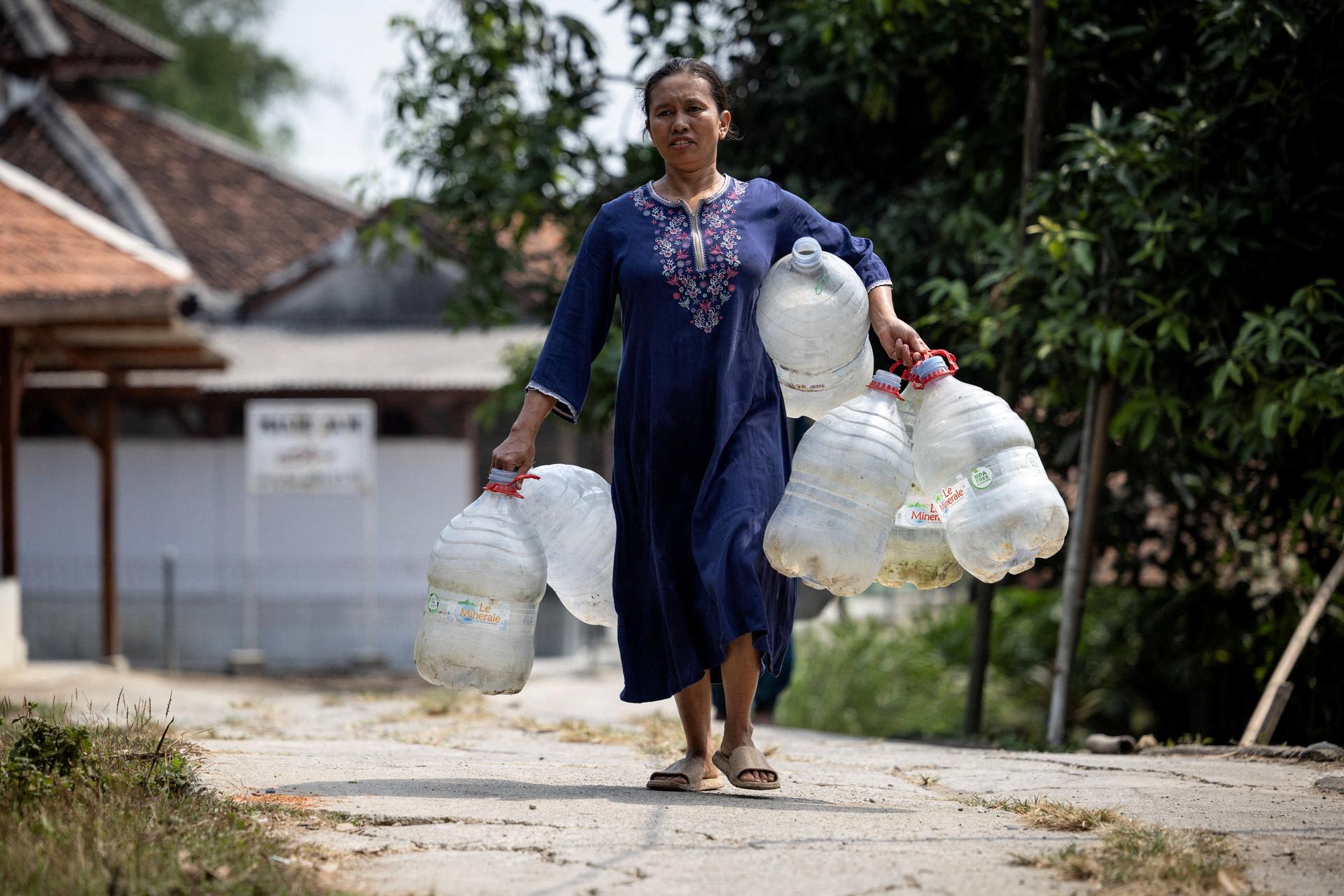
A woman carries water containers to collect free clean water, amid forecasts that El Niño may contribute to drier-than-normal conditions, in Rido Galuh village, Bekasi regency, Indonesia, on July 16, 2026.

WHO Director General Should Convene Emergency Committee on El Niño

by Colin J. Carlson and Christopher Callahan

A coordinated international response could substantially reduce El Niño's negative effects on public health

Read this story

GOVERNANCE

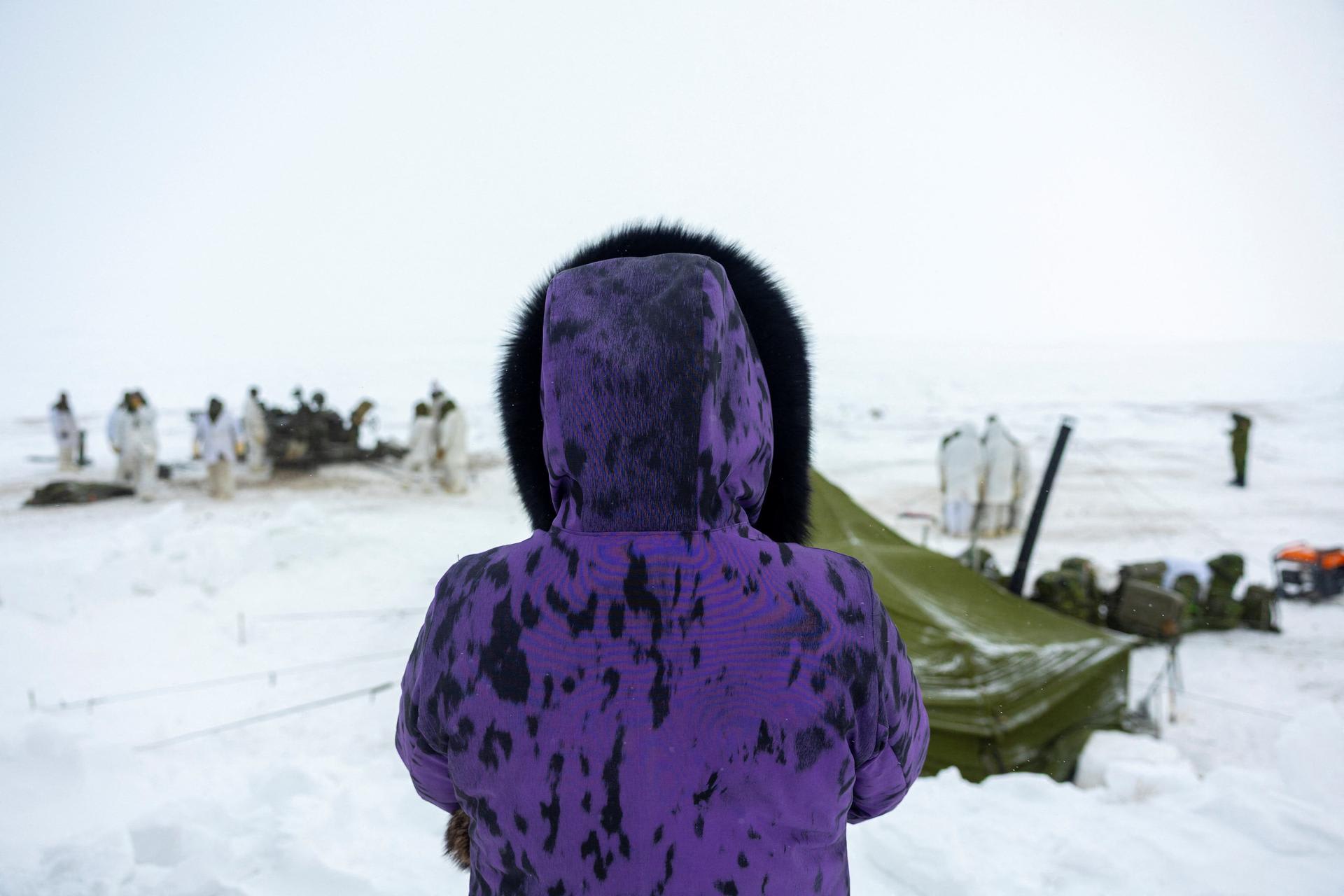
A resident watches as the 1st Regiment, Royal Canadian Horse Artillery works with an M777 Howitzer as Canadian Armed Forces deploy to 'Operation Nanook-Nunalivut,' in Cambridge Bay, Nunavut, Canada, on February 19, 2026.

Canada Struggles with TB in Inuit Populations

by Marty Logan

As Canada's defense interests in the Arctic grow, the country should address the disproportionate tuberculosis burden among its indigenous residents

Read this story

GENDER

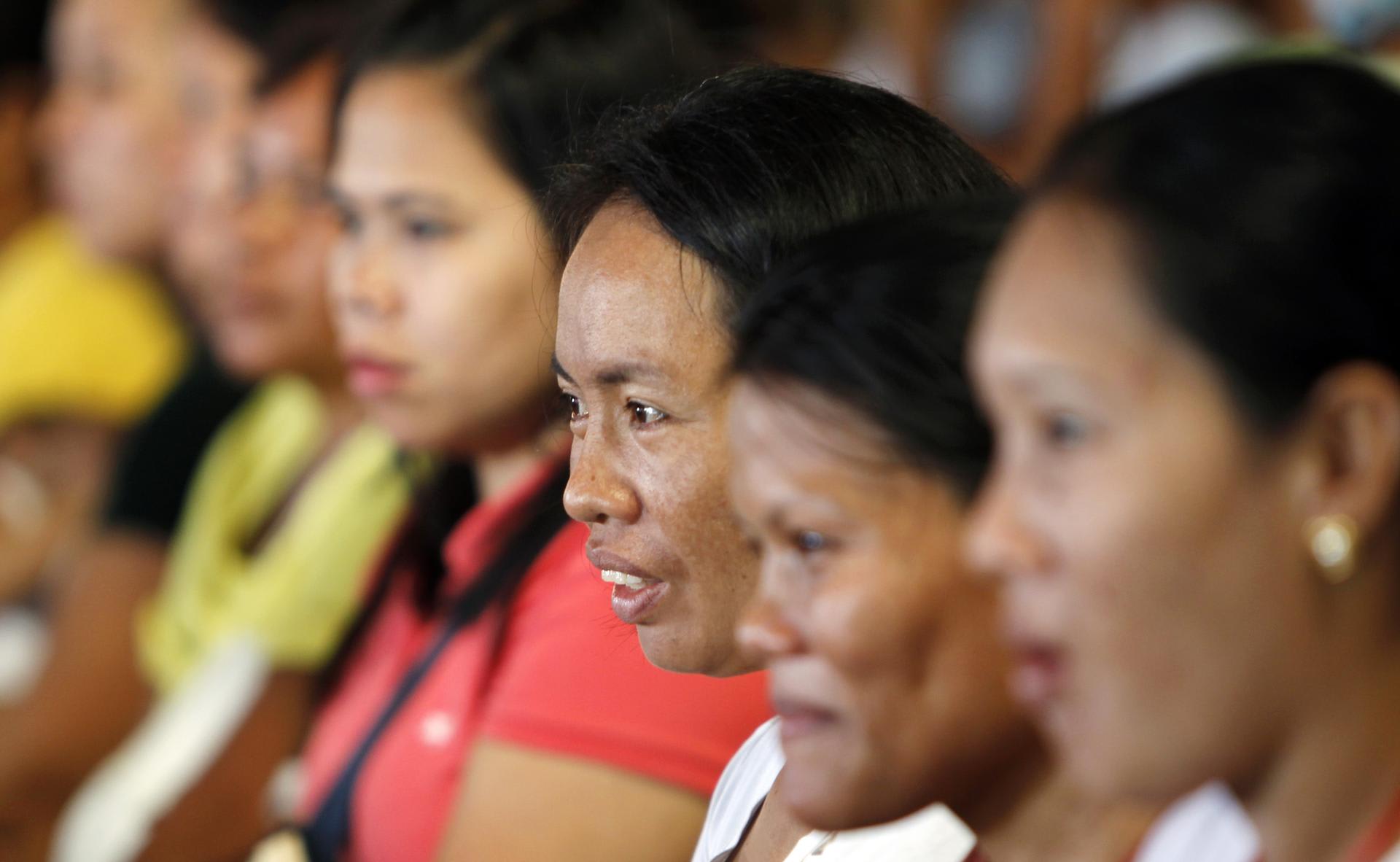
Women listen during a family planning session. in Manila, Philippines, on July 11, 2012.

Learning from History's Mistakes on Contraception

by Shyami de Silva

As new funders emerge after USAID's dismantling, family planning should maintain comprehensive programming over metrics alone

Read this story


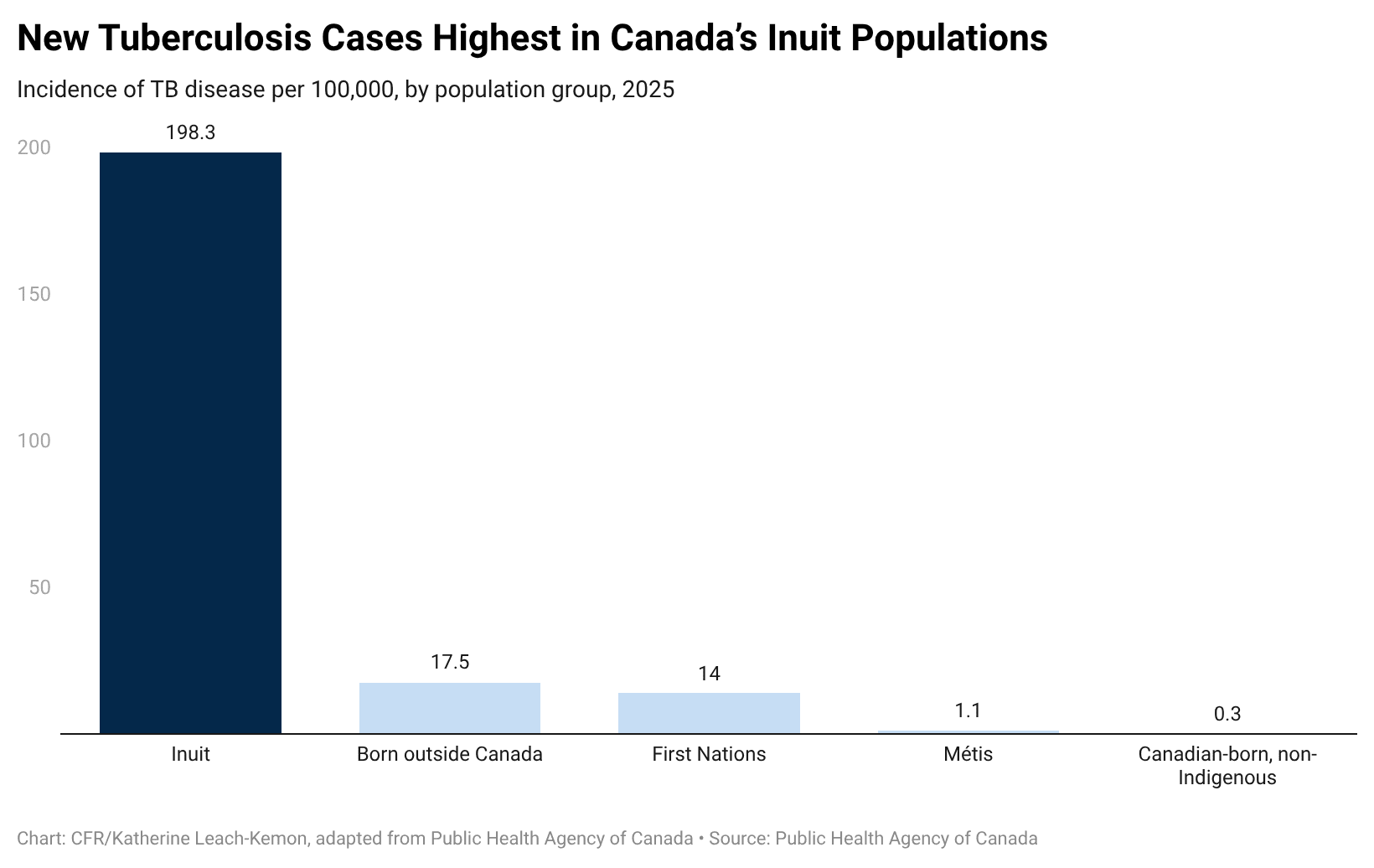
Figure of the Week

The bar chart shows how levels of TB were over 600 times higher among the Inuit population group in Canada compared to Canadian-born, non-Indigenous groups.

Read this story


What We're Reading

A Super El Niño Is Bearing Down. "What Are We to Do?" (New York Times)

The Vaccine Limbo in The United States Is Worsening The Measles Outbreak (The Guardian)

MSF Calls for Broader Access to ERVEBO Vaccine During Ebola Outbreak (Doctors Without Borders)

An "America First" Approach to Famine (The Atlantic)


Interested in submitting?

Review our Submission Guidelines

Previous NewsletterBack to ArchiveNext Newsletter

Subscribe to Our Newsletter

Sign up for our weekly newsletter to stay up to date.

See Past Newsletters
About This SiteSubmission Guidelines

©2025 Council on Foreign Relations. All rights reserved. Privacy Policy and Terms of Use.