• Environment
  • Poverty
  • Trade
  • Governance
  • Food
  • Urbanization
  • Aging
  • Gender
  • Migration
  • Data Visualization
  • Recommendations
  • Research & Analysis
  • Series
  • Interviews
  • About This Site
  • Submission Guidelines

Newsletter

Think Global Health

  • Environment
  • Poverty
  • Trade
  • Governance
  • Food
  • Urbanization
  • Aging
  • Gender
  • Migration
  • Data Visualization
  • Recommendations
  • Research & Analysis
  • Series
  • Interviews
  • About This Site
  • Submission Guidelines

Newsletter

Think Global Health

Progress in the HIV Fight and Ozempic's Effect on Mental Health

December 5, 2025


Editors' Note

Since 2010, countries have made remarkable progress in the fight against HIV/AIDS. The global population accessing antiretroviral therapies grew from 7.7 million to almost 32 million, and new HIV infections declined by 40%. Despite those strides, millions still lack access to treatment, and in 2024, someone died of an HIV-related cause every minute.  

Lenacapavir—a new twice-yearly injection that prevents infections in 100% of females and 96% of males—could transform that fight. To lead this week's edition—and commemorate World AIDS Day—Global Black Gay Men Connect's Executive Director Micheal Ighodaro outlines the duty countries have in supporting access to lenacapavir by accelerating regulatory reviews, updating national guidelines, investing in community models, and front-loading procurement.  

This week in the United States, the Advisory Committee on Immunization Practices (ACIP), a federal panel convened by the Centers for Disease Control and Prevention, met to discuss ingredients in pediatric vaccines. Over the summer, ACIP recommended against thimerosal, an ethyl mercury-based preservative that the United States permits only among a small number of influenza vaccines. But the recommendation could dangerously undermine confidence in low- and middle-income countries, where the proven-safe preservative is used regularly in multidose vials to ensure access for various vaccines. CFR Senior Fellow Prashant Yadav and Orin Levine from the Washington Research Foundation explain how cold-chain capacity and production costs hamper international access to single-dose alternatives.  

TGH then tackles two conversations on obesity. First, journalist Rajeev Tyagi takes readers to India and explains how the health benefits of the country's recent decision to increase taxes on sodas could be undermined by reduced levies on other sugary beverages, including fruit juices. To cap off the edition, journalist Charissa Egger details the mental health risks and benefits of GLP-1 drugs, whose off-label prescriptions have become popular for weight loss. She warns that access to GLP-1 drugs is outpacing scientific research.  

Until next week!—Nsikan Akpan, Managing Editor, and Caroline Kantis, Associate Editor 


This Week's Highlights

TRADE

A person who contracted HIV after losing access to PrEP, washes his face, in Asaba, Delta State, Nigeria, on May 31, 2025.

Lenacapavir Can Transform HIV Prevention—If Countries Support Access   

by Micheal Ighodaro

By 2030, nearly 60% of global demand for pre-exposure prophylaxis will be concentrated in historically underserved communities 

Read this story

GOVERNANCE

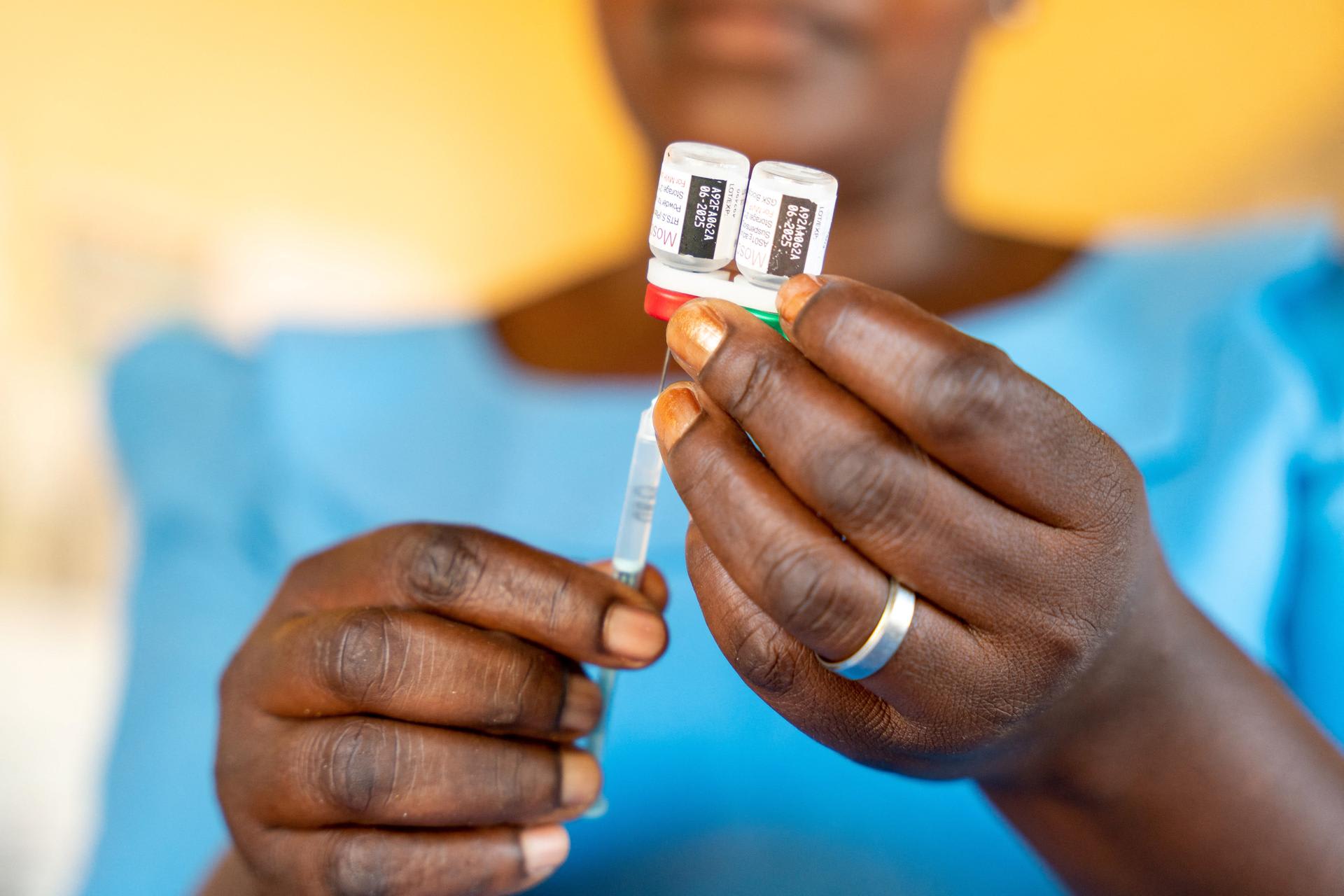
A worker holds a malaria vaccine vial to administer to a child, at Chileka Health Center, in Lilongwe, Malawi

Beyond Thimerosal: Preserving Vaccine Access Amid Growing Hesitation

by Prashant Yadav and Orin Levine

Vaccine ingredients such as thimerosal have long safety records. U.S. discourse could sow dangerous doubt among global partners

Read this story

FOOD

A vendor selling snacks and refreshment drinks waits for customers, outside Alipore Zoological Garden, in Kolkata, India, on May 1, 2024

To Tackle Obesity, India Needs More Than High Soda Taxes

by Rajeev Tyagi

New taxes and policy target soft drinks, but they overlook other sugary beverages and the country's obesogenic environment

Read this story


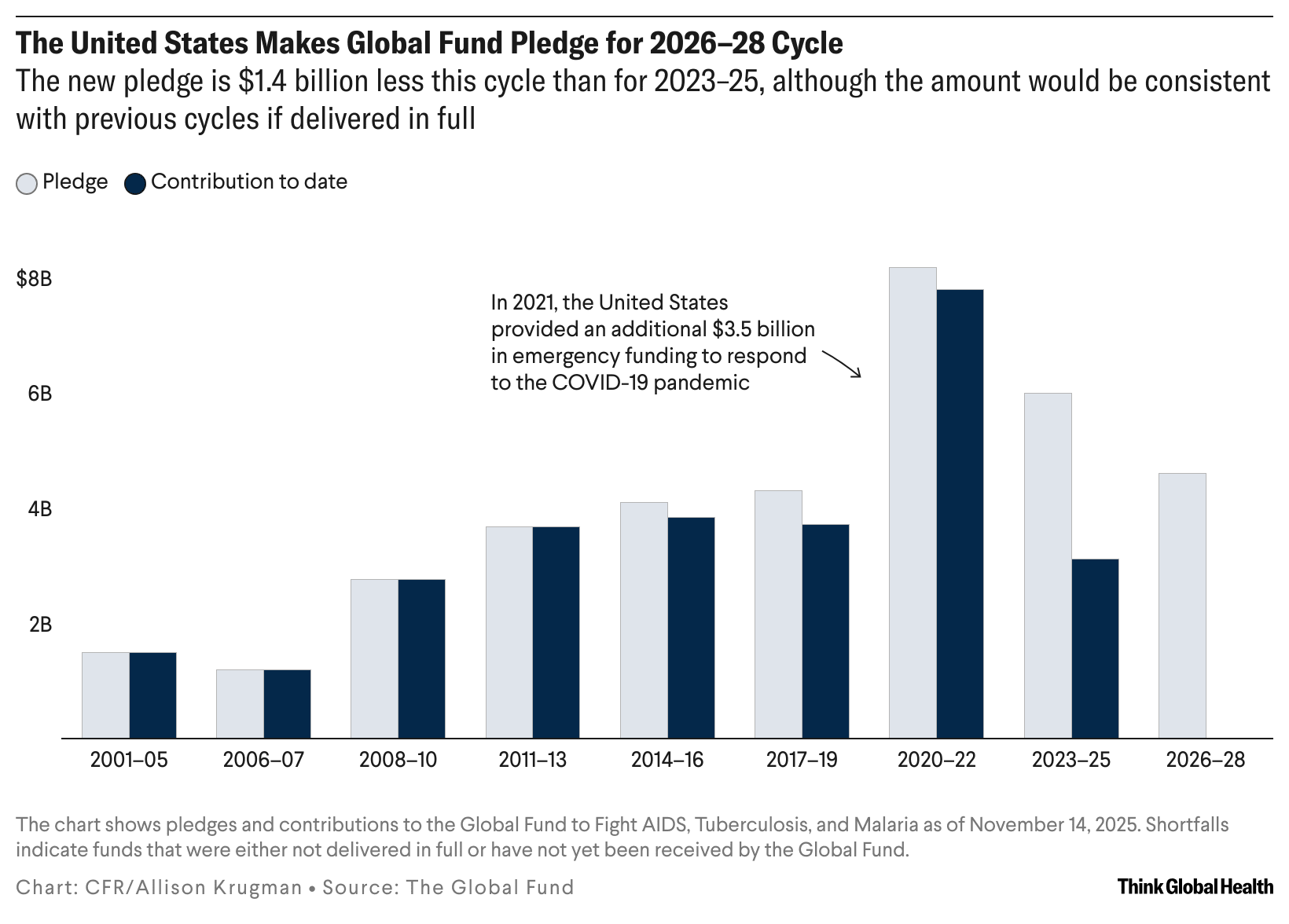
Figure of the Week

A column chart showing U.S. global fund pledges compared to contributions to date

Read this story


Recommended Feature

GOVERNANCE

Dawn Heidlebaugh, who experienced mental health concerns while using Ozempic, looks out of the window of her home, in Findlay, Ohio, on September 19, 2023.

The Mental Health Effects of Ozempic and GLP-1 Drugs

by Charissa Egger

As researchers decipher how GLP-1s affect mental health, experts worry access is outpacing the scientific investigation

Read this story


What We're Reading

The UK Must Avoid Deadly Cuts to Health Aid in Sierra Leone (Center for Global Development)

Employment Verification: The Next Front for U.S. Immigration Enforcement? (Migration Policy Institute)

Cyclone Catastrophe in Sri Lanka Awakens Volunteer Spirit (BBC)

The U.S. Is Funding Fewer Grants in Every Area of Science and Medicine (New York Times)

Teens May Have Come Up With a New Way to Detect, Treat Lyme Disease Using CRISPR Gene Editing (CBS News)

For the First Time Since 1988, the United States Is Not Officially Commemorating World AIDS Day (NPR's Goats and Soda)

The Global Decline in Murder, Explained in One Chart (Vox)


Interested in submitting?

Review our Submission Guidelines

Previous NewsletterBack to Archive

Subscribe to Our Newsletter

Sign up for our weekly newsletter to stay up to stay up to date.

See Past Newsletters
About This SiteSubmission Guidelines

©2025 Council on Foreign Relations. All rights reserved. Privacy Policy and Terms of Use.