• Environment
  • Poverty
  • Trade
  • Governance
  • Food
  • Urbanization
  • Aging
  • Gender
  • Migration
  • Data Visualization
  • Recommendations
  • Research & Analysis
  • Series
  • Interviews
  • About This Site
  • Submission Guidelines

Newsletter

Think Global Health

  • Environment
  • Poverty
  • Trade
  • Governance
  • Food
  • Urbanization
  • Aging
  • Gender
  • Migration
  • Data Visualization
  • Recommendations
  • Research & Analysis
  • Series
  • Interviews
  • About This Site
  • Submission Guidelines

Newsletter

Think Global Health

What Bird Flu's Rebound Means for Thanksgiving Prices 

October 24, 2025


Editors' Note

As U.S. shoppers prepare for the holiday season, they should keep one number in mind: 195 million. That is how many turkeys U.S. farmers produced this year. Though that tally sounds large, it is the lowest haul in four decades. Early in 2025, avian influenza swept through U.S. turkey farms, driving down inventories—and in recent weeks, the virus has rebounded for its annual campaign.

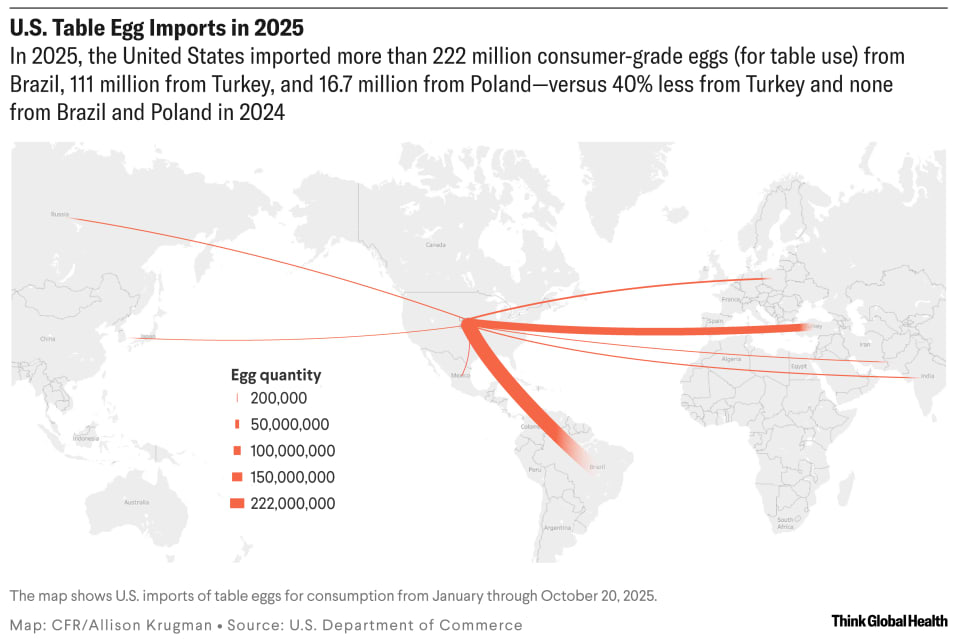
Since September, outbreaks have knocked out 1.2 million commercial turkeys, which is about 20 times more than at the start of last year's flu season. Chicken farms producing consumer eggs have lost 5.5 million birds, or double what was recorded a year ago. In this edition, TGH Managing Editor Nsikan Akpan explains what the fresh outbreaks mean for food prices, trade, and new biosecurity measures. 

Sticking with infectious disease, researcher Rômullo José Costa Ataídes looks toward the upcoming thirtieth Conference of the Parties (COP30), in Belém, Brazil—where deforestation is fueling a surge in yellow fever. Ataídes outlines how the forum provides an opportunity for leaders to confront the intersection of climate change and health.

Pivoting to the Middle East, the fragile Israel-Hamas ceasefire arrangement faced obstacles earlier this week after another person was killed by Israeli forces in north Gaza. Aid entering the territory was also below the necessary amount, according to World Health Organization Director General Tedros Adhanom Ghebreyesus. Those developments coincide with U.S. efforts to move the ceasefire into its second phase.  

But optimism remains that a true ceasefire is on the horizon. To accomplish that and restore respect for international humanitarian law, Leonard Rubenstein, distinguished professor of the practice at the Johns Hopkins Bloomberg School of Public Health, urges Israel to engage in a moral reckoning and take accountability for its attacks against health and health care.   

Nearby in Syria, another ceasefire is taking shape. After more than a decade of civil war, the March 10 agreement seeks to guarantee the rights of all Syrians to representation and participation regardless of their ethnicity. To ensure successful postconflict recovery and protect gains in maternal care and trauma response made by Kurdish health systems during the war, physician Ahmet Bekisoglu, medical student Gulbin Ahmad, and law student Derya Dêlâl Bozkurt state that the new Syrian government needs to recognize and protect Kurdish governance structures and people-oriented health systems. 

Until next week!—Nsikan Akpan, Managing Editor, and Caroline Kantis, Associate Editor 
 

This Week's Highlights

GOVERNANCE

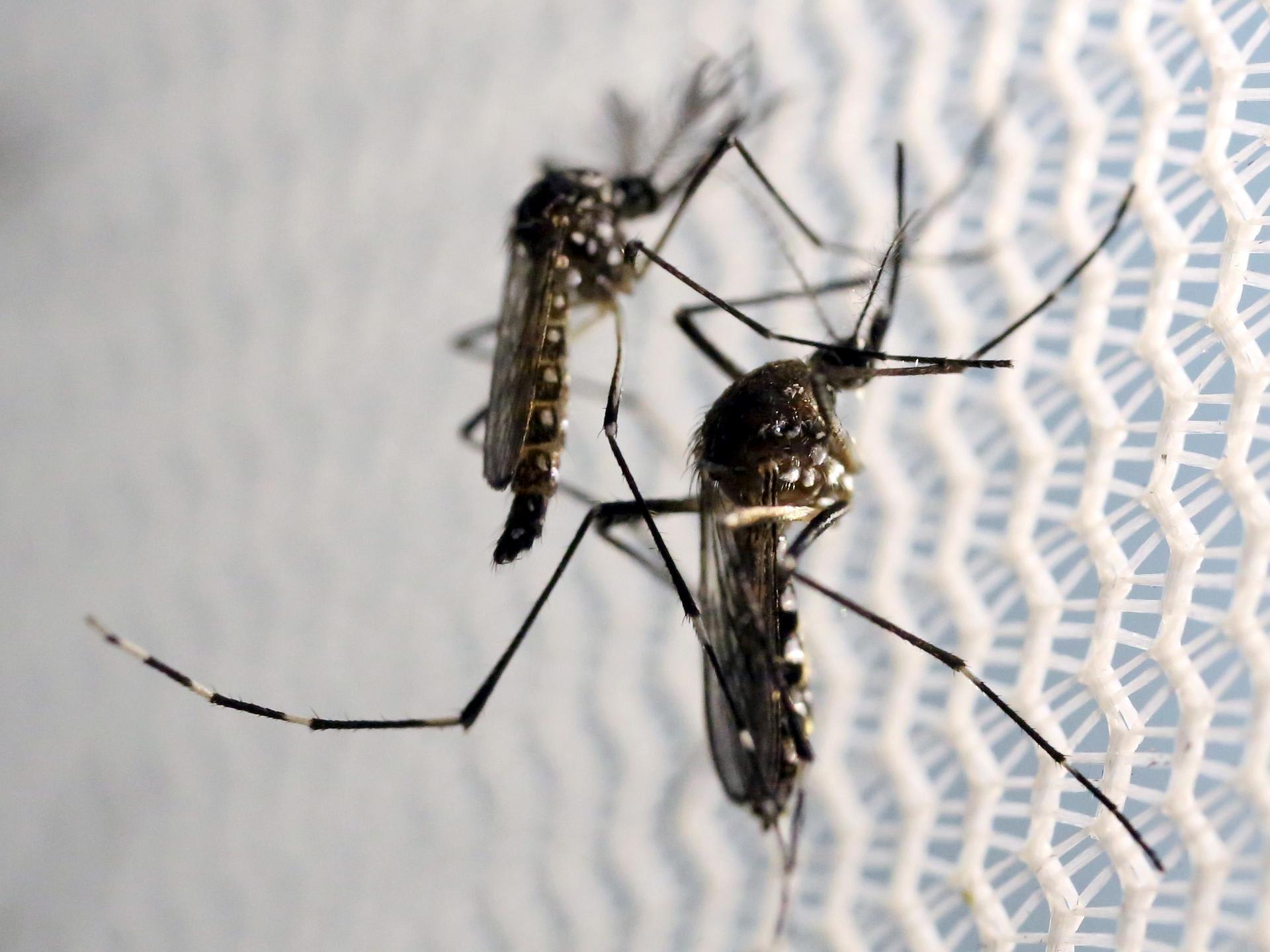
Aedes aegypti mosquitoes are seen inside Oxitec laboratory in Campinas, Brazil, on February 2, 2016.

Why Yellow Fever Demands a Seat at COP30's Climate Negotiations

by Rômullo José Costa Ataídes

In November, leaders will gather in the heart of the Amazon, a living symbol for climate-driven epidemics

Read this story


Figure of the Week

A world map showing U.S. imports of table eggs for consumption from January to October 2025

Read this story


Recommended Feature

GOVERNANCE

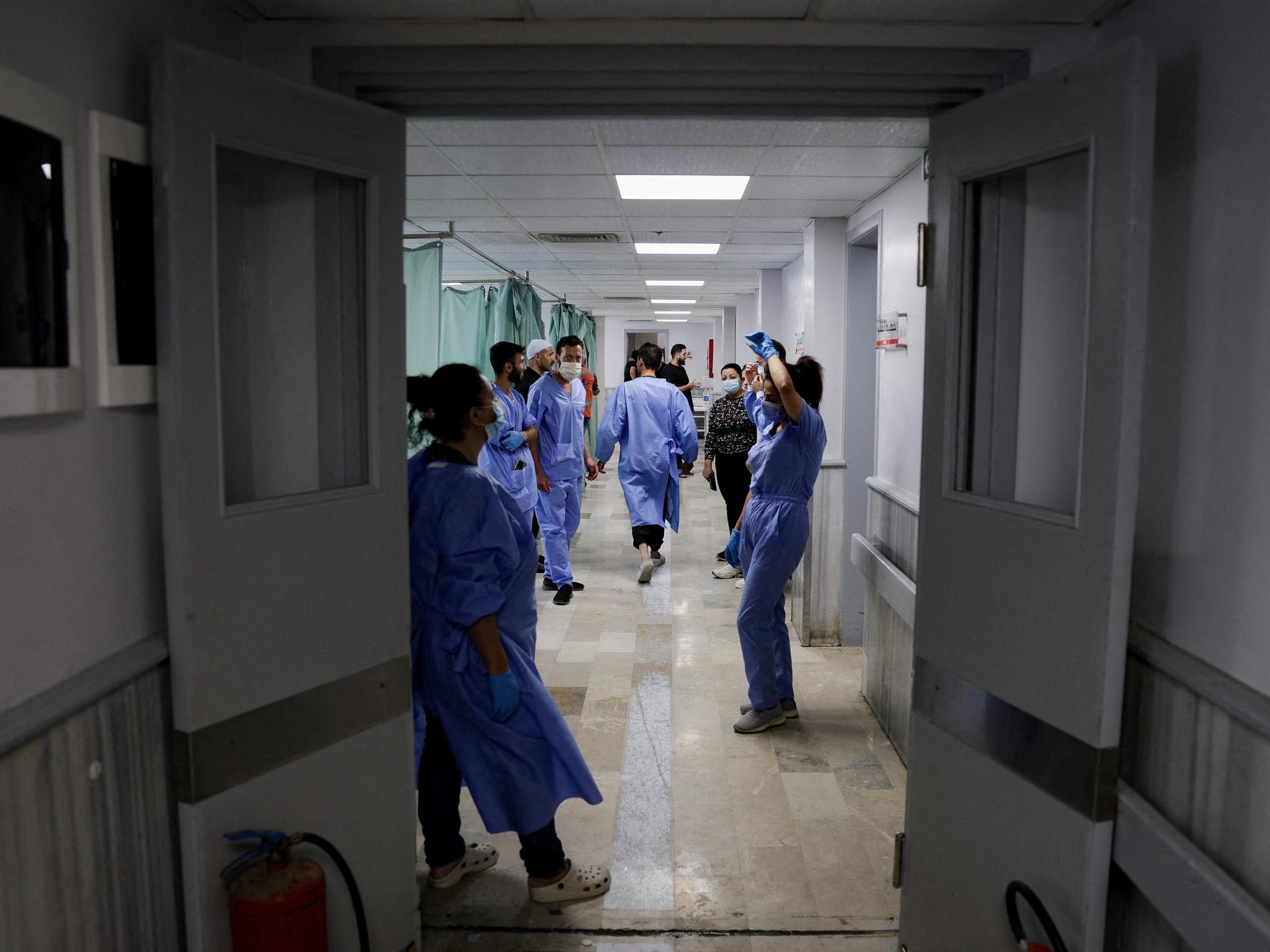
Medical personnel work in an operating room at Nasser Hospital, in Khan Younis in the southern Gaza Strip, on July 9, 2025.

A Reckoning for Attacks on Health in Gaza 

by Leonard S. Rubenstein

Governments and international agencies should condemn both violations of humanitarian law and attempts to weaken its protections

Read this story


GOVERNANCE

Medical personnel work at a hospital, following deadly clashes between Druze fighters, Sunni Bedouin tribes, and government forces, Sweida, Syria, on July 25, 2025.

Rebuilding Syria's Health System: Protecting Kurdish Progress

by Gulbin Ahmad, Ahmet Bekisoglu, and Derya Dêlâl Bozkurt

The March 10 ceasefire agreement left open fissures between politics and the practical needs of postconflict recovery

Read this story


What We're Reading

Trump Is Cutting Foreign Aid. He's Not the Only One. (Politico)

Encouraging Trends in Peanut Allergy Prevention: Real-World Impact of Prevention Guidelines (American Academy of Pediatrics)

Vision Restored Using Prosthetic Retinal Implant (New York Times)

The U.S. Experiment With Profit-Driven Health Care Has Failed (STAT)

Fiji Becomes the Twenty-Sixth Country to Eliminate Trachoma as a Public Health Problem (World Health Organization)

How AP Tracked and Analyzed Anti-Science Legislation in U.S. Statehouses (AP News)

Witnesses, a Drone and Colored Soil: How Reuters Confirmed an Assad Plot to Move a Mass Grave (Reuters)


Interested in submitting?

Review our Submission Guidelines

Previous NewsletterBack to ArchiveNext Newsletter

Subscribe to Our Newsletter

Sign up for our weekly newsletter to stay up to stay up to date.

See Past Newsletters
About This SiteSubmission Guidelines

©2025 Council on Foreign Relations. All rights reserved. Privacy Policy and Terms of Use.