• Environment
  • Poverty
  • Trade
  • Governance
  • Food
  • Urbanization
  • Aging
  • Gender
  • Migration
  • Data Visualization
  • Recommendations
  • Research & Analysis
  • Series
  • Interviews
  • About This Site
  • Submission Guidelines

Newsletter

Think Global Health

  • Environment
  • Poverty
  • Trade
  • Governance
  • Food
  • Urbanization
  • Aging
  • Gender
  • Migration
  • Data Visualization
  • Recommendations
  • Research & Analysis
  • Series
  • Interviews
  • About This Site
  • Submission Guidelines

Newsletter

Think Global Health

Women Leaders, Forgotten Stories, and the Aftermath of Syria's Earthquake

March 31, 2023


Editor's Note

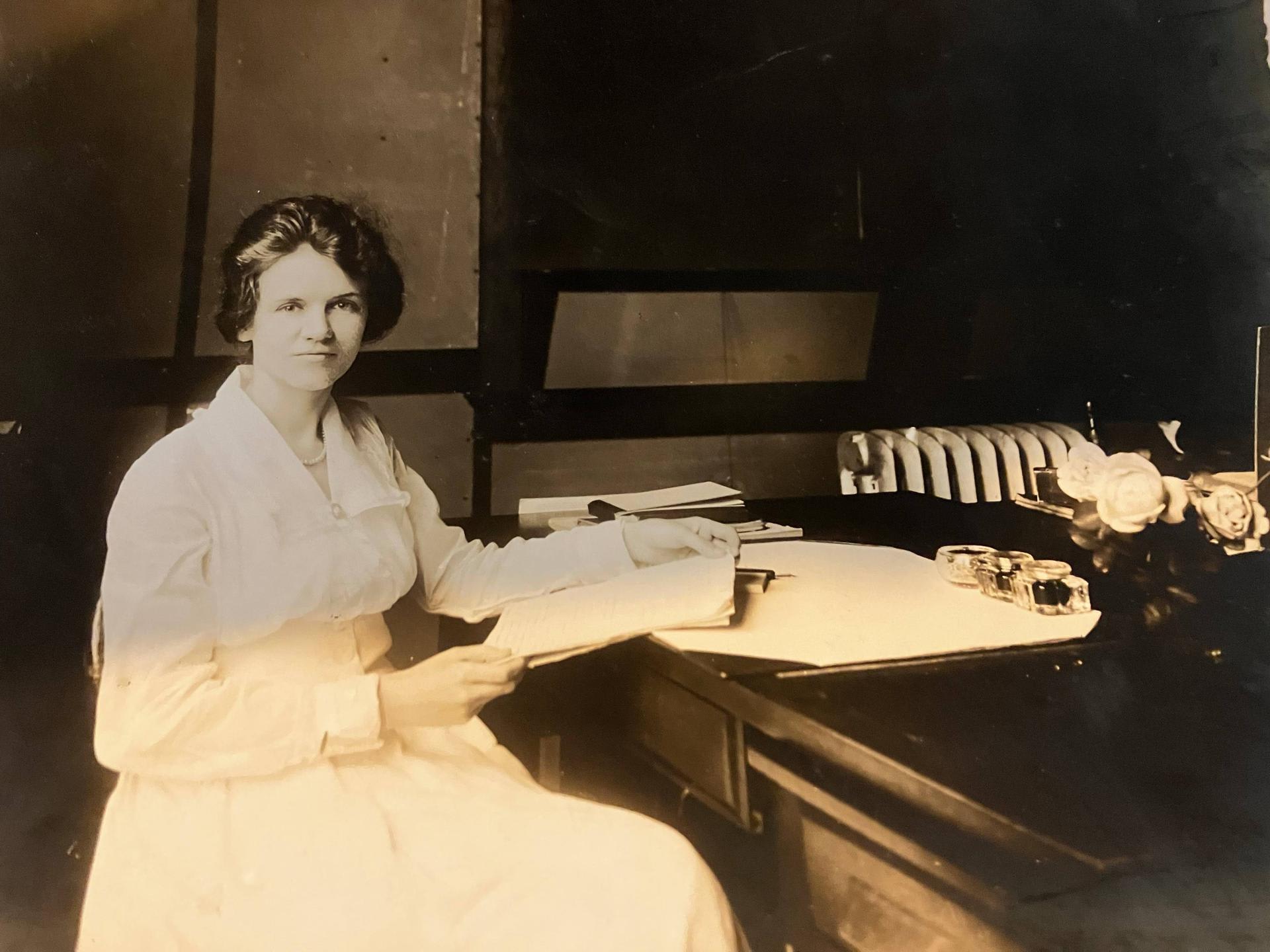
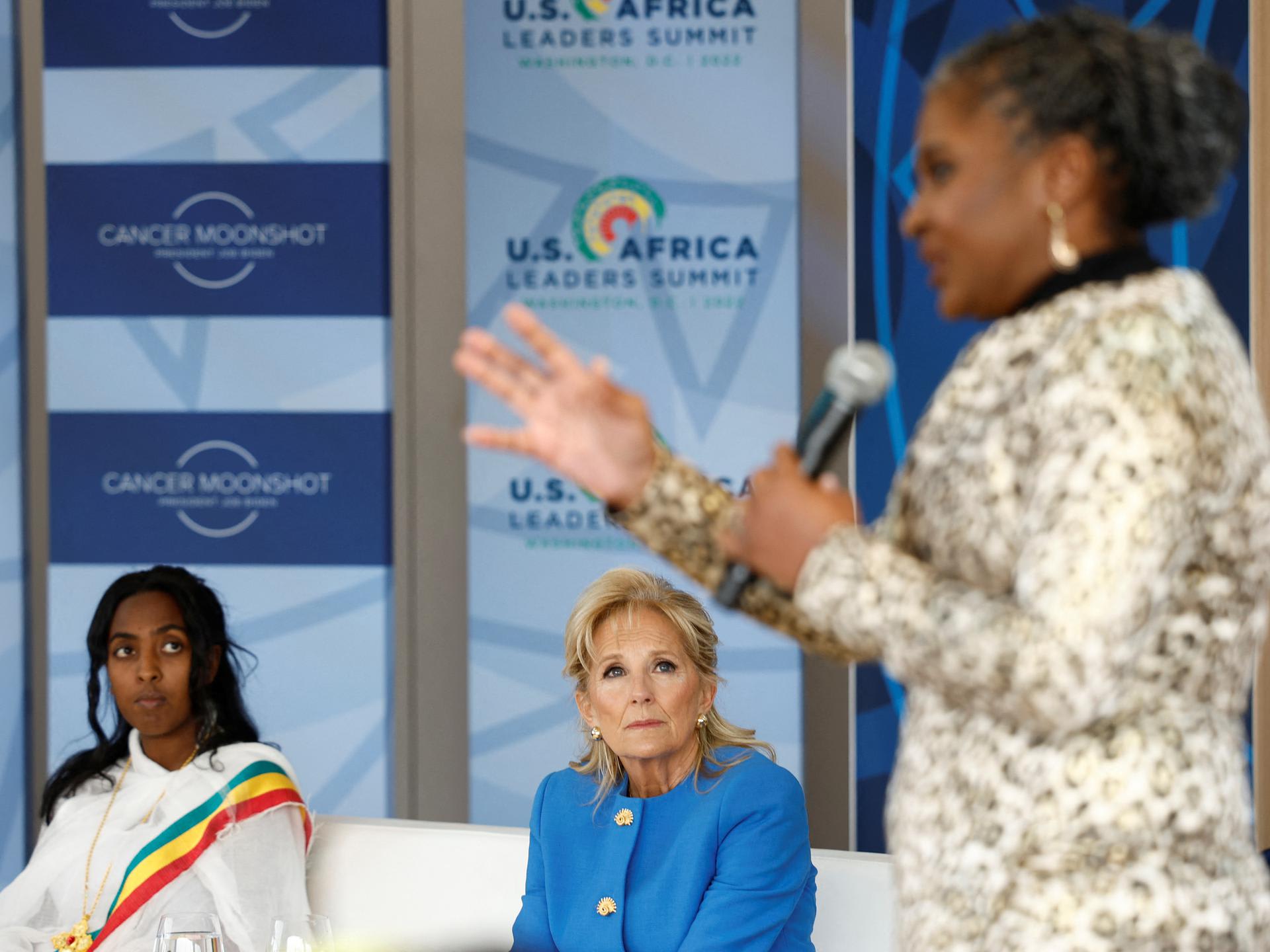
This week, we finish Women's History Month with two pieces about female leaders in global health. The first piece features conversations with Maseretse Ratia, program officer at the UN Population Fund in Lesotho; Michele Barry, director of Stanford University's Center for Innovation in Global Health; and Roopa Dhatt, executive director and co-founder of Women in Global Health. Those women reflect on how they became involved in global health and what inspired them to become leaders in the field. The second piece focuses on Mary Dempsey, who developed "years of life lost," the idea that "every death represents years of potential life lost, years that might otherwise have been filled with rich memories of family, friends, productivity, and joy."   

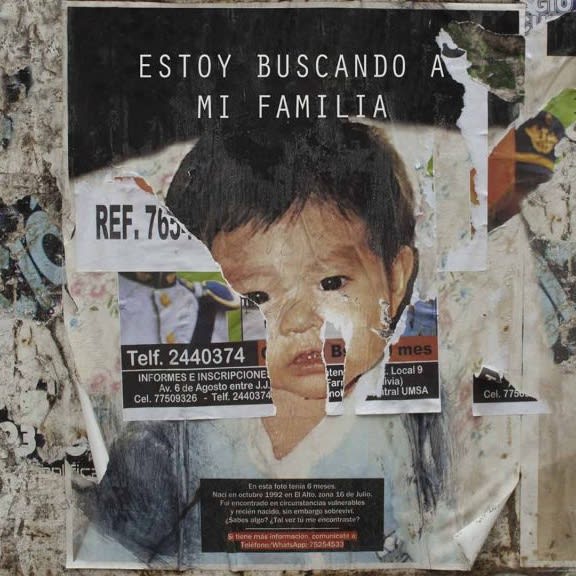
We also published an analysis of problems with Guatemala's adoption system. The authors tell the story of Ignacio Alvarado, who was born in Guatemala but raised in Canada, after Guatemalan authorities pressured his birthmother to give him up for adoption. After returning to Guatemala to meet his birthmother, Alvarado partnered with Guatemalan adoptees in similar situations to found Estamos Aquí, an organization that sheds light on Guatemala's forgotten children and works to reunite them with their birth families.  

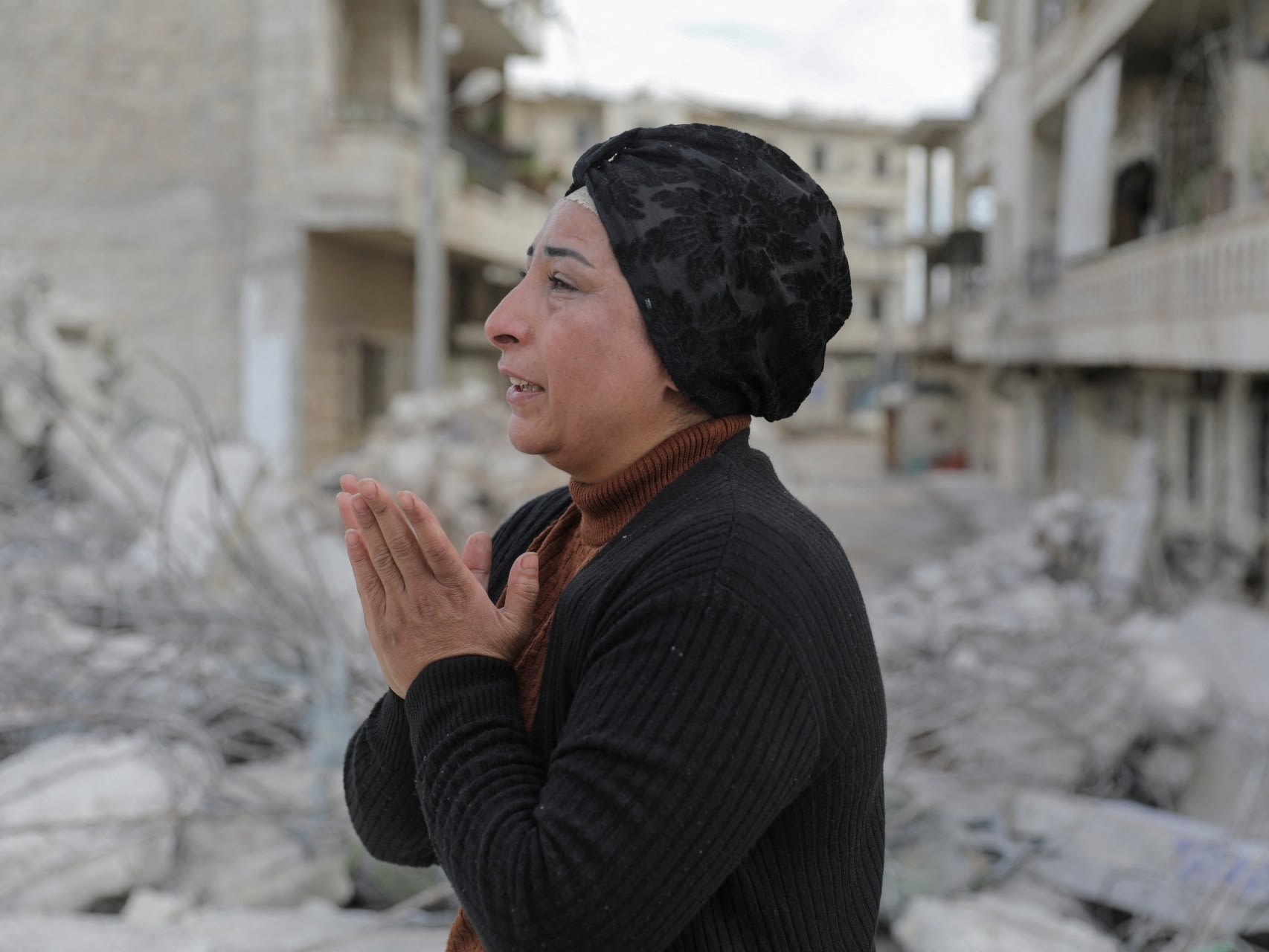
Wrapping up the week, two researchers describe how the recent earthquakes in Turkey and Syria have converged with Syria's civil war to cause a catastrophic crisis for the Syrian health-care system. Months after the earthquakes struck, Syria continues to confront many health challenges, including constrained border crossings, a fatigued health-care workforce, and a cholera outbreak. The authors argue that stable humanitarian aid could help alleviate the crisis.  

As always, thank you for reading. —Thomas J. Bollyky 
 

This Week's Highlights

GENDER

Image

Women Leaders in Global Health  

by Chen Chen

Three women discuss why they chose a career in global health and what inspired them to become leaders

Read this story

GENDER

Image

The Woman Behind "Years of Life Lost" 

by Kristofor Larsen

The lost story of Mary Dempsey, who developed a foundational metric of global health  

Read this story

MIGRATION

Image

Guatemala's Forgotten Voices    

by Isabella Rolz and Jorge Rodriguez

Children who were fraudulently adopted share their stories    

Read this story


Stat of the Week

70 Percent

Some 70 percent of Syria's internally displaced people live in temporary accommodations

Read this story


Recommended Feature

POVERTY

Image

Syrians Need Stable Humanitarian Aid  

by Houssam al-Nahhas and Kasra Zarei 

Syrians have long suffered from preventable harms and a devastating earthquake compounds those difficulties   

Read this story


What We're Reading

Assessing COVID-19 Pandemic Policies and Behaviors and Their Economic and Educational Trade-Offs Across U.S. States From Jan 1, 2020, to July 31, 2022: An Observational Analysis (The Lancet)

Ten Questions About Narcan (New York Times)

Post-Roe, Some Abortion Clinics Are Moving to More Liberal States (Washington Post)

The Incredible Challenge of Counting Every Global Birth and Death (New York Times Magazine)


Interested in submitting?

Review our Submission Guidelines

Previous NewsletterBack to ArchiveNext Newsletter

Subscribe to Our Newsletter

Sign up for our weekly newsletter to stay up to stay up to date.

See Past Newsletters
About This SiteSubmission Guidelines

©2025 Council on Foreign Relations. All rights reserved. Privacy Policy and Terms of Use.