• Environment
  • Poverty
  • Trade
  • Governance
  • Food
  • Urbanization
  • Aging
  • Gender
  • Migration
  • Data Visualization
  • Recommendations
  • Research & Analysis
  • Series
  • Interviews
  • About This Site
  • Submission Guidelines

Newsletter

Think Global Health

  • Environment
  • Poverty
  • Trade
  • Governance
  • Food
  • Urbanization
  • Aging
  • Gender
  • Migration
  • Data Visualization
  • Recommendations
  • Research & Analysis
  • Series
  • Interviews
  • About This Site
  • Submission Guidelines

Newsletter

Think Global Health

The WHO's Finances and Colombia's Success With Maternal Care

January 19, 2024


Editors' Note

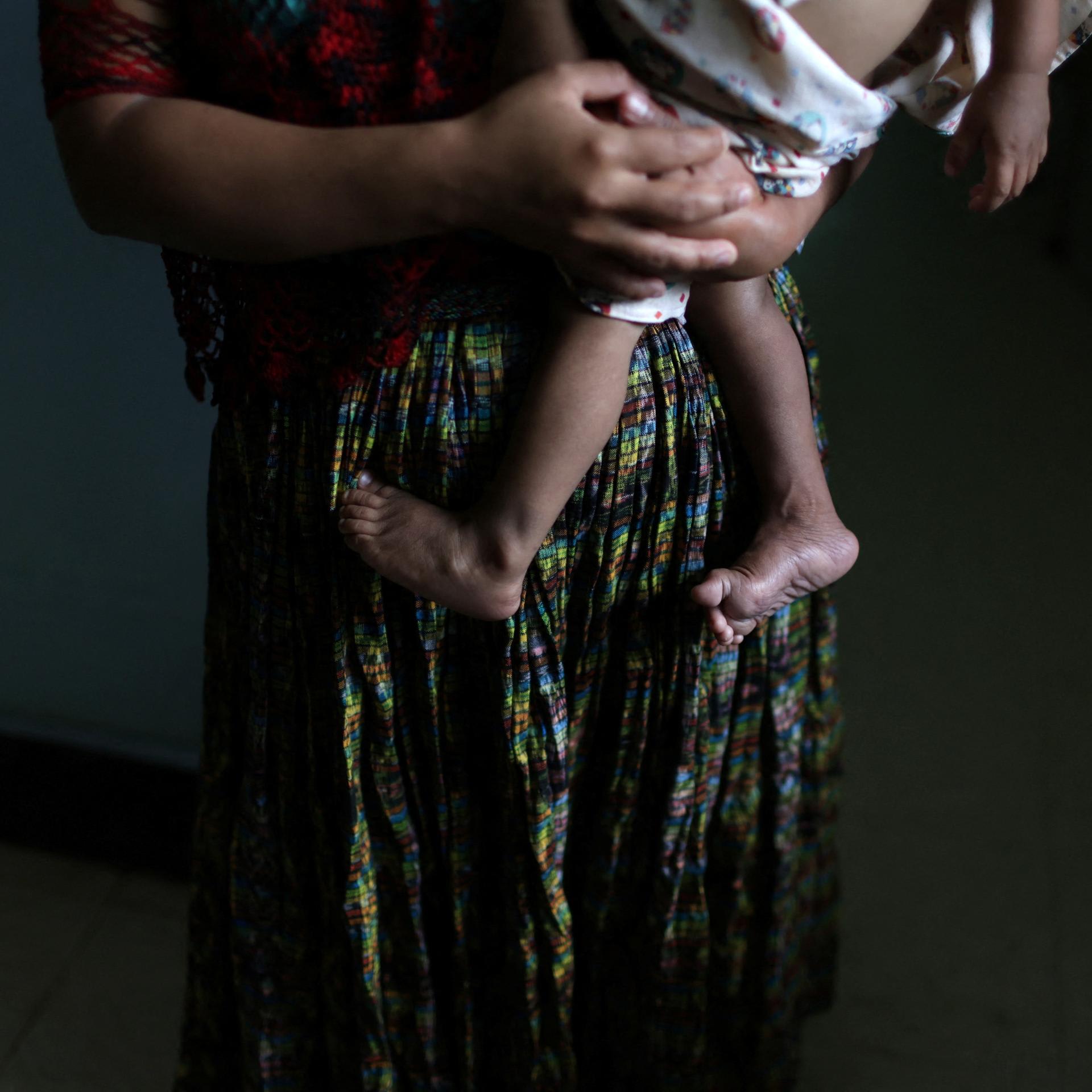
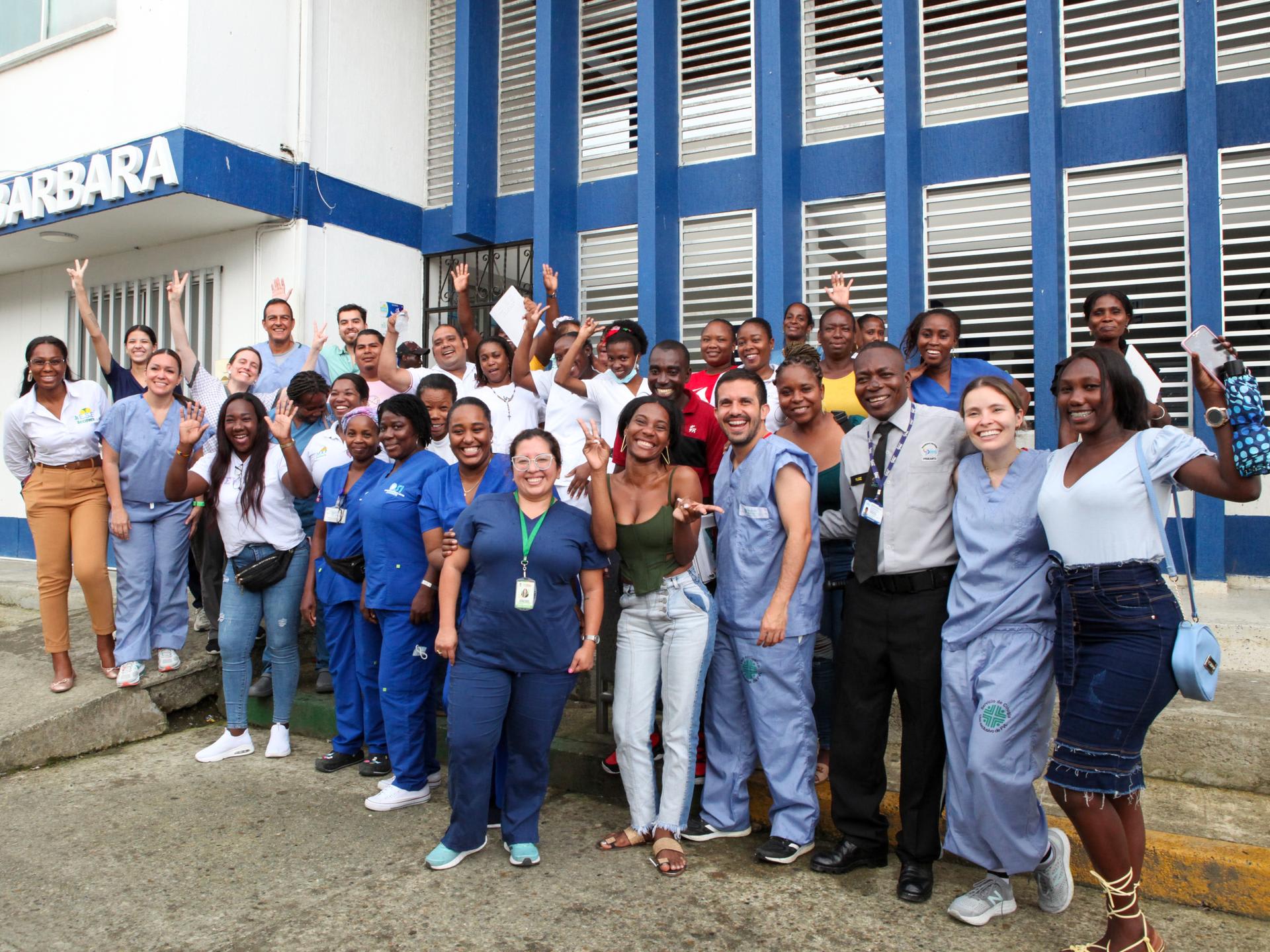
This week, Think Global Health (TGH) spotlights the Hospital Padrino strategy, a successful maternal-care initiative created by the Fundación Valle del Lili, a not-for-profit university hospital in Cali, Colombia.  


A year ago, the country's Ministry of Health  adopted the initiative—which partners larger, higher-quality hospitals with smaller medical centers—in a bid to reduce maternal mortality rates in rural areas. As Strategy Chief María Fernanda Escobar Vidarte writes, Colombia's maternal mortality rate has been gradually falling since 2010, but the COVID-19 pandemic reversed much of the progress. Over six months last year, the Hospital Padrino strategy achieved a 16 percent reduction in the maternal mortality rate across sixteen territories, and the plan is now expanding nationwide.   


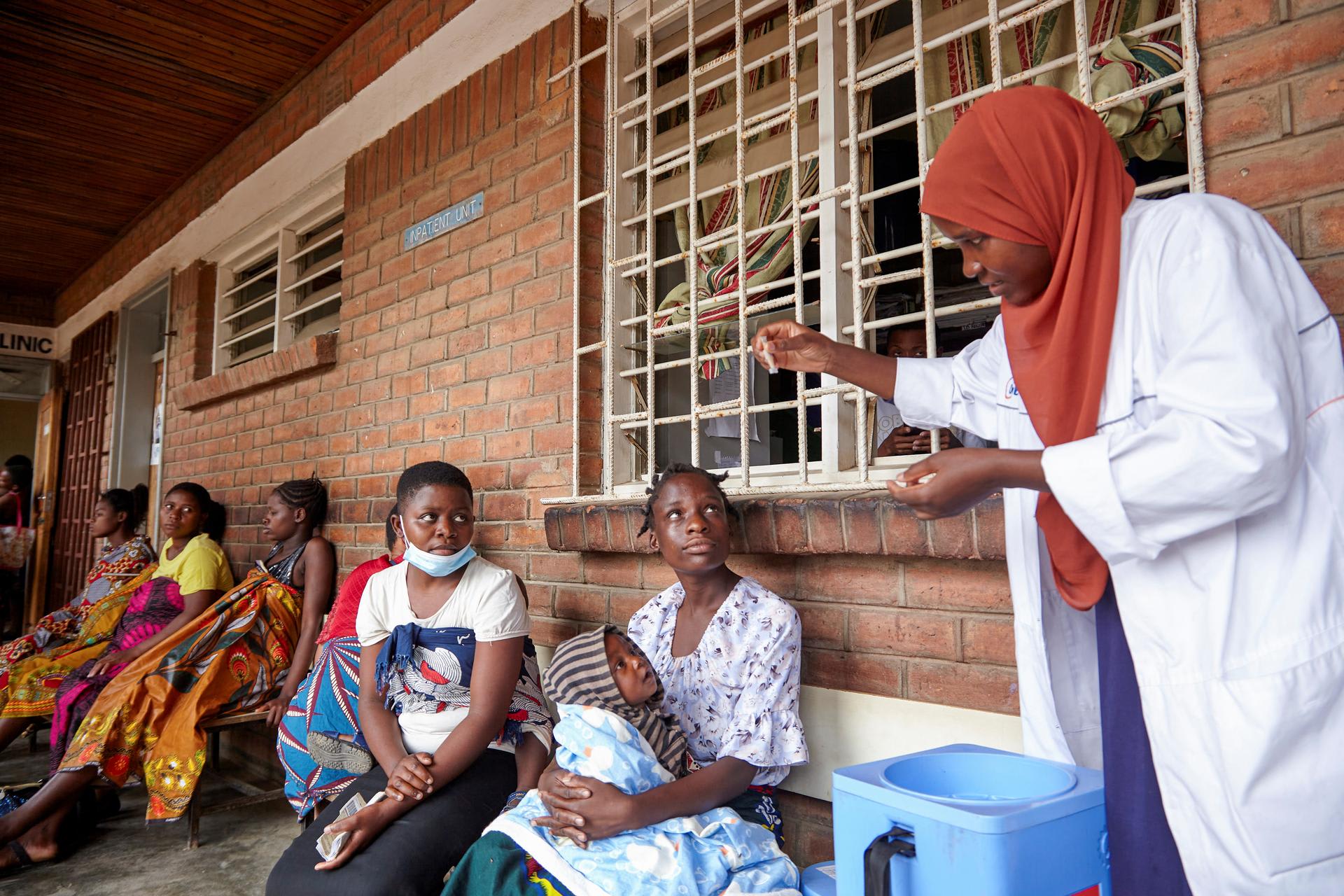
This week's edition travels next to Africa for a pair of stories. The first comes from Julie Gichuru at the Mastercard Foundation, who discusses a new approach to philanthropy, drawing on lessons African countries learned during the COVID-19 pandemic. The second features findings from a new Lancet study—coauthored by Heather Stobaugh of Action Against Hunger—that explains  why some children relapse  after recovering from severe acute malnutrition.   


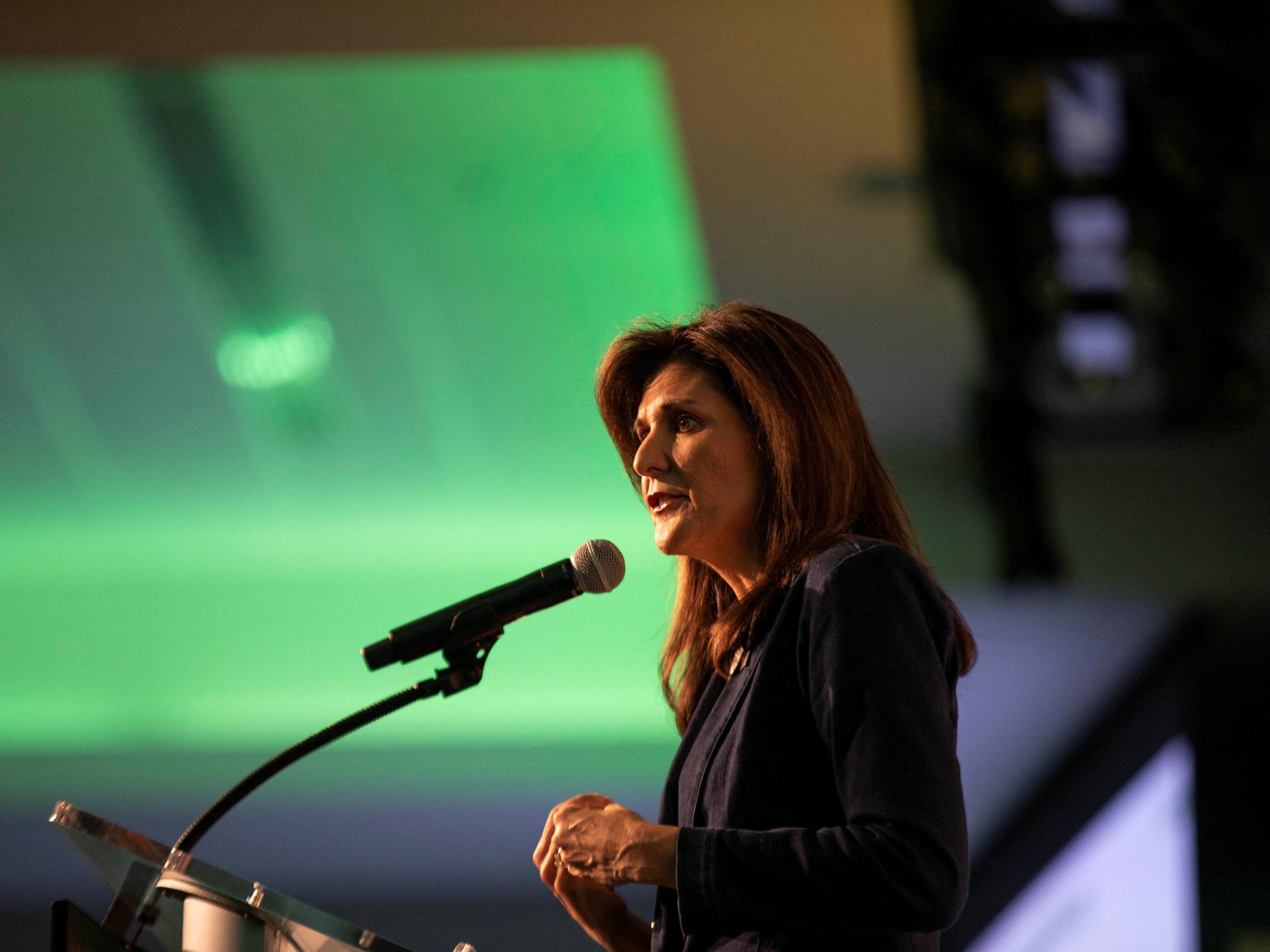
TGH then continues its coverage of U.S. presidential candidates and their health policies as the Iowa caucuses kick off what will likely be an eventful election cycle. Journalist Erica Zurek analyzes Nikki Haley's record as former U.S. ambassador to the United Nations and governor of South Carolina to glean where the presidential hopeful stands on foreign aid and health topics such as abortion. For those who missed it: Check out our analysis from last autumn on Florida Governor Ron DeSantis's COVID-19 response. TGH will feature more candidate analyses, including ones on President Joe Biden and former President Donald Trump, as the year progresses.     


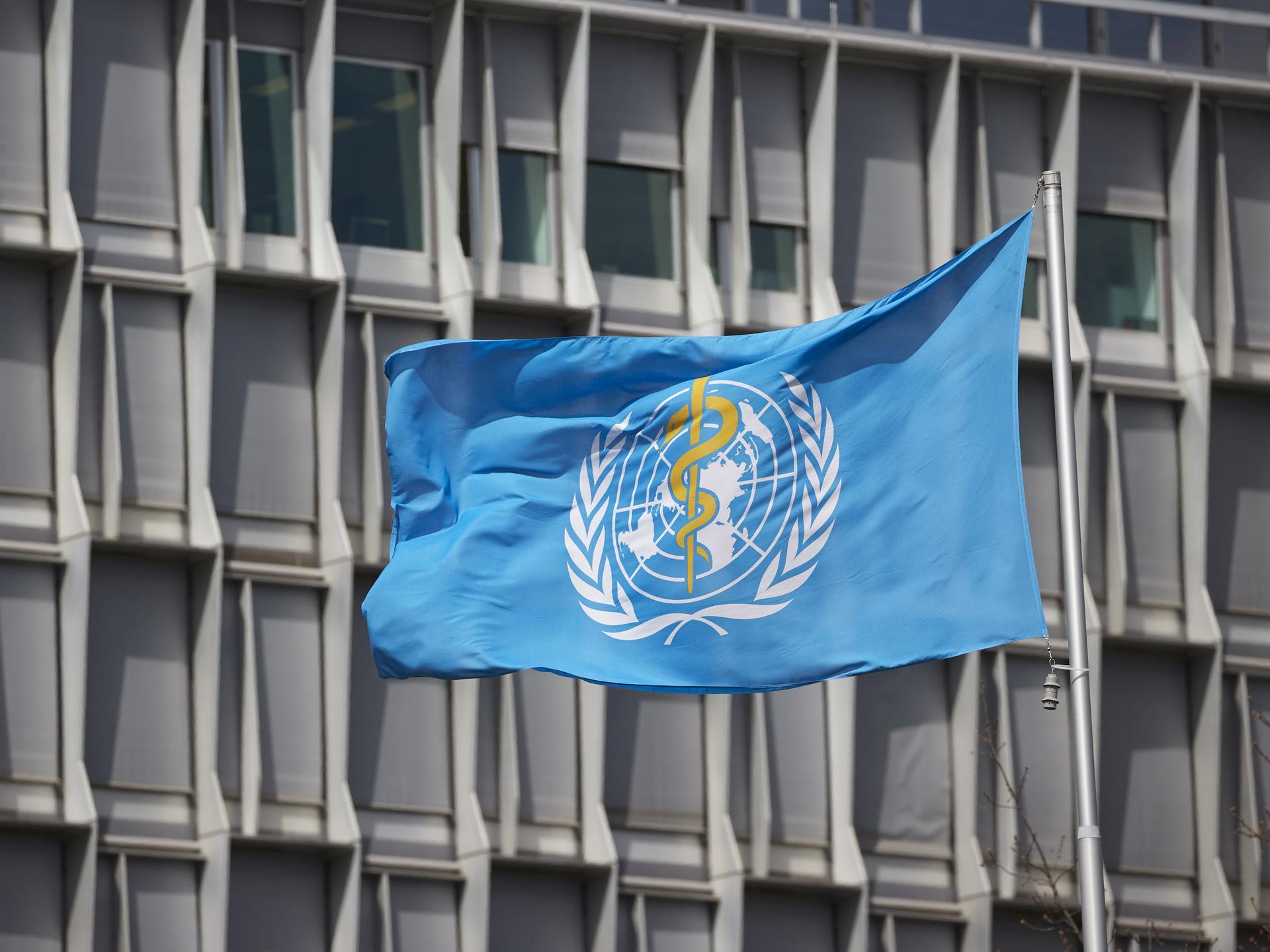
To close out the week, Lori Sloate, senior director for global health at the UN Foundation, previews what to expect at next week's World Health Organization (WHO) executive board meeting. On the docket are a revamped financing model to secure more predictable and sustainable funding, international conflicts, the Pandemic Agreement, and the Immunization Agenda 2030.  


Until next week!—Nsikan Akpan, Managing Editor, and Caroline Kantis, Associate Editor 
 

This Week's Highlights

GENDER

Image

Revolutionizing Maternal Care in Colombia  

by María Fernanda Escobar Vidarte

How the Hospital Padrino strategy is bringing care to underserved communities 

Read this story

TRADE

Image

African Public Health and Future Philanthropy 

by Julie Gichuru

Africa deserves philanthropy that involves its communities and recognizes their insights  

Read this story

FOOD

Image

Why Some Children Relapse From Severe Acute Malnutrition 

by Heather Stobaugh

A new pediatric study answers why and how often relapse occurs with the deadliest form of malnutrition         

Read this story


Stat of the Week

25 Percent

Forty-seven million children are acutely malnourished, yet only about 25 percent have access to life-saving treatment

Read this story


Recommended Feature

GOVERNANCE

Image

Reflections on Nikki Haley's Health Policy and Foreign Aid Positions 

by Erica Zurek

Haley's past and current stances on health and foreign aid 

Read this story


More of the Latest

GOVERNANCE

Image

Flexible Finances and Global Crises Top the WHO Agenda

by Lori Sloate

At the WHO's 2024 executive board meeting, members will discuss investment round proposal, polycrises, and pandemics 
 

Read this story


What We're Reading

Why Bill Gates Wants a COP for Global Health (Devex)

Chinese Scientist Filed Covid Sequence Weeks Before Official Release, Records Show (Washington Post)

Nigeria: The Road to Zero (Polio Global Eradication Initiative)


Interested in submitting?

Review our Submission Guidelines

Previous NewsletterBack to ArchiveNext Newsletter

Subscribe to Our Newsletter

Sign up for our weekly newsletter to stay up to stay up to date.

See Past Newsletters
About This SiteSubmission Guidelines

©2025 Council on Foreign Relations. All rights reserved. Privacy Policy and Terms of Use.