• Environment
  • Poverty
  • Trade
  • Governance
  • Food
  • Urbanization
  • Aging
  • Gender
  • Migration
  • Data Visualization
  • Recommendations
  • Research & Analysis
  • Series
  • Interviews
  • About This Site
  • Submission Guidelines

Newsletter

Think Global Health

  • Environment
  • Poverty
  • Trade
  • Governance
  • Food
  • Urbanization
  • Aging
  • Gender
  • Migration
  • Data Visualization
  • Recommendations
  • Research & Analysis
  • Series
  • Interviews
  • About This Site
  • Submission Guidelines

Newsletter

Think Global Health

Health Security and Diplomacy in 2024, Gaza's Health Crisis, AI and Climate

January 12, 2024


Editors' Note

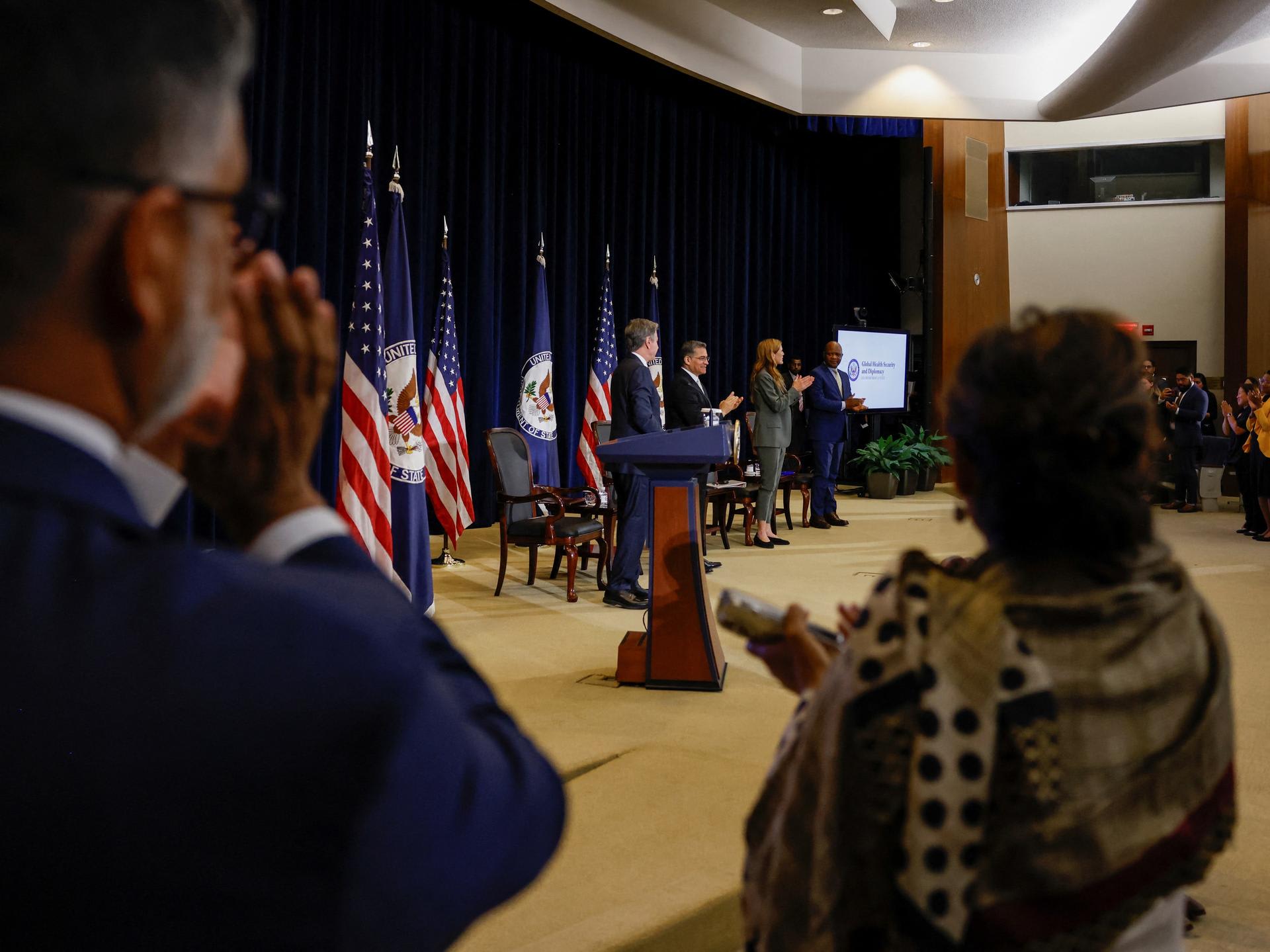
The statute of limitations on ringing in the new year is drawing to a close, so Think Global Health starts this week's edition with a dose of positive tidings about health security and diplomacy.  
 
TGH's Thomas Bollyky and Hillary Carter of the U.S. Department of State Bureau of Global Health Security and Diplomacy cite the ways to lead, leverage, and elevate in 2024 to improve human and environmental health.  

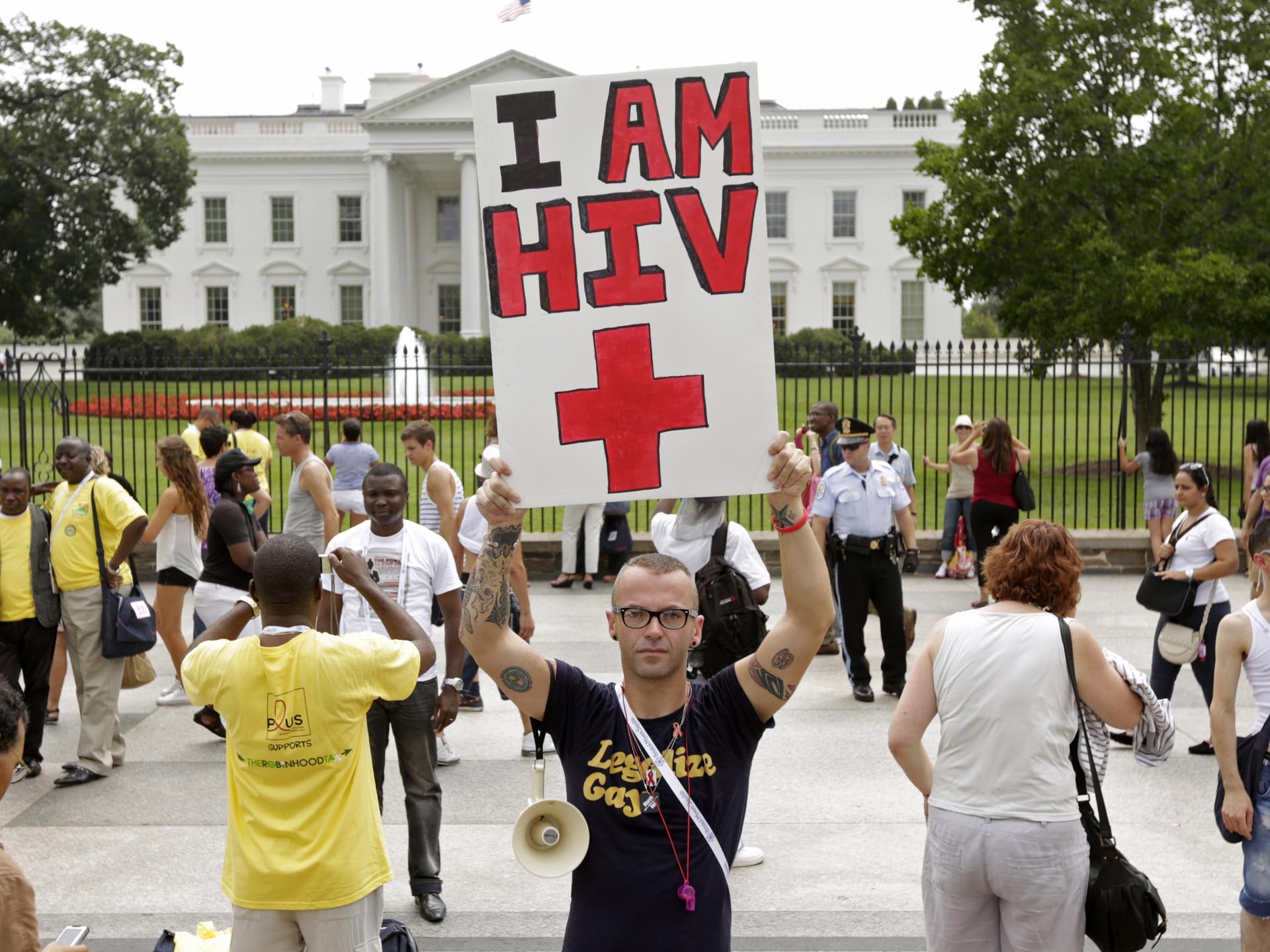
New York City Health Commissioner Ashwin Vasan then weighs in on the funding debate over the U.S. President's Emergency Plan for AIDS Relief, or PEPFAR. He reminds audiences of its global role transforming HIV treatment accessibility and explores what Washington's wrangling signals about support for U.S. public health infrastructure. 

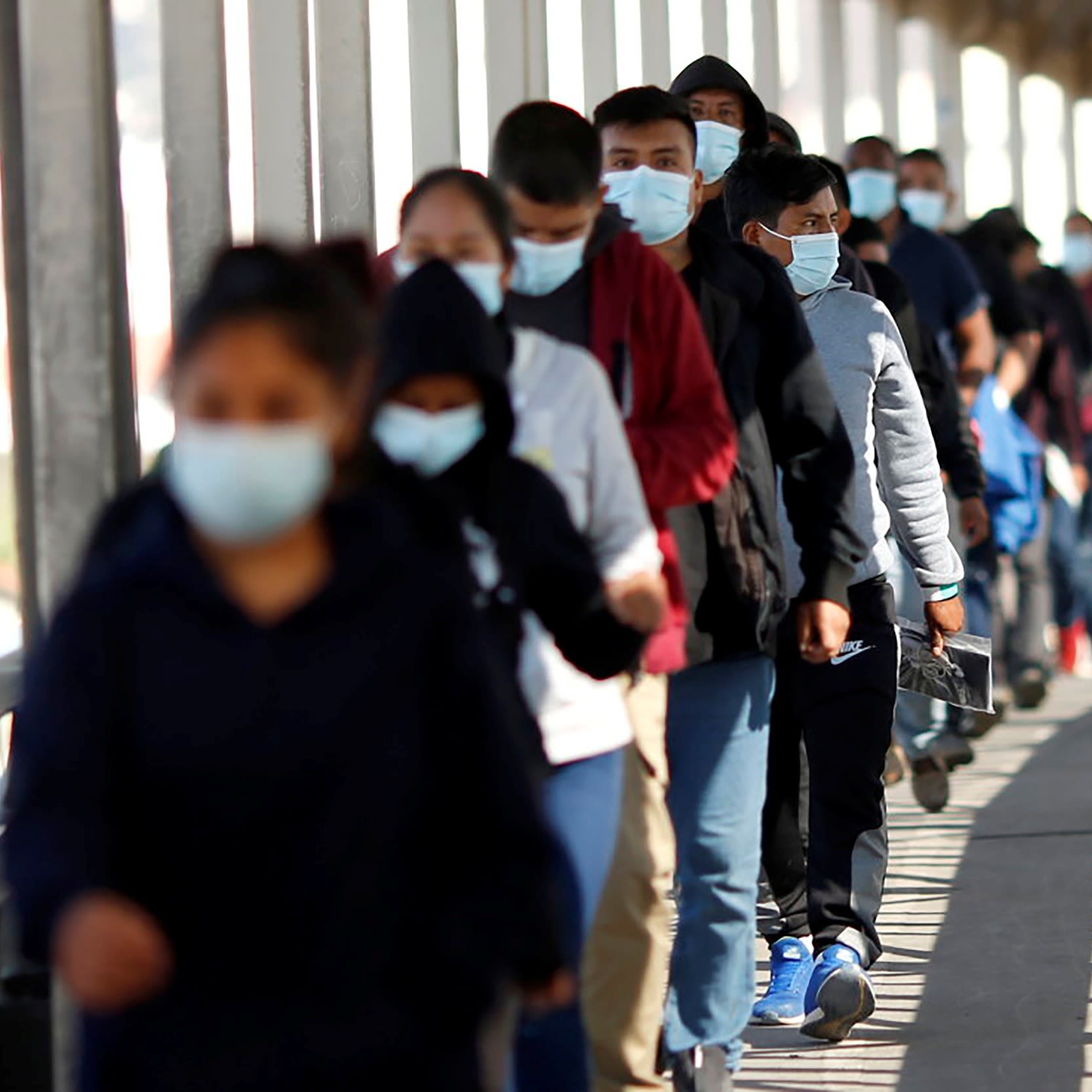
Next, Linda Hill and colleagues from the University of California San Diego's asylum seeker medical program discuss Title 42, which has reemerged as a topic on the U.S. presidential campaign trail. They fact-check the public health justification for the policy—that migrants bring diseases into the United States—by describing their firsthand experience and data from conducting tens of thousands of border health screenings in recent years.   

 
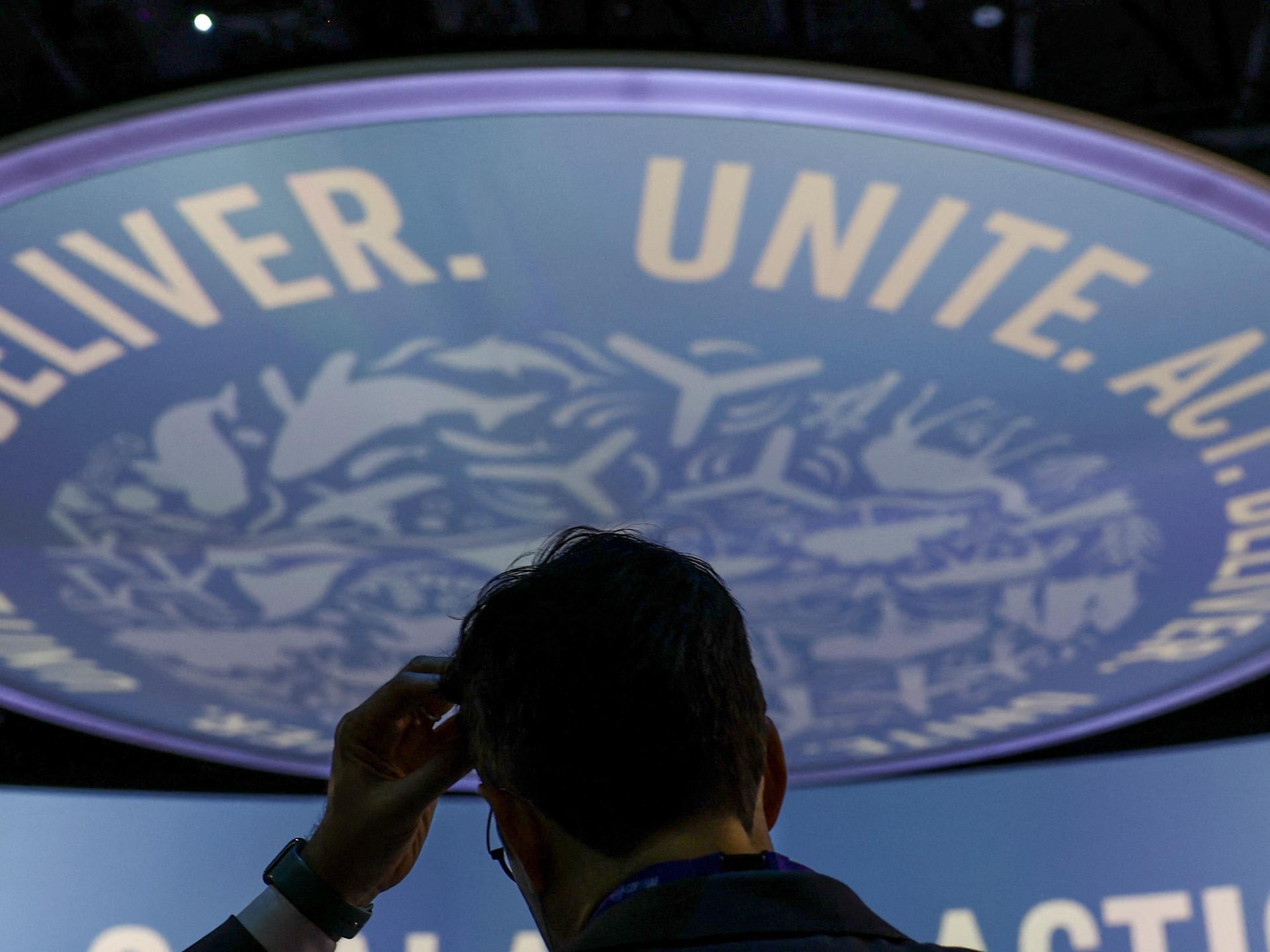
Jay Lemery, codirector of the University of Colorado School of Medicine's climate and health program, continues Think Global Health's coverage of the twenty-eighth Conference of the Parties (COP28). Lemery, who attended COP28 as a physician emissary for climate health, delivers his on-the-ground takeaways, which include using artificial intelligence (AI) to decarbonize the health-care sector. 

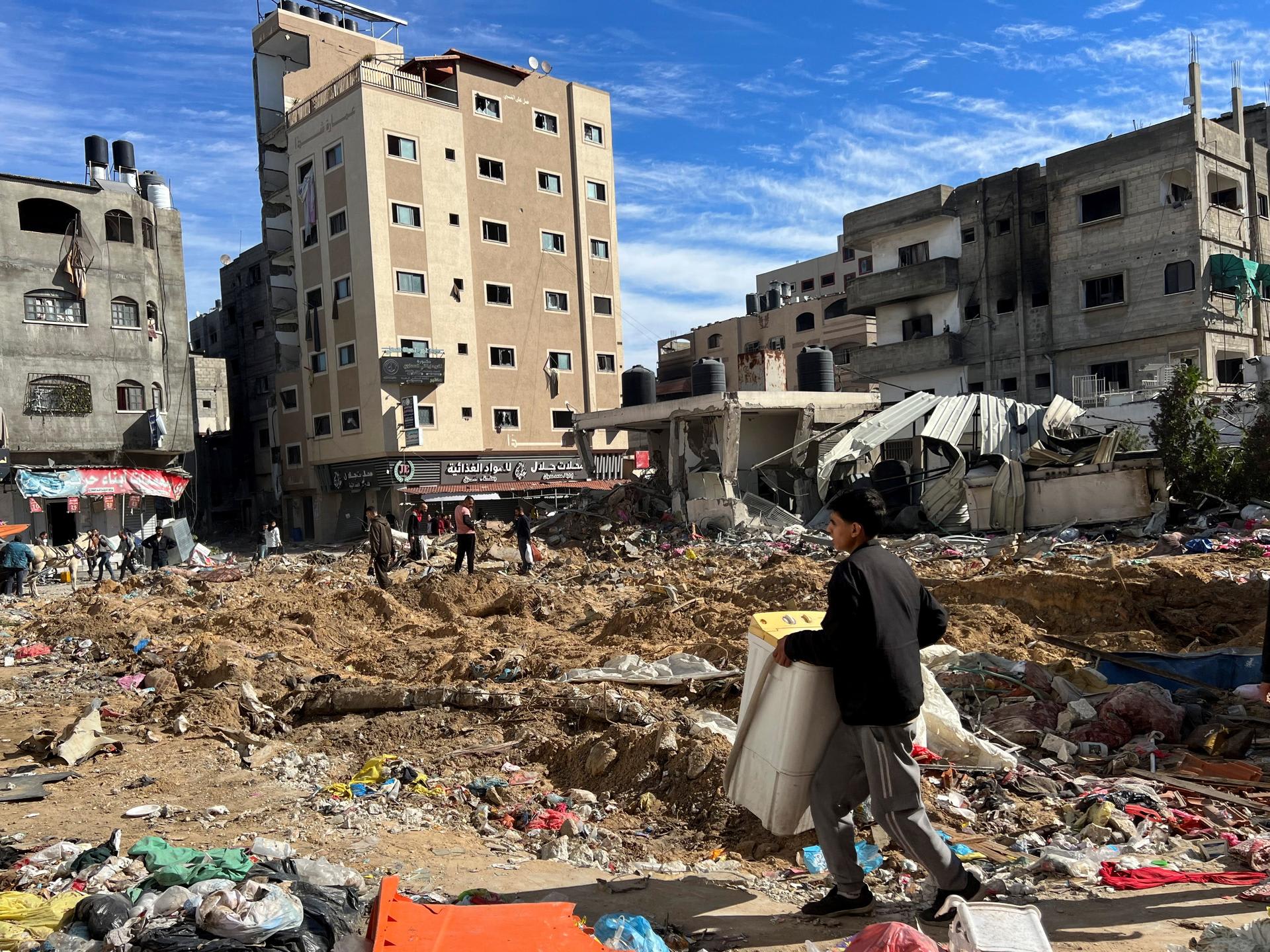
Natasha Ross and Mustafa Al-Bayati finish the week with a close look at how the Israel-Hamas war is damaging Gaza's already frail health-care system. They share the stories of families in Gaza who have struggled to receive adequate health care and warn that lives lost "should not be dismissed as collateral damage." 

Until next week!—Nsikan Akpan, Managing Editor, and Caroline Kantis, Associate Editor
 

This Week's Highlights

GOVERNANCE

Image

Global Health Security and Diplomacy in 2024: Lead, Leverage, and Elevate 

by Hillary H. Carter and Thomas J. Bollyky

Discussions will intensify in 2024 to strengthen the global health security architecture 

Read this story

GOVERNANCE

Image

Retreat from Global HIV Fight Puts U.S. Health at Risk 

by Ashwin Vasan

With news that HIV/AIDS funding is stalled, Congress should remember the AIDS epidemic and commit to fully funding PEPFAR 

Read this story

MIGRATION

Image

Title 42, Asylum Seekers, and American Public Health

by Linda Hill, Nancy Carballo, Kathleen Fischer, Keeler Kime, Sara Baird, Christine Thorne, and Candace Russell

Medical providers discuss the migration policy's justification—or lack thereof          

Read this story


Stat of the Week

72 Percent

In New York City, HIV cases have fallen by 72 percent since 2001 

Read this story


Recommended Feature

ENVIRONMENT

Image

AI to Air Quality: Looking Back at COP28 

by Jay Lemery

A physician emissary recounts on-the-ground health takeaways from COP28 

Read this story


More of the Latest

GOVERNANCE

Image

Trapped in the Crossfire: Gaza's Health Crisis 

by Natasha Ross and Mustafa Al-Bayati

A frontline look at Gaza's health-care system  

Read this story


What We're Reading

Aid Agencies Withdraw Staff from Gaza Hospitals (BBC Newshour)

Has School Become Optional? (New Yorker)

Everything You Need to KnowAabout Gavi's Incoming CEO, Dr. Sania Nishtar (Gavi VaccinesWork)


Interested in submitting?

Review our Submission Guidelines

Previous NewsletterBack to ArchiveNext Newsletter

Subscribe to Our Newsletter

Sign up for our weekly newsletter to stay up to stay up to date.

See Past Newsletters
About This SiteSubmission Guidelines

©2025 Council on Foreign Relations. All rights reserved. Privacy Policy and Terms of Use.