Seafood Tariffs and Ukraine's Health Workers Lament Aid Cuts
April 18, 2025
Editors' Note
On Monday, reporters circulated a White House memo detailing a presidential budget recommendation to slash nearly 50% of the State Department's funding. The document puts forward cuts for the department's educational and cultural exchanges, including the Fulbright program, and eliminates support for international organizations, such as the United Nations and North Atlantic Treaty Organization (NATO). The proposal comes after the State Department subsumed the U.S. Agency for International Development (USAID) in late March.
The consequences of USAID realignment continue to manifest across the globe—including in Ukraine, which some estimates identify as the single biggest loser of aid. CFR's global health intern Anya Hirschfeld draws on conversations with a solider and aid workers on Ukraine's front lines to illustrate how humanitarian cuts are grinding health-care services for civilians to a halt.
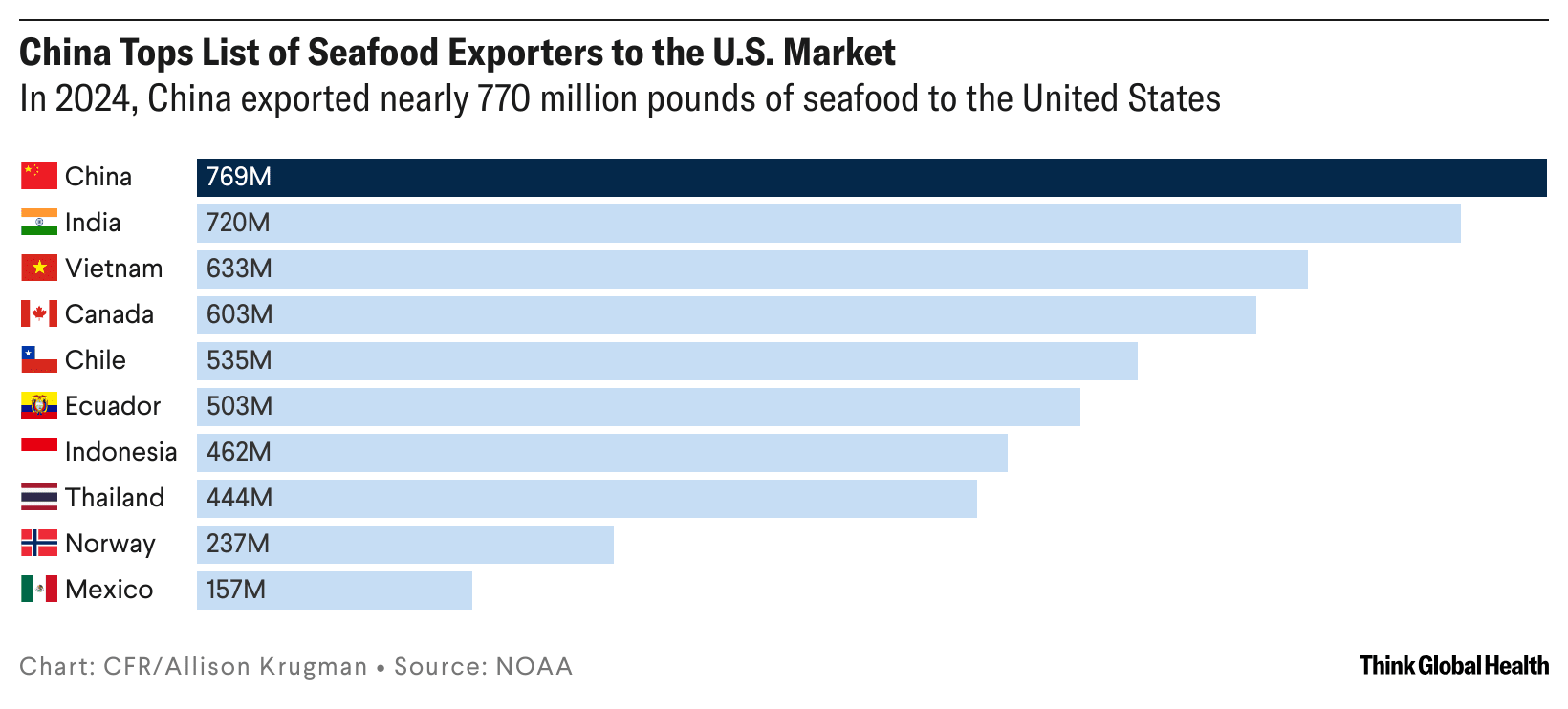
Next, Duke University's Martin D. Smith spotlights how the Trump administration's tariffs will raise seafood prices and undermine American health. Smith notes that tariffs on China, the United States' largest supplier of seafood by volume, will raise the price of popular products, such as tilapia, and increase the risk of cardiovascular disease.
CFR's Chloe Searchinger then describes how, on Wednesday, World Health Organization (WHO) member states reached consensus on the Pandemic Agreement text, ahead of a May deadline. Although the agreement is a "win for global health cooperation," the U.S. retreat from the WHO will present challenges to implementing the agreement if the World Health Assembly adopts it.
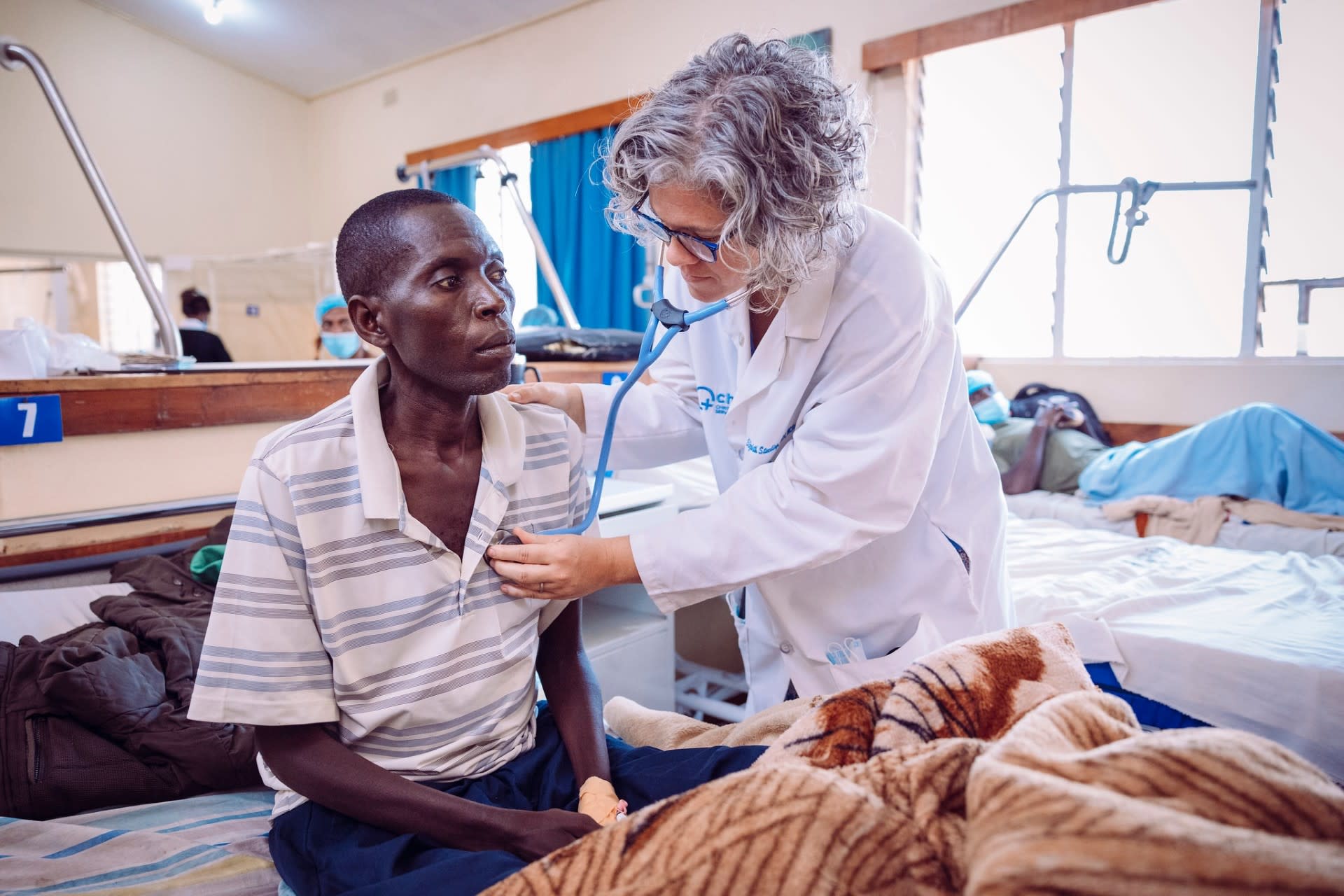
Next, Beth Stuebing, a missionary surgeon with Christian Health Service Corps in Malawi, describes how USAID cuts are playing out across the country's already weak health-care system. Stuebing underscores that nearly 10% of Malawians are HIV positive and remarks that without U.S. support and proper health system staffing, cases could overwhelm the country and create global ripple effects.
To wrap up the edition, Indira Subramanian, a neurologist at University of California, Los Angeles (UCLA), describes her struggle to reach her elderly and socially isolated patients after January's wildfires. Given that physicians are often the only lifelines some patients have to the outside world, Subramanian urges clinicians to screen for loneliness to ensure no patient is left behind during a natural disaster.
If you want to stay on top of the latest trends in global health, Think Global Health is now on BlueSky!
Until next week!—Nsikan Akpan, Managing Editor, and Caroline Kantis, Associate Editor
Increased imports since 1995 have made seafood more affordable for low- and middle-income American families. The price of shrimp, the most popular seafood consumed in the United States, has decreased dramatically in recent decades due to imports. In 2024, China supplied more than two pounds of fish and shellfish per U.S. resident.