• Environment
  • Poverty
  • Trade
  • Governance
  • Food
  • Urbanization
  • Aging
  • Gender
  • Migration
  • Data Visualization
  • Recommendations
  • Research & Analysis
  • Series
  • Interviews
  • About This Site
  • Submission Guidelines

Newsletter

Think Global Health

  • Environment
  • Poverty
  • Trade
  • Governance
  • Food
  • Urbanization
  • Aging
  • Gender
  • Migration
  • Data Visualization
  • Recommendations
  • Research & Analysis
  • Series
  • Interviews
  • About This Site
  • Submission Guidelines

Newsletter

Think Global Health

The Dangers of Social Media for Youth and the 25th Anniversary of 9/11

September 11, 2026


Editor's Note

In a landmark ruling late last month, Meta settled with attorneys general from 47 U.S. states for up to $17 billion, agreeing to make changes to features on Instagram and Facebook for teens in response to claims that the platforms caused mental health issues in young people and were addictive.  

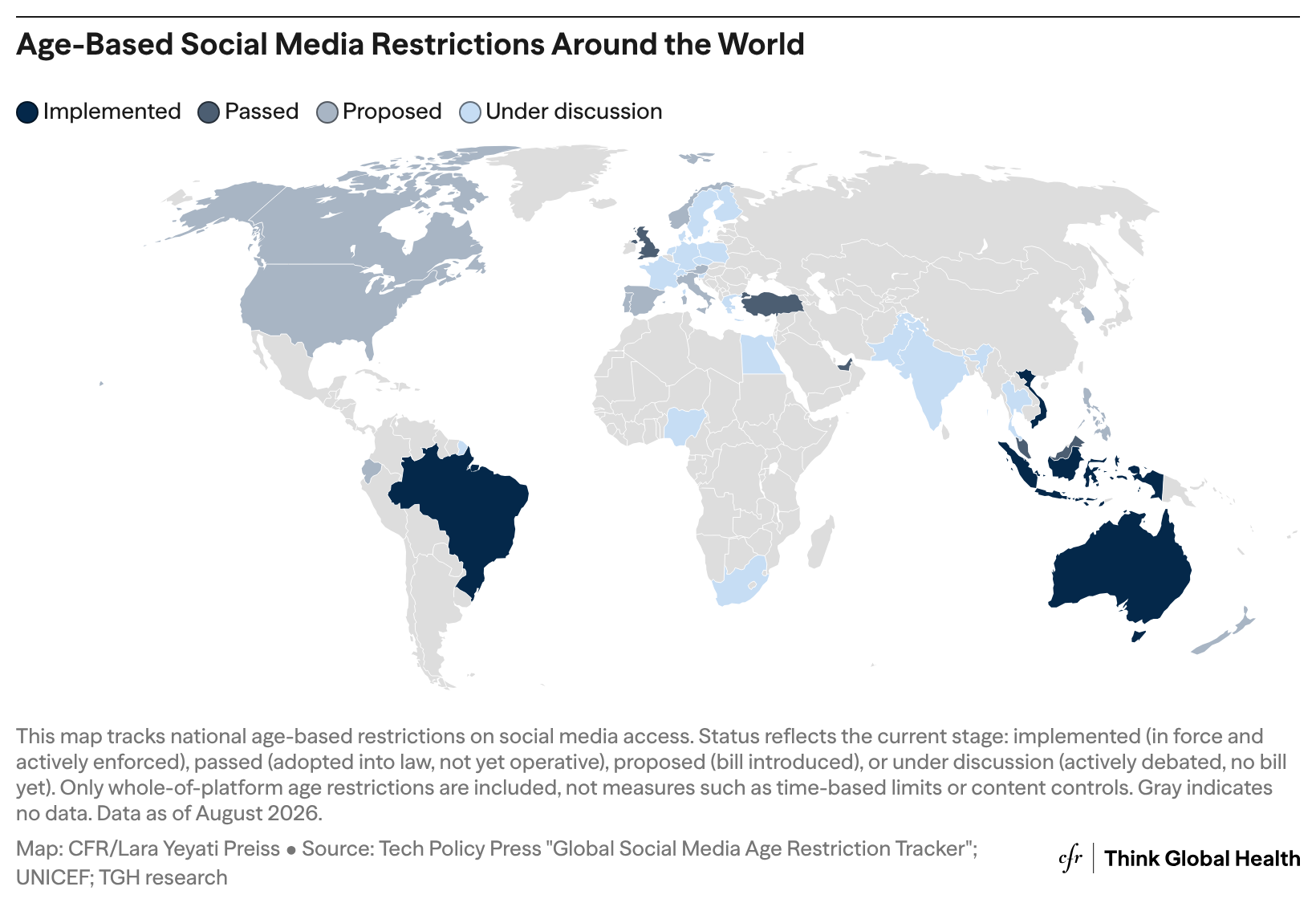
In parallel, more countries are restricting social media for youth, and it is unclear if those actions will improve adolescents' worsening mental health, write Think Global Health (TGH) Senior Contributing Editor Katherine Leach-Kemon, Research Associate Alejandra Martinez, and Data Visuals Designer Lara Yeyati Preiss. To evaluate and gauge early reactions to new social media regulations, the authors interviewed a mental health expert and three youth advocates about the bans. 

Social media platforms can enable online violence while also serving as spaces for social connection, write Research Associate Professor Illana Seff, Associate Professor Julia Fleckman, and Professor Lindsay Stark, who stress the need for those affected by cyberbullying, harassment, and sexual exploitation to have access to greater support systems. 

Lastly, as the United States marks the 25th anniversary of the 9/11 attacks today, TGH Research Associate Elena Every examines the mental health needs of incarcerated veterans in the United States. If veterans are jailed, they lose access to Veterans Affairs mental health care benefits, following a policy that was enacted just before the 2001 attacks. A pilot program led by a bipartisan group of lawmakers is attempting to change that by providing those services and collecting better data. 

Until next week!—Allison Krugman, Interim Managing Editor, Katherine Leach-Kemon, Senior Contributing Editor, and Alejandra Martinez, Research Associate


This Week's Highlight

GOVERNANCE

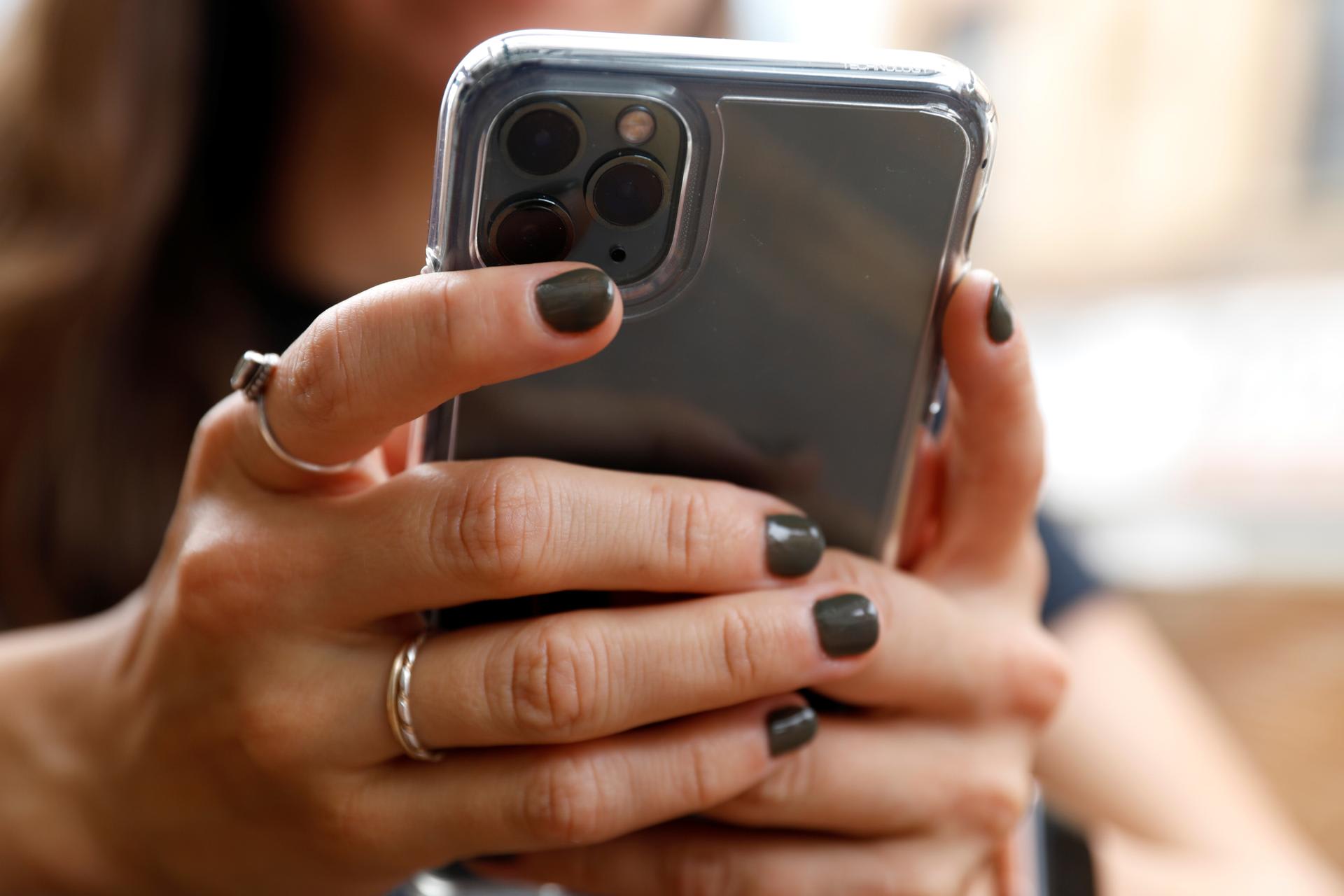
A person wearing gray nail polish and silver rings uses a cellphone in Manhattan, New York City, U.S., September 17, 2020.

Youth Need Support Systems for Online Harms

by Illana Seff, Julia Fleckman, and Lindsay Stark

Recent court rulings have exposed harms caused by social media, but experts say accountability on its own will not counter online violence, including cyberbullying 
Read this story


Figure of the Week

A map showing age-based social media restrictions around the world, indicating that countries such as Brazil, Indonesia, and Vietnam have implemented restrictions.


Read this story


Recommended Feature

GOVERNANCE

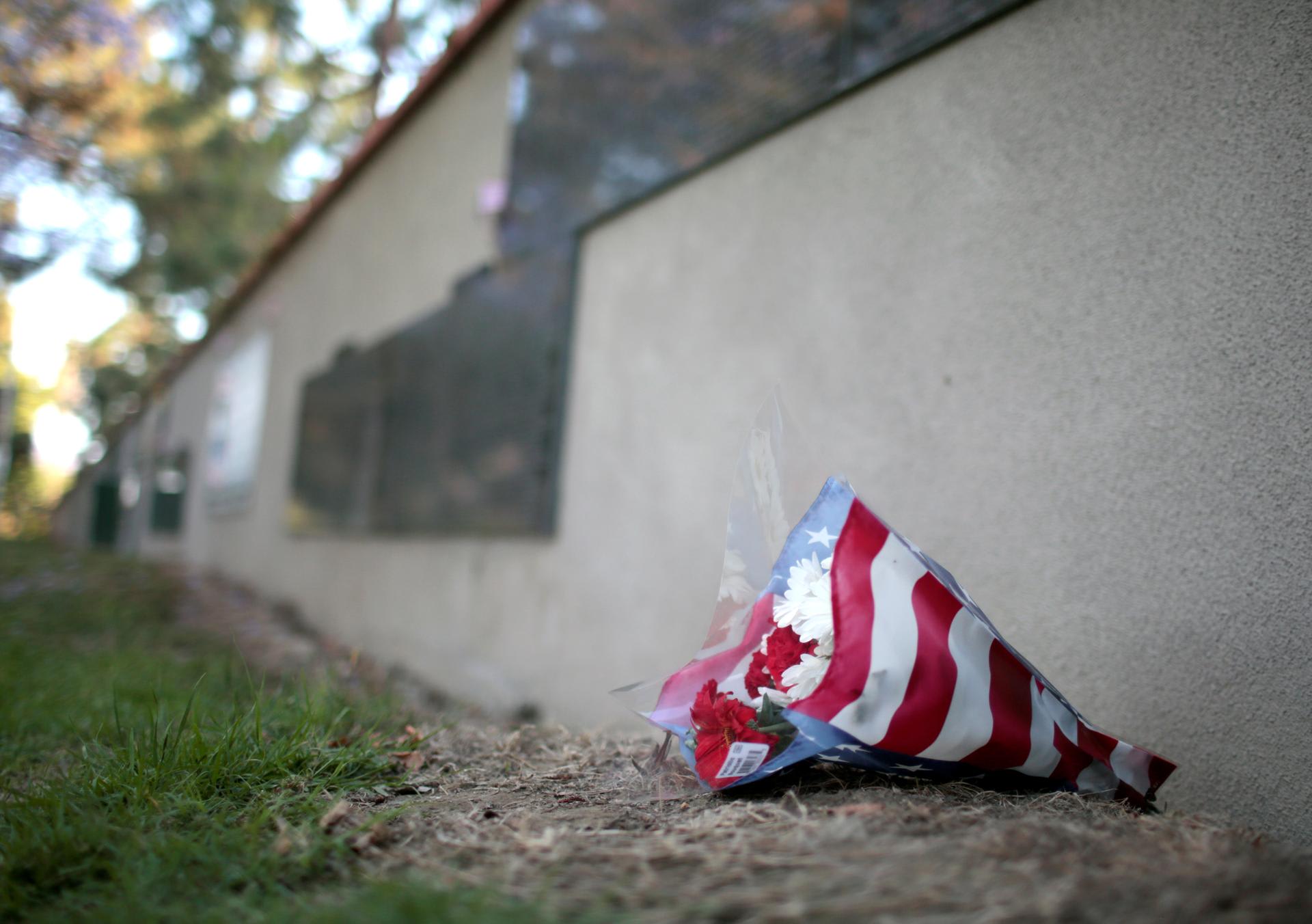
Flowers sit along the Rosie the Riveter Park Memorial Wall before a candlelight vigil for a veteran at a memorial wall for fallen veterans in Long Beach, California, U.S. May 29, 2017.

Caring for Incarcerated U.S. Veterans Post-9/11

by Elena Every

A bill introduced in March could address a significant gap in mental health care for U.S. service members, but remains under negotiation

Read this story


What We're Reading

Meet Four People Who Got the HIV Prevention Jab (Mail & Guardian) 

Domestic Violence Hospitalizes 15 Women a Day With Multiple Traumas in Brazil (Folha de S. Paulo)

Lives on Hold: Young Iranians Watch Their Futures Slip Away (New Humanitarian) 

What 13 Minutes in Nepal Can Teach Us About Acting Before Disaster Strikes (New Humanitarian) 


Interested in submitting?

Review our Submission Guidelines

Previous NewsletterBack to Archive

Subscribe to Our Newsletter

Sign up for our weekly newsletter to stay up to date.

See Past Newsletters
About This SiteSubmission Guidelines

©2025 Council on Foreign Relations. All rights reserved. Privacy Policy and Terms of Use.