Abortion and PEPFAR, Texas's Persistent Problem, and Mexico's Cancer Registry
August 11, 2023
Editor's Note
The President's Emergency Plan for AIDS Relief, or PEPFAR, is a U.S. program that has saved millions of lives during its twenty years with bipartisan support. PEPFAR is currently up for reauthorization by Congress, but the program has become embroiled in controversy over abortion. Some Republican members of Congress and anti-abortion groups claim PEPFAR funds abortions and are seeking changes to the program before supporting reauthorization. David P. Fidler, senior fellow for global health at the Council on Foreign Relations, analyzes how the reauthorization dispute reflects the ways divisive domestic politics threatens PEPFAR and affects U.S. foreign policy on other issues, such as LGBTQ+ rights.
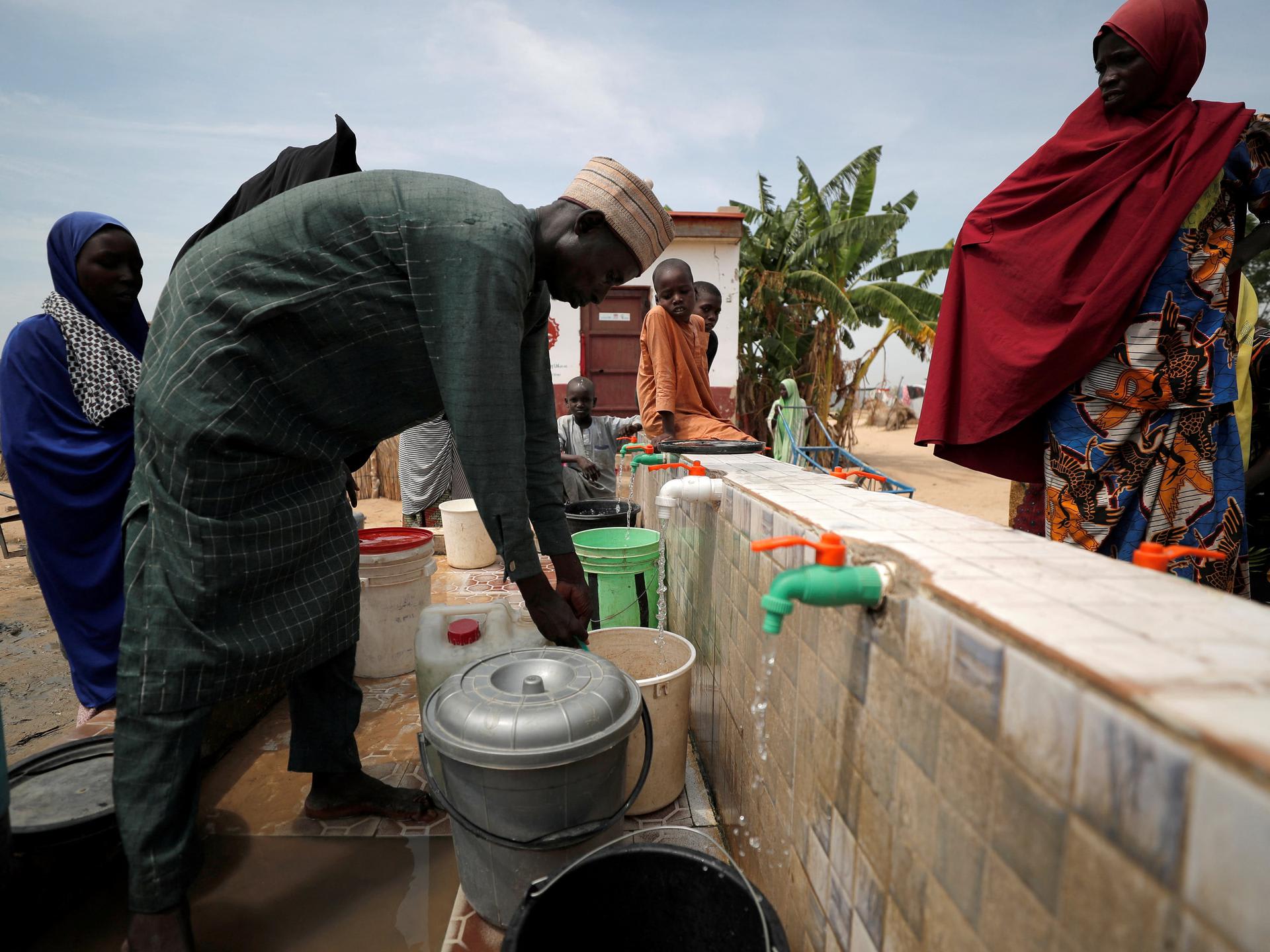
Next, Tom Frieden, senior fellow for global health at the Council on Foreign Relations, discusses the role community health workers play in increasing life expectancies in underserved parts of the world. Acting as a crucial link between communities and health-care systems, those "barefoot doctors" were essential to building trust during the COVID-19 pandemic. However, recognition and financial support for community health workers has dwindled. Compensating and professionalizing them could bridge health-care gaps and help address inadequate primary health care globally.
Our third piece by Ashley Nies focuses on Texas's Medicaid coverage gap caused by political decisions not to expand access to health care. Increased Medicaid access in Texas could make 1,435,000 currently uninsured individuals eligible for coverage and lead to better health outcomes, including lower maternal and infant mortality rates, earlier cancer detection, increased HIV prevention and treatment, additional preventive care visits for children, and more.
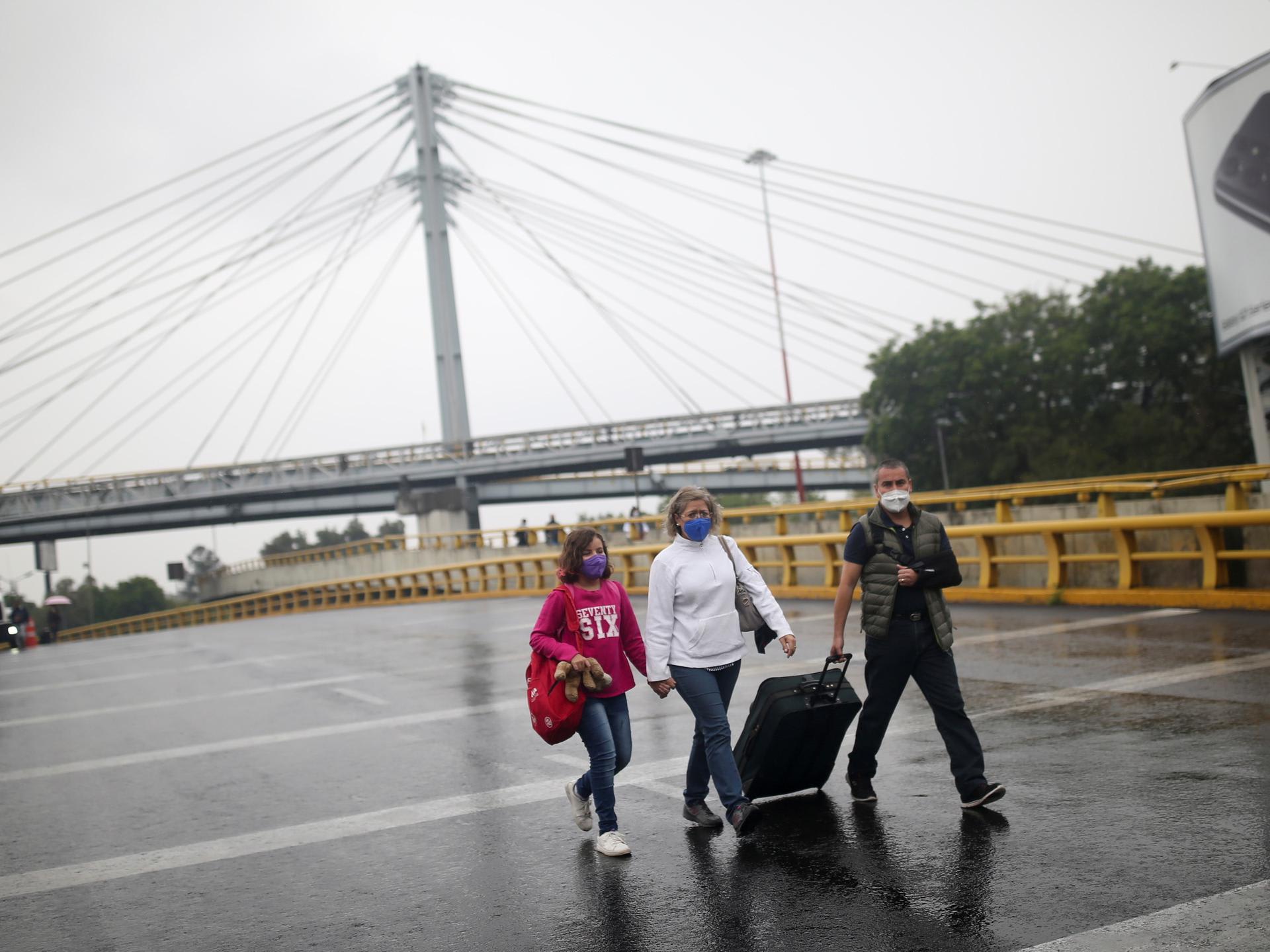
Closing out the week, José Martinez, director of Mexico Autonomous Institute of Technology's master in public policy program, discusses data discrepancies in Mexico's cancer death rate. Reports reveal that Mexico's cancer death rate is just 37 percent of that in the United States, but Martinez argues that figure is inaccurate because of deficiencies in identifying and providing care for cancer cases in Mexico. To address those problems, he suggests, Mexico should strengthen the measurement of cancer in different stages of the health-care process and build its national cancer registry.
As always, thank you for reading. —Thomas J. Bollyky, Editor