• Environment
  • Poverty
  • Trade
  • Governance
  • Food
  • Urbanization
  • Aging
  • Gender
  • Migration
  • Data Visualization
  • Recommendations
  • Research & Analysis
  • Series
  • Interviews
  • About This Site
  • Submission Guidelines

Newsletter

Think Global Health

  • Environment
  • Poverty
  • Trade
  • Governance
  • Food
  • Urbanization
  • Aging
  • Gender
  • Migration
  • Data Visualization
  • Recommendations
  • Research & Analysis
  • Series
  • Interviews
  • About This Site
  • Submission Guidelines

Newsletter

Think Global Health

Lead Exposure, Libyan Health Care, and U.S. Global Health Activism

November 10, 2023


Editor's Note

Lead is a dangerous neurotoxin and can have nasty and permanent effects on children who are exposed in utero or early childhood. A recent analysis by the Center for Global Development (CGD) found that lead exposure explains more than 20 percent of the learning gap between wealthy and poor nations.   

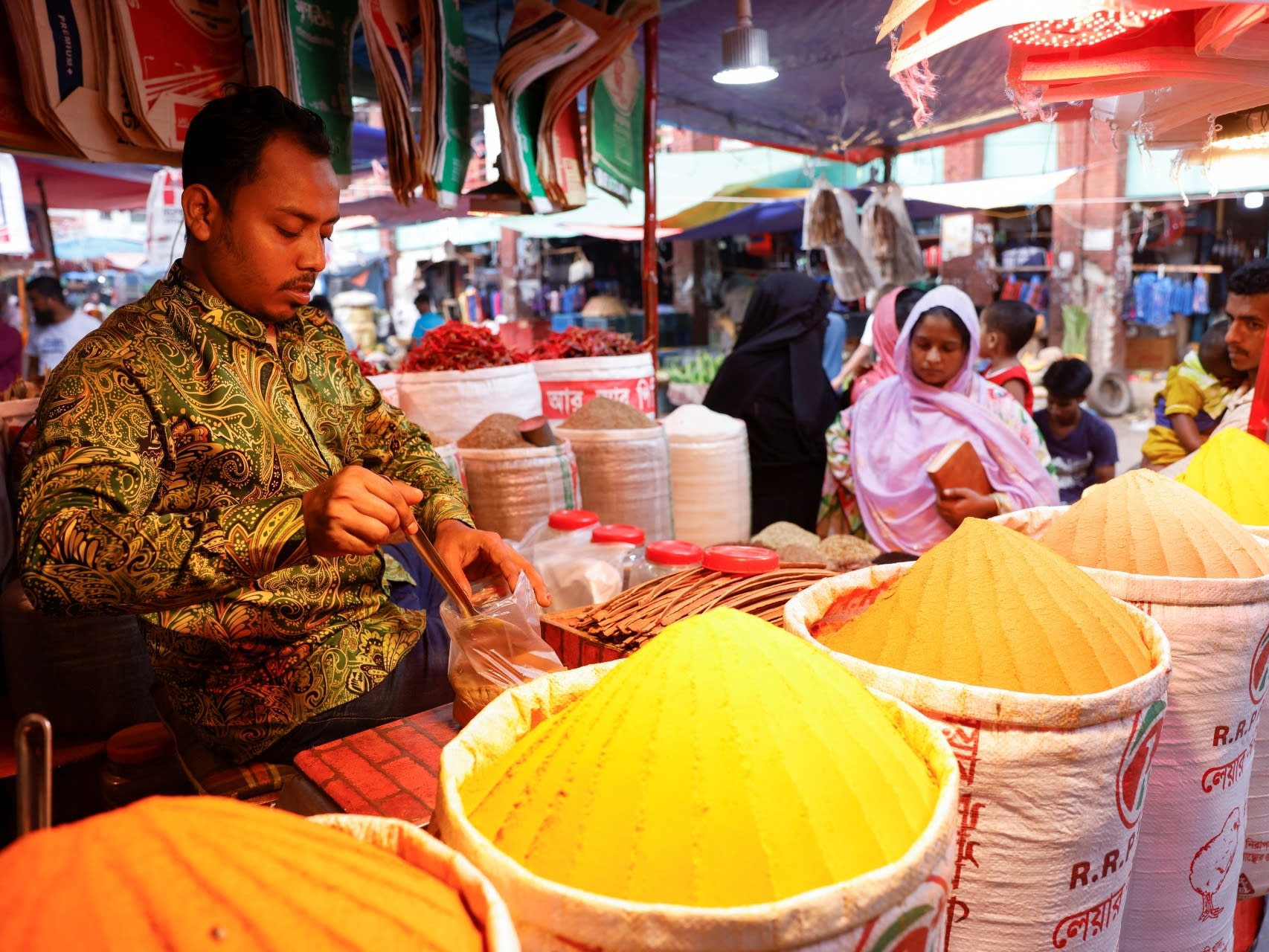
This week, Rachel Silverman Bonnifield, an author of that CGD analysis, writes on how Bangladesh identified the mysterious source of its high lead exposure rates—adulterated turmeric—and why the government's actions are a model for other countries seeking to end childhood lead poisoning by 2040.  

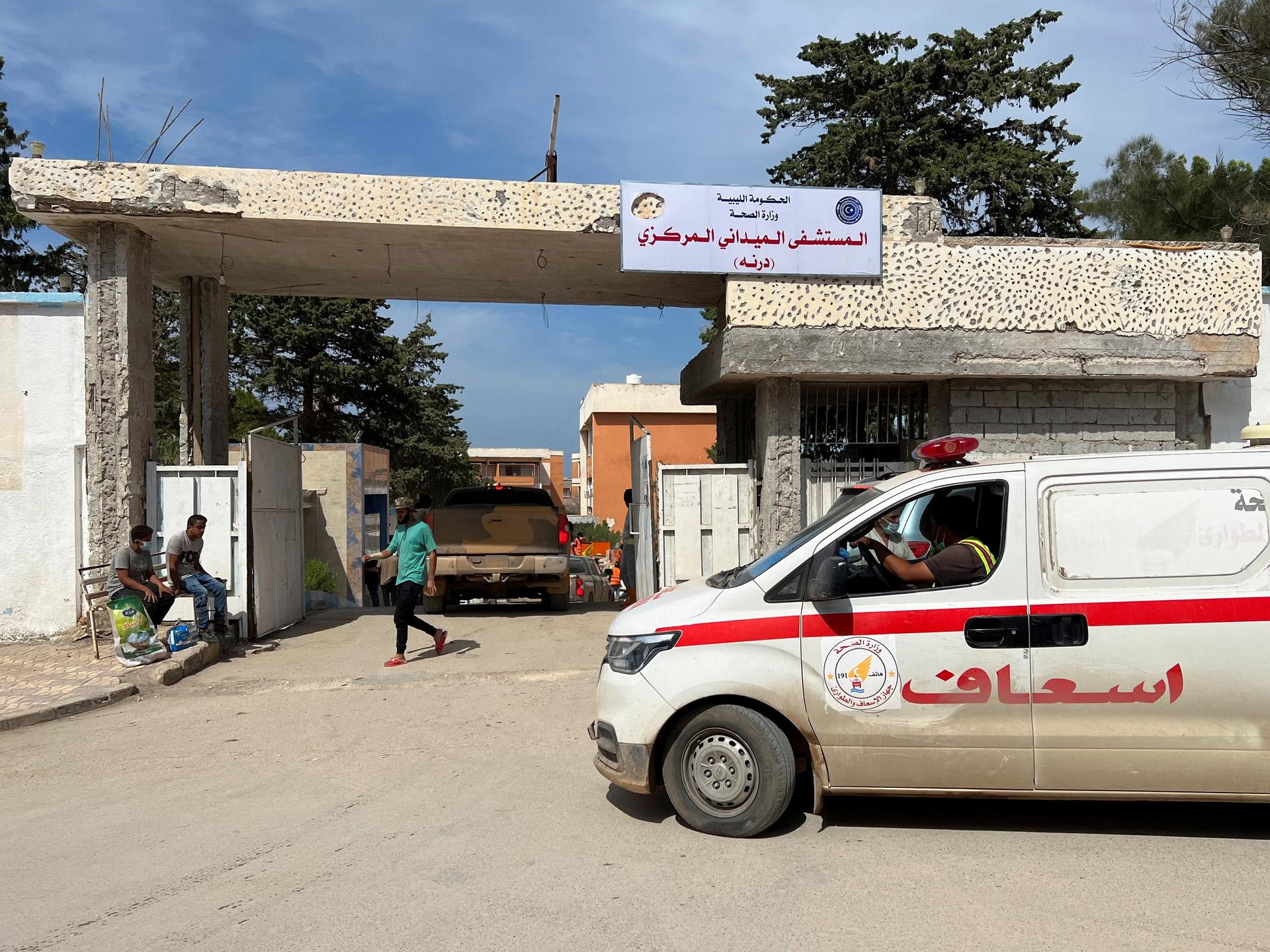
Next, Mary Fitzgerald, a scholar at the Middle East Institute, revisits Libya two months after the devastating floods in Derna to see how the country's health-care system weathered that storm and over a decade of civil conflict. Her findings are sobering.   

David P. Fidler wraps up the week with a response to U.S. National Security Advisor Jake Sullivan's recent Foreign Affairs article on the sources of American power, including leadership on development, health, and food security. Fidler argues that a U.S.-led world order is over and that U.S. global health activism should do more to offer a competitive value proposition to rivals' economic and security support.  

As always, thank you for reading.—Thomas J. Bollyky, Editor 


This Week's Highlights

ENVIRONMENT

Image

Global Lead Poisoning Is the Biggest Threat You've Never Heard About  

by Rachel Silverman Bonnifield

Despite the problem's magnitude, many people have never even heard of lead poisoning as a global health challenge  

Read this story


Stat of the Week

One in Three

Worldwide, an estimated one in three children have blood lead levels above five micrograms per deciliter, which is the level at which the World Health Organization recommends clinical intervention
Read this story


Recommended Feature

ENVIRONMENT

Image

Rebuilding Libya's Health-Care System     

by Mary Fitzgerald

Overcoming the legacy of conflict, natural disasters, and political divisions for a healthier future 

Read this story


More of the Latest

GOVERNANCE

Image

Global Health and the Sources of American Power 

by David P. Fidler

The Joe Biden administration's foreign policy vision exposes serious challenges for U.S. global health engagement 

Read this story


What We're Reading

The Global Network Behind the Fentanyl Crisis (Financial Times)

Vapes Get a Gen Z Makeover (New York Times)

Water Is Running Out in Gaza. It Will Mean More Deaths. (Washington Post)

Children Got Lead Poisoning From Fruit Pouches. Here's What to Know.  (Washington Post)


Interested in submitting?

Review our Submission Guidelines

 
Previous NewsletterBack to ArchiveNext Newsletter

Subscribe to Our Newsletter

Sign up for our weekly newsletter to stay up to stay up to date.

See Past Newsletters
About This SiteSubmission Guidelines

©2025 Council on Foreign Relations. All rights reserved. Privacy Policy and Terms of Use.