• Environment
  • Poverty
  • Trade
  • Governance
  • Food
  • Urbanization
  • Aging
  • Gender
  • Migration
  • Data Visualization
  • Recommendations
  • Research & Analysis
  • Series
  • Interviews
  • About This Site
  • Submission Guidelines

Newsletter

Think Global Health

  • Environment
  • Poverty
  • Trade
  • Governance
  • Food
  • Urbanization
  • Aging
  • Gender
  • Migration
  • Data Visualization
  • Recommendations
  • Research & Analysis
  • Series
  • Interviews
  • About This Site
  • Submission Guidelines

Newsletter

Think Global Health

Mosquito-Borne Diseases, Gaza's Humanitarian Crisis, and Seaweed's Renaissance

November 3, 2023


Editor's Note

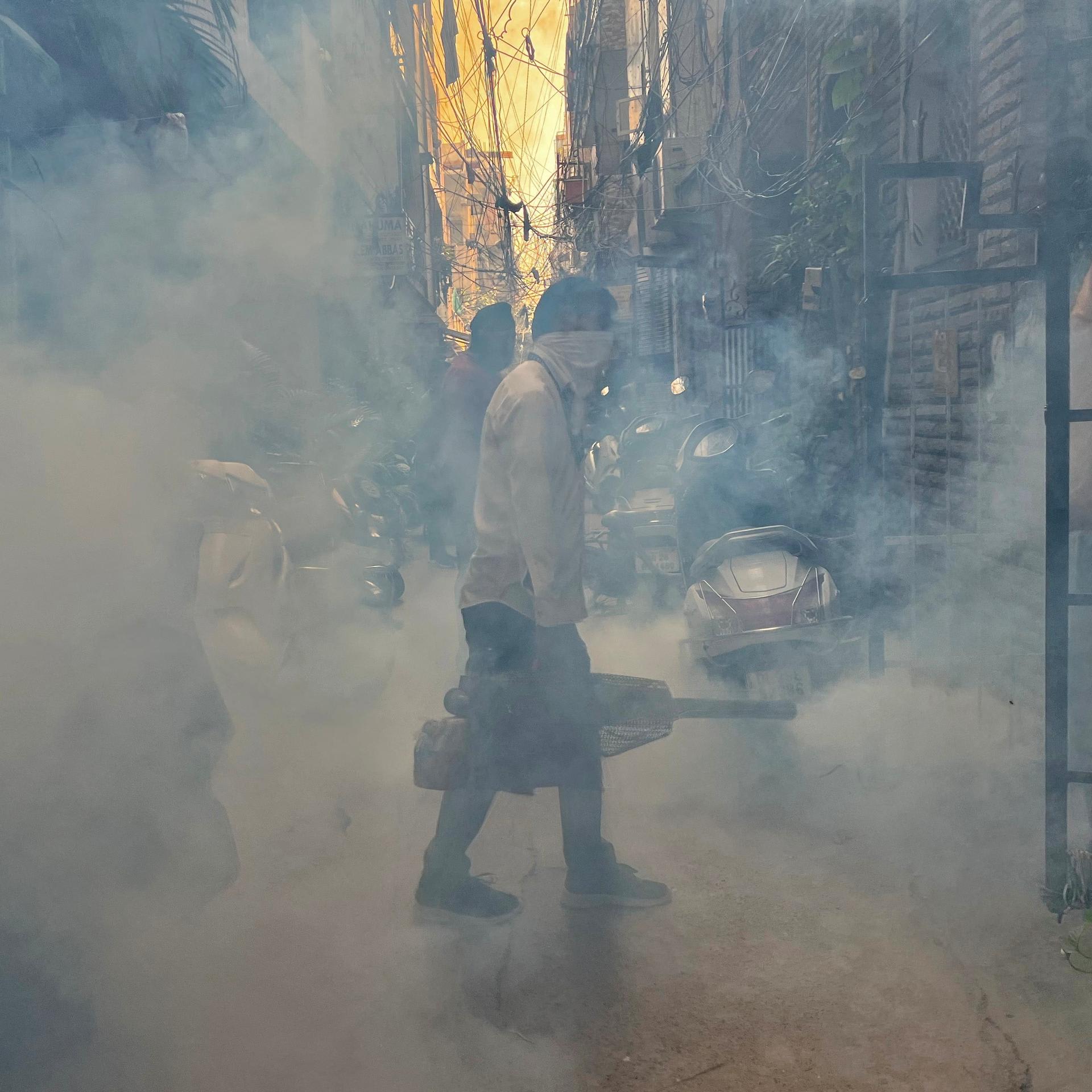
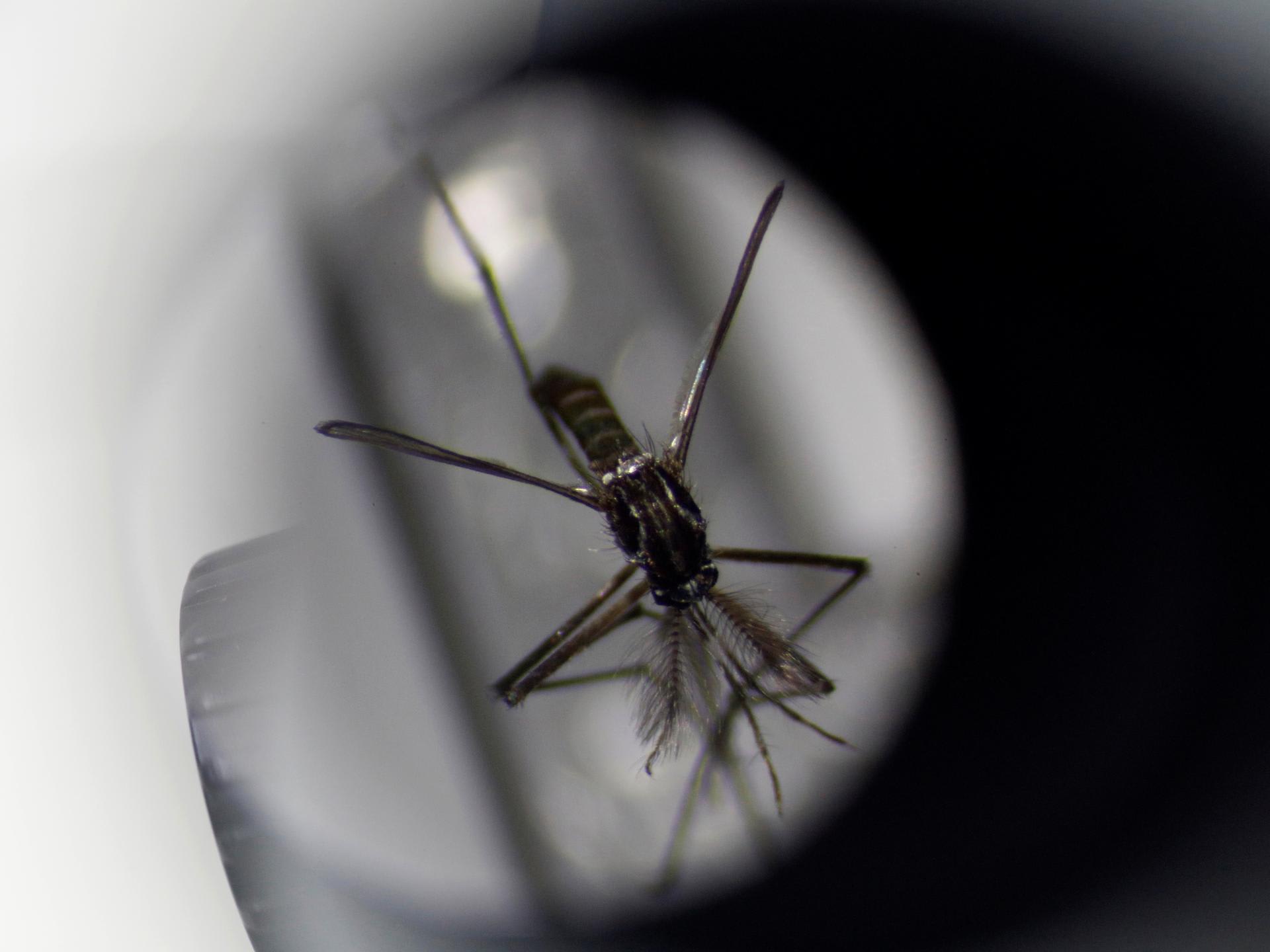
Each year, mosquitoes infect roughly five hundred million people worldwide with malaria, dengue, Zika, yellow fever and chikungunya, killing nearly one million adults and children. With the warming climate, their range is expanding.  

Michael Leedom, an emergency physician based in Baltimore, writes this week on how countries can confront the expanding range of "the world's deadliest animal" and its associated harms. He suggests the United States adopt a strategy of injecting mosquitoes with Wolbachia bacteria, which, when introduced in female mosquitoes, "crowds out other viruses," including some transmissible to humans, without harming humans, animals, or the environment.   

Oloruntobi Dare, a public health researcher, writes on how wealthy nations now confronting the threat of malaria, should adopt the integrated vector management strategies pioneered in Rwanda, including mosquito nets and chemical repellents, to curb transmission in the United States.  

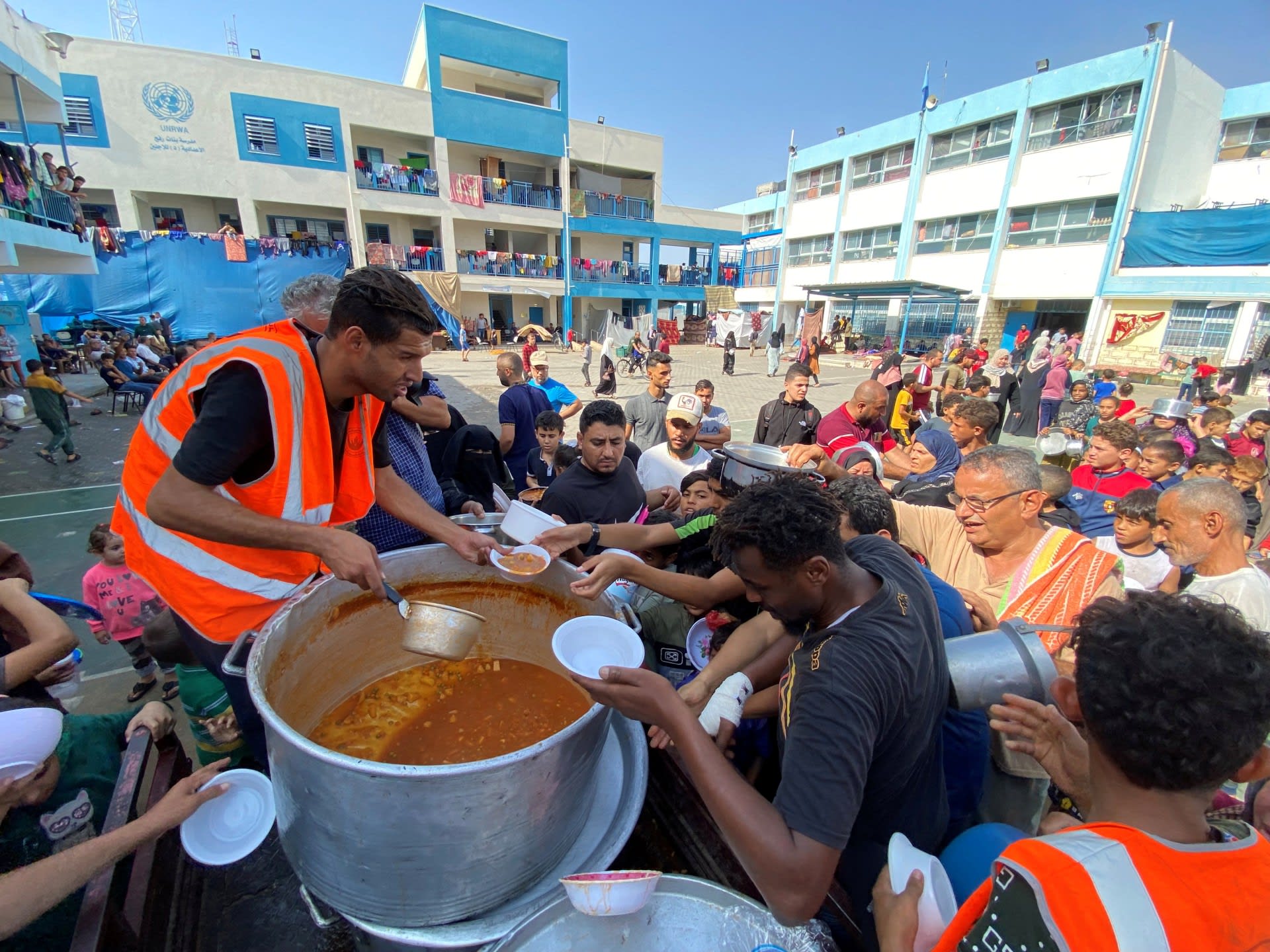
We continue our coverage of the Israel-Hamas war with a slideshow depicting the humanitarian response, which has been slow to reach civilians. Some aid trucks began entering Gaza this week.  

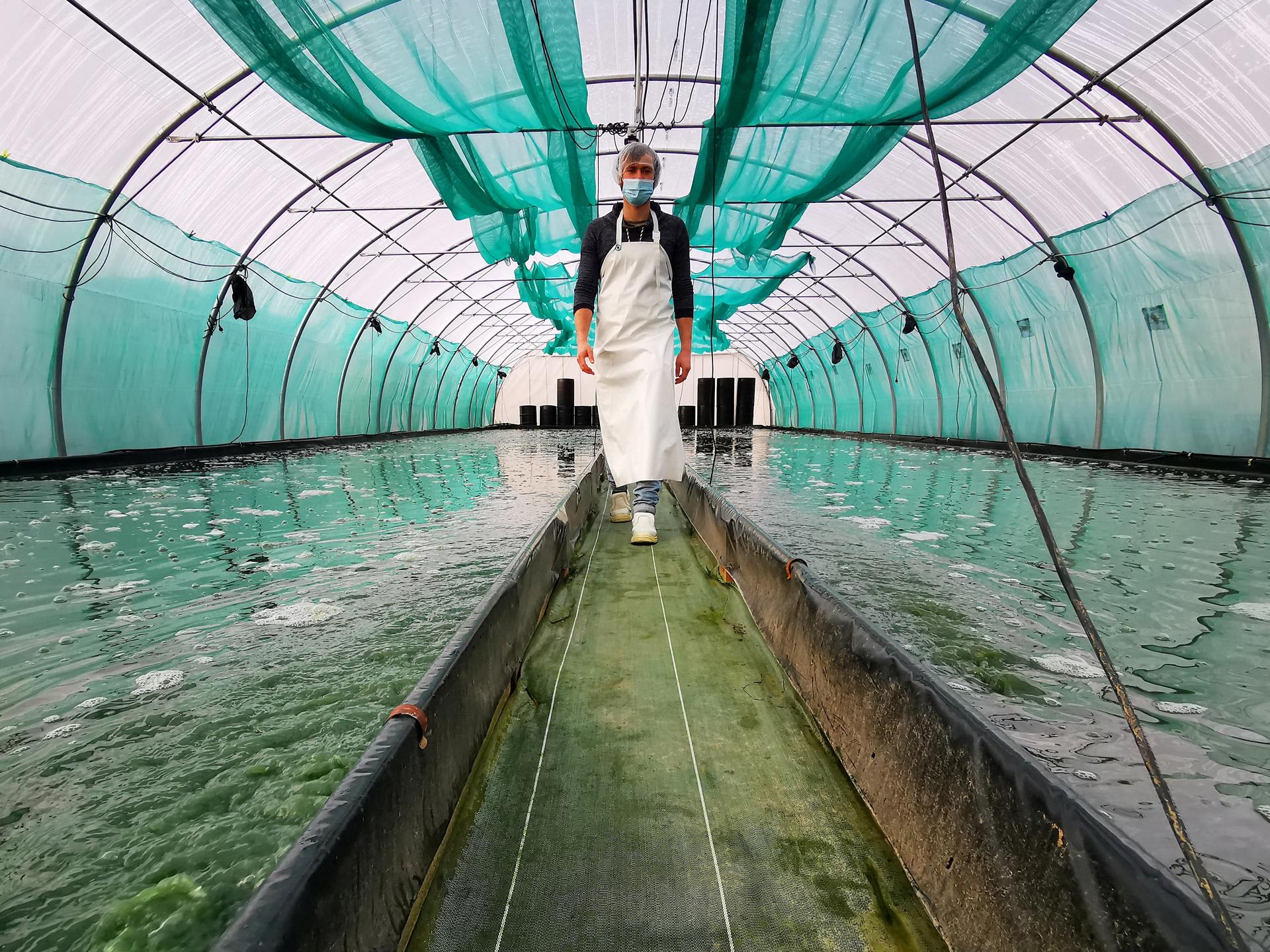
We wrap up the week with a piece by Ben Wolman, from the nonprofit Only One. He writes on how the seaweed industry could help change the tide at the difficult intersection of climate, health, and agriculture. 

As always, thank you for reading.—Thomas J. Bollyky, Editor 
 

This Week's Highlights

ENVIRONMENT

Image

America's Battle Against Mosquito-Borne Diseases 

by Michael Leedom

Locally transmitted malaria cases in the United States spark a need for more innovative control strategies 

Read this story

ENVIRONMENT

Image

Local Malaria and West Nile: Rallying Locally, Collaborating Globally

by Oloruntobi Dare

The United States should prepare for the emerging threat of mosquito-borne illnesses     

Read this story

MIGRATION

Image

Gaza in Photos: The Urgent Struggle for Humanitarian Aid

by Alejandra Martinez

The ongoing battle to provide relief in the midst of conflict

Read this story


Stat of the Week

One-Half

Nearly half of all humans who ever lived were killed by mosquitoes

Read this story


Recommended Feature

FOOD

Image

Seaweed's Renaissance  

by Ben Wolman

How the seaweed industry is changing the tide on climate, health, and agriculture 

Read this story


What We're Reading

First Malaria Vaccine Slashes Early Childhood Mortality (Science)

The Humanitarian Health Effects of the Israel-Hamas War Among Civilians in Gaza (Johns Hopkins' Bloomberg School of Public Health)

COVID Lockdowns Were a Giant Experiment. It Was a Failure (New York Magazine)

Why is America's Capital So Violent? (The Economist)

The Fate of Many Gazans Lies With the Rafah Crossing, and Egypt (New York Times)


Interested in submitting?

Review our Submission Guidelines

Previous NewsletterBack to ArchiveNext Newsletter

Subscribe to Our Newsletter

Sign up for our weekly newsletter to stay up to stay up to date.

See Past Newsletters
About This SiteSubmission Guidelines

©2025 Council on Foreign Relations. All rights reserved. Privacy Policy and Terms of Use.