An Oxygen Ecosystem, Pandemic Panic, Gun Violence, and #HealthToo
June 9, 2023
Editor's Note
Following last week's World Health Assembly (WHA), our first group of authors—Mauricio Cárdenas, Helen Clark, Joanne Liu, Michel Kazatchkine, David Miliband, and Ellen Johnson Sirleaf—respond to a debate featured in those Geneva discussions: the case for and against the proposed Global Health Threats Council. The authors dismiss fears that the council would create a UN bureaucracy or take over the functions of the World Health Organization (WHO). Instead, the council would maintain countries' political commitments and accountability for pandemic preparedness and response—a function only achievable, say the authors, if the council has a strong mandate and full independence from the WHO.
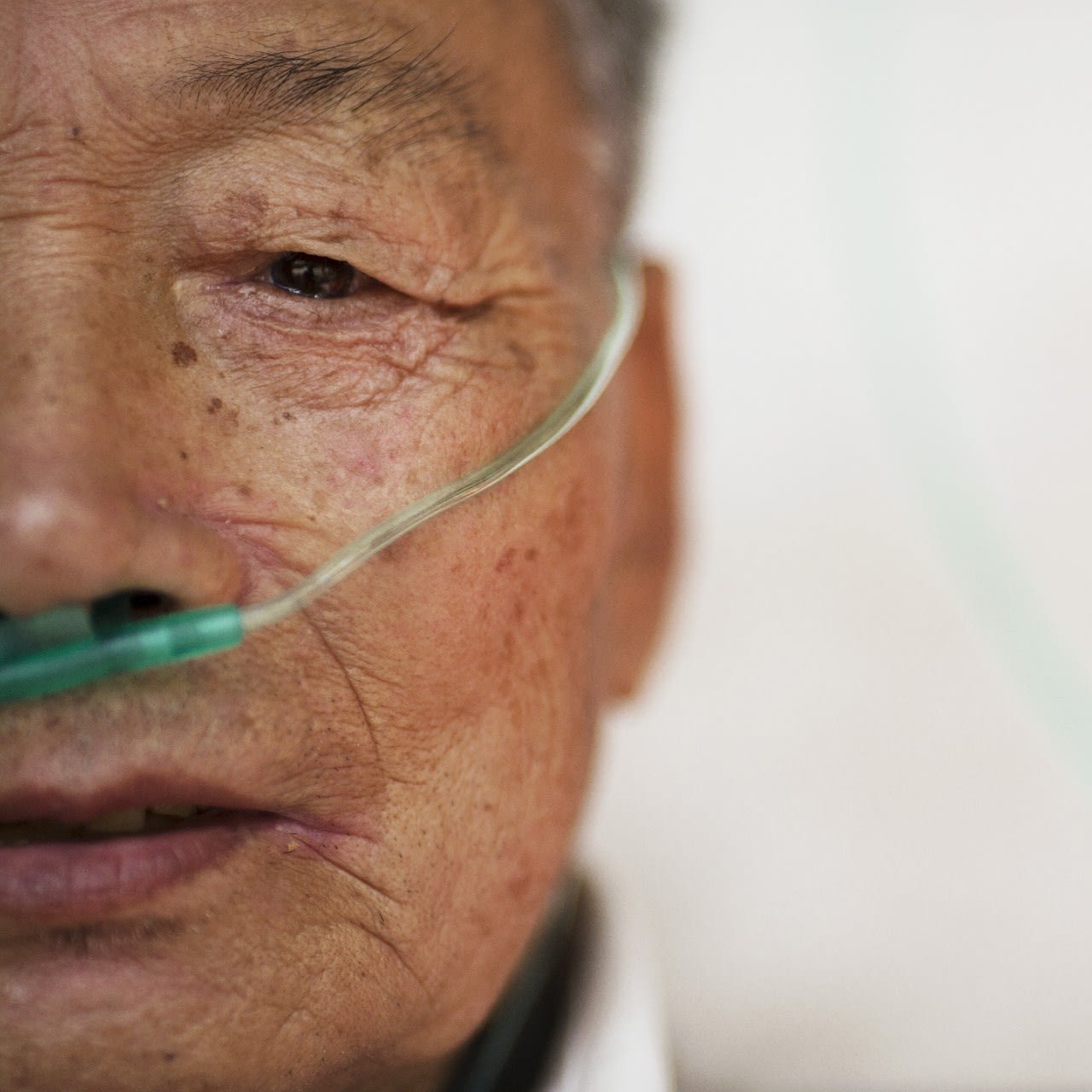
Also at the WHA, Mike Ryan, executive director of the WHO's emergency program, called for countries to add medical oxygen to their essential medical lists. Amy Maxmen, CFR's Edward R. Murrow press fellow, comments on the WHO's resolution, pointing out that, like clean water, oxygen is vital and conceptually simple, but it requires a sustainable system and not just empty donations.
Next, we interview Jonathan Lowy, founder of Global Action on Gun Violence, a nonprofit bringing lawsuits on behalf of Mexico and other foreign governments against the U.S. gun industry and the practices—bulk sales, repeat sales, and straw purchases—that help supply the criminal gun market.
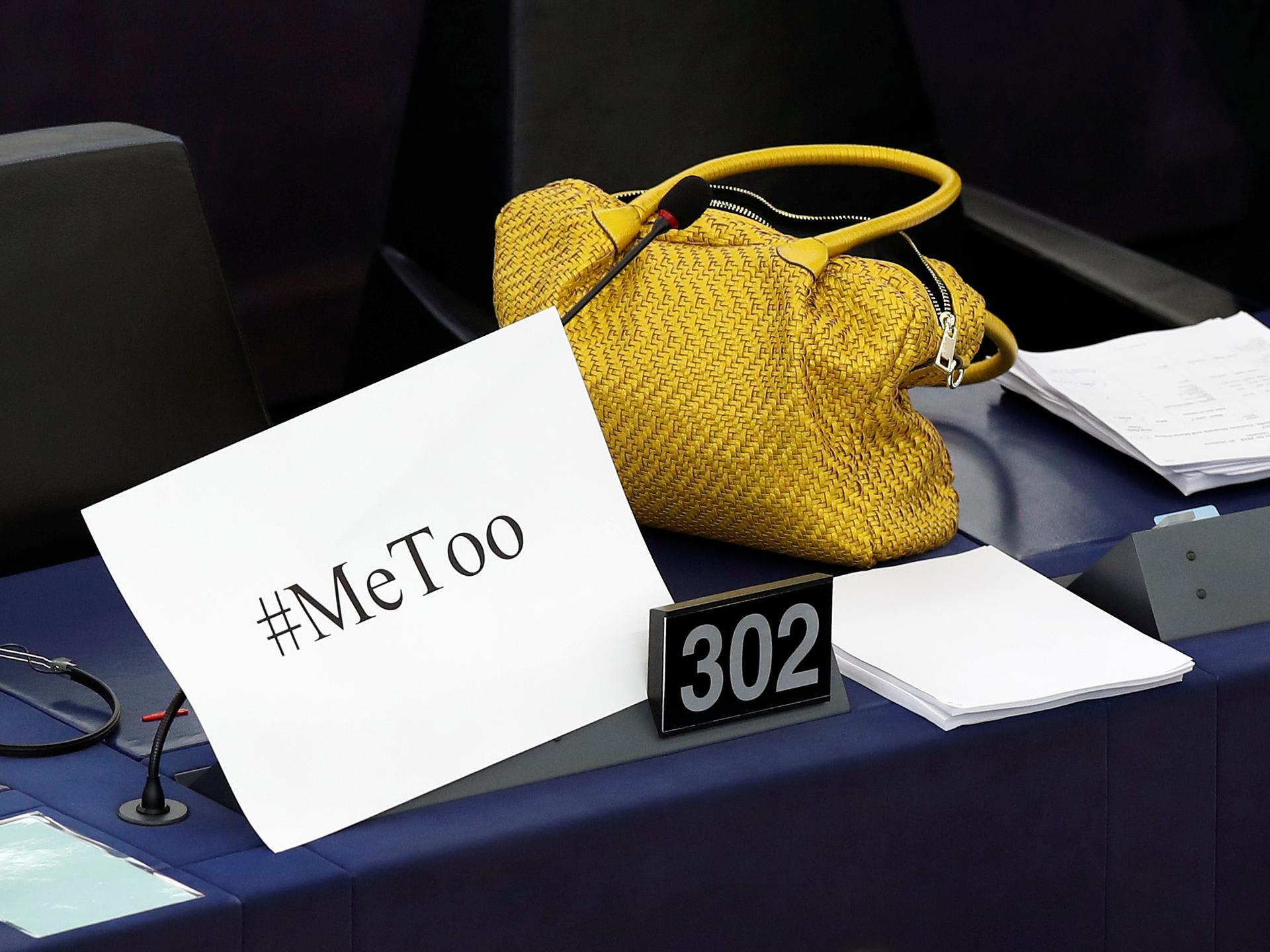
Closing this week's line up, is a piece on the #MeToo movement in global health, which is uncovering reports of sexual violence and harassment against health-care workers and women working in global heath. The best ways to improve outcomes for women, are to encourage reporting, ensure that victims do not experience retaliation, and publish data on cases. "The hardest of all is cultural change," says one midwife from Pakistan.
As always, thank you for reading. —Thomas J. Bollyky, Editor
Death rates among people hospitalized for COVID-19 in low-income countries were two times as high as in wealthy ones, and a lack of medical oxygen is a core reason for the disparity