• Environment
  • Poverty
  • Trade
  • Governance
  • Food
  • Urbanization
  • Aging
  • Gender
  • Migration
  • Data Visualization
  • Recommendations
  • Research & Analysis
  • Series
  • Interviews
  • About This Site
  • Submission Guidelines

Newsletter

Think Global Health

  • Environment
  • Poverty
  • Trade
  • Governance
  • Food
  • Urbanization
  • Aging
  • Gender
  • Migration
  • Data Visualization
  • Recommendations
  • Research & Analysis
  • Series
  • Interviews
  • About This Site
  • Submission Guidelines

Newsletter

Think Global Health

Florida's COVID-19 Record and Closing the Global Oxygen Gap

September 8, 2023


Editor's Note

The 2020 U.S. presidential race was the pandemic election. More than two hundred thousand Americans were confirmed dead from COVID-19 by election day and major newspapers devoted front-page coverage to their names. A campaign video famously featured vacant wooden chairs in empty city streets, representing the societal disruption and lives lost under U.S. leadership. 

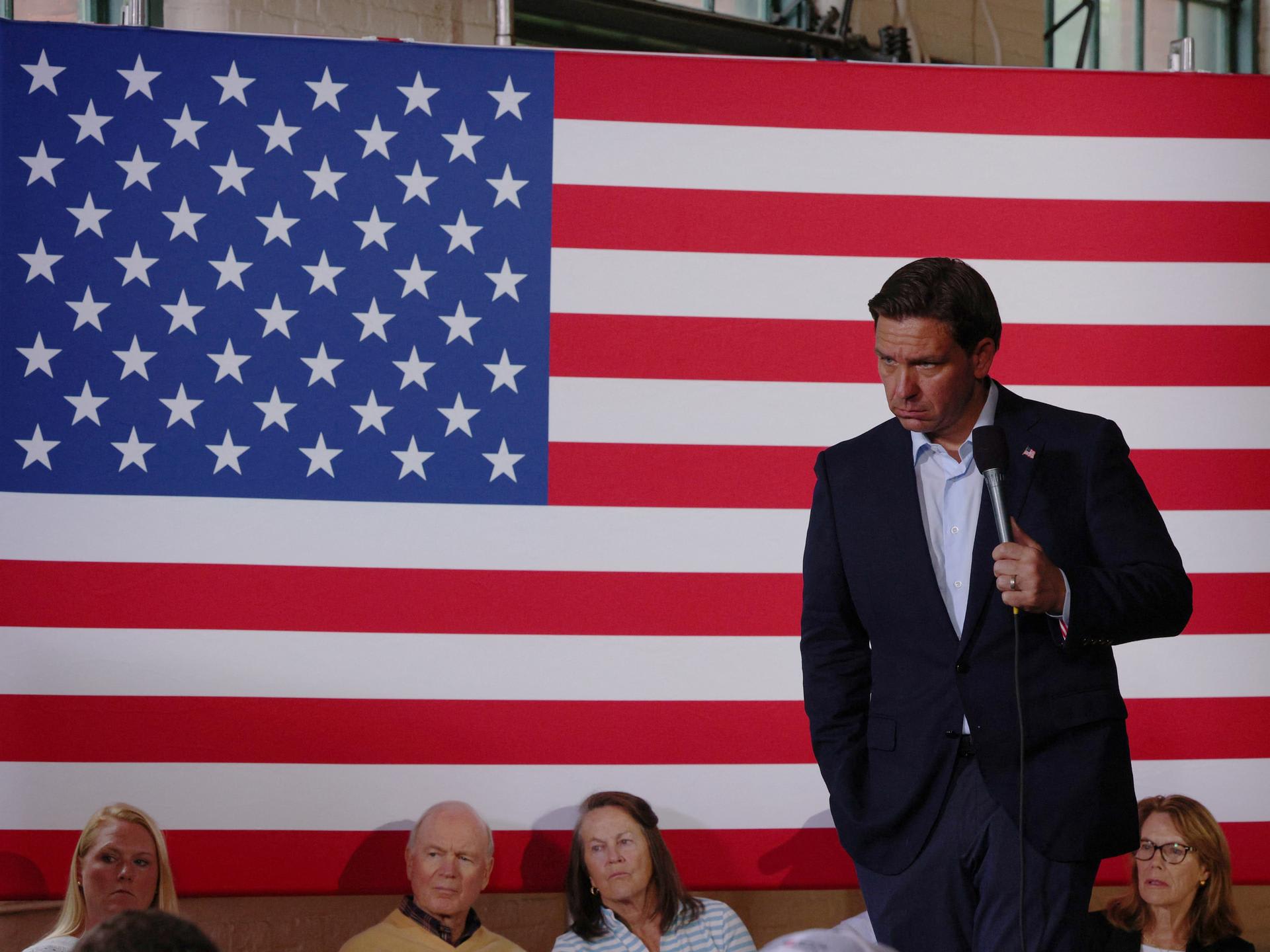
In the early days of the 2024 presidential election, Florida Governor Ron DeSantis is the only major U.S. presidential prospect still campaigning on COVID-19, and his message is largely devoted to all the measures his state did not take in the pandemic. With signs this week that other candidates could be joining the fray, we give Florida's COVID-19 record the renewed attention it deserves and that future pandemic preparedness requires of all elected officials.  

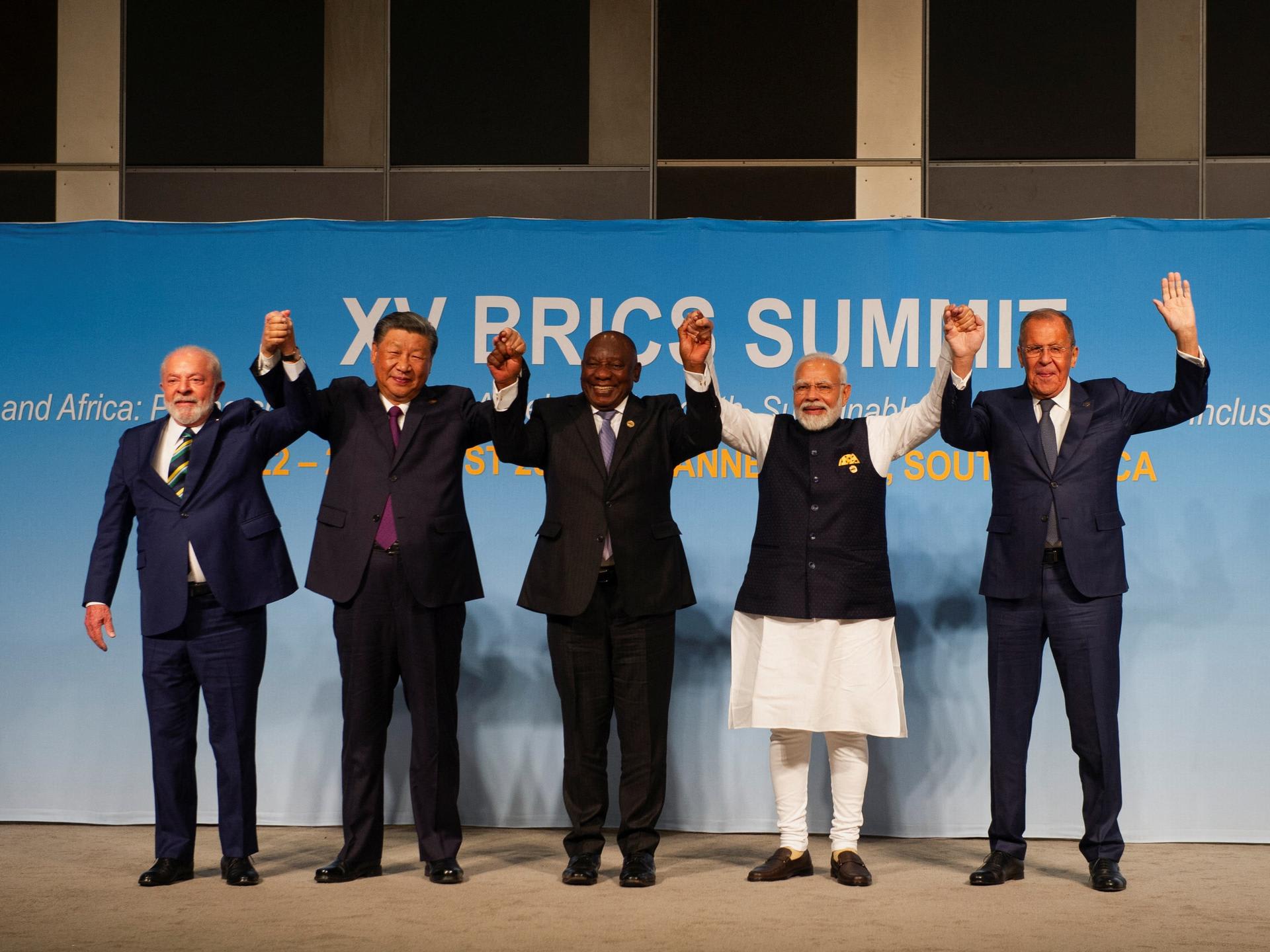
"International cooperation is in retreat," Kristalina Georgieva recently wrote, as the worldwide "rise of fragmentation . . . makes it nearly impossible to manage tremendous global challenges."  This week, David Fidler reviews a summer of geopolitical fragmentation and its implications, from the expansion of the BRICS and NATO to the failure of the so-called Group of Two to achieve a global health détente. 

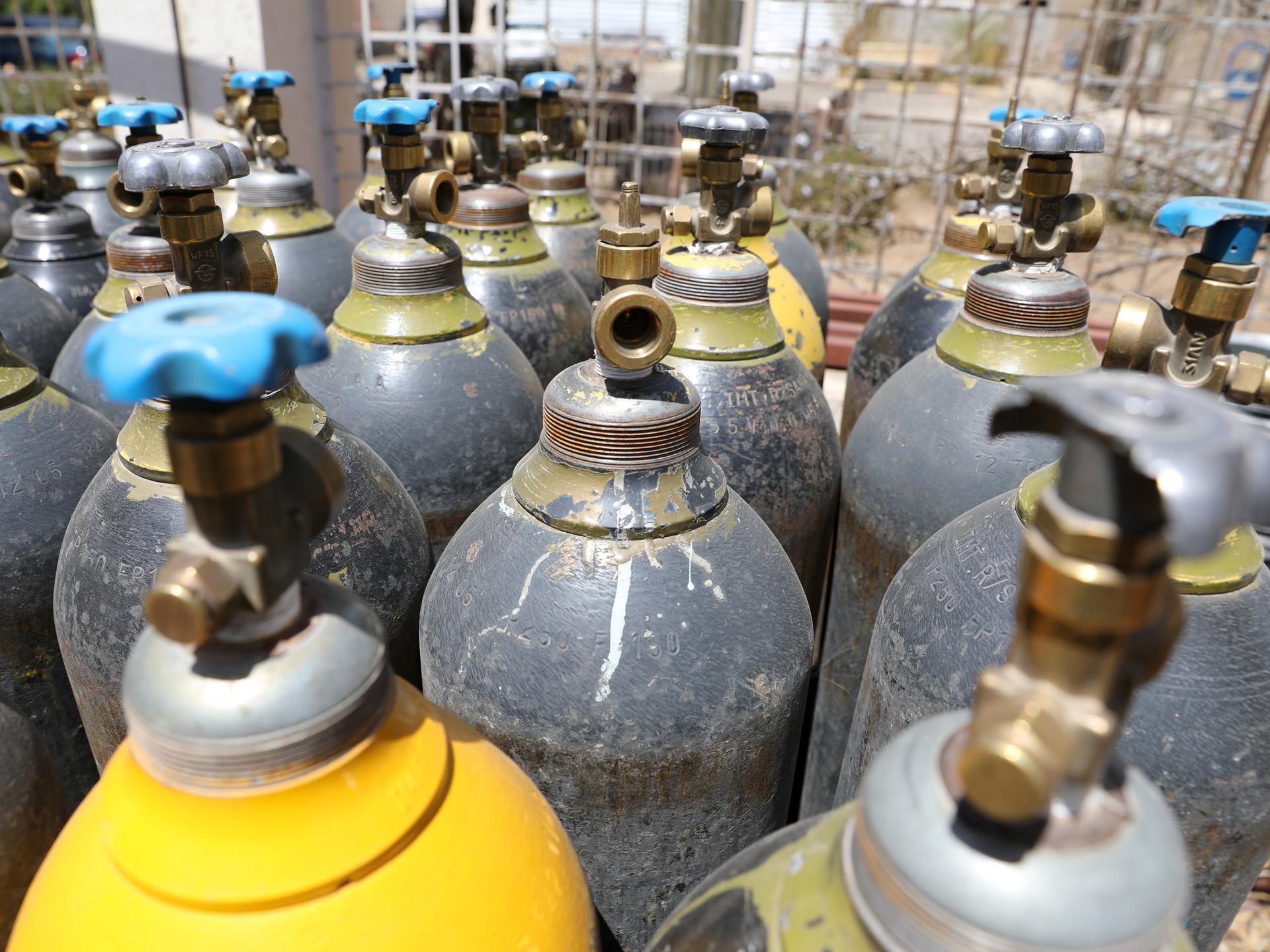
Ramanan Laxminarayan and Leith Greenslade close out the week by highlighting the blind eye that world leaders have turned to the lack of access to medical oxygen globally, which studies have found to be as cost-effective as childhood vaccination. The authors argue against the shameful omission of that cause from the various high-level meetings occurring at this month's UN General Assembly.  

As always, thank you for reading.—Thomas J. Bollyky, Editor 
 

This Week's Highlights

GOVERNANCE

Image

Did Florida Get It Right Against COVID-19? 

by Thomas J. Bollyky, Ashley Nies, and Isabella Turilli

What the scrutiny of DeSantis's pandemic record has missed 

Read this story


Stat of the Week

25 Percent

Providing medical oxygen reduces deaths among hospitalized children by 25 percent

Read this story


Recommended Feature

GOVERNANCE

Image

Blocs, the BRICS, and Global Health 

by David P. Fidler

Recent geopolitical moves further reshape the international context for global health 

Read this story


More of the Latest

GOVERNANCE

Image

Solving for Oxygen 

by Ramanan Laxminarayan and Leith Greenslade

Why policymakers should work to make medical oxygen more accessible 

Read this story


What We're Reading

It's Not Pro-Life to Oppose a Program That Has Saved 25 Million Lives (New York Times)

Climate-Linked Ills Threaten Humanity (Washington Post)

We Cannot Give Up on the Global Pandemic Treaty (Financial Times)


Interested in submitting?

Review our Submission Guidelines

Previous NewsletterBack to ArchiveNext Newsletter

Subscribe to Our Newsletter

Sign up for our weekly newsletter to stay up to stay up to date.

See Past Newsletters
About This SiteSubmission Guidelines

©2025 Council on Foreign Relations. All rights reserved. Privacy Policy and Terms of Use.