• Environment
  • Poverty
  • Trade
  • Governance
  • Food
  • Urbanization
  • Aging
  • Gender
  • Migration
  • Data Visualization
  • Recommendations
  • Research & Analysis
  • Series
  • Interviews
  • About This Site
  • Submission Guidelines

Newsletter

Think Global Health

  • Environment
  • Poverty
  • Trade
  • Governance
  • Food
  • Urbanization
  • Aging
  • Gender
  • Migration
  • Data Visualization
  • Recommendations
  • Research & Analysis
  • Series
  • Interviews
  • About This Site
  • Submission Guidelines

Newsletter

Think Global Health

Health Cooperation in the Quad, Alcohol Use in Lithuania, and Pandemic Urbanism

May 26, 2023


Editor's Note

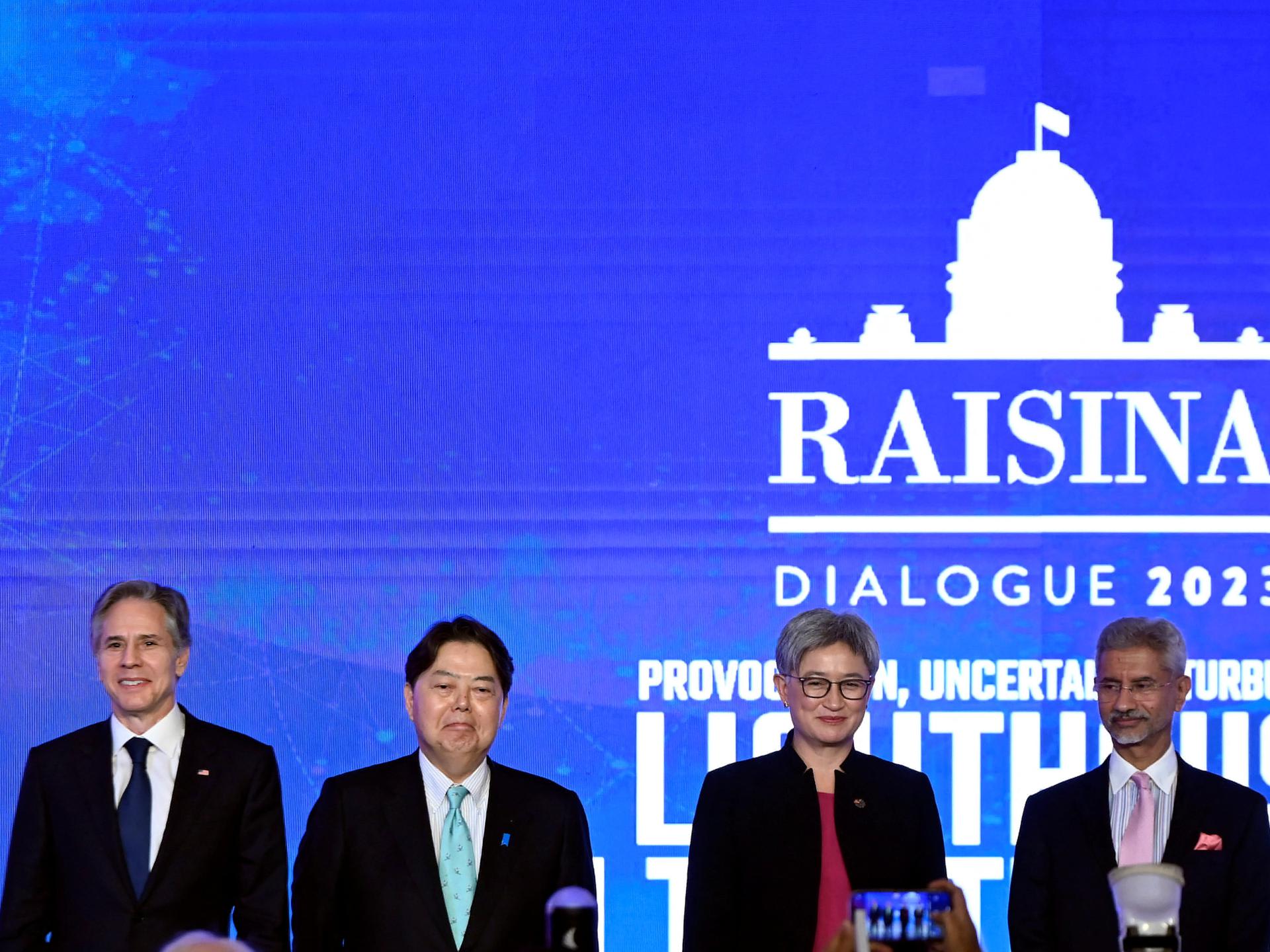
The four nations that make up the Quadrilateral Security Dialogue—the United States, Australia, India, and Japan— met this week to discuss the future of health cooperation in a post–COVID-19 world. In our first article, Council on Foreign Relations Senior Fellow Manjari Chatterjee Miller lays out the past, present, and future of the Quad, as it is known, emphasizing that the group's longevity hinges on its ability to build a sustainable, inclusive foundation for future coordination against all threats, whether geopolitical or health related.    

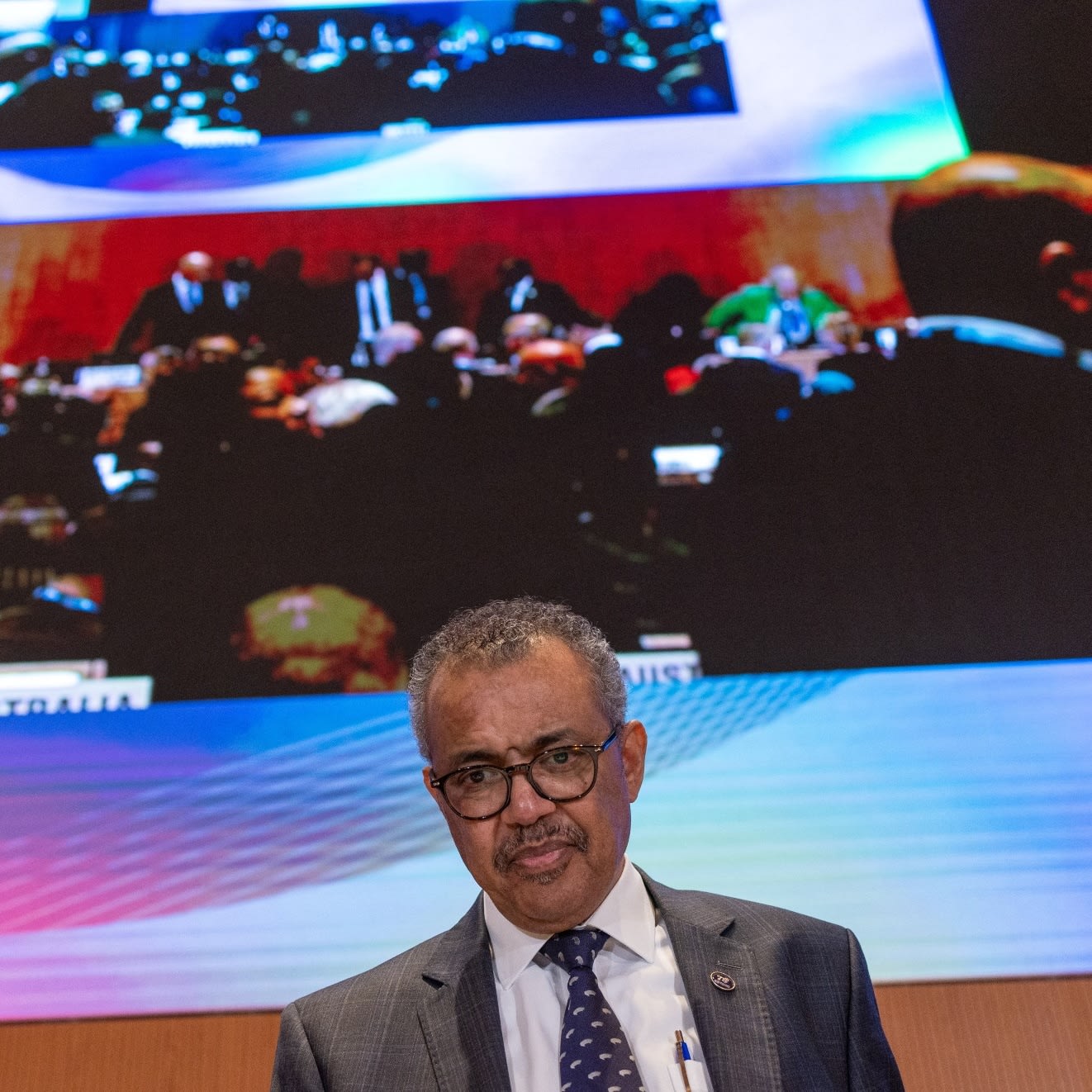
The World Health Assembly also kicked off this week. Ilona Kickbusch, founding director and chair of the advisory group of the Graduate Institute of International and Development Studies' Global Health Centre in Geneva, weighs in on a new proposed Global Threats Health Council. Although the council could fill gaps in accountability and financing, it could also add layers of unnecessary bureaucracy that would hinder a coherent and streamlined approach to pandemics.  


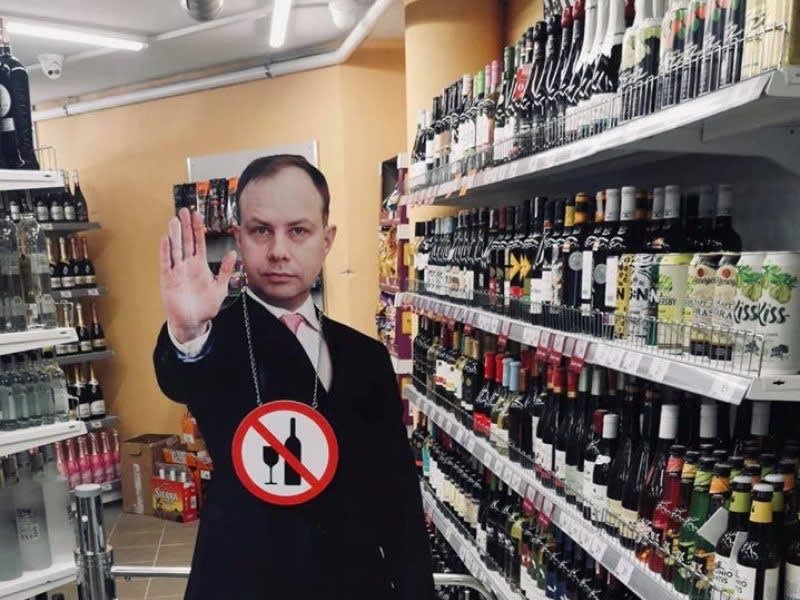
Continuing  a series  on the underappreciated and growing harm of alcohol to global health, we examine one of the few bright spots: Lithuania. Mindaugas Štelemėkas, professor at the Lithuanian University of Health Sciences and a specialist in alcohol policy, discusses the country's crusade to curb excess drinking, which stands out for its systematic, evidence-based policies. Lithuania saw a 2.8-liter reduction in per capita alcohol consumption between 2014 and 2019.   


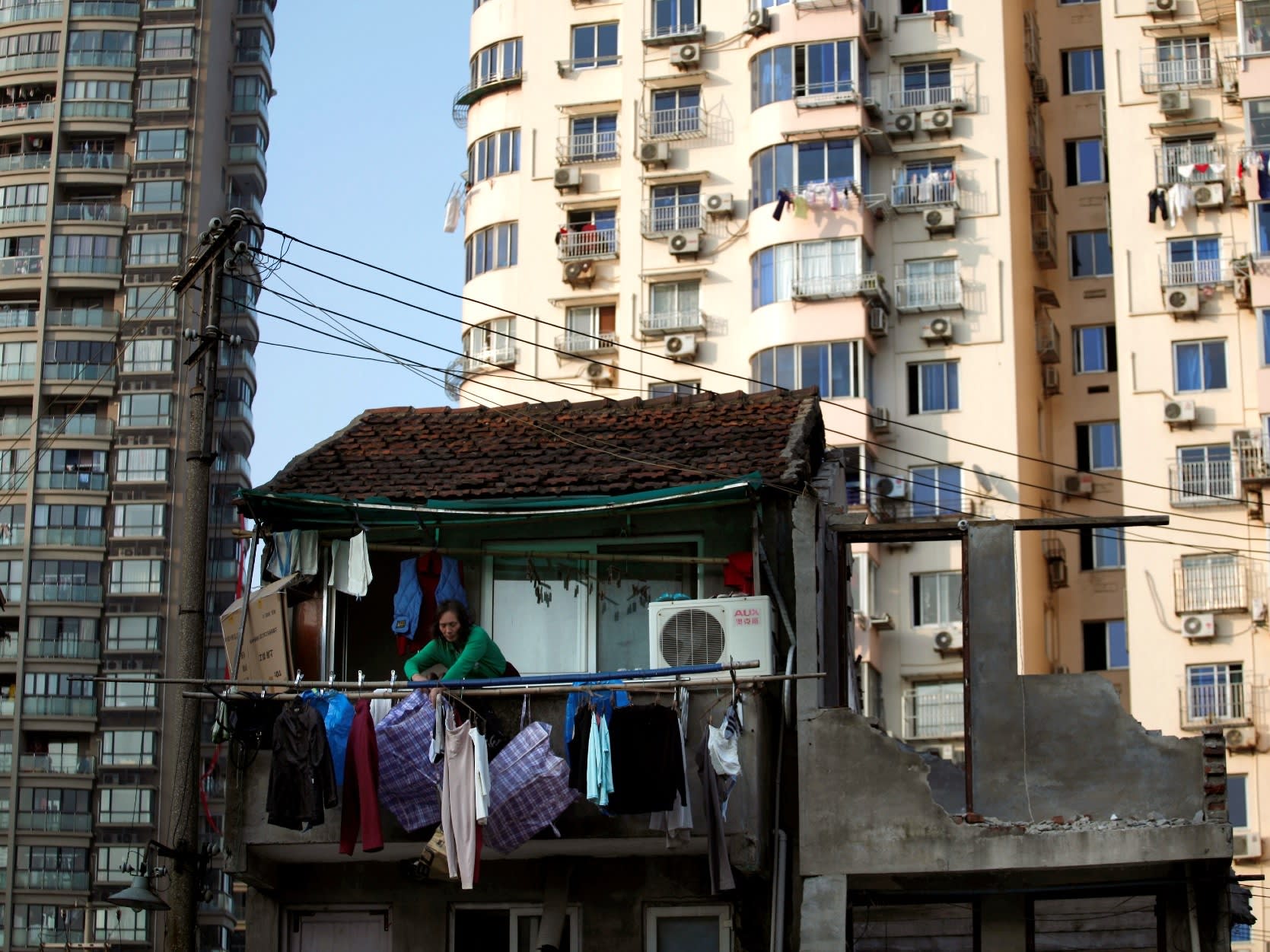
Our final piece, written by the authors of the new book  Pandemic Urbanism,  distills some of their argument that urban forms are crucial for effective pandemic response. They highlight the paradox of pandemic urbanism: urban life enables contagion to spread easily yet offers unique possibilities to contain and respond to disease outbreaks.  

As always, thank you for reading. —Thomas J. Bollyky, Editor.  
 

This Week's Highlights

GOVERNANCE

Image

The Past and Future of Health Cooperation in the Quad 

by Manjari Chatterjee Miller

A sustainable and inclusive foundation is essential for the group's longevity   

Read this story

GOVERNANCE

Image

The World Won't Be Safer With a Fragmented Global Health System   

by Ilona Kickbusch

How a proposed Global Health Threats Council will interact with the existing global health system remains unclear     

Read this story

GOVERNANCE

Image

Reducing Alcohol-Related Deaths in Lithuania   

by Ted Alcorn

How the country is cutting down on deaths related to excess drinking 

Read this story


Stat of the Week

2.8 Liters

From 2014 to 2019, per capita alcohol consumption in Lithuania fell by 2.8 liters

Read this story


Recommended Feature

URBANIZATION

Image

Pandemic Urbanism 

by S.Harris Ali, Creighton Connolly, and Roger Keil

Emerging infectious disease on a planet of cities    

Read this story


What We're Reading

Why Scientists Have a Hard Time Getting Money to Study the Root Causes of Outbreaks (Pro Publica)

A Dilemma for Dozens of Countries: Fund Your Schools and Hospitals or Pay Your Debt (NPR's Goats and Soda)

Money, Sex and Rumors: Tanzania Faces Challenges to Protect Girls From HPV (New York Times)


Interested in submitting?

Review our Submission Guidelines

Previous NewsletterBack to ArchiveNext Newsletter

Subscribe to Our Newsletter

Sign up for our weekly newsletter to stay up to date.

See Past Newsletters
About This SiteSubmission Guidelines

©2025 Council on Foreign Relations. All rights reserved. Privacy Policy and Terms of Use.