• Environment
  • Poverty
  • Trade
  • Governance
  • Food
  • Urbanization
  • Aging
  • Gender
  • Migration
  • Data Visualization
  • Recommendations
  • Research & Analysis
  • Series
  • Interviews
  • About This Site
  • Submission Guidelines

Newsletter

Think Global Health

  • Environment
  • Poverty
  • Trade
  • Governance
  • Food
  • Urbanization
  • Aging
  • Gender
  • Migration
  • Data Visualization
  • Recommendations
  • Research & Analysis
  • Series
  • Interviews
  • About This Site
  • Submission Guidelines

Newsletter

Think Global Health

PEPFAR's Critics, Climate Smart Medicine, Health Care at the RNC

July 26, 2024


Editors' Note

With the International AIDS Conference in full swing, Emily Bass returns this week to deliver the second installment in her series on how the President's Emergency Plan for AIDS Relief (PEPFAR) came under political fire. She explains how long-standing critiques of the program's structure and modus operandi have made PEPFAR vulnerable and why President Joe Biden's "position of praising PEPFAR's accomplishments on HIV without substantially leveraging its potential for fighting other pandemics" is no accident.  

Staying on the topic of AIDS, Unitaid's Vincent Bretin delivers the results of a new report that shows dolutegravir—the world's leading HIV drug—is 2.6 times less carbon intensive than the treatment it replaced. Its development can serve as a blueprint for climate-smart medicines. 

Journalist Jill Langlois then explains how—despite warnings—Brazil's devastating floods in April and May exposed a lack of disaster preparation at all levels of government. Without appropriate urban planning, those tragedies will become more common as climate change shifts weather patterns. 

Founder and Executive Director of Lunia Centre for Youths in Zimbabwe Tjedu Moyo continues the conversation on climate change by describing how women are disproportionately affected by extreme weather events that can result in unintended pregnancies, limit women's employment, and contribute to food insecurity.  

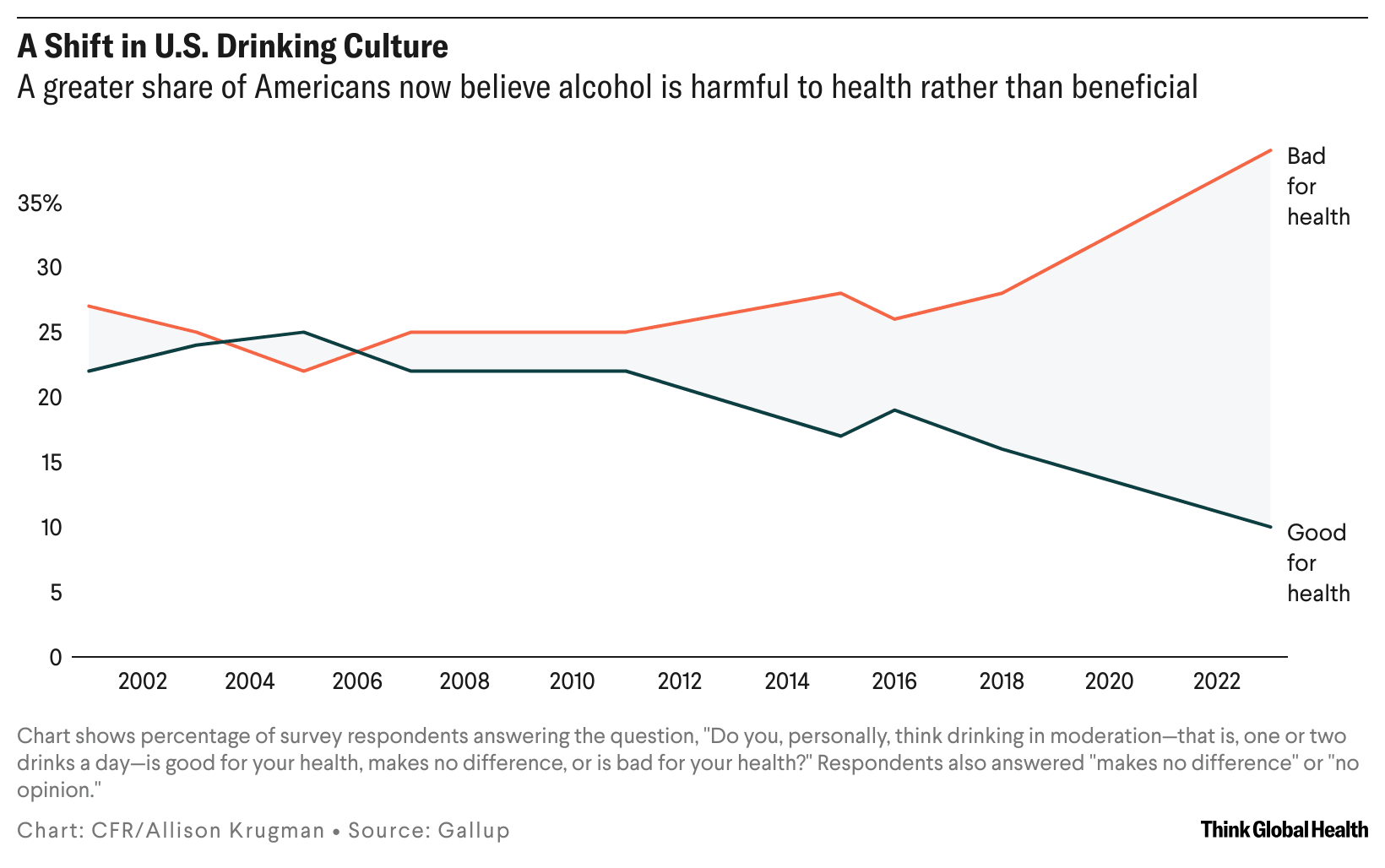
Next, as some industry representatives decry a "war on alcohol" driven by activist agendas, journalist Ted Alcorn reports on how greater consumer awareness of alcohol's health risks could be behind dwindling sales of beer, wine, and spirits.  

Rachael Dziaba and Jordan Schwartz from the Harvard Public Opinion Project close out the week with a roundup of the health-care discussions that took place, and the ones that didn't, at the Republican National Convention.  

Until next week!—Nsikan Akpan, Managing Editor, and Caroline Kantis, Associate Editor 
 

This Week's Highlights

GOVERNANCE 

Image

The PEPFAR Files: How Critics Put the HIV Program at Risk 

by Emily Bass 

Over the program's 21-year history, its lifesaving components were often critiqued or glossed over, hurting its survival 

Read this story

TRADE

Image

How a New HIV Medicine Reduced Carbon Emissions

by Vincent Bretin

The HIV medication dolutegravir is lowering the health sector's carbon footprint across several countries    

Read this story

ENVIRONMENT

Image

Brazil's Deadly Floods Expose Shortfalls in Disaster Preparedness 

by Jill Langlois

Brazil's failure to create and implement policies for climate-related disasters left the country unprepared 

Read this story


Figure of the Week

Read this story


Recommended Feature

ENVIRONMENT

Image

In Climate Fight, Focus on Women and Girls  

by Tjedu Moyo

Zimbabwe's Lunia Centre is tackling climate change's spillover effects on women and girls 

Read this story


More of the Latest

GOVERNANCE

Image

Where Health Surfaced at the Republican National Convention

by Rachael Dziaba and Jordan Schwartz 

The RNC projected a strategy on health matters that shied away from overtly supporting unpopular positions

Read this story


What We're Reading

Poliovirus Traces Detected in Gaza, Raising Fears of Outbreak (Bloomberg)

Harris, Once Biden's Voice on Abortion, Would Take an Outspoken Approach to Health (KFF Health News)

A Disease That Makes Children Age Rapidly Gets Closer to a Cure (New York Times)


Dengue Fever Is—Unfortunately—Having a Banner Year. Can It Be Quelled? (NPR's Goats and Soda)

Study Shows No Increase in Newborn Deaths With COVID-Related Social Distancing (Center for Infectious Disease Research & Policy)


Interested in submitting?

Review our Submission Guidelines

Previous NewsletterBack to ArchiveNext Newsletter

Subscribe to Our Newsletter

Sign up for our weekly newsletter to stay up to stay up to date.

See Past Newsletters
About This SiteSubmission Guidelines

©2025 Council on Foreign Relations. All rights reserved. Privacy Policy and Terms of Use.