• Environment
  • Poverty
  • Trade
  • Governance
  • Food
  • Urbanization
  • Aging
  • Gender
  • Migration
  • Data Visualization
  • Recommendations
  • Research & Analysis
  • Series
  • Interviews
  • About This Site
  • Submission Guidelines

Newsletter

Think Global Health

  • Environment
  • Poverty
  • Trade
  • Governance
  • Food
  • Urbanization
  • Aging
  • Gender
  • Migration
  • Data Visualization
  • Recommendations
  • Research & Analysis
  • Series
  • Interviews
  • About This Site
  • Submission Guidelines

Newsletter

Think Global Health

Health in the United States' Leftover Places

August 25, 2023


Editor's Note

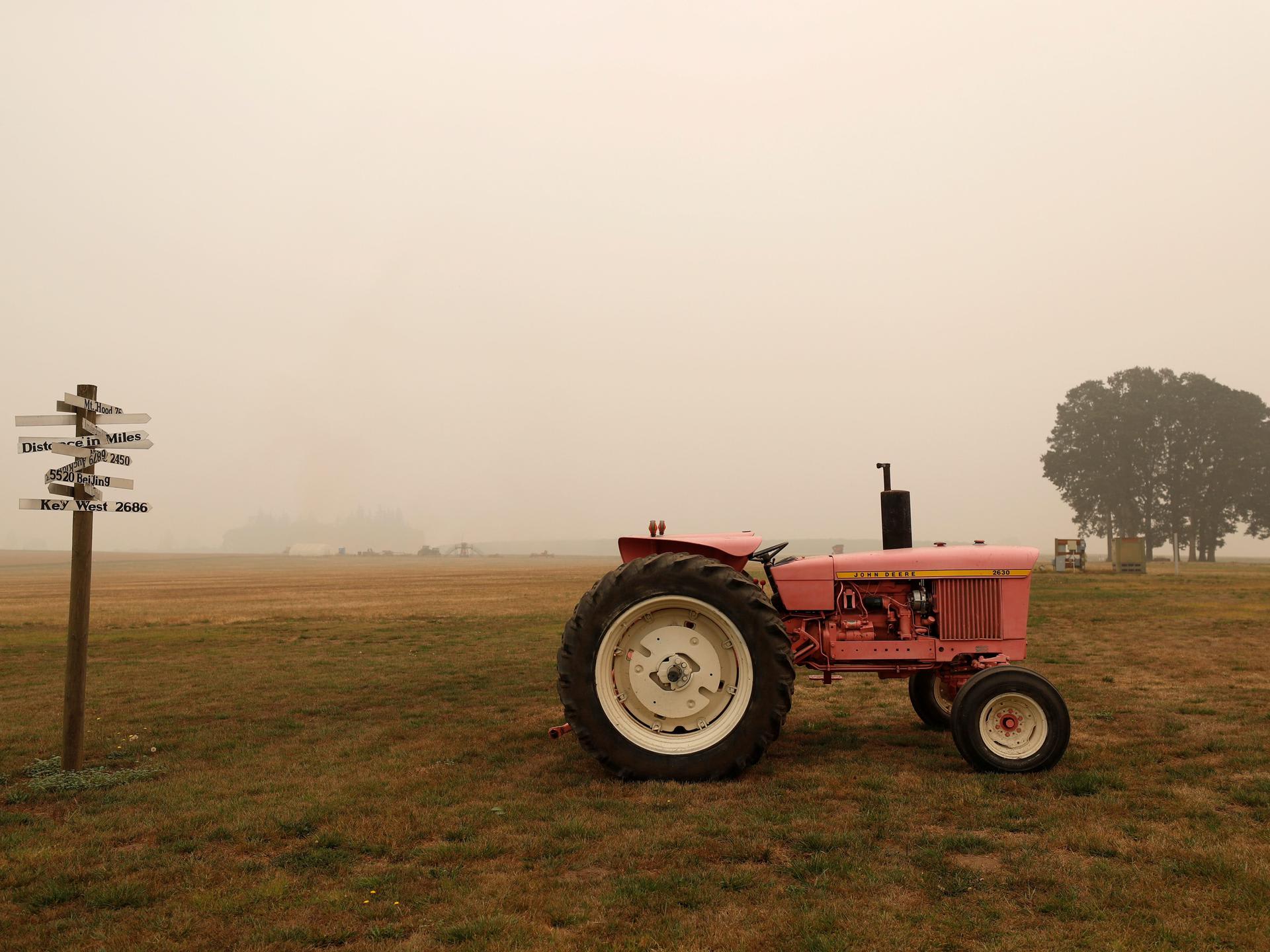
The rural United States is sometimes defined as the leftover places, the spaces on the map that exist between U.S. metropolitan areas. Parkes Kendrick of the University of Washington's Institute for Health Metrics and Evaluation starts our coverage this week with a fascinating examination of the staggering variation in health outcomes in those leftover places, especially among American Indian or Alaska Native populations. In particular, she digs deep into the example of Jefferson County, Oregon. 

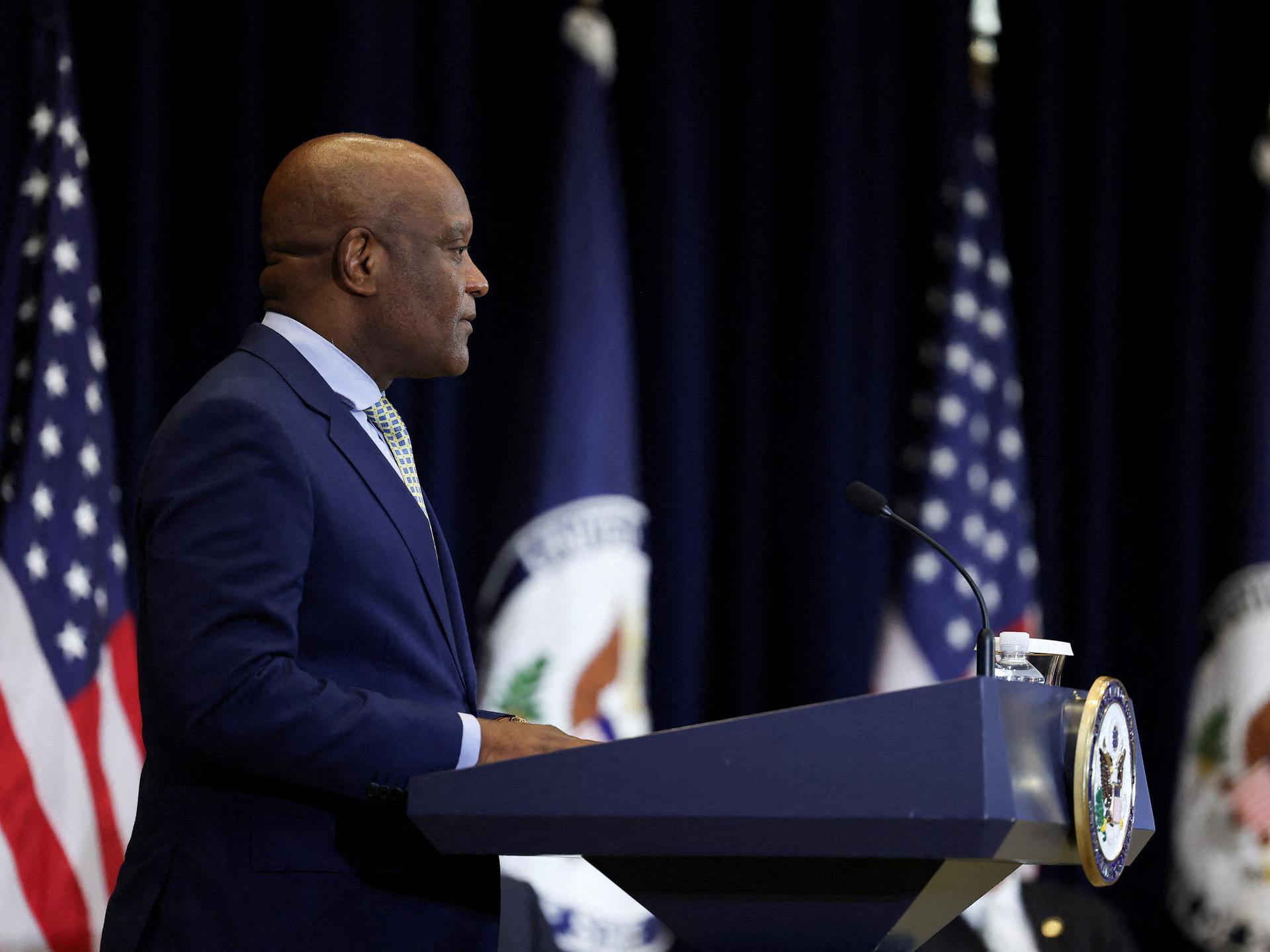
Next, we have a frank and wide-ranging interview with Ambassador-at-Large John Nkengasong on his role leading the newly established U.S. Bureau of Global Health Security and Diplomacy, the largest reorganization of U.S. global health programs in a generation. We drill down on the practical implications of the reorganization, early goals, and how daily life could change for the bureau's roughly 350-member staff. The ambassador also pushes back on criticisms of the Pandemic Fund and expresses his hopes for more collaboration with China.  

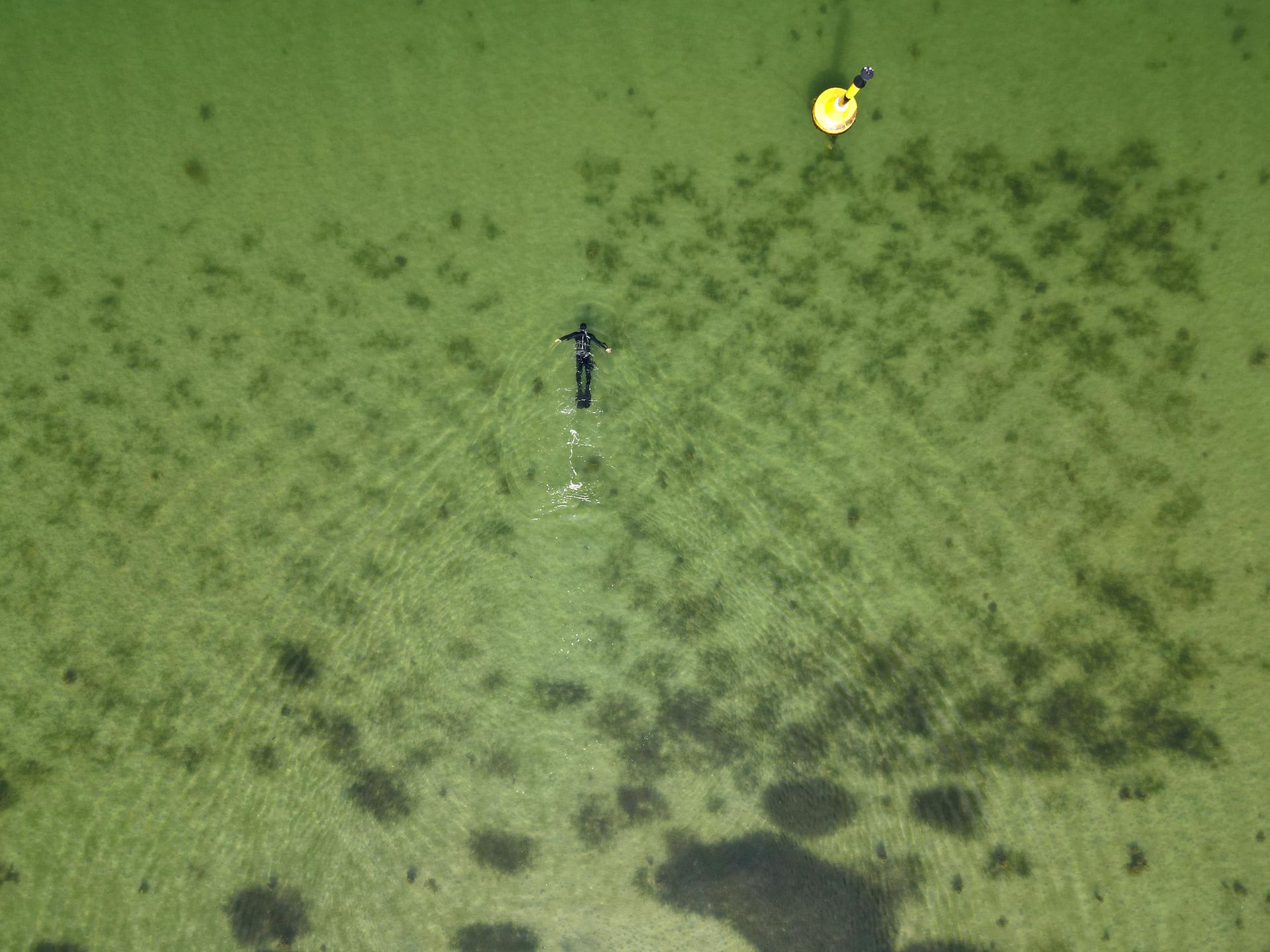
Summer is winding down and, needless to say, it has been a hot one. July 2023 marked the warmest month globally on record, with especially hot temperatures in parts of South America, North Africa, North America, and the Antarctic Peninsula. The evidence of the health consequences of that extreme heat abounds, including the smoke-related harms of wildfires, near-record cases of dengue in the Americas, and locally acquired malaria cases in Washington, DC. David P. Fidler closes out our week with a review of the diplomatic efforts in the lead-up to the twenty-eighth Conference of the Parties and the prospects for action. 

As always, thank you for reading.—Thomas J. Bollyky, Editor 
 

This Week's Highlights

GOVERNANCE

Image

Examining the Diversity of the Rural United States 

by Parkes Kendrick

How rural health varies by racial and ethnic population  

Read this story


Stat of the Week

16 Percent

The median income in Jefferson County, Oregon, is $60,000 per year, but 16 percent of the population still lives under the poverty line

Read this story


Recommended Feature

GOVERNANCE

Image

Inside the New Bureau of Global Health Security and Diplomacy 

by Ted Alcorn

An interview with John Nkengasong  

Read this story


More of the Latest

ENVIRONMENT

Image

Amid Global Boiling, the Foreign Policy Response Remains Lacking

by David P. Fidler

Record heat clarifies the severity of the foreign policy problems climate mitigation and adaptation pose

Read this story


What We're Reading

Flesh-Eating Bacteria at the Beach? What You Need to Know. (New York Times)

Setbacks in the Quest for Universal Health Coverage in Mexico (National Institutes of Health)

Maryland Reports First Locally Acquired Malaria Infection in 40 Years (Washington Post)


Interested in submitting?

Review our Submission Guidelines

Previous NewsletterBack to ArchiveNext Newsletter

Subscribe to Our Newsletter

Sign up for our weekly newsletter to stay up to stay up to date.

See Past Newsletters
About This SiteSubmission Guidelines

©2025 Council on Foreign Relations. All rights reserved. Privacy Policy and Terms of Use.