• Environment
  • Poverty
  • Trade
  • Governance
  • Food
  • Urbanization
  • Aging
  • Gender
  • Migration
  • Data Visualization
  • Recommendations
  • Research & Analysis
  • Series
  • Interviews
  • About This Site
  • Submission Guidelines

Newsletter

Think Global Health

  • Environment
  • Poverty
  • Trade
  • Governance
  • Food
  • Urbanization
  • Aging
  • Gender
  • Migration
  • Data Visualization
  • Recommendations
  • Research & Analysis
  • Series
  • Interviews
  • About This Site
  • Submission Guidelines

Newsletter

Think Global Health

The Polarized Pandemic, Avian Flu in Cambodia, and India's Invisible Chains

March 17, 2023


Editor's Note

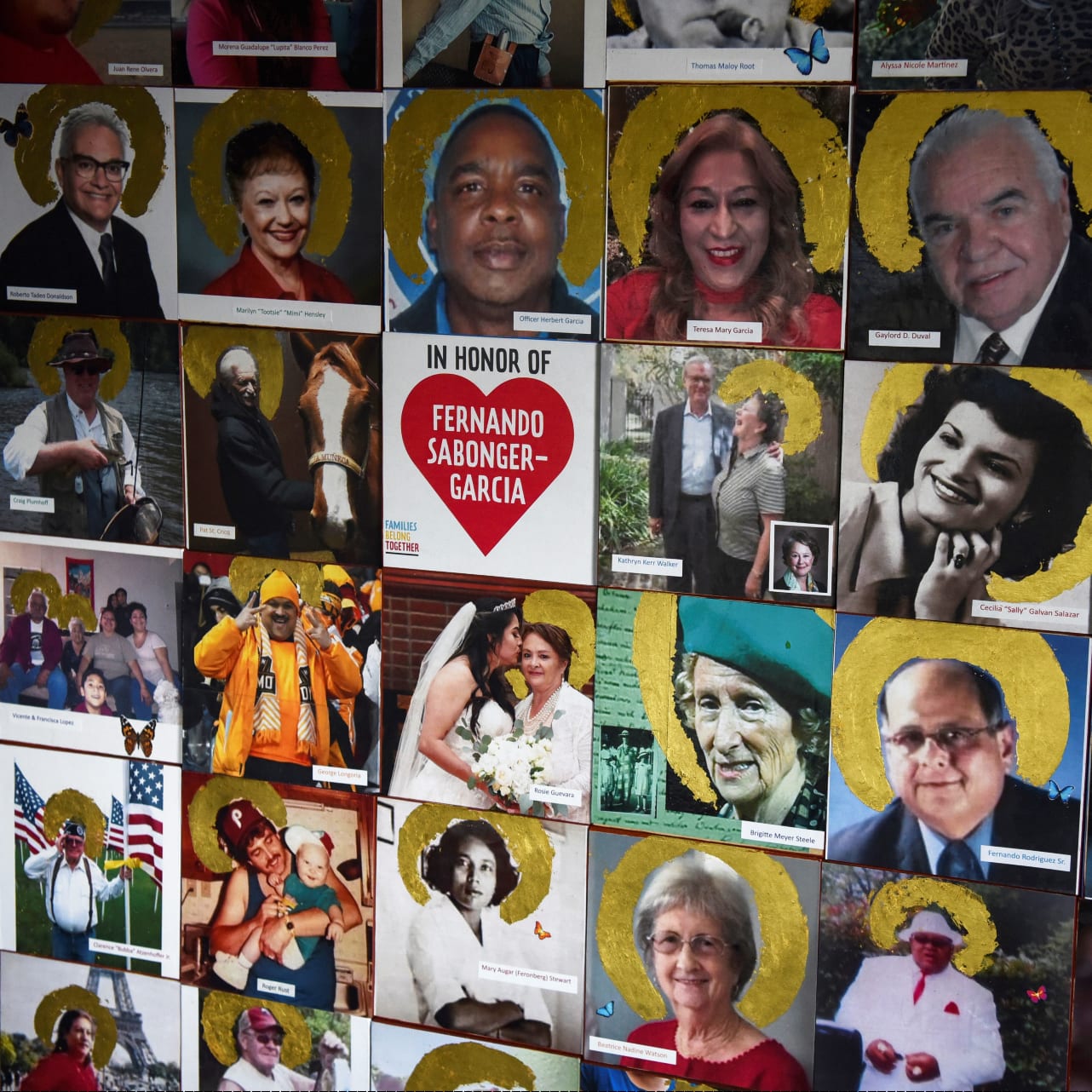
Alfred Crosby famously described the great influenza pandemic of 1918 to 1919 as "America's forgotten pandemic"—an event that had few, if any, lasting consequences for the life of the nation. In our first article this week,  David P. Fidler considers how COVID-19 will be best remembered, suggesting it will be for the divisive shadow the crisis cast on U.S. public health, domestic politics, and foreign policy.   


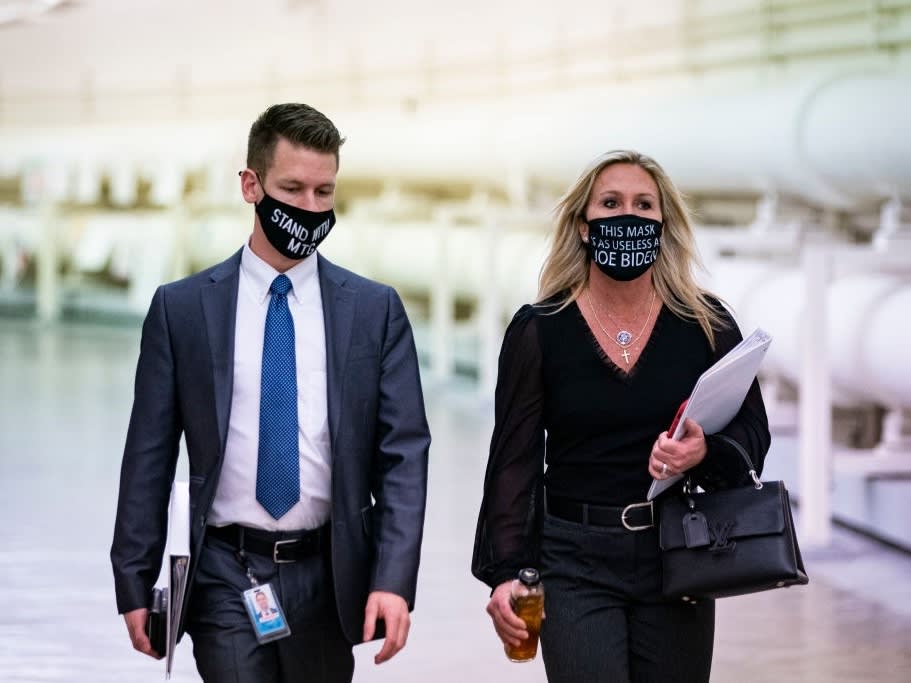
Our next set of authors from the Institute for Health Metrics and Evaluation and the Council on Foreign Relations also reflects on COVID-19's repercussions, examining the latest data on the U.S. response to the worst public health disaster of the century.  They note that the United States remains an outlier relative to its high-income country peers, in that its performance has not changed much despite the arrival of effective vaccines, an ample supply of doses, and a new president.  


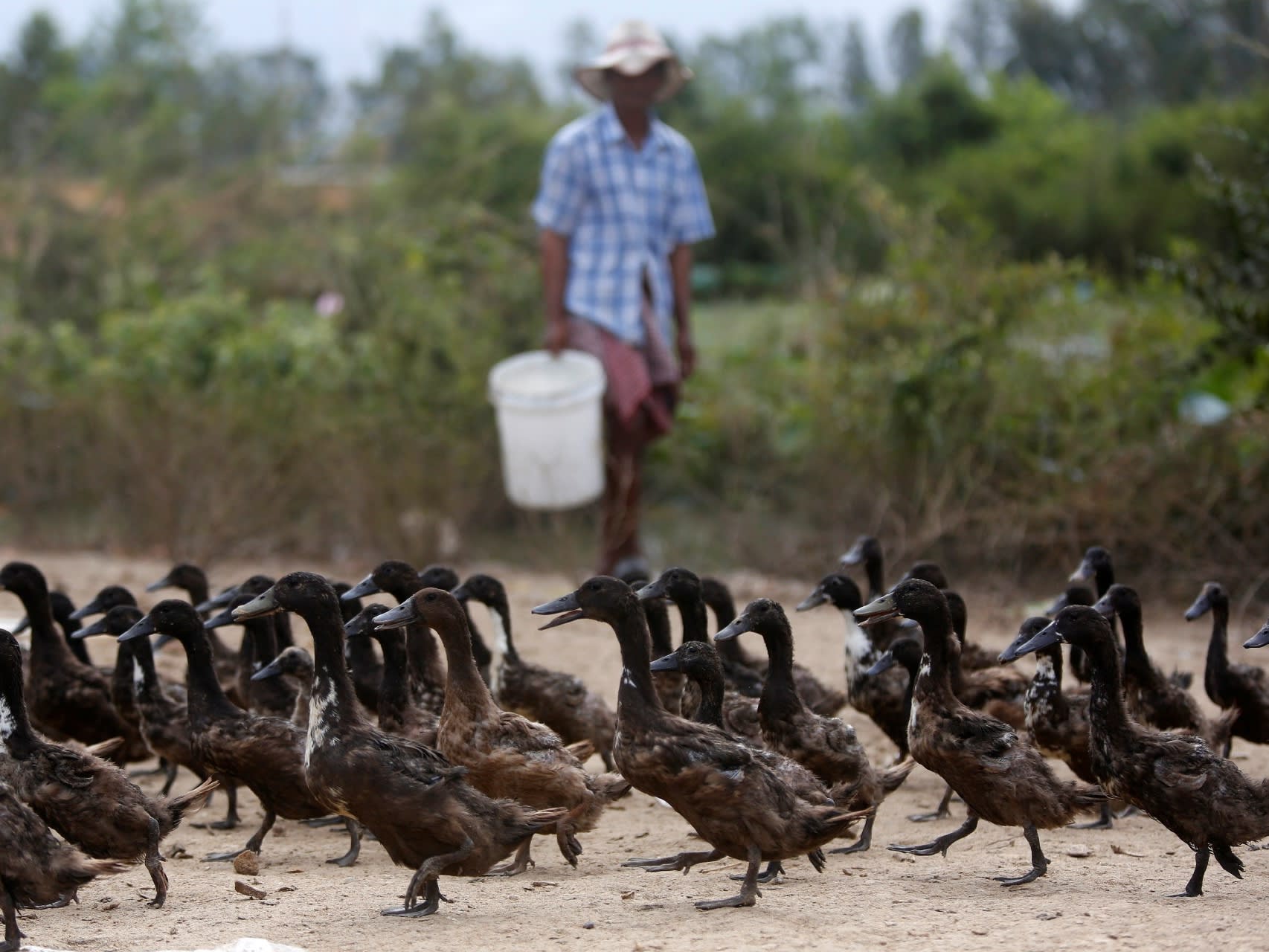
Next, Rick A. Bright, former director of the Biomedical Advanced Research and Development Authority, lauds Cambodia's response to its recent avian flu (H5N1) outbreak. He examines the factors that enabled Institute Pasteur Cambodia's ability to share its findings within twenty-four hours of collecting the first clinical specimen, isolate the exposed people, and collaborate with regional, national, and global bodies to create an effective public health emergency response. Bright says Cambodia is a model that other countries should emulate.   


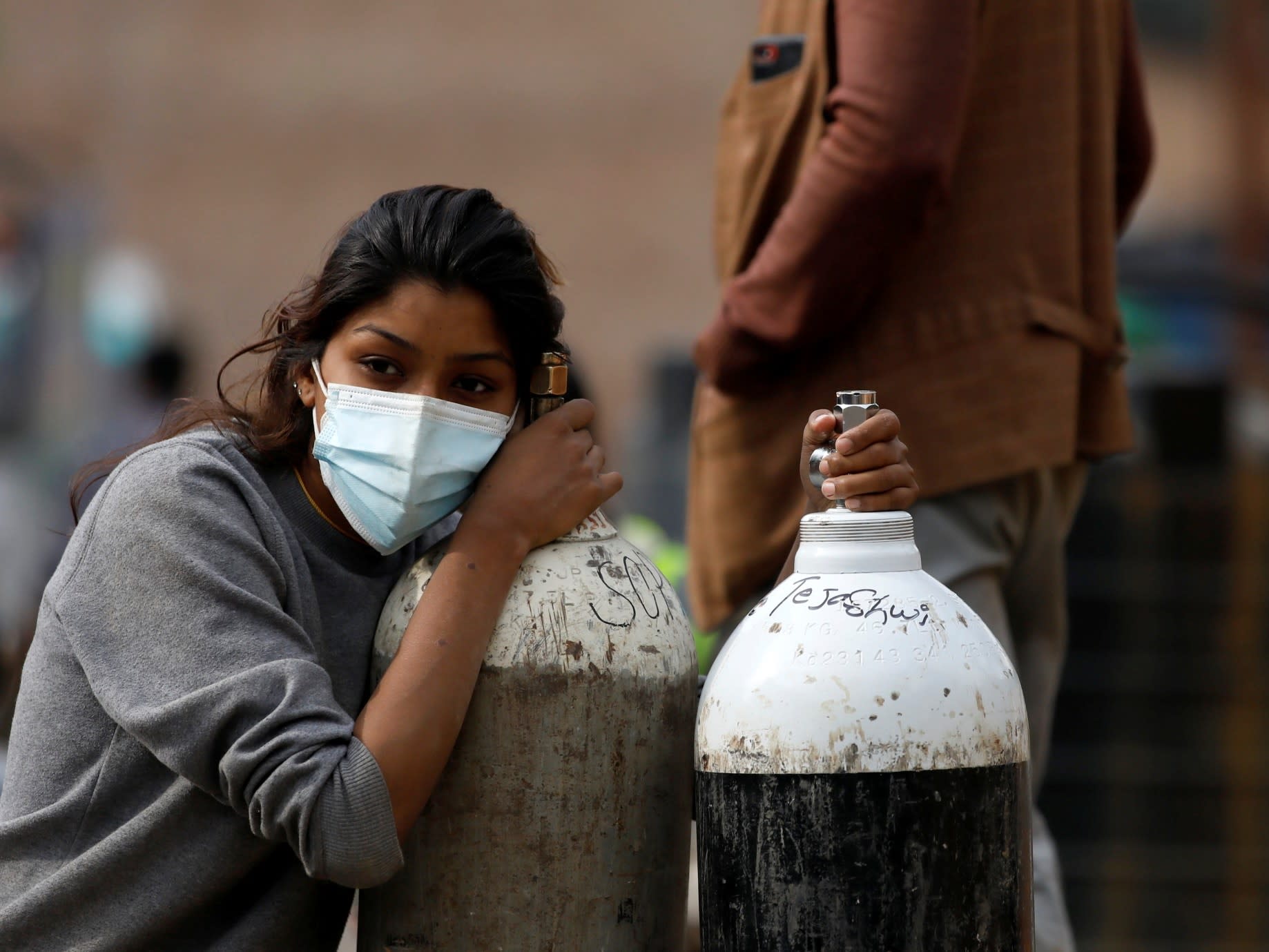
Closing out the week, our final piece discusses the disproportionate burden caregiving imposes on women in India. The author, a woman doctor from India, explains that many women in the country fall into their roles as caregivers due to archaic cultural norms and that they do not always recognize the right to their own interests beyond the cultural obligations to their families.  To remedy this situation, she suggests doctors and nurses should help men embrace caregiving duties and provide financial and emotional support to woman caregivers.  


As always, thank you for reading.—Thomas J. Bollyky, Editor 
 

This Week's Highlights

GOVERNANCE

Image

The Polarized Pandemic 

by David P. Fidler

COVID-19 has contributed to the fragmentation of domestic and international politics     

Read this story

GOVERNANCE

Image

On COVID-19, the United States Still Lags Behind Peer Countries  

by Christopher Troeger, Katherine Leach-Kemon, and Thomas J. Bollyky

The United States continues to have among the world's highest rates of mortality from COVID-19 

Read this story

GOVERNANCE

Image

Avian Flu in Cambodia  

by Rick A. Bright

Human cases of avian influenza in Cambodia highlight the importance of global surveillance and collaboration  

Read this story


Stat of the Week

66 Percent

Since 2003, fifty-eight cases of human infection and thirty-eight deaths from H5N1 have been documented, a fatality rate of 66 percent.

Read this story


Recommended Feature

GENDER

Image

India's Invisible Chains 

by Christianez Ratna Kiruba

In India, women shoulder a disproportionate share of the caregiving burden  

Read this story


What We're Reading

African Countries Made Huge Gains in Life Expectancy. Now That Could Be Erased. (New York Times)

Rise in Infant Deaths Hits Black Families Hardest, Study Finds (Washington Post)

Global Health Funding in the FY 2024 President's Budget Request (Kaiser Family Foundation)

The Brilliant Inventor Who Made Two of History's Biggest Mistakes (New York Times Magazine)

Yasheng Huang on the Development of the Chinese State (Conversations With Tyler)


Interested in submitting?

Review our Submission Guidelines

Previous NewsletterBack to ArchiveNext Newsletter

Subscribe to Our Newsletter

Sign up for our weekly newsletter to stay up to stay up to date.

See Past Newsletters
About This SiteSubmission Guidelines

©2025 Council on Foreign Relations. All rights reserved. Privacy Policy and Terms of Use.