• Environment
  • Poverty
  • Trade
  • Governance
  • Food
  • Urbanization
  • Aging
  • Gender
  • Migration
  • Data Visualization
  • Recommendations
  • Research & Analysis
  • Series
  • Interviews
  • About This Site
  • Submission Guidelines

Newsletter

Think Global Health

  • Environment
  • Poverty
  • Trade
  • Governance
  • Food
  • Urbanization
  • Aging
  • Gender
  • Migration
  • Data Visualization
  • Recommendations
  • Research & Analysis
  • Series
  • Interviews
  • About This Site
  • Submission Guidelines

Newsletter

Think Global Health

Russia's Foreign Policy on Global Health and South Korea's Declining Birth Rate

September 6, 2024


Editors' Note

On Wednesday, news broke that the Joe Biden administration would impose U.S. sanctions on Russia for its efforts to influence the 2024 presidential election. Similar sanctions, the COVID-19 pandemic, and the war in Ukraine prompted Russia to release a new Foreign Policy Concept in 2023.

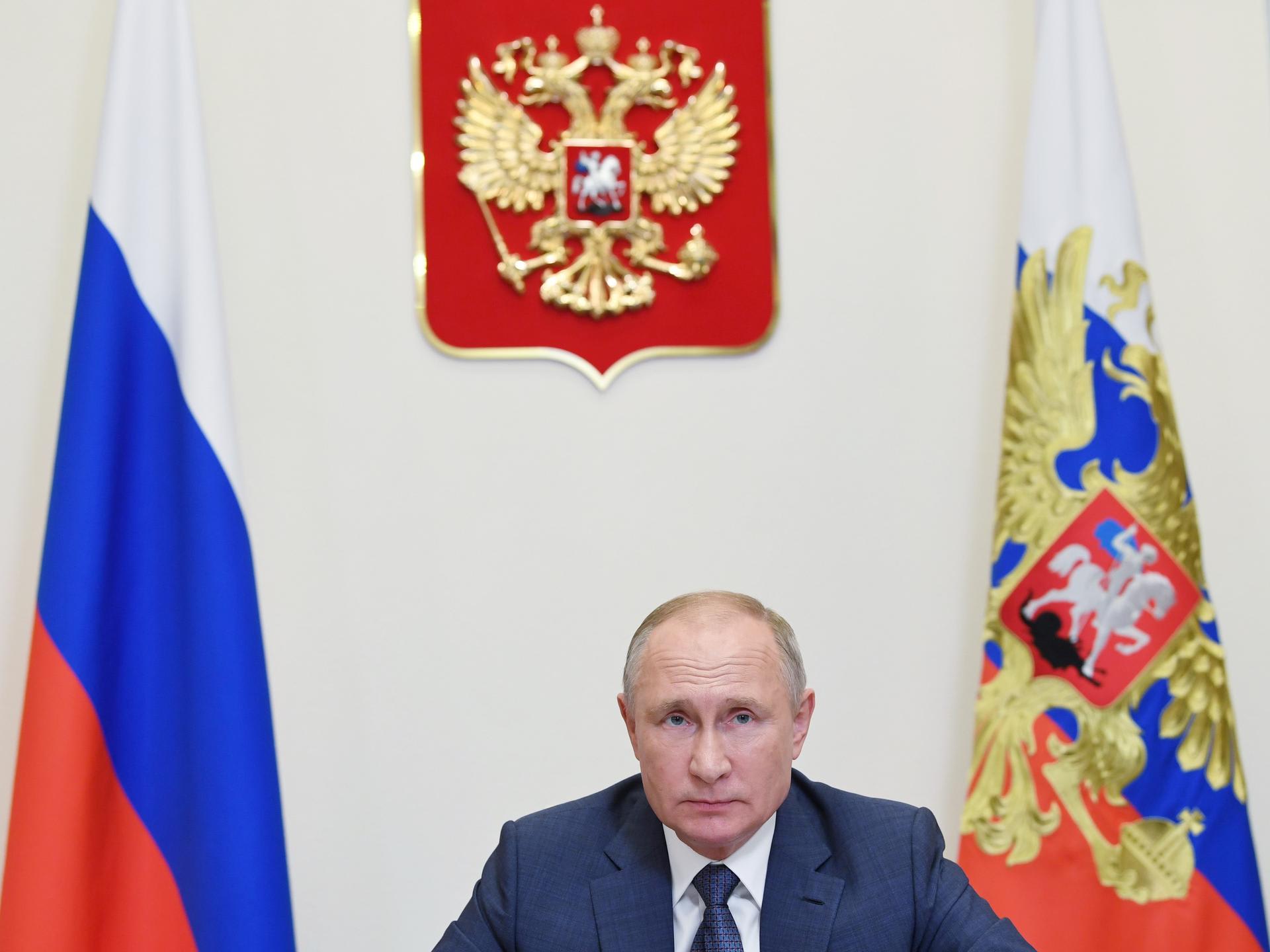
This week, the Wilson Center's Nataliya Shok leads a miniseries about how Russian health engagement—combined with political, economic, and military initiatives—supports a broader foreign policy strategy of elevating Russian power in an international system not dominated by the United States. 

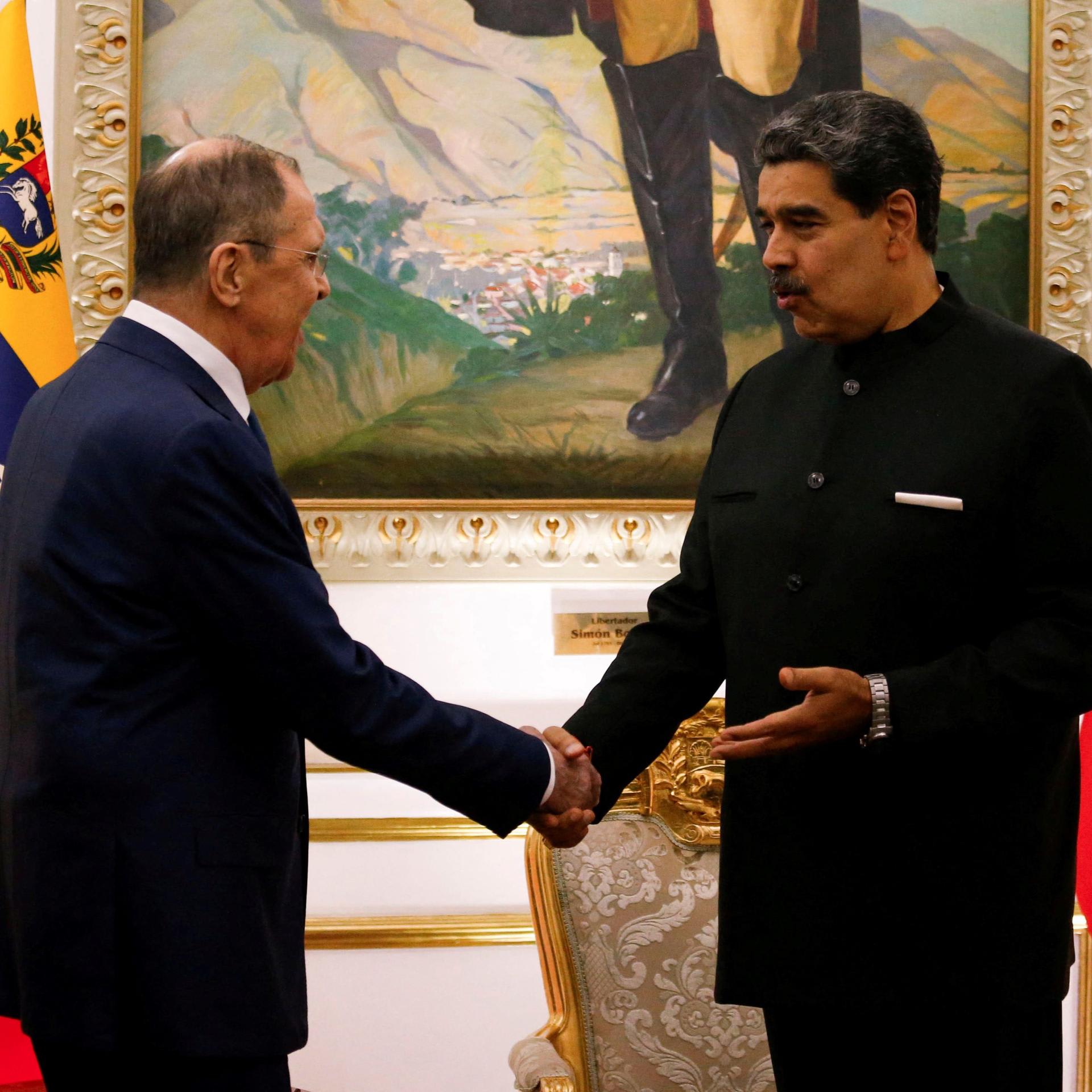
Next, Julio S. Castro Méndez and Victoria E. Castro Trujillo from the National Hospital Survey in Venezuela explore how Russia's cooperation with the Latin American country—on access to insulin and tropical disease surveillance—has done little to improve health outcomes but has drawn President Nicolás Maduro and his government closer to the Kremlin.  

A third piece by the Makerere University School of Public Health's Aloysius Ssennyonjo and Eric Ssegujja addresses how the pandemic provided new avenues for Russia to raise the importance of health in Uganda. The move supports African efforts to exercise the right of self-determination and strengthen national sovereignty while increasing Russia's presence and influence on the continent. 

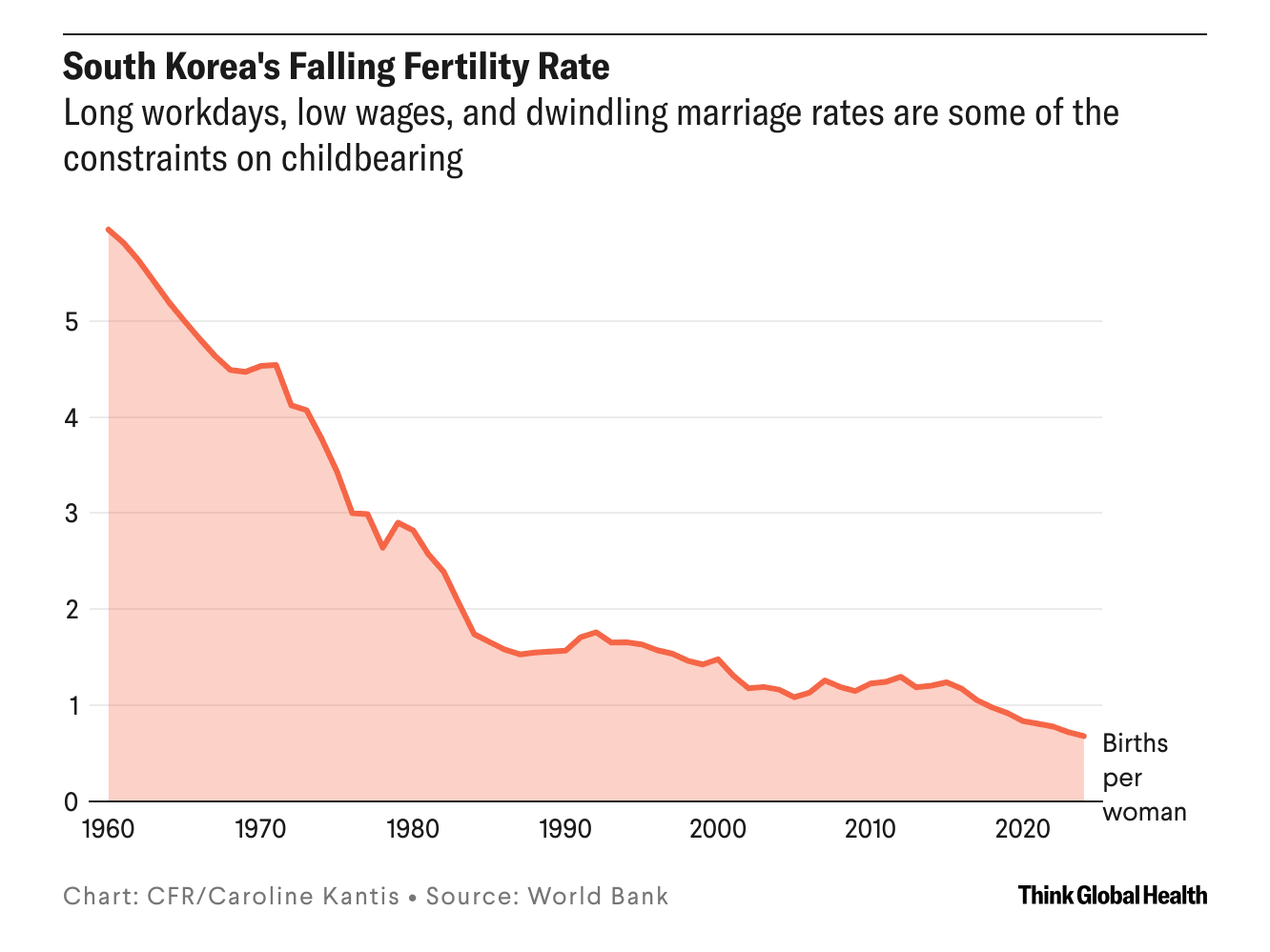
Switching gears, journalist Susan Kreimer analyses the causes of South Korea's falling birth rate and the pronatalist policies that could help reverse that trend.  

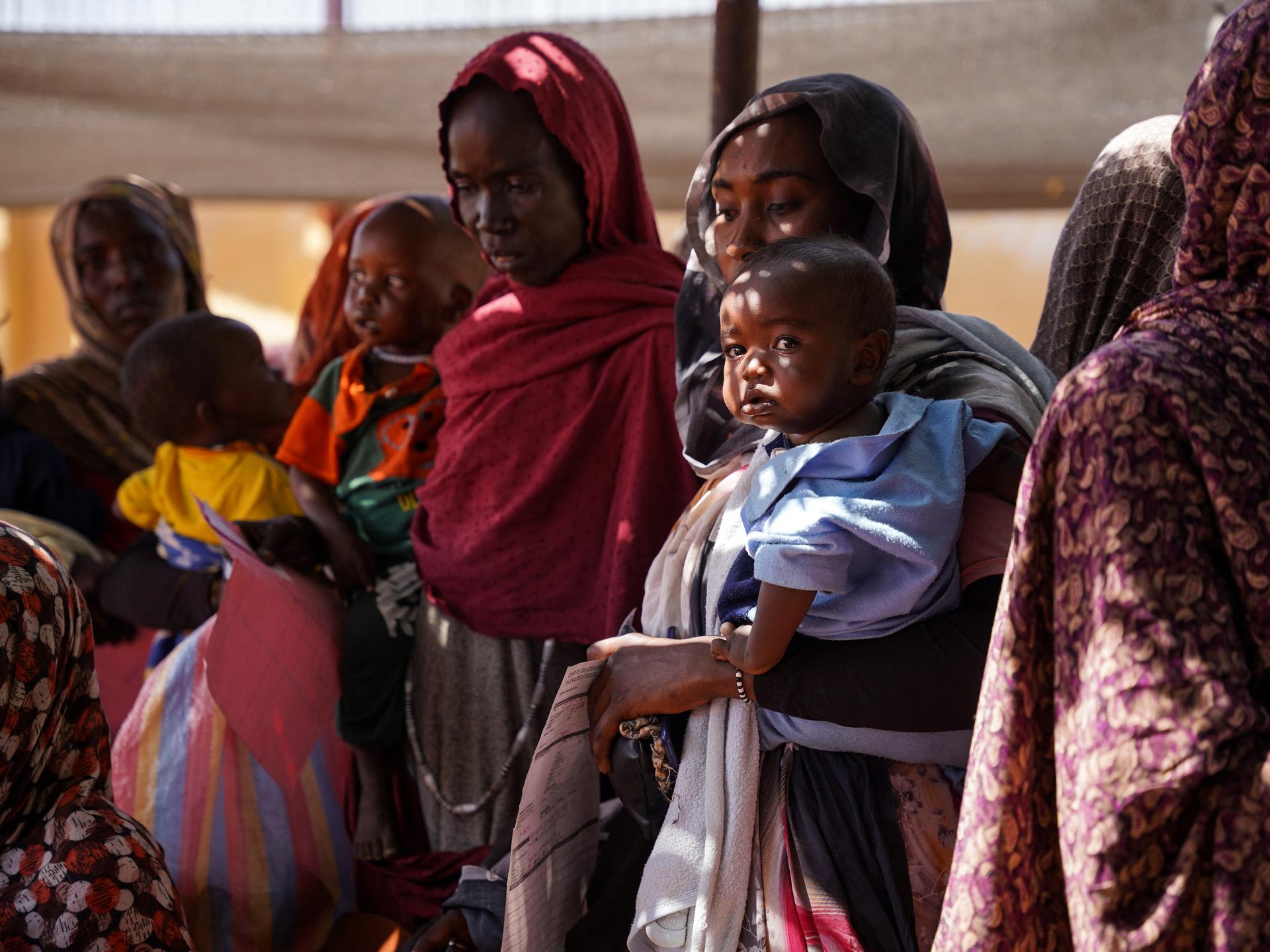
To wrap up the issue, CFR's Mariel Ferragamo explains how scorching temperatures across Africa, made worse by climate change, imperil women and girls.  

Until next week!—Nsikan Akpan, Managing Editor, and Caroline Kantis, Associate Editor 
 

This Week's Highlights

GOVERNANCE 

Image

A New Era for Russian Foreign Policy on Global Health 

by Nataliya Shok

Russia has altered its approach to global health amid the war in Ukraine and geopolitical rivalry with the West 

Read this story

GOVERNANCE

Image

Russia's Growing Footprint on the African Health Landscape 

by Aloysius Ssennyonjo and Eric Ssegujja

Health cooperation with Uganda highlights Africa's role in Russian foreign policy and Ugandan motives in a changed world  

Read this story

GOVERNANCE

Image

Russian Cooperation With Venezuela Integrates Health 

by Julio S. Castro Méndez and Victoria E. Castro Trujillo  

Russian-Venezuelan relations now involve the health sector, a bid to expand Moscow's influence in Latin America 

Read this story


Figure of the Week

Read this story


Recommended Feature

GENDER

Image

Extreme Heat Taxes Africa's Women and Reproduction

by Mariel Ferragamo

Many women in Africa have little or no protection against extreme heat events in their day-to-day lives

Read this story


What We're Reading

Mpox Vaccine to Be Offered to Health-Care Workers at Highest Risk and Close Contacts of Confirmed Cases (Channel News Asia)

What Is the Plan to Give Polio Vaccines to Children in Gaza? (BBC) 

Twenty-One Cases of Little-Known Oropouche Virus Detected in the United States (STAT)

CDC Slightly Increases Risk Bird Flu Could Cause a Pandemic in Latest Assessment (STAT)


Whatever Happened to . . . the Doctors Who Stand by Their Patients in Gang-Ridden Haiti? (NPR's Goats and Soda)

Rethinking Addiction as a Chronic Brain Disease (New York Times)


Interested in submitting?

Review our Submission Guidelines

Previous NewsletterBack to ArchiveNext Newsletter

Subscribe to Our Newsletter

Sign up for our weekly newsletter to stay up to stay up to date.

See Past Newsletters
About This SiteSubmission Guidelines

©2025 Council on Foreign Relations. All rights reserved. Privacy Policy and Terms of Use.