• Environment
  • Poverty
  • Trade
  • Governance
  • Food
  • Urbanization
  • Aging
  • Gender
  • Migration
  • Data Visualization
  • Recommendations
  • Research & Analysis
  • Series
  • Interviews
  • About This Site
  • Submission Guidelines

Newsletter

Think Global Health

  • Environment
  • Poverty
  • Trade
  • Governance
  • Food
  • Urbanization
  • Aging
  • Gender
  • Migration
  • Data Visualization
  • Recommendations
  • Research & Analysis
  • Series
  • Interviews
  • About This Site
  • Submission Guidelines

Newsletter

Think Global Health

The Future of Vaccine Equity and India's Global Health Leadership

March 1, 2024


Editors' Note

Had COVID-19 vaccines been more equally distributed, an estimated 1.3 million people could have been alive today. That's the leading takeaway from a Think Global Health miniseries about the future of vaccine manufacturing—guest edited this week by award-winning journalist and former CFR press fellow Amy Maxmen.  

For the series' first installment, Maxmen describes how the mRNA technology transfer hub of the World Health Organization (WHO) could allow emerging economies to "protect their populations from pathogenic threats during pandemics and beyond."

Rick Bright, CEO of Bright Global Health, continues that discussion by analyzing how the WHO's Global Action Plan for Influenza Vaccines boosted Vietnam's capacity to make influenza vaccines locally during the 2005 outbreak of H5N1 avian influenza. Though the plan ended in 2016, it was a success the mRNA technology transfer hub could strive to emulate. 

The series rounds off with Prashant Yadav, academic director of the INSEAD Africa Initiative. He sketches the history behind India's rise as a global vaccine manufacturer, noting the crucial steps after the country gained independence in 1947 that motivated domestic drug manufacturing and ultimately reduced pharmaceutical costs.   

Keeping the focus on India, Animesh Roul, executive director of the Society for the Study of Peace and Conflict in New Delhi, provides our recommended feature of the week. He explains how the country's Hindu philosophy of Vasudhaiva Kutumbakam (the world as one family) is setting up India to become a global health leader.  

Until next week!—Nsikan Akpan, Managing Editor, and Caroline Kantis, Associate Editor 
 

This Week's Highlights

GOVERNANCE

Image

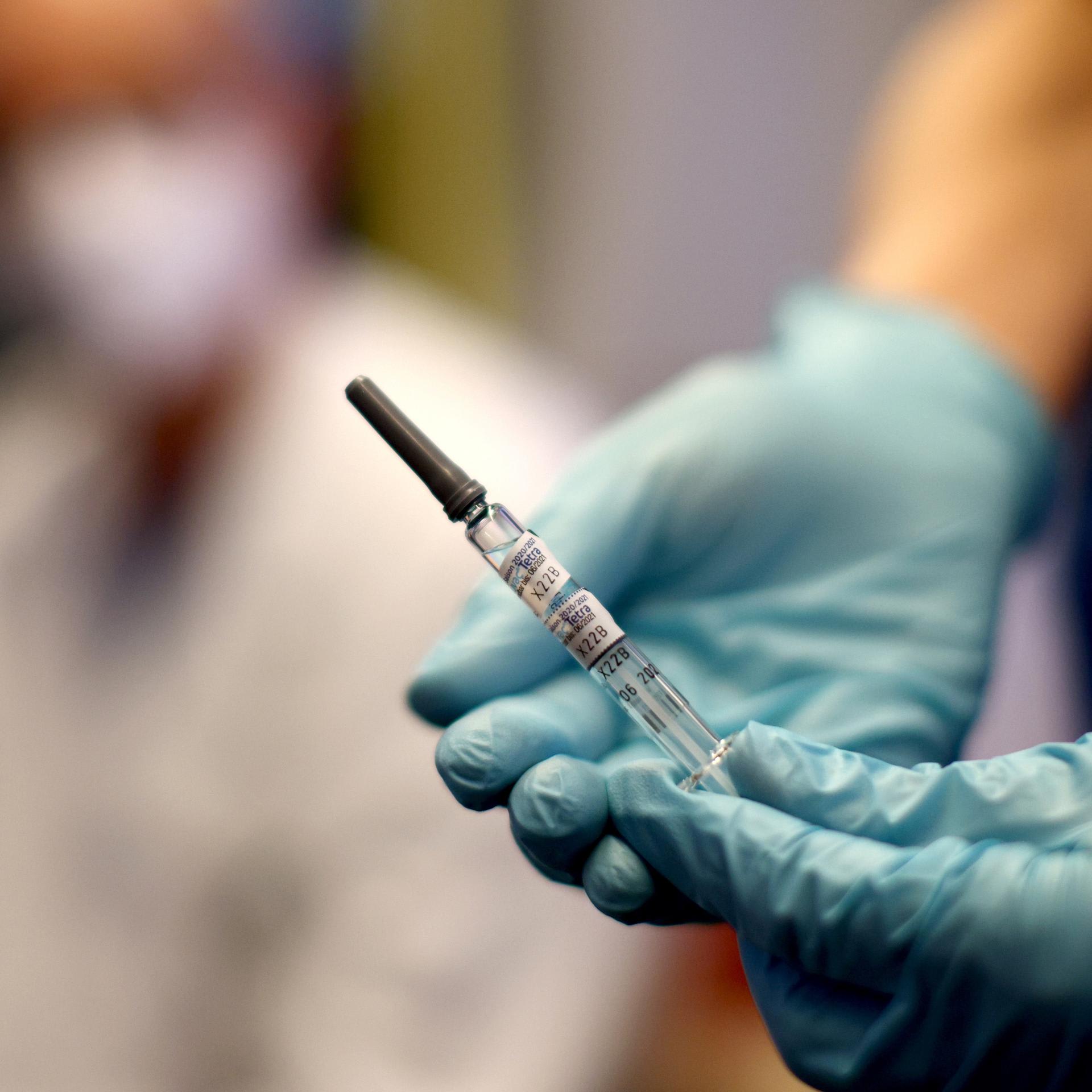
The WHO's Push for Global mRNA Vaccine Access  

by Amy Maxmen

The WHO works to realize its vision before the next global health crisis 
  

Read this story

GOVERNANCE

Image

Efforts Against Flu Show Developing Nations Can Make Vaccines  

by Rick A. Bright

The WHO's global plan for influenza vaccines blazed a trail for more vaccine production in low- and middle-income countries  

Read this story

TRADE

Image

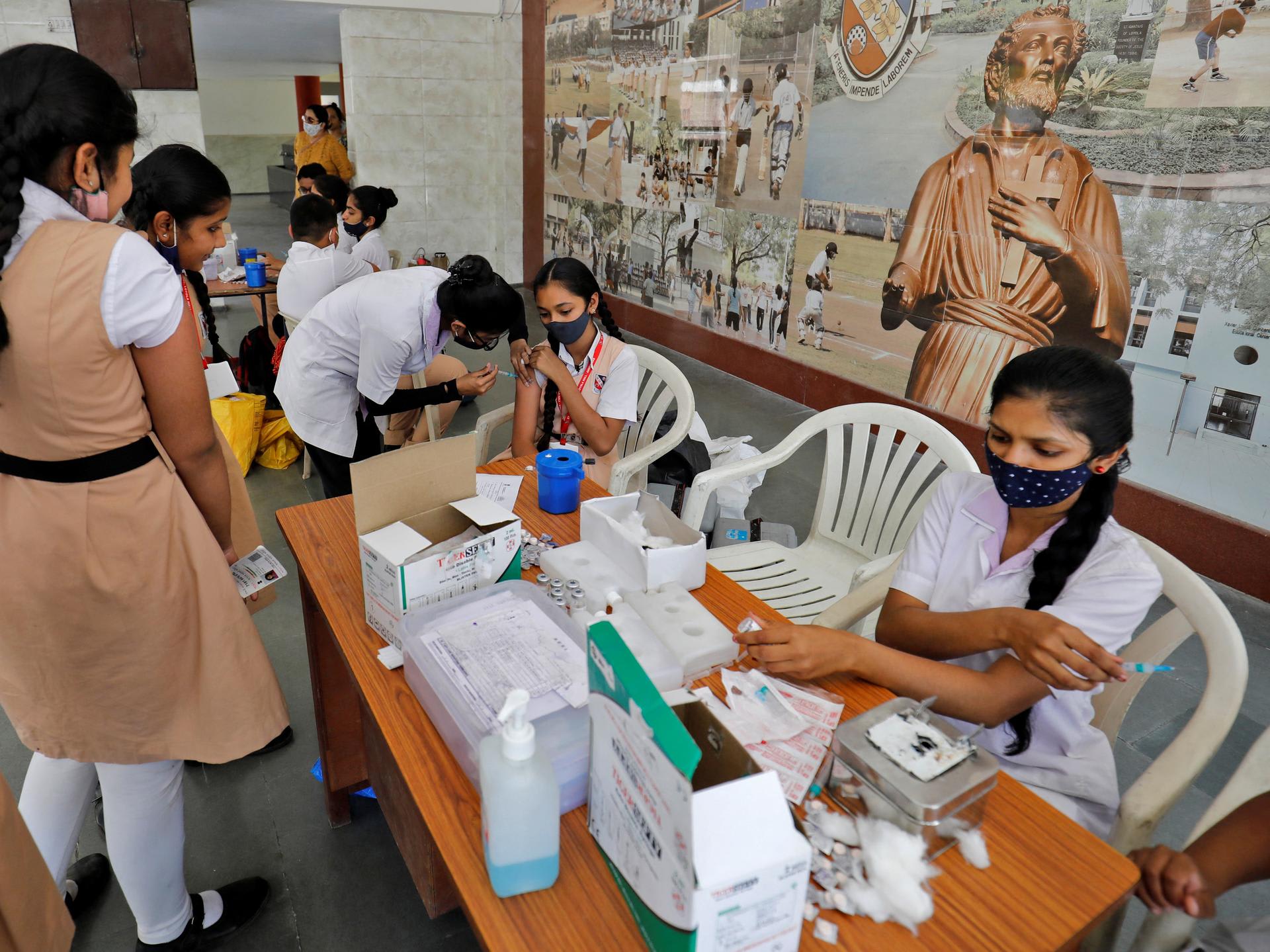
Insights From India on Expanding Global Vaccine Production 

by Prashant Yadav

The Indian pharmaceutical industry offers lessons for building vaccine-production capacity in developing countries  

Read this story


Stat of the Week

2%

Less than 2% of the world's influenza vaccine supply would reach low- and middle-income countries quickly during a crisis

Read this story


Recommended Feature

POVERTY

Image

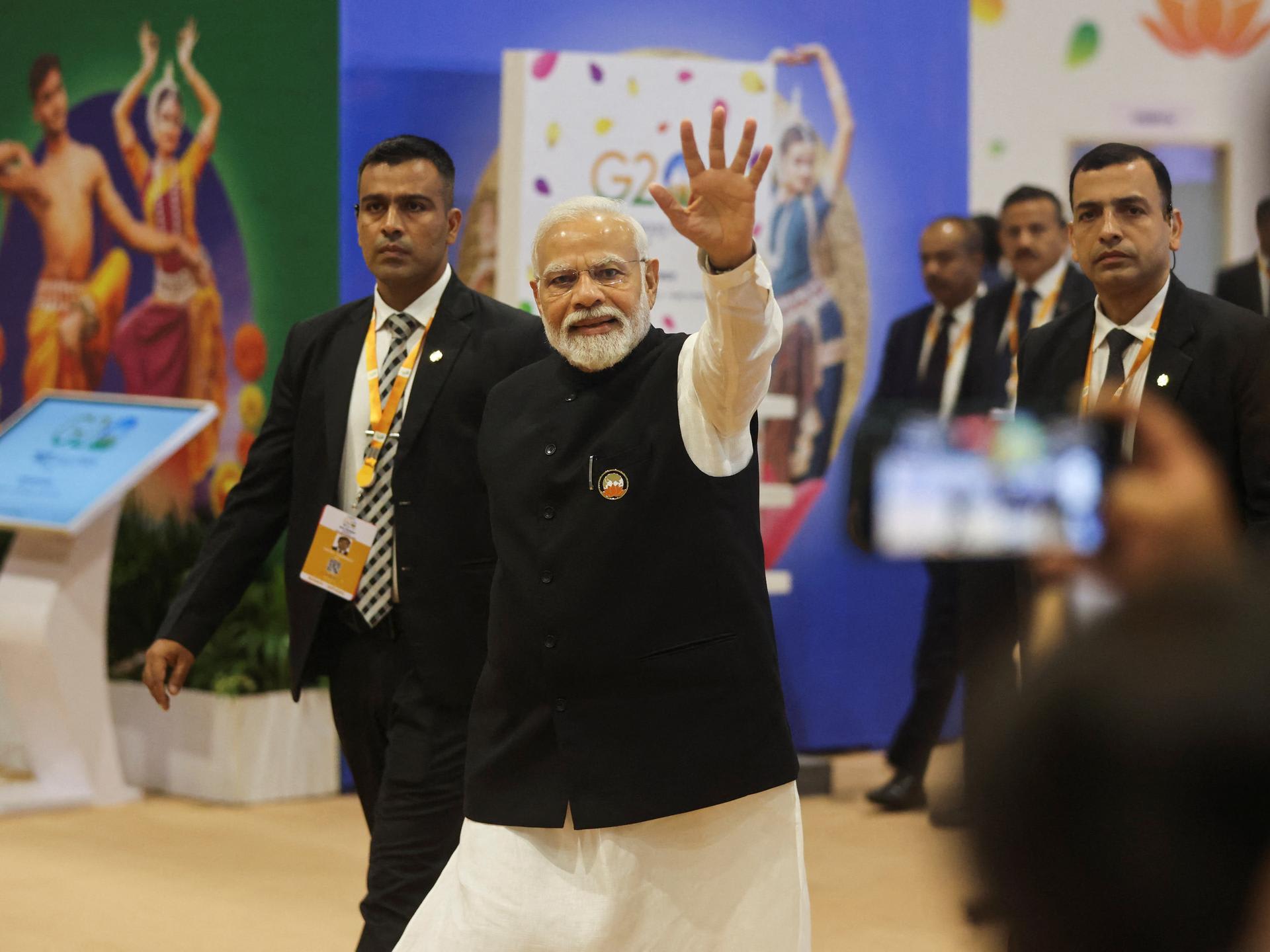
India's Moment for Global Health Leadership  

by Animesh Roul

India is well positioned to shape the future of global health 

Read this story


What We're Reading

IVF Bans like Alabama's Could Cost the Lives of Children Already Born (STAT)

Inside the Hospitals Treating Brain Injuries in Ukraine (New York Times)

Netanyahu's "Day After" Plan for Gaza Is Unviable (Washington Post)


Interested in submitting?

Review our Submission Guidelines

Previous NewsletterBack to ArchiveNext Newsletter

Subscribe to Our Newsletter

Sign up for our weekly newsletter to stay up to stay up to date.

See Past Newsletters
About This SiteSubmission Guidelines

©2025 Council on Foreign Relations. All rights reserved. Privacy Policy and Terms of Use.