• Environment
  • Poverty
  • Trade
  • Governance
  • Food
  • Urbanization
  • Aging
  • Gender
  • Migration
  • Data Visualization
  • Recommendations
  • Research & Analysis
  • Series
  • Interviews
  • About This Site
  • Submission Guidelines

Newsletter

Think Global Health

  • Environment
  • Poverty
  • Trade
  • Governance
  • Food
  • Urbanization
  • Aging
  • Gender
  • Migration
  • Data Visualization
  • Recommendations
  • Research & Analysis
  • Series
  • Interviews
  • About This Site
  • Submission Guidelines

Newsletter

Think Global Health

Supporting Health Workers, Unpacking Child Abuse in India, and the Inequitable Rise of Plastic Surgery

April 28, 2023


Editor's Note

The COVID crisis is not over for health workers. April 26 was the third anniversary of Dr. Lorna Breen's death, an emergency room director at New York–Presbyterian Hospital who died by suicide in 2020. This week, Sonya Stokes remembers her friend and colleague and writes on the urgent mental health needs of health workers since the pandemic and the staffing shortages that still afflict many hospitals.  


Another contributor from India bravely shares her experience with the sexual abuse she endured as a child from a family member and the inadequate support she received during her trauma. She is not alone. Many children are subject to sexual abuse and unable to come forward due to feelings of shame or pressure from their families. Overcoming those societal and cultural barriers to reporting sexual abuse requires holding more perpetrators accountable, argues the author.   


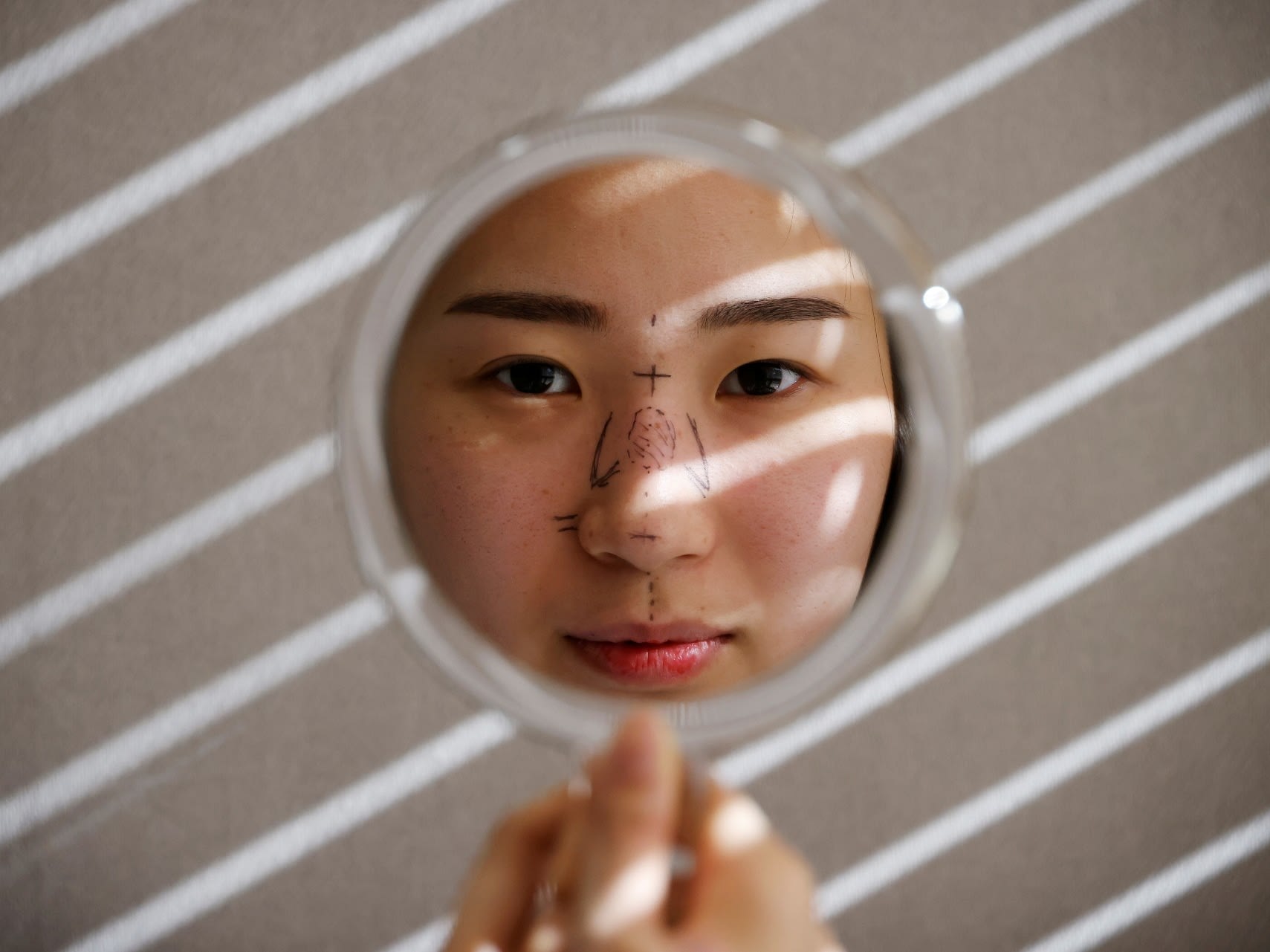
Plastic surgery is commonly associated with aesthetic surgery, but it originated as a reconstructive surgical specialty, helping victims of war recover from trauma. Today, surgical and nonsurgical aesthetic procedures are at an all-time high globally, but many low- and middle-income countries still face unmet needs for the safe and affordable reconstructive surgeries that were at the root of that surgical specialty.   


Wrapping up the week, our final piece surveys global progress on the World Health Organization's (WTO) Comprehensive Mental Health Action Plan. Though some progress has been made, it has been frustratingly slow and the number of people living with untreated mental health conditions remains unchanged. To help accelerate progress, governments should ramp up mental health funding, prioritize improving mental health as a political initiative, and improve the quality of data and monitoring of the problem.   


As always, thank you for reading.—Thomas J. Bollyky, Editor  

 

This Week's Highlights

GOVERNANCE

Image

When Someone Great Is Gone 

by Sonya Stokes

Remembering Dr. Lorna Breen  

Read this story

GENDER

Image

Silent Suffering    

by Christianez Ratna Kiruba

Unveiling the culture of child sexual abuse in Indian families 

Read this story

POVERTY

Image

Aesthetic Procedures Are at an All-Time High, but People Are Getting Left Behind    

by Daniel Bradley

As the aesthetic industry grows, let us not forget the reconstructive origin ethos of plastic surgery  

Read this story


Stat of the Week

33 Percent

There has been a 33 percent rise in aesthetic surgery over the last four years

Read this story


Recommended Feature

GOVERNANCE

Image

Global Progress on Mental Health 

by Ketan Revankar

Ten years into the WHO Comprehensive Mental Health Action Plan 

Read this story


What We're Reading

Can Africa Get Close to Vaccine Independence? Here's What It Will Take. (New York Times)

Chinese Censorship Is Quietly Rewriting the COVID-19 Story (New York Times)

Lessons From the COVID War (COVID Crisis Group)


Interested in submitting?

Review our Submission Guidelines

Previous NewsletterBack to ArchiveNext Newsletter

Subscribe to Our Newsletter

Sign up for our weekly newsletter to stay up to stay up to date.

See Past Newsletters
About This SiteSubmission Guidelines

©2025 Council on Foreign Relations. All rights reserved. Privacy Policy and Terms of Use.