• Environment
  • Poverty
  • Trade
  • Governance
  • Food
  • Urbanization
  • Aging
  • Gender
  • Migration
  • Data Visualization
  • Recommendations
  • Research & Analysis
  • Series
  • Interviews
  • About This Site
  • Submission Guidelines

Newsletter

Think Global Health

  • Environment
  • Poverty
  • Trade
  • Governance
  • Food
  • Urbanization
  • Aging
  • Gender
  • Migration
  • Data Visualization
  • Recommendations
  • Research & Analysis
  • Series
  • Interviews
  • About This Site
  • Submission Guidelines

Newsletter

Think Global Health

Cholera's Climate Sensitivity and Israeli Narratives on Hospital Attacks

March 15, 2024


Editors' Note

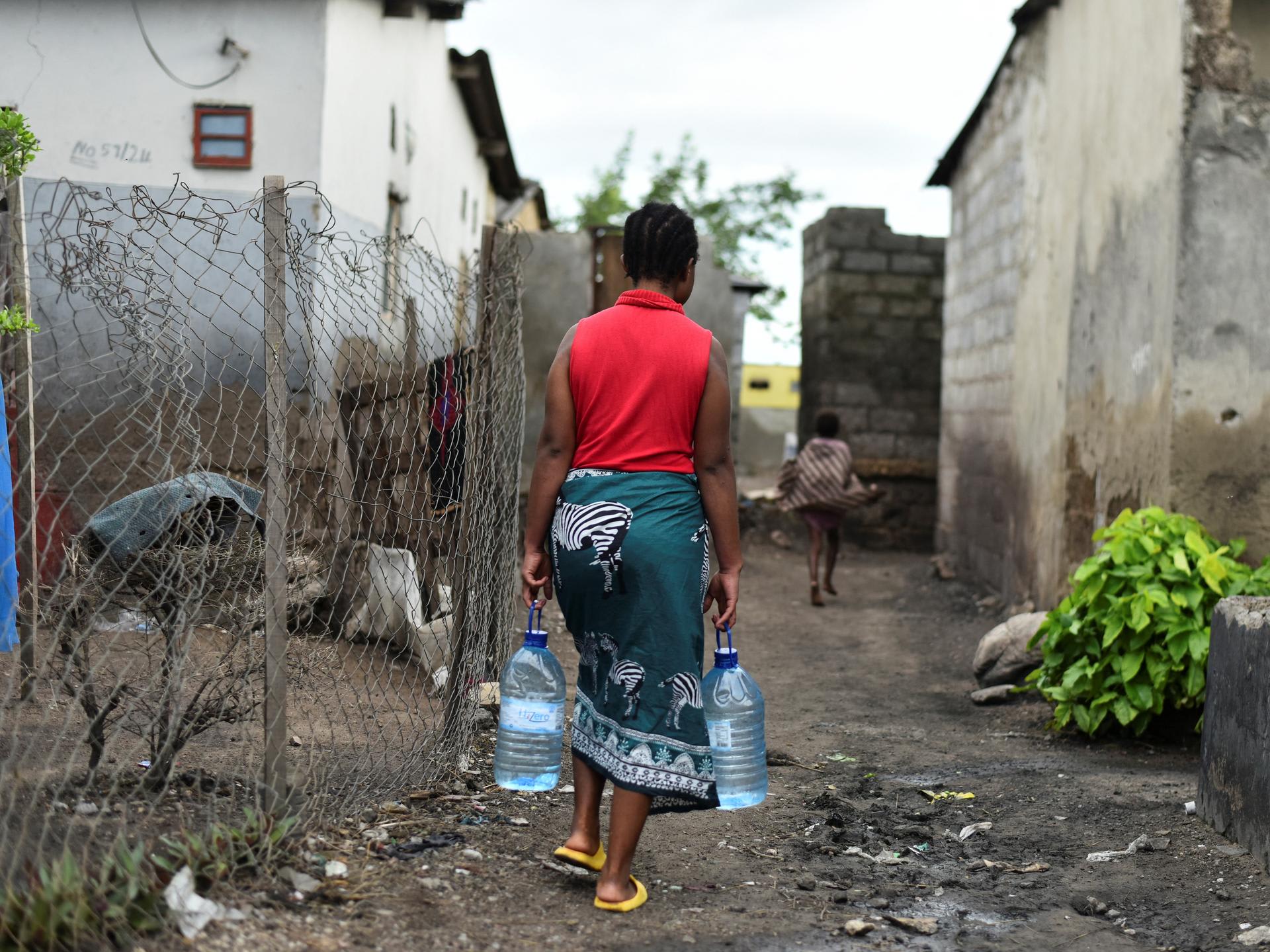
This week's edition starts in Zambia, where a recent cholera outbreak is one of the many indicators of the rapid emergence of climate sensitive diseases. Vanessa Kerry and Bassim Birkland of Seed Global Health reveal why countries should prioritize crisis prevention for those growing disasters, rather than wait to react to them in real time. 

Next, journalist Carrie Arnold unpacks the latest update to the Global Burden of Disease (GBD) study from the Institute for Health Metrics and Evaluation. The study has rebounded from a pandemic hiatus and plans to release a series of reports over the coming weeks. The leadoff found "a 1.6 year drop in life expectancy between 2019 and 2021," marking the first global decline in life expectancy in decades. 

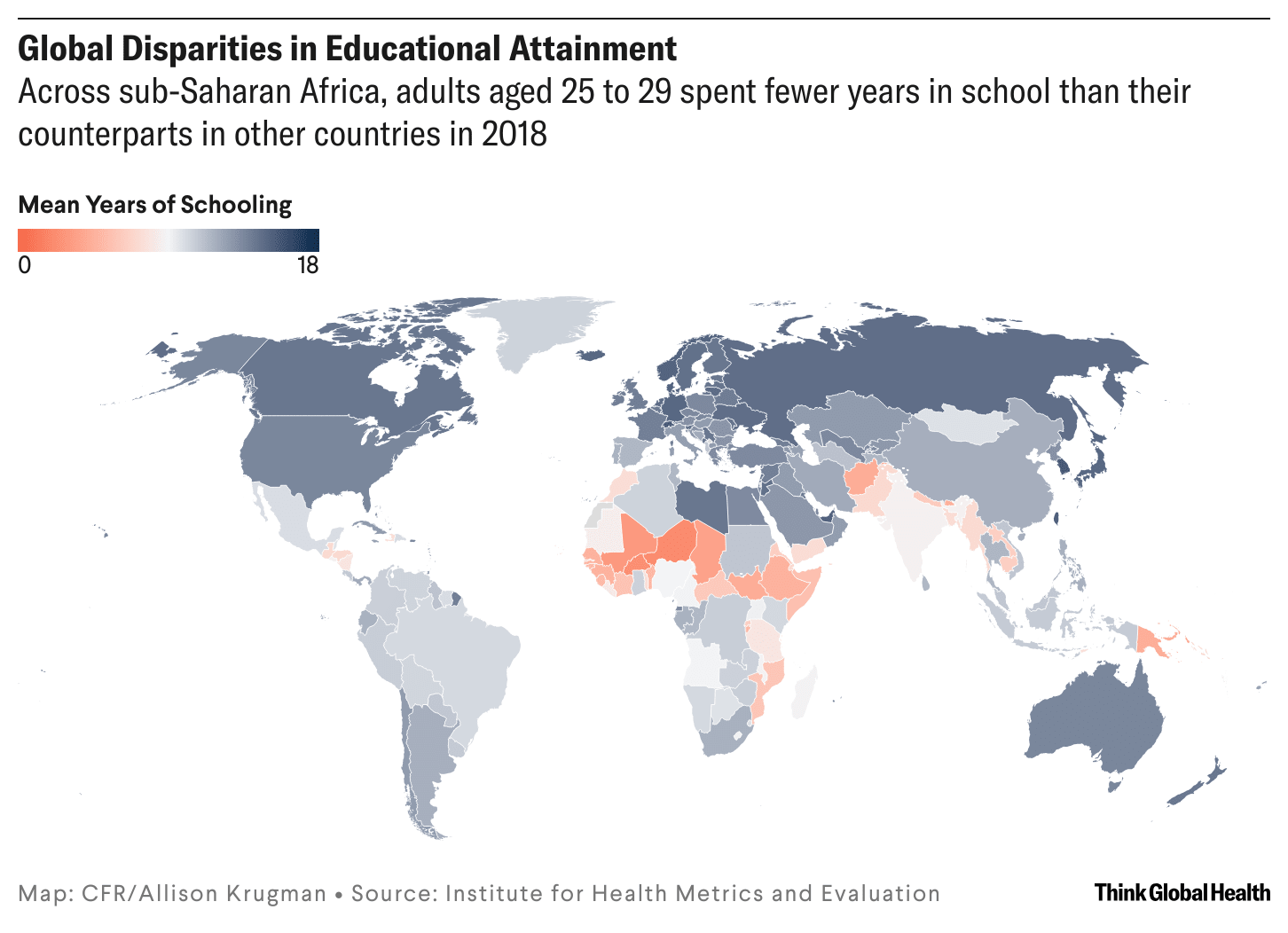
Continuing our analysis of new GBD results, Think Global Health Data Editor Allison Krugman unpacks how education increases people's lifespans.  

Vidhi Wadhwani and Siddhesh Zadey of the Association for Socially Applicable Research outline the barriers to pediatric surgery in India—including medical education and access to care. Overcoming those hurdles could save thousands of lives each year and keep India on track to reach its development goals. 

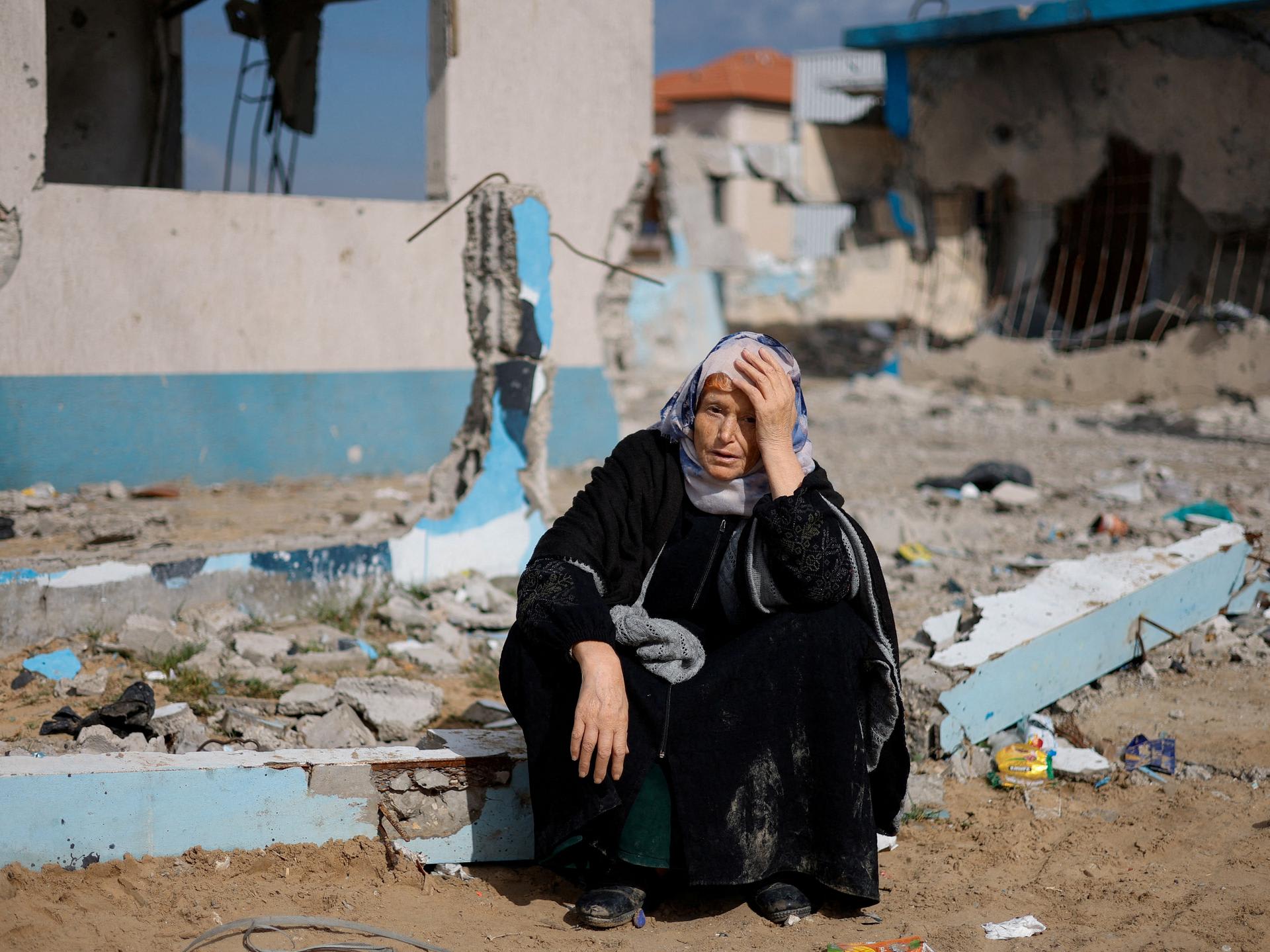
We wrap the week with a deeper look at the Israeli forces' recent raid of the Nasser Medical Complex. That assault is just one example of the destruction of Gaza's health system, according to Leonard Rubenstein of the Johns Hopkins Bloomberg School of Public Health and Stephen Morrison of the Center for Strategic and International Studies. They argue that regardless of how ceasefire negotiations end, the Joe Biden administration should hold Israel to account for its war conduct and the obstruction of humanitarian aid by reporting on war crimes committed by all parties. 

Until next week!—Nsikan Akpan, Managing Editor, and Caroline Kantis, Associate Editor  
 

This Week's Highlights

ENVIRONMENT

Image

Zambia's Cholera Outbreak Rings Warning Bells on Climate Change 

by Vanessa Kerry and Bassim Birkland 

Cholera spikes are one of many signs foretelling the rapid emergence of climate-sensitive diseases 

Read this story

AGING

Image

Global Life Expectancy Declines for First Time in 30 Years 

by Carrie Arnold

COVID-19 slashed overall life expectancy, according to a highly anticipated update of the Global Burden of Disease study 

Read this story

POVERTY

Image

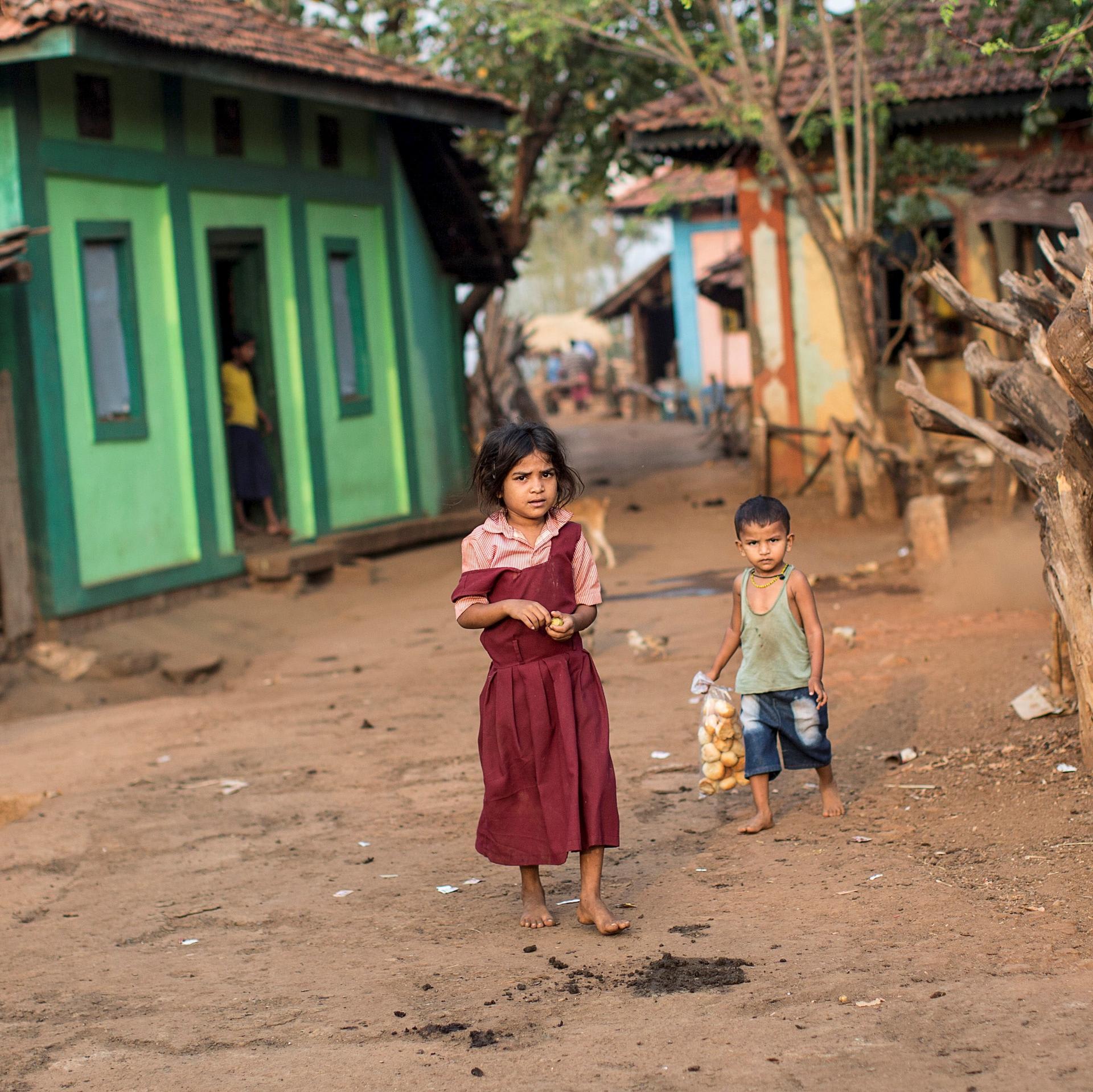
Pediatric Surgery Could Help India Reach Its Development Goals 

by Vidhi Wadhwani and Siddhesh Zadey 

Confronting barriers to pediatric surgical care access should be a priority 

Read this story


Figure of the Week

Read this story


Recommended Feature

GOVERNANCE

Image

Israel's Attacks Against Gaza's Hospitals

by Leonard S. Rubenstein and J. Stephen Morrison

How Biden could intervene against Israel's assaults on Gaza's hospitals

Read this story


What We're Reading

In Gaza, Satellites Show 157,200 Damaged or Destroyed Buildings (Undark)

The U.S. Prison Population is Rapidly Graying. Prisons Aren't Built for What's Coming (NPR)

These Countries Are Doing Nutrition Labels the Right Way (Washington Post)

How Medicare Can Start Covering a Popular Weight-Loss Drug for More People (Axios)


Interested in submitting?

Review our Submission Guidelines

Previous NewsletterBack to ArchiveNext Newsletter

Subscribe to Our Newsletter

Sign up for our weekly newsletter to stay up to stay up to date.

See Past Newsletters
About This SiteSubmission Guidelines

©2025 Council on Foreign Relations. All rights reserved. Privacy Policy and Terms of Use.