• Environment
  • Poverty
  • Trade
  • Governance
  • Food
  • Urbanization
  • Aging
  • Gender
  • Migration
  • Data Visualization
  • Recommendations
  • Research & Analysis
  • Series
  • Interviews
  • About This Site
  • Submission Guidelines

Newsletter

Think Global Health

  • Environment
  • Poverty
  • Trade
  • Governance
  • Food
  • Urbanization
  • Aging
  • Gender
  • Migration
  • Data Visualization
  • Recommendations
  • Research & Analysis
  • Series
  • Interviews
  • About This Site
  • Submission Guidelines

Newsletter

Think Global Health

Urban Climate Disasters and the Last Mile of U.S. Nutrition

October 4, 2024


Editors' Note

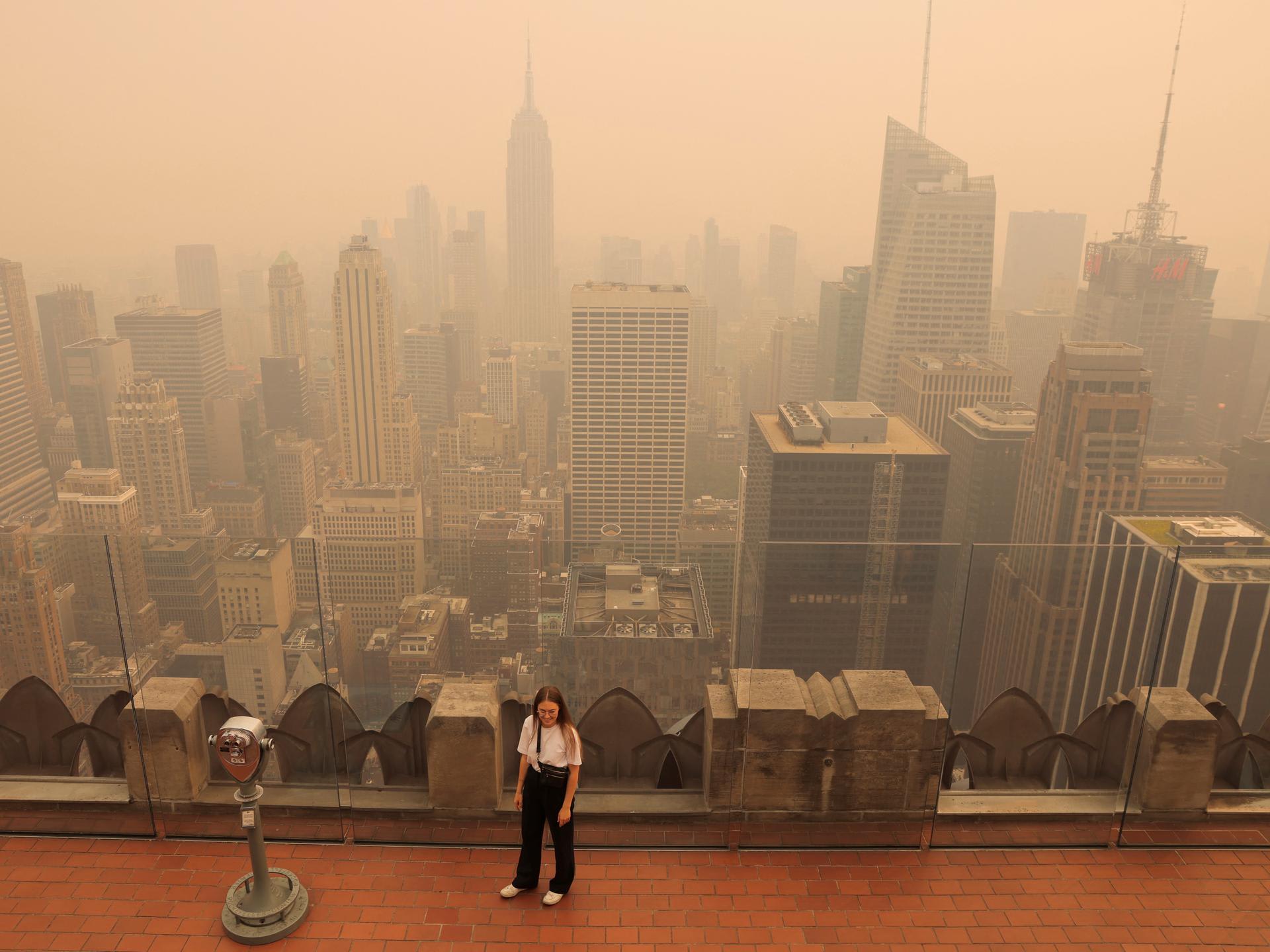
Last week, world leaders descended on New York City for the UN General Assembly, which also coincided with Climate Week NYC. This year's proceedings, the largest annual climate event of its kind, followed the hottest summer on record—and came mere days before Hurricane Helene wreaked havoc through climate-boosted flooding.   

Against that backdrop, New York City Health Commissioner Ashwin Vasan uses real-world examples in his article to outline the sustainable paths policymakers can travel to make global urban areas safer, healthier places to live as climate disasters become more common.  

Pivoting to global health politics, Diplomat Hampus Homer explains how growing multipolarity and renewed regional autonomy are transforming global health efforts traditionally dominated by the West.  

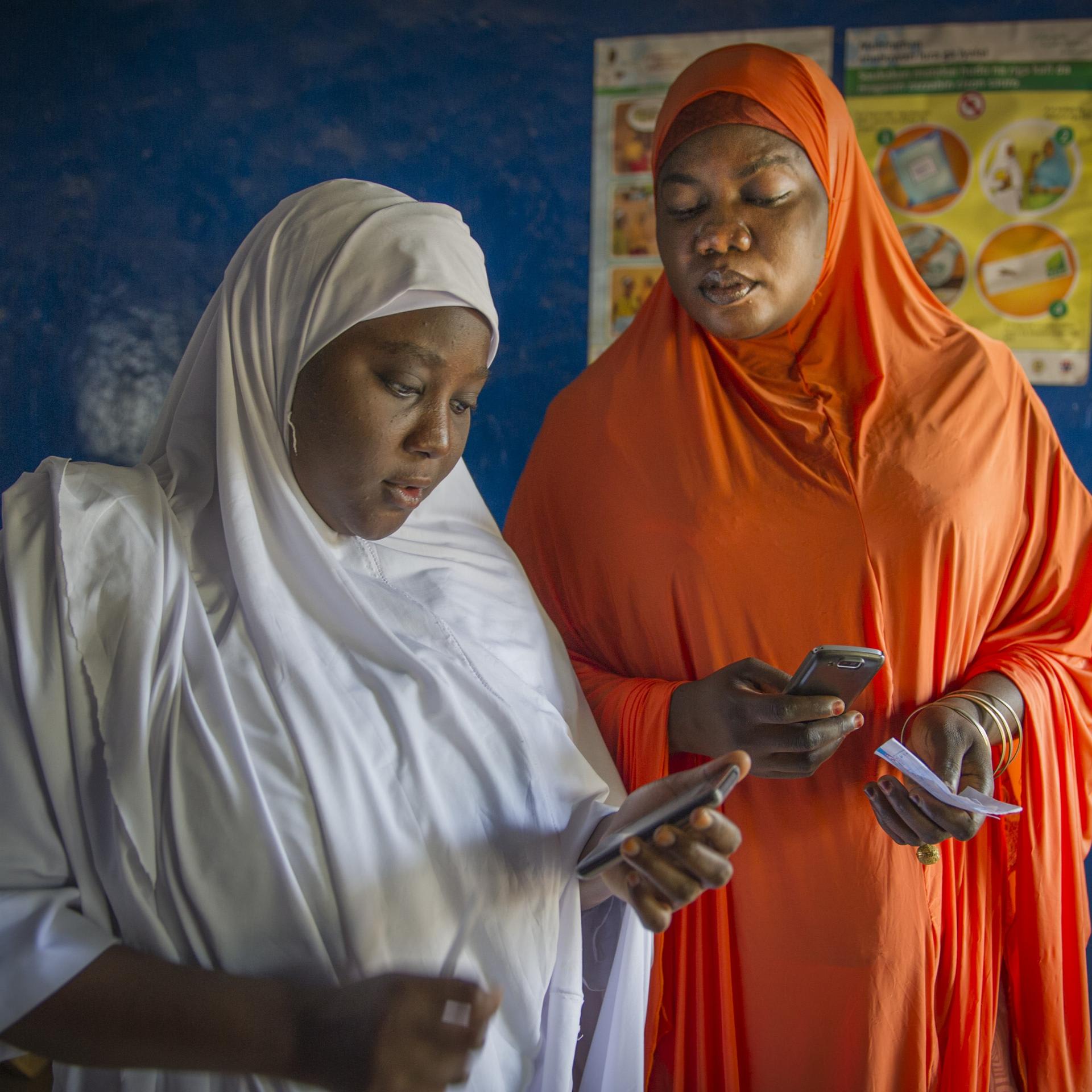
Next, Hilda Ebinim and Oluwadamilare Olatunji from the Sydani Group, and Laura Hoemeke from the University of North Carolina's Gillings School of Global Public Health, translate the results of a new survey from Nigeria that explains the economic factors driving an exodus of nurses and midwives. 

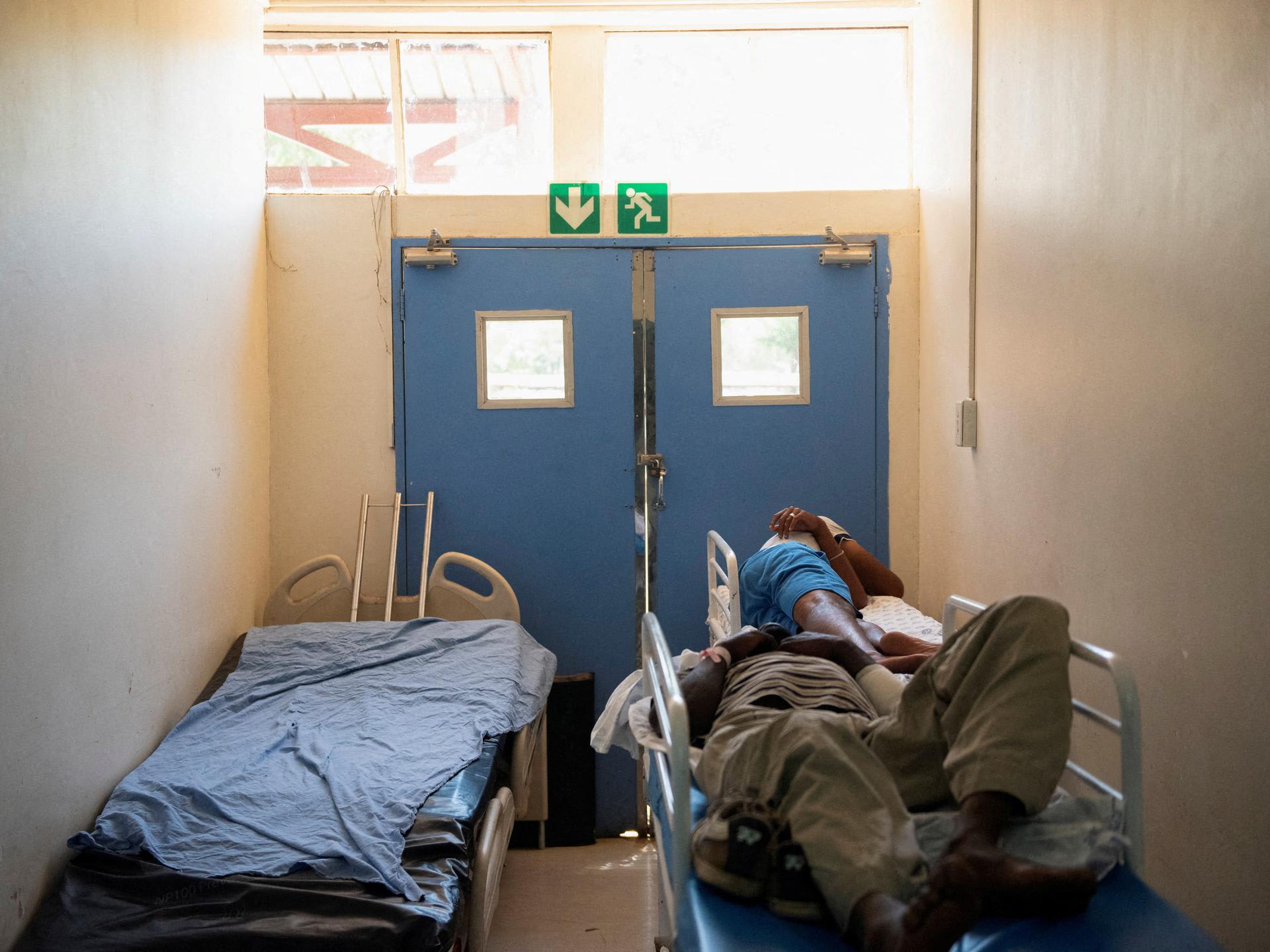
Traveling to South Africa, journalist Thabo Molelekwa uncovers the factors behind the country's high incidence of medical negligence—noting that the number of claims increased by an average of 23% each year from 2014 to 2020. Medicolegal claim payouts remain high, totaling 4.12 billion rand ($235 million) over the last three years.

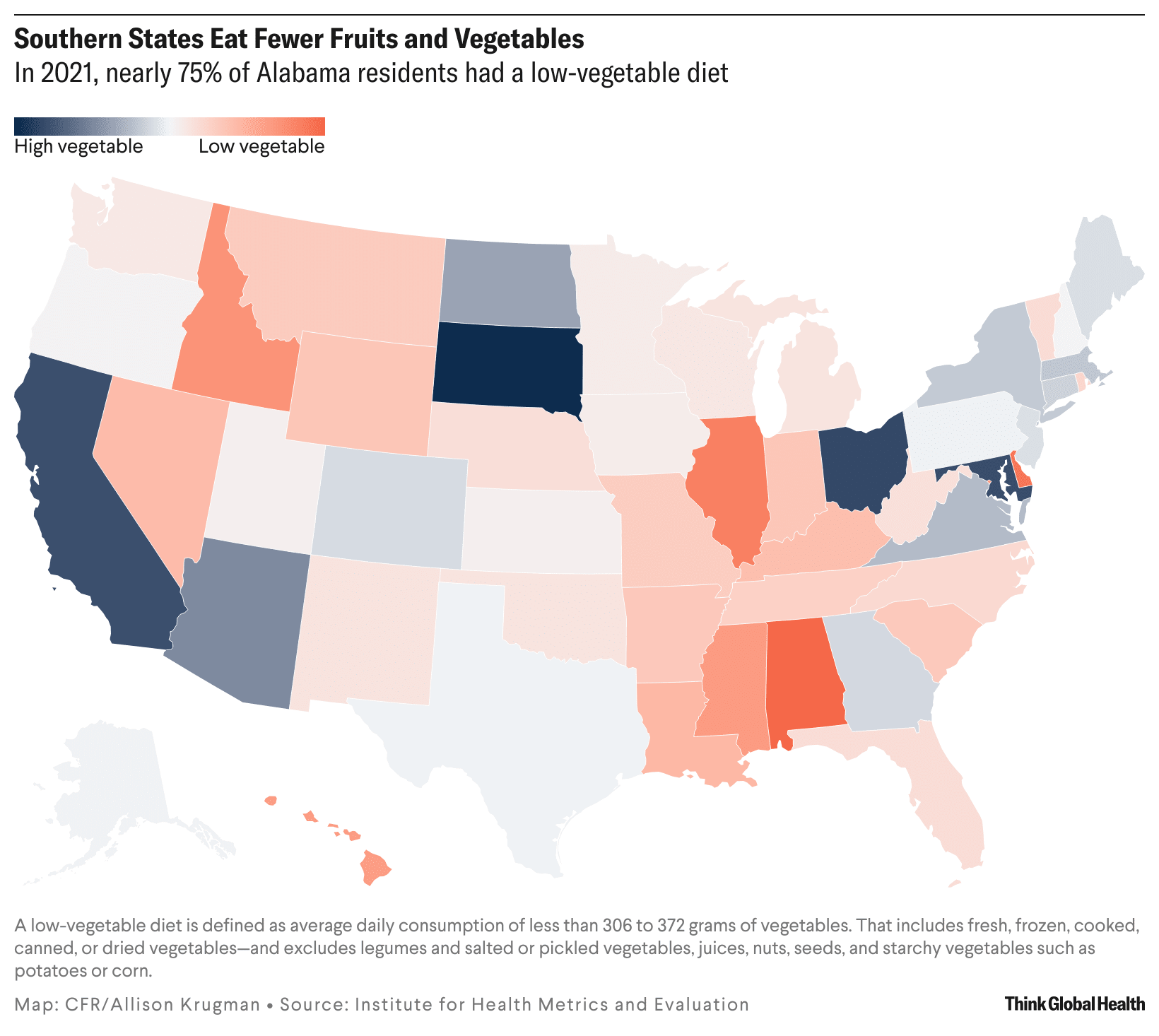
To wrap up the edition, researchers from the Institute for Health Metrics and Evaluation introduce a new survey that measures how much community-based food programs and U.S. farmers markets improve people's diets through access to fruits and vegetables.  

Until next week! —Nsikan Akpan, Managing Editor, and Caroline Kantis, Associate Editor 
 

This Week's Highlights

URBANIZATION

Image

Climate and Health: Global Problems, Local Solutions

by Ashwin Vasan

For effective approaches to combat climate change, world leaders should look to cities like New York

Read this story

GOVERNANCE

Image

Multipolarity Is the New Reality 

by Hampus Homer

Long dominated by the West, global health is changing because of discontent with the past and the return of geopolitics 

Read this story

MIGRATION

Image

The Economics Behind Nigeria's Midwife Exodus 

by Hilda Ebinim, Oluwadamilare Olatunji, and Laura Hoemeke 

Between 2017 and 2022, more than 57,000—about 30%—of Nigeria's nurses and midwives left 

Read this story


Figure of the Week

Read this story


Recommended Feature

GOVERNANCE

Image

South Africa's Medical Negligence Crisis

by Thabo Molelekwa

Understaffing and insufficient resources have led to poor quality care and a surge of medicolegal claims in South Africa

Read this story


What We're Reading

Gilead Agrees to Allow Generic Version of Groundbreaking HIV Shot in Poor Countries (New York Times)

Rwanda Reports Eight Deaths Linked to Ebola-Like Marburg Virus Days After It Declared an Outbreak (AP News)

Finding Help to Get Sober is Hard. In Kentucky, It's Even Harder as a Mom. (Washington Post)

What the 2024 Election Could Mean for Health Coverage, Affordability, and the Budget (KFF)


Sports Celebrate Physical Variation—Until It Challenges Social Norms (Scientific American)


Interested in submitting?

Review our Submission Guidelines

Previous NewsletterBack to ArchiveNext Newsletter

Subscribe to Our Newsletter

Sign up for our weekly newsletter to stay up to stay up to date.

See Past Newsletters
About This SiteSubmission Guidelines

©2025 Council on Foreign Relations. All rights reserved. Privacy Policy and Terms of Use.